
Introduction
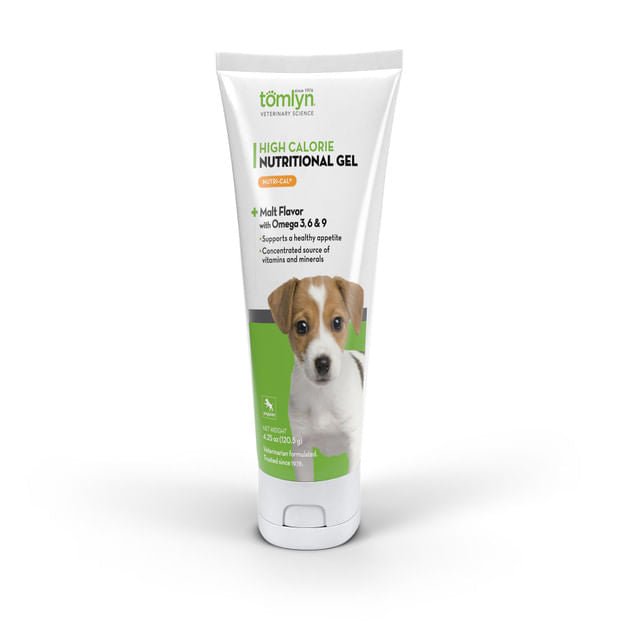
The initial months of a puppy’s life are a period of rapid growth and development, demanding a significant amount of energy and nutrients. Ensuring a puppy receives adequate nutrition is paramount for establishing a strong foundation for lifelong health. Sometimes, despite best efforts, a puppy may face challenges in meeting its nutritional requirements through regular food alone. This is where a specialized product known as nutritional gel for puppies becomes a valuable supportive tool. These concentrated supplements are formulated to provide a boost of essential calories, vitamins, and minerals, designed to address specific needs during critical stages. Understanding when and why a puppy might benefit from such a supplement can significantly improve its well-being, support healthy development, and contribute to its overall quality of life.
💡 Pet Care Key Takeaways:
- Core Focus: Practical health, nutrition, and wellness guidelines for Nutritional Gel For Puppies.
- Target Scope: Pet owners, animal caregivers, and veterinary support staff.
- Best Recommendation: Maintain consistent daily routines and consult an accredited veterinarian before introducing major diet or medical changes.
Common Causes and Key Factors
Several situations can necessitate the use of nutritional gel for puppies, indicating a need for additional caloric and nutrient support beyond a standard diet. A primary factor is insufficient caloric intake, often seen in puppies that are underweight or failing to thrive, where their growth rate lags behind what is expected for their age and breed. Picky eating habits or periods of anorexia, perhaps due to stress from a new environment, weaning, or separation from littermates, can also lead to nutrient deficiencies. For more related activities, check out our Natural Balance Puppy Food Quantity Chart.
Puppies recovering from illness, surgery, or parasitic infections often have increased metabolic demands and a suppressed appetite, making it difficult for them to consume enough regular food. In these cases, a concentrated gel can provide much-needed energy for recuperation. High-energy breeds or puppies from large litters might struggle to gain sufficient weight, especially if competing with siblings for resources. Furthermore, very young puppies, particularly small breeds, are prone to hypoglycemia (low blood sugar) if they go too long without adequate nutrition, and a nutritional gel can offer a quick source of readily available energy to help stabilize blood glucose levels.
Signs and Symptoms to Observe
Recognizing the signs that a puppy might benefit from nutritional support is crucial for timely intervention. Owners should closely observe their puppy’s behavior and physical condition. A common indicator is lethargy or unusually low energy levels, where a puppy is less playful, active, or alert than is typical for its age and breed. Weight loss or a noticeable lack of weight gain, where ribs, hips, or spine become prominent, is a clear signal of inadequate nutrition.
Other observable signs include a dull, dry, or poor coat condition, which reflects a lack of essential fats and nutrients. Persistent picky eating or outright refusal of regular meals, especially if it extends beyond a short period, warrants attention. In more severe cases, particularly with small or toy breeds, signs of weakness, tremors, or disorientation can indicate dangerously low blood sugar levels, demanding immediate attention. Slow recovery after a stressful event, illness, or medical procedure also suggests that the puppy’s body might be struggling to access the necessary resources for healing and rejuvenation.
Practical Solutions and Management Strategies
When considering the use of nutritional gel for puppies, several practical strategies ensure its effective and safe administration. The gel is typically administered orally, either directly from a finger, a syringe, or by mixing a small amount into the puppy’s regular food. Careful adherence to the recommended dosage, usually based on the puppy’s weight and specific needs, is essential to avoid over-supplementation. It is important to remember that nutritional gel is a supplement, not a replacement for a balanced, high-quality puppy food, and should be used to complement the primary diet.
Monitoring the puppy’s progress is key. Regular weight checks, observation of energy levels, and assessment of appetite can help determine the gel’s efficacy. Creating a calm and consistent feeding environment can reduce stress, encouraging the puppy to eat more readily. Ensuring constant access to fresh, clean water is also vital for overall health and nutrient absorption. When selecting a product, options vary from general caloric supplements to those fortified with specific vitamins, minerals, or prebiotics, so choosing one tailored to the puppy’s needs is beneficial. As the puppy’s health improves and it begins to consume adequate regular food, the administration of the gel can be gradually reduced or discontinued under professional guidance.
When Professional Help May Be Needed
While nutritional gel for puppies can be a highly effective supportive measure, it is crucial to recognize situations where veterinary consultation or professional guidance becomes necessary. If a puppy exhibits persistent lethargy, ongoing weight loss despite gel administration, or a continued refusal to eat regular food, a veterinarian should be consulted immediately. These symptoms can indicate an underlying medical condition that requires diagnosis and treatment beyond dietary supplementation.
Instances of severe weakness, collapse, unresponsiveness, or seizures are veterinary emergencies, especially if hypoglycemia is suspected. In such cases, prompt professional medical attention is critical. Furthermore, if the cause of a puppy’s poor health or failure to thrive is unclear, a veterinarian can conduct a thorough examination and diagnostic tests to identify the root issue. It is always advisable to consult with a veterinarian before introducing any new supplement, particularly for very young, immunocompromised, or otherwise unwell puppies, to ensure the product is appropriate and will not interfere with any existing treatments or conditions.
Conclusion
The appropriate use of nutritional gel for puppies serves as a vital tool in supporting the health and development of young canines during critical periods. It provides a concentrated source of energy and essential nutrients that can make a significant difference for puppies facing challenges such as poor appetite, recovery from illness, or rapid growth demands. By understanding the common causes that necessitate its use, recognizing the observable signs of nutritional deficiency, and implementing practical management strategies, owners can effectively support their puppy’s well-being. Always remember that careful observation and timely veterinary consultation are paramount to ensuring a puppy receives the best possible care, fostering a strong and healthy start to life.
Pet Care & Wellness Overview Table
| Life Stage | Daily Activity Level | Key Nutrition / Care Focus |
|---|---|---|
| Puppy / Kitten | High (frequent short bursts) | High-protein growth diet & early socialization |
| Adult Companion | Moderate (30–60 mins daily) | Balanced maintenance nutrition & dental hygiene |
| Senior Pets | Low to Gentle (mindful walks) | Joint support (Glucosamine) & routine vet checks |
Images References





For more expert pet care tips and advice, check out our dedicated Dog Nutrition guides to keep your companions healthy and happy.




