

Introduction
The well-being of canine companions is a priority for pet owners, leading many to explore various supplements and natural remedies. Among these, nutritional yeast has gained attention, particularly in discussions surrounding its potential role in managing or preventing flea infestations in dogs. The phrase “nutritional yeast dogs fleas” encapsulates this curiosity, prompting inquiries into whether this dietary additive can genuinely offer a solution to a common and often persistent pest problem. Understanding the facts behind this connection is crucial for making informed decisions regarding a dogs health and overall quality of life, ensuring effective care and proper pest management.
💡 Pet Care Key Takeaways:
- Core Focus: Practical health, nutrition, and wellness guidelines for Nutritional Yeast Dogs Fleas.
- Target Scope: Pet owners, animal caregivers, and veterinary support staff.
- Best Recommendation: Maintain consistent daily routines and consult an accredited veterinarian before introducing major diet or medical changes.
Common Causes and Key Factors
Flea infestations are a ubiquitous challenge for dog owners. Fleas are tiny, wingless insects that feed on the blood of mammals, including dogs, and can cause significant discomfort. Dogs typically acquire fleas from infested environments, such as tall grass, other animals, or even through contact with eggs and larvae present in carpets and bedding. A single female flea can lay dozens of eggs daily, quickly leading to a widespread infestation if left unchecked. For more related activities, check out our Pitbullnutrition.
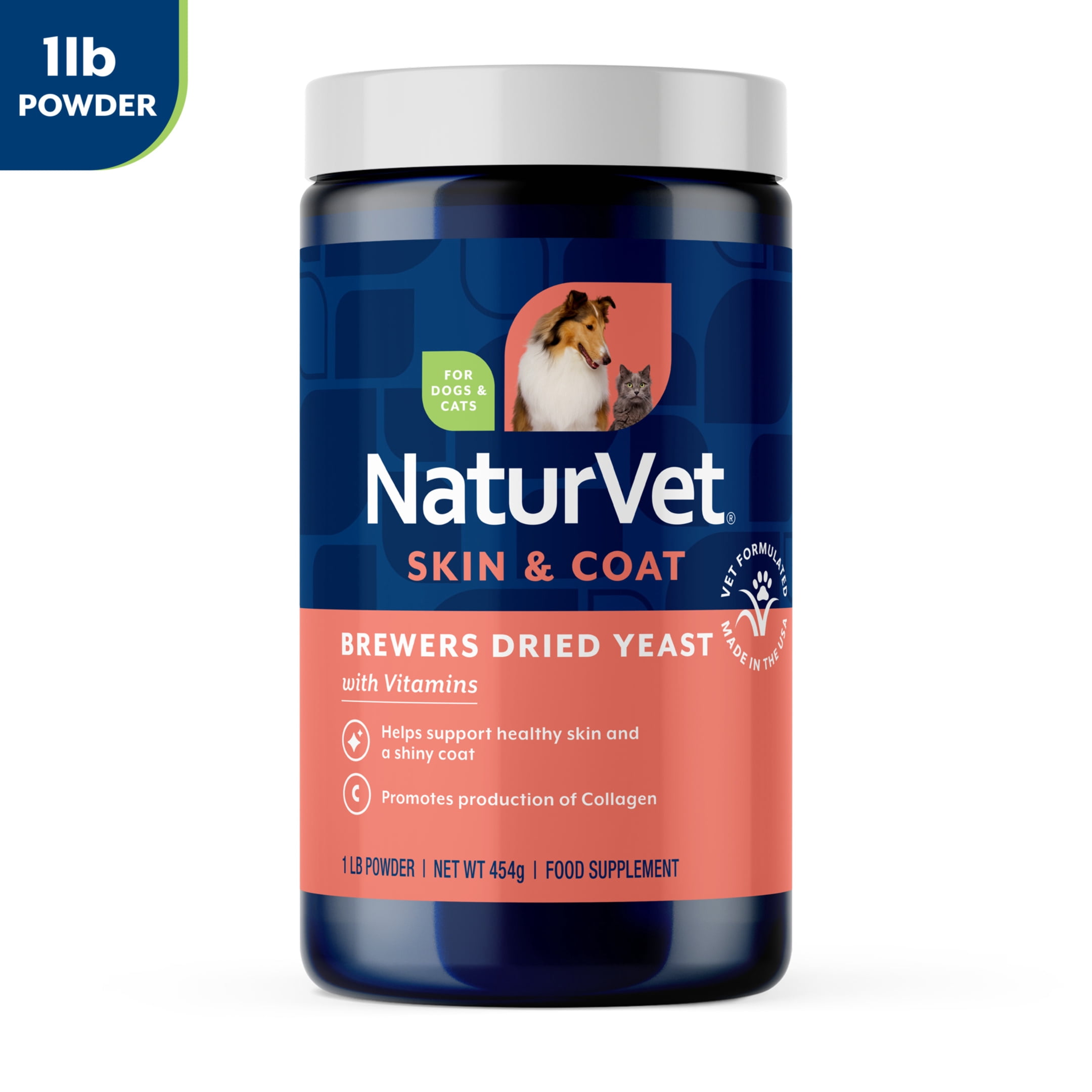
Nutritional yeast, on the other hand, is a deactivated yeast product celebrated for its robust nutritional profile. It is rich in B vitamins, including B1 (thiamine), B2 (riboflavin), B3 (niacin), B6 (pyridoxine), and B12 (cobalamin), along with minerals and protein. The theoretical basis for its use against fleas stems from the belief that when consumed by a dog, the B vitamins, particularly thiamine, alter the dog’s scent or taste in a way that repels fleas. This alteration, proponents suggest, makes the dog less appealing to the parasites. However, it is essential to note that this theory lacks substantial scientific backing in veterinary literature.
Signs and Symptoms to Observe
Recognizing the signs of flea infestation is paramount for prompt intervention. Dogs with fleas often exhibit intense scratching, biting, or licking, particularly around the hindquarters, tail base, and inner thighs. Observing “flea dirt” tiny black specks resembling ground pepper on a dogs fur or bedding is a strong indicator of fleas. This flea dirt is actually flea feces, composed of digested blood. When wet, it turns reddish-brown.
Other symptoms can include red, irritated skin, scabs, hair loss, and in severe cases, anemia, especially in puppies. Some dogs may develop Flea Allergy Dermatitis (FAD), an allergic reaction to flea saliva, which can result in severe itching, skin inflammation, and secondary skin infections from constant scratching. While nutritional yeast itself rarely causes adverse reactions, it is important to monitor a dog for any changes in stool consistency or appetite when introducing new dietary supplements, though these are typically unrelated to flea activity.
Practical Solutions and Management Strategies
Effective flea management for dogs requires a comprehensive, multi-pronged approach that targets fleas at various life stages and in the dog’s environment. Relying solely on a single method, especially unproven ones, can lead to persistent infestations.
Veterinary-Approved Preventatives: The most reliable and effective solutions involve veterinarian-prescribed oral medications or topical treatments. These products are rigorously tested and designed to kill fleas rapidly and prevent new infestations, often lasting for weeks or months. Regular application or administration according to veterinary guidance is crucial.
Environmental Control: Fleas spend only a fraction of their lives on a dog; the majority of their life cycle occurs in the environment. Thoroughly vacuuming carpets, rugs, and upholstery frequently, and washing pet bedding in hot water, can significantly reduce flea eggs, larvae, and pupae. Using an insect growth regulator (IGR) spray in the home can also disrupt the flea life cycle.
Grooming and Hygiene: Regular grooming, including bathing with a gentle flea shampoo (if recommended by a veterinarian) and combing with a fine-toothed flea comb, can physically remove fleas and flea dirt.
Nutritional Yeast as a Dietary Supplement: When considering nutritional yeast for dogs, it is best viewed as a dietary supplement for its vitamin and mineral content rather than a primary flea preventative. While anecdotal reports exist, scientific evidence consistently supporting its efficacy as a flea repellent is lacking. If used, it should be introduced gradually into a dog’s diet, typically sprinkled over food, adhering to recommended dosages to avoid digestive upset. It should always complement, not replace, scientifically proven flea control methods.
When Professional Help May Be Needed
Consulting a veterinarian is essential when a dog exhibits signs of a flea infestation, particularly if the symptoms are severe or persistent. A veterinarian can accurately diagnose the issue, rule out other skin conditions, and recommend the most effective and safe flea control products tailored to a dog’s specific needs, age, and health status.
Professional help is also advisable if a dog shows signs of Flea Allergy Dermatitis, which may require specific medications to manage itching and inflammation. Furthermore, if an infestation in the home proves difficult to eradicate despite diligent efforts, a veterinarian can offer advice on professional pest control services or advanced environmental treatments. Any decision to incorporate new supplements, including nutritional yeast, into a dog’s diet should always be discussed with a veterinary professional to ensure safety and appropriateness.
Conclusion
The exploration of “nutritional yeast dogs fleas” reveals a common interest among pet owners in natural solutions for canine health and pest management. While nutritional yeast offers valuable B vitamins and other nutrients, its role as an effective flea repellent remains largely unsupported by scientific evidence. A comprehensive approach to flea control, incorporating veterinarian-prescribed treatments, diligent environmental management, and good hygiene practices, offers the most reliable path to keeping dogs free from these irritating parasites. Awareness, consistent observation of a dog’s health, and proactive care, guided by professional veterinary advice, are cornerstones of responsible pet ownership, ensuring a happy, healthy, and flea-free life for beloved canine companions.
Pet Care & Wellness Overview Table
| Life Stage | Daily Activity Level | Key Nutrition / Care Focus |
|---|---|---|
| Puppy / Kitten | High (frequent short bursts) | High-protein growth diet & early socialization |
| Adult Companion | Moderate (30–60 mins daily) | Balanced maintenance nutrition & dental hygiene |
| Senior Pets | Low to Gentle (mindful walks) | Joint support (Glucosamine) & routine vet checks |
Images References




For more expert pet care tips and advice, check out our dedicated Dog Nutrition guides to keep your companions healthy and happy.




