
Introduction
The world of canine nutrition is constantly evolving, with dedicated pet owners seeking natural and effective ways to enhance their beloved companions’ health. Among the many supplements garnering attention, nutritional yeast stands out as a unique ingredient. For many, the question arises: is nutritional yeast good for dogs? This inquiry stems from its popularity in human diets as a source of vital nutrients and its distinctive savory, cheese-like flavor. Understanding the properties, benefits, and potential considerations associated with nutritional yeast is crucial for any dog owner considering its addition to a dog’s diet. Making informed decisions about canine supplements can significantly contribute to a dogs well-being, vitality, and overall quality of life.
💡 Pet Care Key Takeaways:
- Core Focus: Practical health, nutrition, and wellness guidelines for Nutritional Yeast Good For Dogs.
- Target Scope: Pet owners, animal caregivers, and veterinary support staff.
- Best Recommendation: Maintain consistent daily routines and consult an accredited veterinarian before introducing major diet or medical changes.
Common Causes and Key Factors
Nutritional yeast is an inactive form of yeast, specifically Saccharomyces cerevisiae, grown on a nutrient medium like molasses. It is then harvested, washed, dried with heat to deactivate it, and crumbled into flakes or powdered form. Unlike active yeasts used in baking, nutritional yeast does not cause fermentation in the digestive tract. It is cherished for its distinctive umami and nutty, cheesy flavor, making it an appealing culinary additive for both humans and, potentially, pets. For more related activities, check out our Pitbullnutrition.
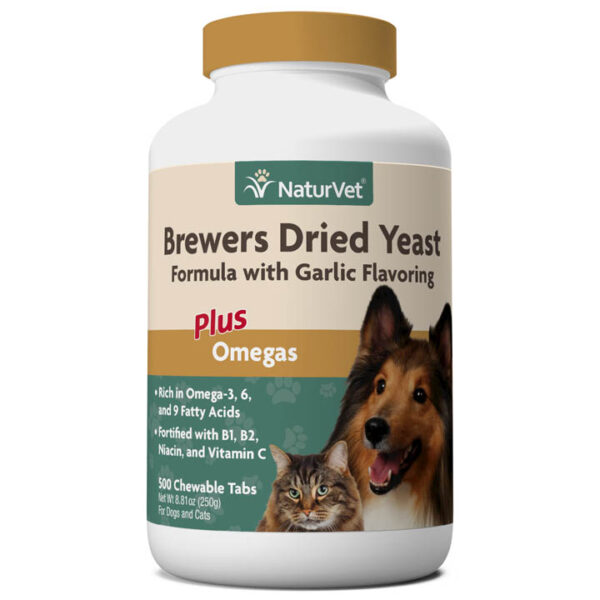
The primary reason for considering nutritional yeast for dogs revolves around its impressive nutritional profile. It is a rich source of B vitamins, including thiamine (B1), riboflavin (B2), niacin (B3), pyridoxine (B6), and often cobalamin (B12) when fortified. These B vitamins are essential for numerous bodily functions, including metabolism, nerve function, and red blood cell formation. Beyond vitamins, nutritional yeast also provides a significant amount of complete protein, containing all nine essential amino acids, along with trace minerals like zinc, selenium, and manganese, and beneficial antioxidants. Pet owners are often drawn to its potential as a natural supplement to fill dietary gaps or provide an extra boost of these vital nutrients. It is important to distinguish nutritional yeast from brewer’s yeast; while both are inactive yeasts from the Saccharomyces genus, they are different strains with distinct production methods and slightly varied nutritional compositions.
Signs and Symptoms to Observe
When considering the inclusion of nutritional yeast in a dog’s diet, observing potential benefits and any adverse reactions is paramount. The rich array of nutrients within nutritional yeast can contribute to several positive outcomes for canine health.
One of the most frequently cited benefits is its positive impact on coat and skin health. The B vitamins, particularly biotin (B7), play a critical role in maintaining healthy skin and promoting a lustrous, shiny coat. Dogs with dull fur or dry, flaky skin might show improvement with consistent, appropriate supplementation.
Furthermore, the beta-glucans found in nutritional yeast are recognized for their immune-modulating properties. These complex carbohydrates can help support a dog’s immune system, potentially enhancing its ability to respond to various challenges. The protein and antioxidant content also contribute to overall cellular health and repair.
For digestive health, nutritional yeast contains dietary fiber, which can aid in maintaining a healthy digestive tract. While not a probiotic itself, it can contribute to a balanced gut environment. The B vitamins are also crucial for proper nutrient absorption, supporting efficient digestion and energy utilization. Dogs experiencing lethargy or low energy levels might benefit from the metabolic support provided by these vitamins.
Another practical application is its use as a palatability enhancer. The savory, cheesy flavor of nutritional yeast can be highly appealing to picky eaters, making mealtime more enjoyable and encouraging consumption of otherwise uninteresting foods.
However, it is crucial to address a common misconception: nutritional yeast is often mistakenly believed to be a flea deterrent. While brewer’s yeast has been traditionally (and anecdotally) suggested for this purpose, scientific evidence for either type of yeast as an effective flea repellent is limited and inconsistent. It should not be relied upon as a primary method of flea prevention.
Potential negative signs to observe, though rare, include mild digestive upset such as gas or diarrhea, especially if introduced too quickly or in excessive amounts. Allergic reactions, while uncommon, are possible and might manifest as itching, hives, or swelling.
Practical Solutions and Management Strategies
Integrating nutritional yeast into a dog’s diet requires a thoughtful approach to ensure safety and maximize potential benefits.
Sourcing and Type: Always select high-quality, human-grade nutritional yeast from reputable suppliers. It is generally advisable to choose unsweetened, unflavored varieties. Some nutritional yeasts are fortified with vitamin B12, which is beneficial for dogs, especially those on specific diets that might lack this essential vitamin.
Gradual Introduction: To avoid potential digestive upset, introduce nutritional yeast slowly. Begin with a very small amount, such as a quarter teaspoon for small dogs or a half teaspoon for larger breeds, mixed thoroughly with their regular food. Gradually increase the quantity over several days or a week, monitoring the dog’s response.
Appropriate Dosage: The exact dosage can vary based on the dog’s size, age, activity level, and individual health needs. A general guideline is often 1/2 to 1 teaspoon per 10-20 pounds of body weight per day, though this should be adjusted and ideally discussed with a veterinarian. It is typically sprinkled over wet or dry kibble, mixed into homemade dog food, or used as a topping for treats.
Observe and Adjust: Close observation of the dog’s stools, appetite, energy levels, and overall demeanor is essential. If any signs of digestive discomfort, such as gas, bloating, loose stools, or vomiting, appear, reduce the amount or discontinue use. Conversely, if positive changes are noted, maintain the consistent dosage.
Storage: Store nutritional yeast in an airtight container in a cool, dark place to preserve its potency and prevent spoilage.
It is important to remember that nutritional yeast is a supplement, not a replacement for a balanced and complete canine diet. Its purpose is to enhance nutrient intake and support specific bodily functions, not to serve as a primary source of macronutrients or all essential vitamins and minerals.
When Professional Help May Be Needed
While nutritional yeast can be a beneficial dietary addition for many dogs, there are specific circumstances when veterinary consultation is highly recommended.
If a dog experiences persistent digestive upset, such as ongoing diarrhea, vomiting, excessive gas, or loss of appetite after introducing nutritional yeast, veterinary guidance is crucial. These symptoms could indicate an intolerance, an allergy, or an underlying health issue unrelated to the supplement.
Any signs of an allergic reaction, including severe itching, skin redness, hives, facial swelling, or difficulty breathing, necessitate immediate veterinary attention. Although rare, allergies to yeast can occur.
For dogs with pre-existing health conditions, particularly those affecting the kidneys, liver, or immune system, or those prone to yeast infections, a veterinarian should be consulted before introducing any new supplement. The unique nutrient profile of nutritional yeast might interact with certain conditions or medications.
Dogs currently on medication should also have their diet reviewed by a veterinarian. Potential interactions between supplements and pharmaceuticals can occur, altering medication effectiveness or leading to adverse effects.
Finally, if a dog owner is uncertain about the appropriate dosage for their specific dog’s needs, or if the dog exhibits unusual behavior or health changes that cannot be easily explained, seeking professional veterinary advice is always the safest course of action. A veterinarian can provide tailored recommendations based on a dog’s individual health profile and dietary requirements.
Conclusion
Nutritional yeast presents itself as a potentially valuable addition to a dog’s diet, offering a wealth of B vitamins, complete proteins, and beneficial trace minerals. Its capacity to support skin and coat health, bolster immune function, aid digestion, and even enhance mealtime palatability makes it an appealing supplement for many pet owners. However, responsible supplementation hinges on careful selection, a gradual introduction, and appropriate dosing. While the benefits are noteworthy, it is equally important to manage expectations, understanding that it is a supplement and not a miraculous cure-all, nor a primary flea repellent. Consistent observation for any adverse reactions and, crucially, seeking professional veterinary advice, especially for dogs with pre-existing conditions or those on medication, are paramount. By making informed choices regarding dietary supplements, dog owners can significantly contribute to their canine companions optimal health and enduring well-being.
Pet Care & Wellness Overview Table
| Life Stage | Daily Activity Level | Key Nutrition / Care Focus |
|---|---|---|
| Puppy / Kitten | High (frequent short bursts) | High-protein growth diet & early socialization |
| Adult Companion | Moderate (30–60 mins daily) | Balanced maintenance nutrition & dental hygiene |
| Senior Pets | Low to Gentle (mindful walks) | Joint support (Glucosamine) & routine vet checks |
Images References




For more expert pet care tips and advice, check out our dedicated Dog Nutrition guides to keep your companions healthy and happy.




