

Introduction
The foundation of a puppy’s health and well-being is laid through proper nutrition. “Nutritious puppy food” refers to specially formulated diets designed to meet the unique and rapidly evolving needs of young canines. Unlike adult dogs, puppies experience exponential growth, develop critical organ systems, and build their immune defenses during their formative months. Providing a diet rich in essential nutrients during this crucial period ensures optimal physical development, supports cognitive function, and establishes the groundwork for a long, healthy life. Understanding the components of a truly nutritious puppy food is paramount for dog owners, as it directly influences a puppy’s energy levels, behavior, and overall quality of life, preventing many common health issues before they even begin.
💡 Pet Care Key Takeaways:
- Core Focus: Practical health, nutrition, and wellness guidelines for Nutritious Puppy Food.
- Target Scope: Pet owners, animal caregivers, and veterinary support staff.
- Best Recommendation: Maintain consistent daily routines and consult an accredited veterinarian before introducing major diet or medical changes.
Common Causes and Key Factors
The necessity for specific nutritious puppy food stems from several key biological and developmental factors. Puppies undergo an intense period of growth, requiring significantly more calories, protein, and certain minerals per pound of body weight compared to adult dogs. Their skeletal system, musculature, and internal organs are all rapidly developing. For more related activities, check out our “Fortiflora” And “Gut Health”.
One primary factor is the rapid rate of growth, demanding higher levels of high-quality protein for muscle and tissue development. Essential fatty acids, particularly DHA (docosahexaenoic acid), are crucial for brain and eye development, mirroring their presence in mother’s milk. The balance of calcium and phosphorus is meticulously important for skeletal development, especially in large and giant breeds, where too much or too little can lead to orthopedic problems.
Furthermore, a puppy’s immune system is still maturing. A diet rich in antioxidants, vitamins, and prebiotics supports a robust immune response, helping the puppy fend off illness. Digestive systems in puppies are also more sensitive; therefore, easily digestible ingredients and appropriate fiber levels are vital to prevent gastrointestinal upset and ensure nutrient absorption. Considerations for breed size are also critical; large breed puppies require formulas that promote slower, controlled growth to protect developing joints, while small breed puppies may need higher caloric density due to their faster metabolism.
Signs and Symptoms to Observe
The quality of a puppy’s diet manifests in various observable signs and behaviors. A puppy receiving nutritious food typically exhibits a consistent, healthy growth rate, maintaining an appropriate body condition score without becoming overweight or underweight. The coat should appear shiny and soft, and the skin should be clear and supple. Eyes should be bright and clear, indicating overall good health.
Energy levels are usually robust and appropriate for the puppy’s age and breed, reflecting adequate caloric intake and nutrient absorption. Stools should be well-formed, consistent, and easy to pick up, signaling healthy digestion. Strong teeth and bones are also indicators of proper mineral balance. Puppies on a nutritious diet often display good focus and an eagerness to learn during training sessions, a testament to proper brain development.
Conversely, signs that a puppy’s food may not be meeting its nutritional needs include stunted growth, a dull or sparse coat, dry skin, or persistent dandruff. Lethargy, low energy levels, or excessive hyperactivity can sometimes be linked to dietary imbalances. Frequent digestive upsets such as diarrhea, vomiting, or persistent gas may indicate food sensitivities or a lack of digestibility. Poor muscle development, visible rib cages, or an overly distended abdomen can also signal inadequate nutrition. Behavioral issues like irritability, lack of concentration, or excessive chewing might also be exacerbated by nutritional deficiencies affecting overall well-being.
Practical Solutions and Management Strategies
Selecting and providing nutritious puppy food involves several practical strategies. The most crucial step is choosing a high-quality commercial puppy food specifically formulated for a puppy’s life stage and, if applicable, breed size. Always look for a statement from the Association of American Feed Control Officials (AAFCO) on the label, confirming the food is “complete and balanced” for growth or “all life stages.”
Ingredient lists should be carefully reviewed. High-quality animal protein (e.g., chicken, lamb, beef, fish) should be among the first ingredients. Healthy fats, complex carbohydrates (like brown rice or sweet potatoes), and a balance of vitamins and minerals are also essential. Avoiding excessive fillers, artificial colors, flavors, and preservatives is generally recommended. For large or giant breeds, choosing a large breed puppy formula is important to ensure a controlled growth rate and appropriate calcium-to-phosphorus ratios, which helps prevent orthopedic issues.
Feeding schedules and portion control are equally important. Puppies typically require frequent, smaller meals (three to four times a day) to support their rapid metabolism and sensitive digestive systems. Always follow the manufacturer’s feeding guidelines as a starting point, but adjust portions based on the puppy’s individual activity level, metabolism, and body condition. Regular monitoring of the puppy’s weight and overall condition ensures adjustments can be made promptly. When transitioning to a new food, always do so gradually over 7-10 days to prevent digestive upset. Finally, constant access to fresh, clean water is absolutely essential for a puppy’s hydration and overall health.
When Professional Help May Be Needed
While diligent observation and adherence to proper feeding guidelines are fundamental, there are situations where professional veterinary consultation becomes necessary. Persistent digestive issues, such as chronic diarrhea, recurrent vomiting, or severe constipation, warrant immediate veterinary attention, as these can lead to dehydration and nutrient malabsorption.
A puppy exhibiting a complete lack of appetite for more than 24 hours, or consistently refusing to eat, should be evaluated by a veterinarian. Similarly, any signs of stunted growth, an inability to gain weight, or, conversely, rapid, unhealthy weight gain, particularly in large breed puppies, requires professional assessment to rule out underlying health conditions or to adjust the feeding plan.
Other concerning symptoms include extreme lethargy, unusual hyperactivity that cannot be explained, or any sudden changes in behavior or physical condition despite consistent care. A veterinarian can provide personalized dietary recommendations, address specific health concerns, and offer guidance on supplement use if needed. For puppies with diagnosed health conditions, a veterinarian can help formulate a therapeutic diet tailored to their unique requirements.
Conclusion
Providing nutritious puppy food is one of the most significant investments an owner can make in their puppy’s long-term health and happiness. The formative period of a puppy’s life is directly influenced by the quality of its diet, impacting everything from physical growth and immune function to cognitive development and behavior. By understanding the unique nutritional needs of puppies, carefully selecting appropriate foods, and diligently observing for signs of proper or improper nutrition, owners can ensure their young canine companions thrive. Consistent care, informed choices, and a proactive approach to feeding will lay a strong foundation for a vibrant and healthy life, contributing significantly to a harmonious relationship between a dog and its family for years to come.
Pet Care & Wellness Overview Table
| Life Stage | Daily Activity Level | Key Nutrition / Care Focus |
|---|---|---|
| Puppy / Kitten | High (frequent short bursts) | High-protein growth diet & early socialization |
| Adult Companion | Moderate (30–60 mins daily) | Balanced maintenance nutrition & dental hygiene |
| Senior Pets | Low to Gentle (mindful walks) | Joint support (Glucosamine) & routine vet checks |
Images References








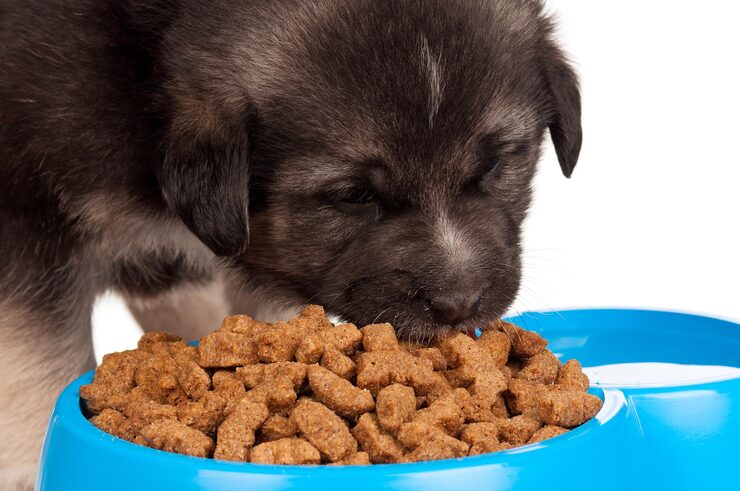
For more expert pet care tips and advice, check out our dedicated Dog Nutrition guides to keep your companions healthy and happy.




