

Introduction
As dogs transition from their spirited adult years into the golden age of senior citizenship, their nutritional needs undergo significant changes. Just like humans, aging can bring about shifts in metabolism, nutrient absorption, and organ function, making specialized dietary support essential. Understanding the role of older dog vitamins becomes paramount for maintaining a senior dog’s vitality and overall well-being. These targeted supplements are designed to bridge nutritional gaps that may arise as a dog ages, contributing to healthier joints, a stronger immune system, improved cognitive function, and a lustrous coat. Proactive attention to a senior dog’s diet, including the careful consideration of appropriate vitamins, can significantly enhance their quality of life, comfort, and happiness during their twilight years.
💡 Pet Care Key Takeaways:
- Core Focus: Practical health, nutrition, and wellness guidelines for Older Dog Vitamins.
- Target Scope: Pet owners, animal caregivers, and veterinary support staff.
- Best Recommendation: Maintain consistent daily routines and consult an accredited veterinarian before introducing major diet or medical changes.
Common Causes and Key Factors
Several physiological changes contribute to the increased need for specific vitamins in older dogs. A common factor is a natural slowdown in metabolism, which can affect how efficiently a dog converts food into energy and utilizes nutrients. Additionally, the digestive system of an older dog may not absorb essential vitamins and minerals as effectively as it once did, even from a high-quality diet. For more related activities, check out our “Fortiflora” And “Gut Health”.
Declining organ function, particularly in the kidneys and liver, can also impact nutrient processing and detoxification, creating a greater demand for supportive nutrients. The immune system naturally weakens with age, making older dogs more susceptible to illness and inflammation. Furthermore, existing health conditions prevalent in senior dogs, such as arthritis, dental disease, or cognitive dysfunction, can either be exacerbated by nutritional deficiencies or directly benefit from specific supplemental support. Medications for chronic conditions can also sometimes interfere with nutrient absorption or increase the body’s need for certain vitamins and minerals.
Signs and Symptoms to Observe
Observing a senior dog for subtle changes can provide early clues about potential nutritional deficiencies that older dog vitamins might address. Physical indicators often include a dull, dry, or thinning coat, flaky skin, and brittle nails. A noticeable decrease in energy levels, increased lethargy, or reduced enthusiasm for once-loved activities can signal a need for metabolic or energy-supporting nutrients.
Changes in mobility, such as stiffness, limping, or difficulty rising after rest, frequently point towards joint health issues, for which specific supplements are often beneficial. Dogs may also experience muscle mass loss, even with adequate protein intake, indicating a need for comprehensive nutritional support. Furthermore, a weakened immune system might manifest as more frequent infections, slower wound healing, or general malaise. Behavioral changes, such as increased anxiety, disorientation, or altered sleep patterns, could also suggest a need for cognitive support through certain vitamins and antioxidants. These signs can vary based on the dog’s breed, size, and individual health history, requiring careful and consistent observation by caregivers.
Practical Solutions and Management Strategies
Managing the nutritional needs of an older dog often involves a multi-faceted approach, with specialized older dog vitamins playing a significant role. The foundation for optimal health begins with a high-quality senior-specific dog food, formulated with appropriate protein levels, reduced calories, and added fiber to support digestive health. However, even premium senior foods may not fully compensate for all age-related deficiencies.
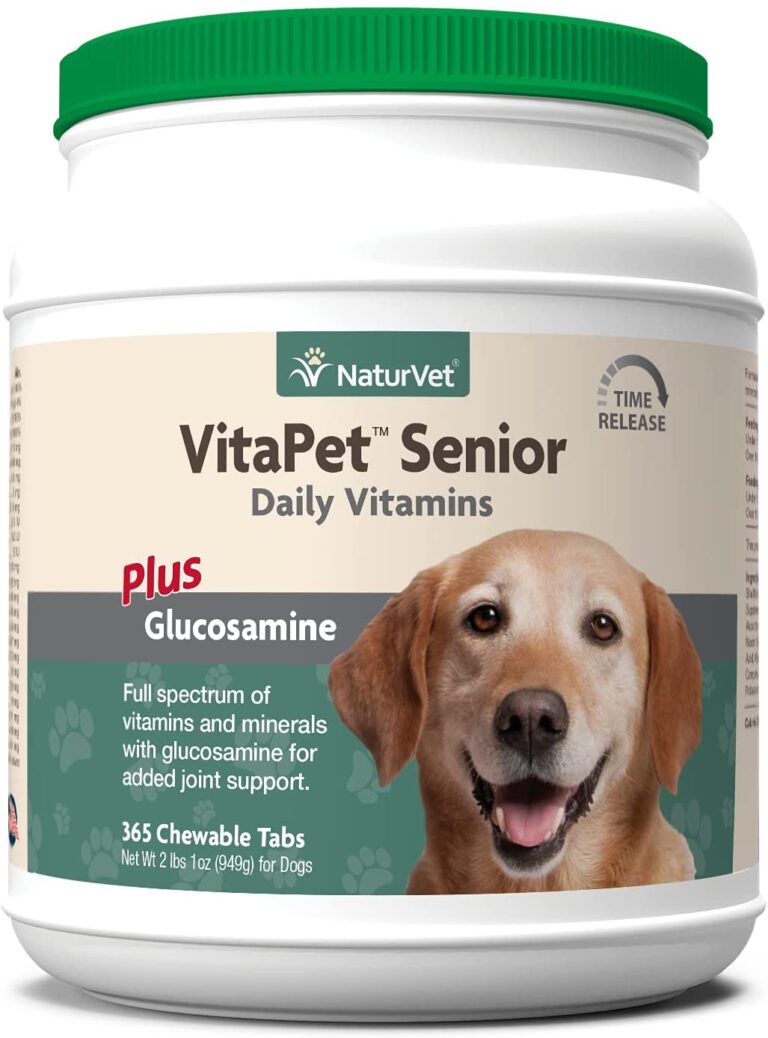
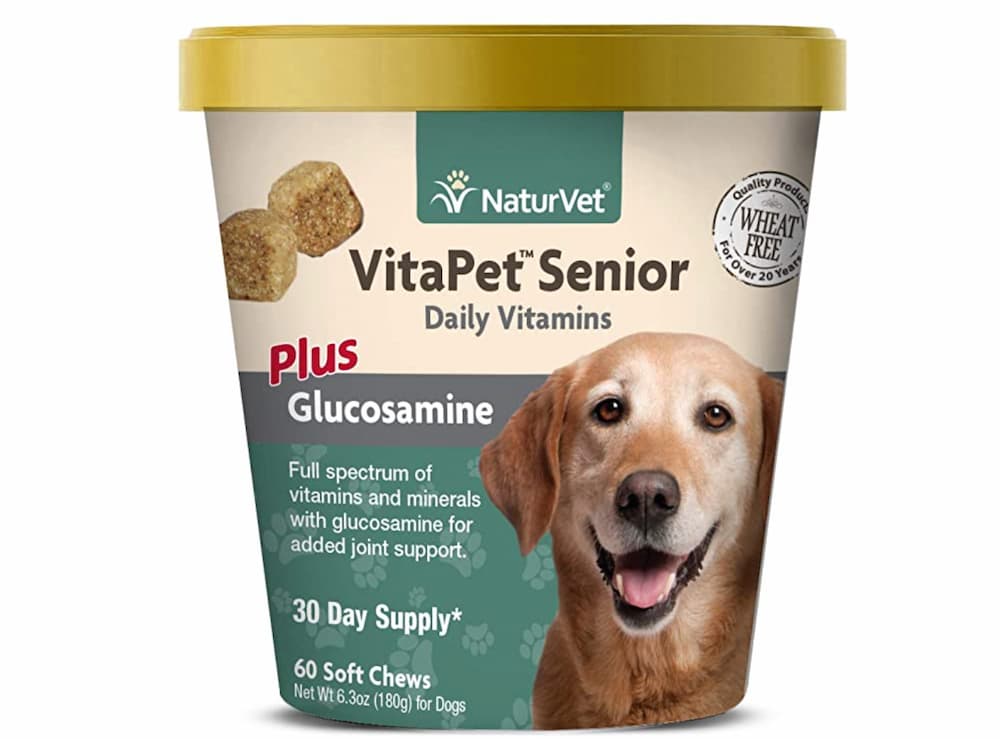
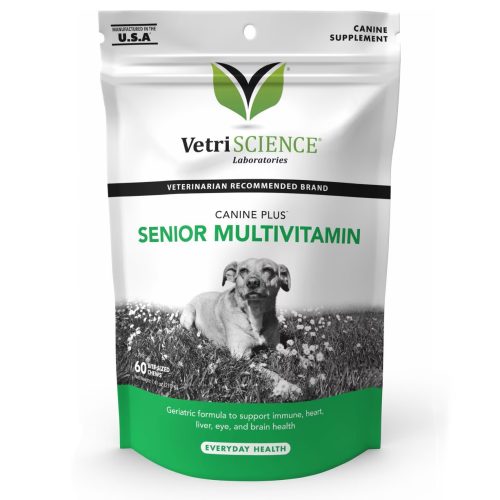
Introducing targeted supplements can be highly beneficial. For joint health, glucosamine and chondroitin are widely recognized for their ability to support cartilage and alleviate discomfort. Omega-3 fatty acids, particularly EPA and DHA from fish oil, are excellent for promoting healthy skin and coat, reducing inflammation, and supporting cognitive and cardiovascular function. Antioxidants like Vitamins C and E, along with selenium, help combat cellular damage from free radicals, boosting immune function and overall vitality. B vitamins are crucial for energy metabolism, nerve function, and red blood cell production, making them vital for maintaining an older dog’s energy levels.
When administering supplements, many are available in palatable chewable forms or can be easily mixed into wet food. Consistency is key to seeing noticeable benefits. Beyond diet, maintaining a routine of gentle, regular exercise helps support muscle tone and joint flexibility, while a stable, comfortable environment can reduce stress, indirectly aiding overall health.
When Professional Help May Be Needed
While the consideration of older dog vitamins is a proactive step, it is crucial to consult with a veterinarian before introducing any new supplements into a senior dog’s regimen. A professional assessment can help identify specific deficiencies, rule out underlying medical conditions that might mimic nutritional issues, and determine the most appropriate dosage and type of vitamins for an individual dog’s health profile.
Veterinary guidance is especially important if a dog has pre-existing health conditions, is on medication, or exhibits severe or persistent symptoms despite dietary adjustments. Regular senior wellness check-ups are also essential, providing an opportunity for blood tests and other diagnostics that can reveal unseen nutritional needs or emerging health concerns. These check-ups allow for personalized recommendations, ensuring that supplementation is both safe and effective, and tailored to support a senior dog’s unique journey through its later years.
Conclusion
The aging process in dogs brings unique challenges and opportunities to enhance their well-being through attentive care. Understanding the importance of older dog vitamins and how they can address the evolving nutritional needs of senior canines is a fundamental aspect of responsible pet ownership. By carefully observing a dog for signs of age-related changes, providing a high-quality diet, and judiciously incorporating targeted supplements under veterinary guidance, caregivers can make a profound positive impact. Proactive nutritional support, alongside regular veterinary care, ensures that senior dogs can continue to enjoy comfortable, active, and fulfilling lives, reaffirming the invaluable bond shared with their human companions.
Pet Care & Wellness Overview Table
| Life Stage | Daily Activity Level | Key Nutrition / Care Focus |
|---|---|---|
| Puppy / Kitten | High (frequent short bursts) | High-protein growth diet & early socialization |
| Adult Companion | Moderate (30–60 mins daily) | Balanced maintenance nutrition & dental hygiene |
| Senior Pets | Low to Gentle (mindful walks) | Joint support (Glucosamine) & routine vet checks |
Images References


For more expert pet care tips and advice, check out our dedicated Dog Nutrition guides to keep your companions healthy and happy.




