
Introduction
Ensuring optimal health for canine companions is a priority for every dedicated dog owner. Among the myriad of nutritional considerations, the role of an omega supplement for dogs has garnered significant attention due to its wide-ranging benefits. These essential fatty acids, not naturally produced by a dog’s body in sufficient amounts, are crucial for maintaining various physiological functions. Understanding what an omega supplement entails and its importance can significantly contribute to a dog’s vitality, helping to improve skin and coat health, support joint function, bolster the immune system, and even enhance cognitive abilities. This article aims to demystify omega supplementation, providing clear, actionable insights into how these vital nutrients can enrich a dog’s well-being and overall quality of life.
💡 Pet Care Key Takeaways:
- Core Focus: Practical health, nutrition, and wellness guidelines for Omega Supplement For Dogs.
- Target Scope: Pet owners, animal caregivers, and veterinary support staff.
- Best Recommendation: Maintain consistent daily routines and consult an accredited veterinarian before introducing major diet or medical changes.
Common Causes and Key Factors
The necessity for an omega supplement for dogs stems from fundamental biological requirements and modern dietary practices. Dogs, like humans, cannot synthesize adequate levels of certain essential fatty acids, particularly Omega-3s such as Eicosapentaenoic Acid (EPA) and Docosahexaenoic Acid (DHA), which must be obtained through diet. For more related activities, check out our “Fortiflora” And “Gut Health”.
A primary factor is the typical canine diet. Many commercial dog foods, while balanced, may not contain sufficient concentrations of Omega-3s, or they may have an imbalanced ratio of Omega-6 to Omega-3 fatty acids. While Omega-6s are also essential, an excess relative to Omega-3s can promote inflammation rather than mitigate it. Plant-based Omega-3 sources like flaxseed oil contain Alpha-Linolenic Acid (ALA), which dogs struggle to convert efficiently into EPA and DHA, highlighting the need for direct sources.
Furthermore, specific health conditions can increase a dog’s need for these beneficial fats. Dogs experiencing chronic inflammation, allergies, dry skin, dull coats, or mobility issues related to arthritis often show marked improvement with targeted omega supplementation. Age is another crucial factor, as senior dogs can particularly benefit from the anti-inflammatory properties of Omega-3s for joint health and cognitive support. Understanding these dietary gaps and physiological demands underscores the rationale behind incorporating an omega supplement into a dog’s routine.
Signs and Symptoms to Observe
Identifying potential signs of essential fatty acid deficiency or recognizing conditions that may benefit from an omega supplement for dogs is key to proactive care. Observational skills allow owners to tailor their dog’s nutritional approach effectively.
One of the most common indicators is related to skin and coat health. A dog with insufficient omega fatty acids might exhibit dry, flaky, or itchy skin, which can lead to excessive scratching and secondary infections. Their coat might appear dull, brittle, or excessively shed, lacking the healthy luster associated with well-nourished animals. These dermatological issues can manifest regardless of a dog’s age or breed, though some breeds with dense coats or predispositions to skin allergies may show symptoms more acutely.
Beyond superficial signs, more subtle indicators can emerge. Reduced mobility or stiffness, particularly noticeable in older dogs or those with a history of joint issues, can suggest a need for the anti-inflammatory properties of Omega-3s. A weakened immune response, leading to more frequent infections or slower recovery times, can also point to a nutritional gap. While less directly observable, some research suggests a link between omega fatty acid intake and cognitive function, with benefits for brain development in puppies and slowing cognitive decline in older dogs. Observing these signs prompts consideration of an appropriate omega supplement for dogs.
Practical Solutions and Management Strategies
Incorporating an omega supplement for dogs into a regular routine requires thoughtful consideration to ensure maximum benefit and safety. The market offers various forms and sources, each with specific characteristics.
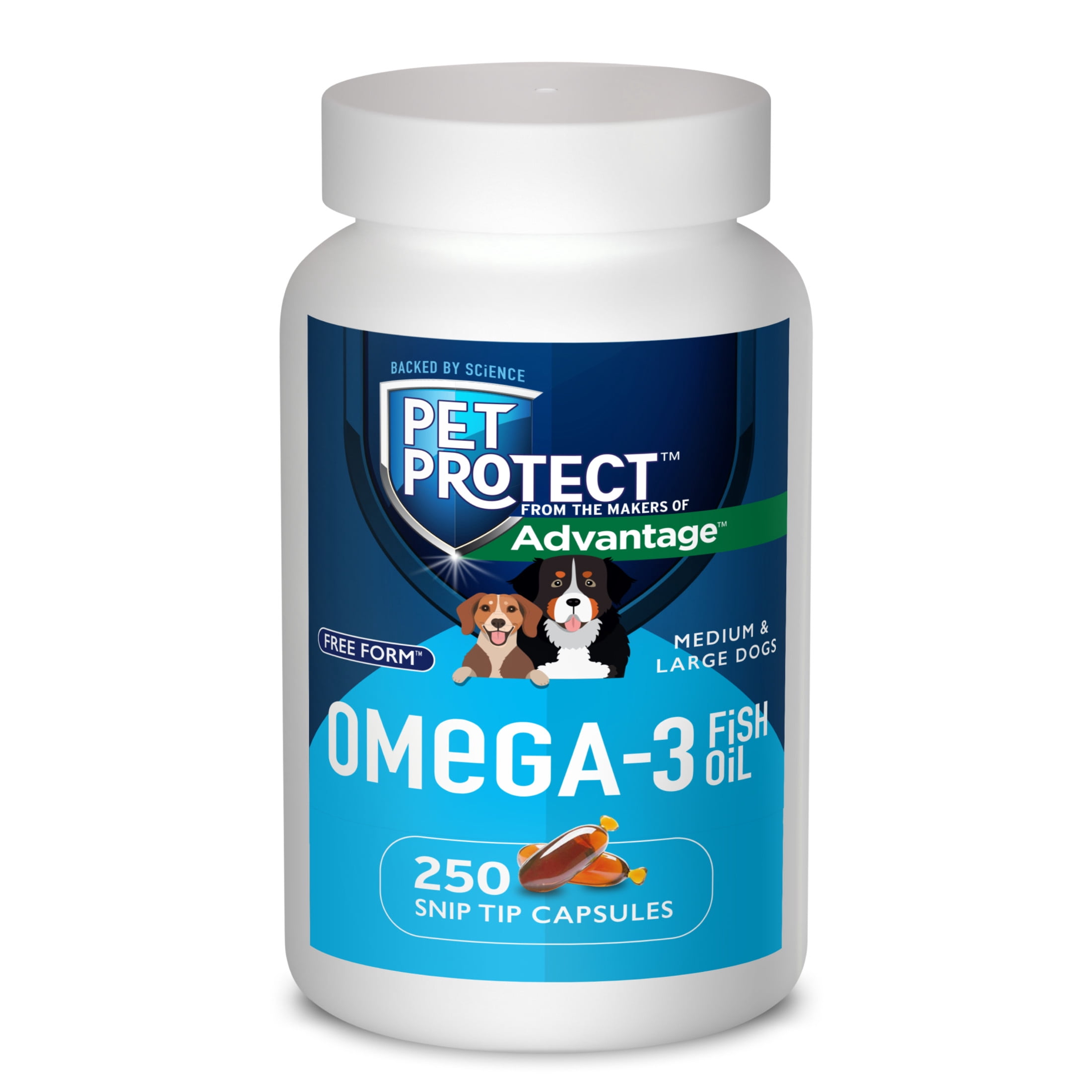
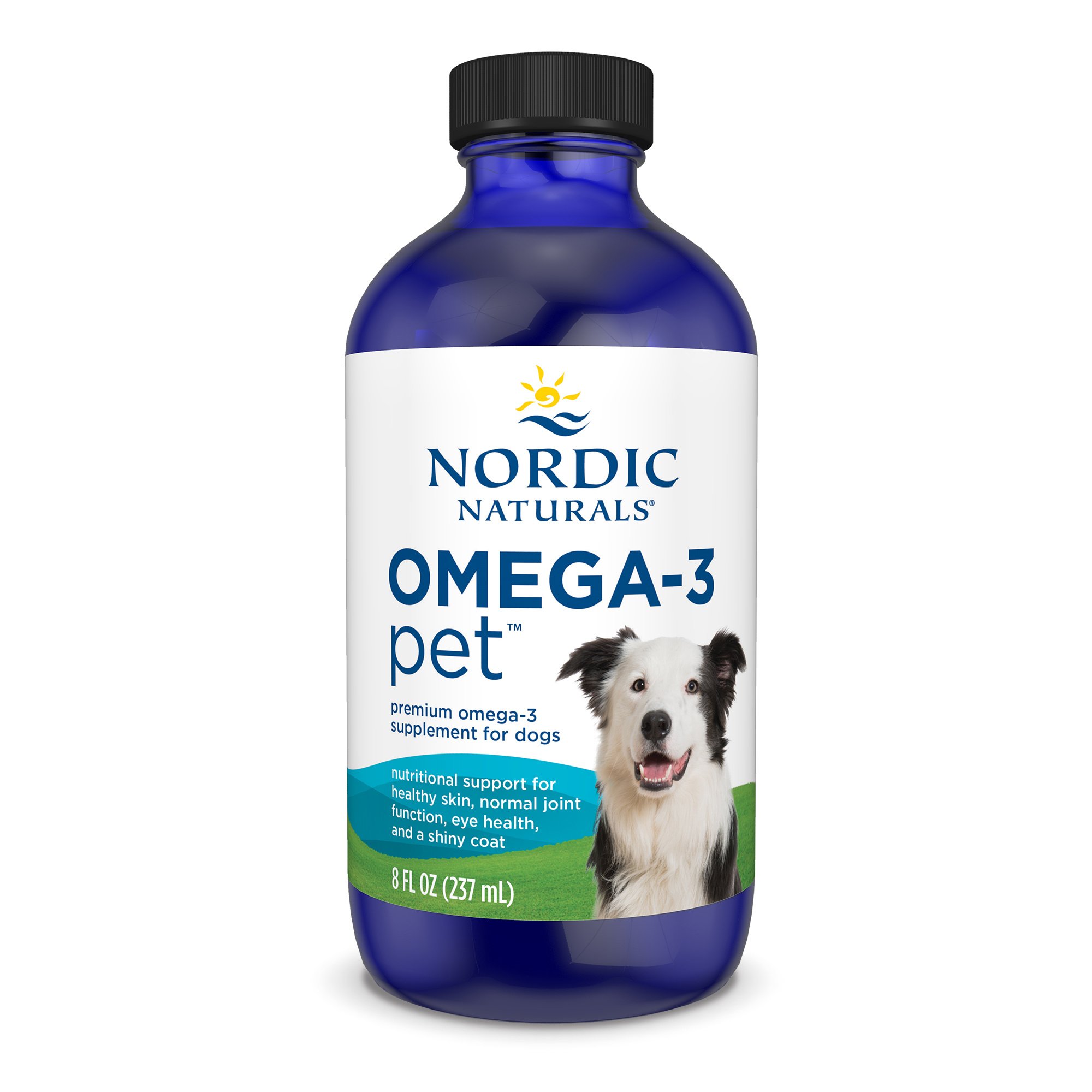
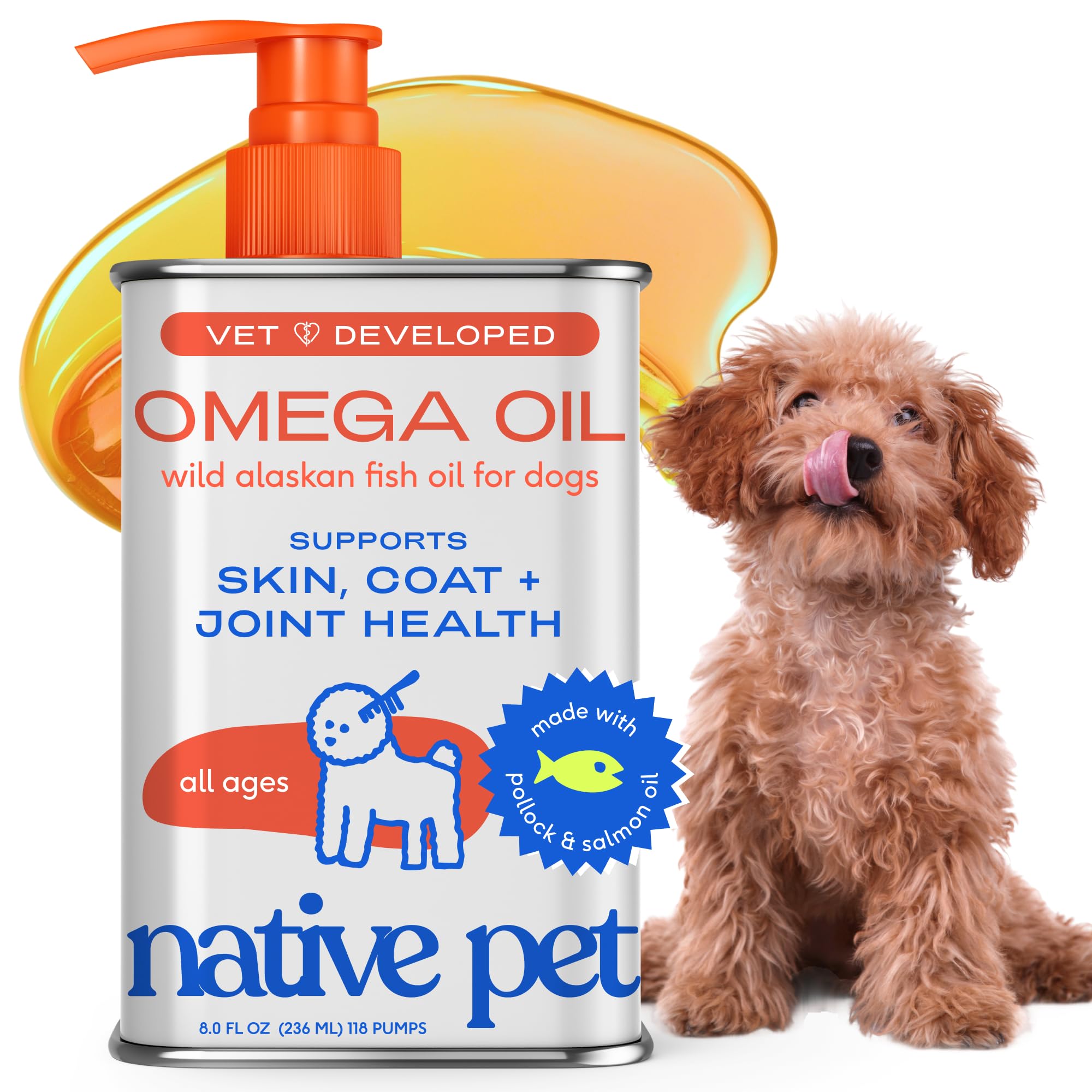
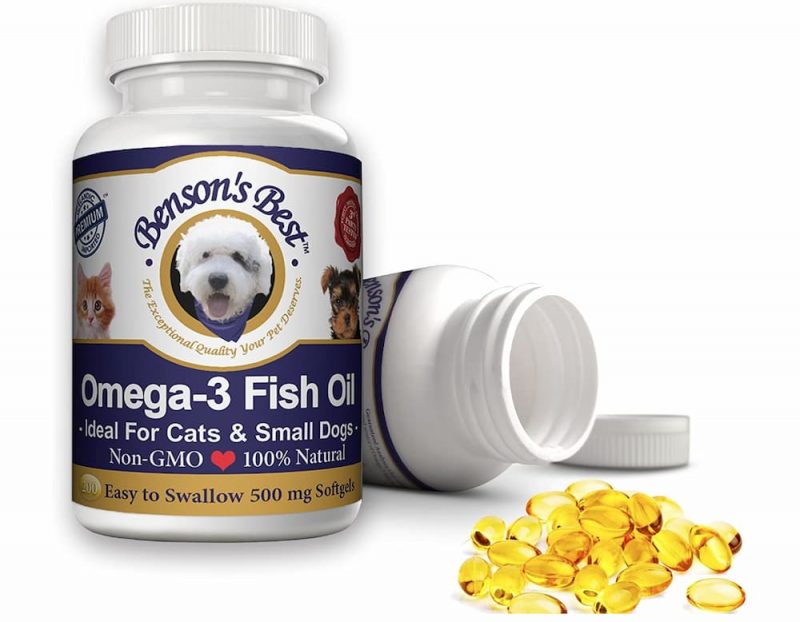
The most common types of omega supplements include fish oil, krill oil, and algal oil. Fish oil, typically sourced from salmon, sardines, or anchovies, is rich in EPA and DHA, the most bioavailable forms of Omega-3. Krill oil offers similar benefits, often with additional antioxidants. For dogs with sensitivities or owners preferring a plant-based option, algal oil provides a direct source of DHA. Flaxseed oil is another plant-based source of Omega-3 (ALA), but its conversion to EPA and DHA in dogs is limited.
When selecting an omega supplement for dogs, prioritizing quality is paramount. Look for products that are third-party tested for purity, potency, and absence of contaminants like heavy metals (mercury) and PCBs. Reputable manufacturers often provide certificates of analysis upon request. Supplement forms include liquid oils, soft gels, and chewable tablets. Liquid oils can be easily mixed into food, while soft gels offer precise dosing.
Dosage is crucial and generally depends on the dog’s weight and specific health needs. It is essential to adhere to manufacturer guidelines or, ideally, veterinary recommendations. Omega supplements should be stored properly, typically refrigerated and protected from light and air, to prevent oxidation, which can diminish their effectiveness and potentially create harmful byproducts. Consistency in administration is key to realizing the full spectrum of benefits from an omega supplement for dogs.
When Professional Help May Be Needed
While an omega supplement for dogs can offer significant health advantages, there are specific circumstances where professional veterinary consultation is not only advisable but essential. Integrating any new supplement into a dog’s diet should ideally begin with a conversation with a veterinarian.
Veterinary guidance is particularly important if a dog has pre-existing health conditions, such as diabetes, pancreatitis, or clotting disorders, as omega fatty acids can interact with certain medications or exacerbate some conditions if not dosed correctly. Dogs already on anti-inflammatory drugs or blood thinners may also require careful monitoring when an omega supplement is introduced. A veterinarian can provide tailored recommendations, ensuring the correct type and dosage of the supplement for a dog’s individual needs and health status.
Furthermore, if observable signs of deficiency like persistent skin issues, severe itching, or chronic joint stiffness do not improve with a quality omega supplement after a reasonable period, or if new, concerning symptoms develop, prompt veterinary attention is warranted. These could indicate underlying conditions that require diagnosis and treatment beyond nutritional supplementation. Ultimately, a veterinarian can help evaluate overall health, rule out other causes for symptoms, and ensure that the chosen omega supplement for dogs contributes positively to their comprehensive care plan.
Conclusion
The thoughtful inclusion of an omega supplement for dogs represents a proactive step in enhancing canine health and well-being. These essential fatty acids play a critical role in supporting a gleaming coat, healthy skin, supple joints, robust immune function, and optimal cognitive sharpness. Understanding the specific needs for these nutrients, recognizing the signs of potential deficiency, and knowing how to select and administer high-quality supplements are vital aspects of responsible pet ownership. While the benefits are clear, the importance of veterinary consultation cannot be overstated, ensuring that any supplementation aligns with a dog’s individual health profile. By prioritizing balanced nutrition and informed choices regarding an omega supplement for dogs, owners empower their beloved companions to live healthier, more vibrant lives.
Pet Care & Wellness Overview Table
| Life Stage | Daily Activity Level | Key Nutrition / Care Focus |
|---|---|---|
| Puppy / Kitten | High (frequent short bursts) | High-protein growth diet & early socialization |
| Adult Companion | Moderate (30–60 mins daily) | Balanced maintenance nutrition & dental hygiene |
| Senior Pets | Low to Gentle (mindful walks) | Joint support (Glucosamine) & routine vet checks |
Images References



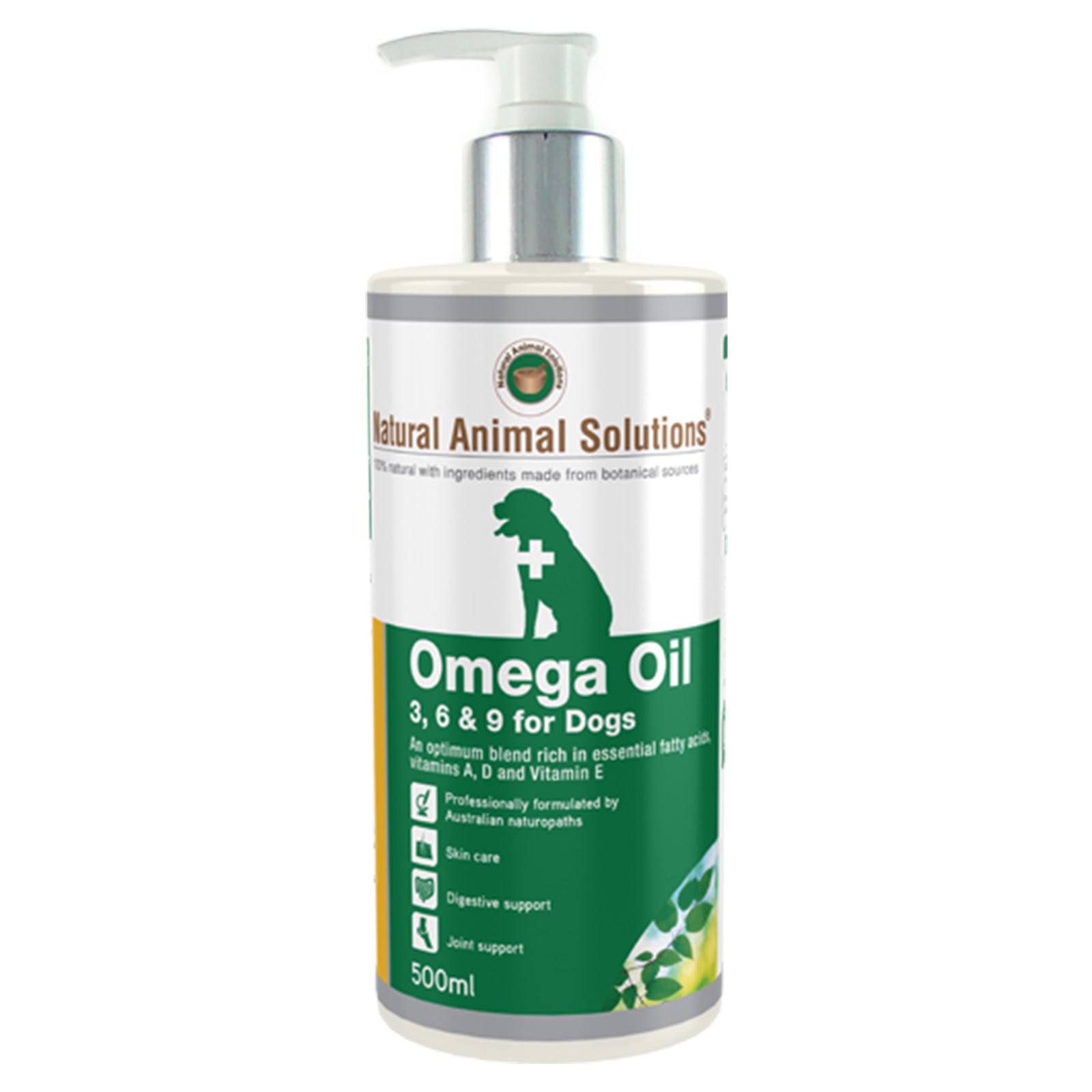

For more expert pet care tips and advice, check out our dedicated Dog Nutrition guides to keep your companions healthy and happy.




