

Introduction
Arthritis, also known as osteoarthritis or degenerative joint disease, is a common and often debilitating condition affecting dogs of all ages, breeds, and sizes. As dogs age, the protective cartilage cushioning their joints can wear down, leading to pain, inflammation, and reduced mobility. While a veterinary diagnosis is always the first step, many dog owners explore options for managing their pet’s discomfort at home. Understanding “over the counter arthritis medicine for dogs” involves recognizing the types of supplements available without a prescription and how they might contribute to a dog’s joint health. This topic is crucial for improving a dogs overall well-being and maintaining their quality of life, especially as they enter their senior years or if they have pre-existing joint conditions. Informed decisions about these products can play a significant role in managing symptoms and supporting joint function.
💡 Pet Care Key Takeaways:
- Core Focus: Practical health, nutrition, and wellness guidelines for Over The Counter Arthritis Medicine For Dogs.
- Target Scope: Pet owners, animal caregivers, and veterinary support staff.
- Best Recommendation: Maintain consistent daily routines and consult an accredited veterinarian before introducing major diet or medical changes.
Common Causes and Key Factors
Several factors contribute to the development of arthritis in dogs, prompting owners to seek various management strategies, including over-the-counter options. The most prevalent cause is age-related wear and tear on joints, as cartilage naturally degrades over time. Genetic predisposition plays a significant role, with certain large and giant breeds such as German Shepherds, Labradors, Golden Retrievers, and Rottweilers being particularly susceptible. Previous injuries, such as fractures, ligament tears, or dislocations, can accelerate degenerative changes in the affected joint. For more related activities, check out our Sick Pug At Veterinarian.
Obesity places undue stress on a dog’s joints, exacerbating existing arthritis or contributing to its development. Poor nutrition, particularly a diet lacking essential nutrients for joint health, can also be a factor. While arthritis is primarily a physical condition, the pain and discomfort it causes can indirectly affect a dog’s emotional state, leading to reduced activity and changes in behavior. Recognizing these underlying causes is essential for a comprehensive approach to managing canine arthritis.
Signs and Symptoms to Observe
Observing a dogs behavior and physical condition is critical for identifying potential signs of arthritis. Early detection allows for timely intervention and management. Common indicators include stiffness, particularly after rest or in the morning, which may manifest as difficulty standing up or a reluctance to move. Dogs with arthritis often exhibit lameness or a noticeable limp, especially after exercise.
Other observable symptoms include a decreased willingness to jump, climb stairs, or engage in usual activities like playing fetch. Dogs might show pain when touched around their joints, or they may become irritable or withdrawn due to chronic discomfort. Muscle atrophy in the affected limbs can occur from disuse, and some dogs may lick or chew excessively at painful joints. The severity and presentation of these signs can vary widely depending on the dog’s age, breed, the progression of the disease, and the specific joints affected. Owners should pay close attention to subtle changes in gait, activity level, and demeanor.
Practical Solutions and Management Strategies
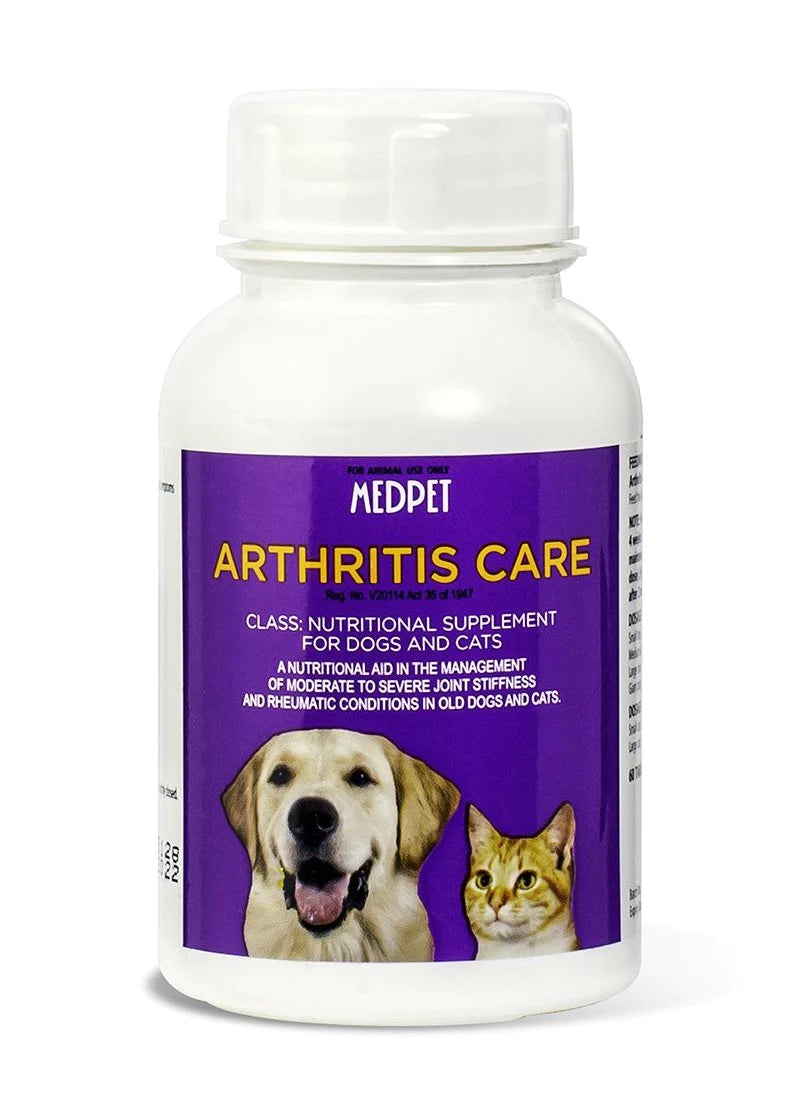
Managing canine arthritis often involves a multi-faceted approach, with over-the-counter (OTC) supplements playing a supportive role. These products are typically not medicines in the pharmaceutical sense but rather dietary supplements aimed at supporting joint health and potentially alleviating some symptoms.
Common OTC ingredients for canine arthritis include glucosamine, chondroitin sulfate, and methylsulfonylmethane (MSM). Glucosamine is thought to help repair and form cartilage, while chondroitin sulfate is believed to promote water retention and elasticity in cartilage. MSM is often included for its purported anti-inflammatory and pain-relieving properties. Omega-3 fatty acids, particularly EPA and DHA found in fish oil, are also popular for their natural anti-inflammatory effects. These supplements are often available in various forms, such as chewable tablets, powders, or liquids.
Beyond supplements, practical management strategies include maintaining a healthy weight to reduce stress on joints. Regular, controlled exercise, such as short, leashed walks or swimming, can help maintain muscle strength and joint flexibility without overexertion. Environmental modifications, such as providing orthopedic dog beds, using ramps for access to furniture or vehicles, and ensuring non-slip flooring, can significantly improve a dog’s comfort and mobility. Dietary adjustments, potentially including foods formulated for joint health, also contribute to overall well-being.
When Professional Help May Be Needed
While over-the-counter supplements can be beneficial as part of a comprehensive arthritis management plan, they are not a substitute for professional veterinary care. A veterinary consultation is always necessary for an accurate diagnosis of arthritis, as other conditions can present with similar symptoms.
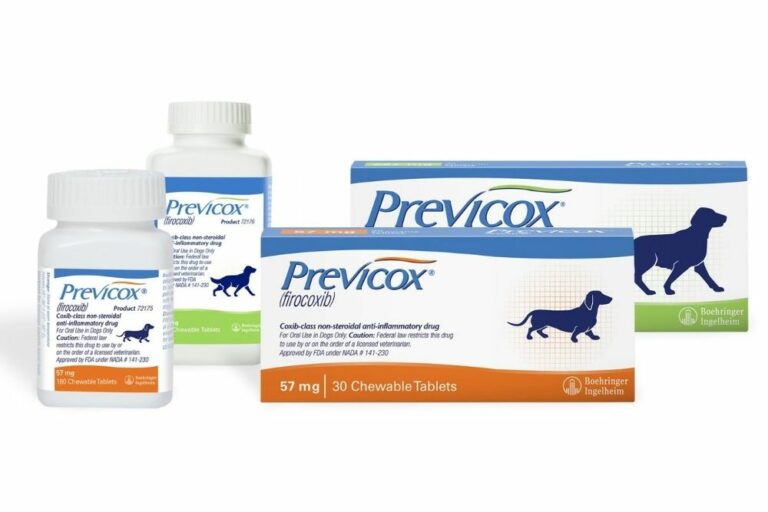
Professional help is strongly advised if a dog exhibits new or worsening signs of pain, lameness, or significant changes in mobility, despite the use of OTC supplements. If a dog shows no improvement or appears to be in increased discomfort, a veterinarian can conduct a thorough examination, including X-rays or other diagnostics, to assess the severity of the arthritis and rule out other underlying issues. Veterinarians can also recommend prescription medications, such as non-steroidal anti-inflammatory drugs (NSAIDs), which are much more potent for pain and inflammation management than most OTC options. Additionally, a vet might suggest other therapies like physical rehabilitation, laser therapy, or injections that can provide more targeted relief. A collaborative approach with a veterinarian ensures the most effective and safest treatment strategy for a dog’s specific needs.
Conclusion
Navigating the landscape of “over the counter arthritis medicine for dogs” requires a combination of informed decision-making and a proactive approach to pet care. Understanding the causes, recognizing the symptoms, and exploring supportive supplements like glucosamine, chondroitin, MSM, and Omega-3s can significantly contribute to managing canine arthritis. However, it is paramount to recognize that these supplements serve as complementary aids, not primary treatments. Consistent observation of a dogs behavior and mobility is essential, alongside maintaining a healthy lifestyle through appropriate weight management and controlled exercise. Ultimately, establishing a strong partnership with a veterinarian ensures that a dog receives the most appropriate diagnosis, treatment plan, and ongoing support for their joint health. Prioritizing a dogs comfort and mobility through a well-rounded strategy underscores a commitment to their long-term well-being and enhances their overall quality of life.
Pet Care & Wellness Overview Table
| Life Stage | Daily Activity Level | Key Nutrition / Care Focus |
|---|---|---|
| Puppy / Kitten | High (frequent short bursts) | High-protein growth diet & early socialization |
| Adult Companion | Moderate (30–60 mins daily) | Balanced maintenance nutrition & dental hygiene |
| Senior Pets | Low to Gentle (mindful walks) | Joint support (Glucosamine) & routine vet checks |
Images References





For more expert pet care tips and advice, check out our dedicated Dog Health guides to keep your companions healthy and happy.


