
Introduction
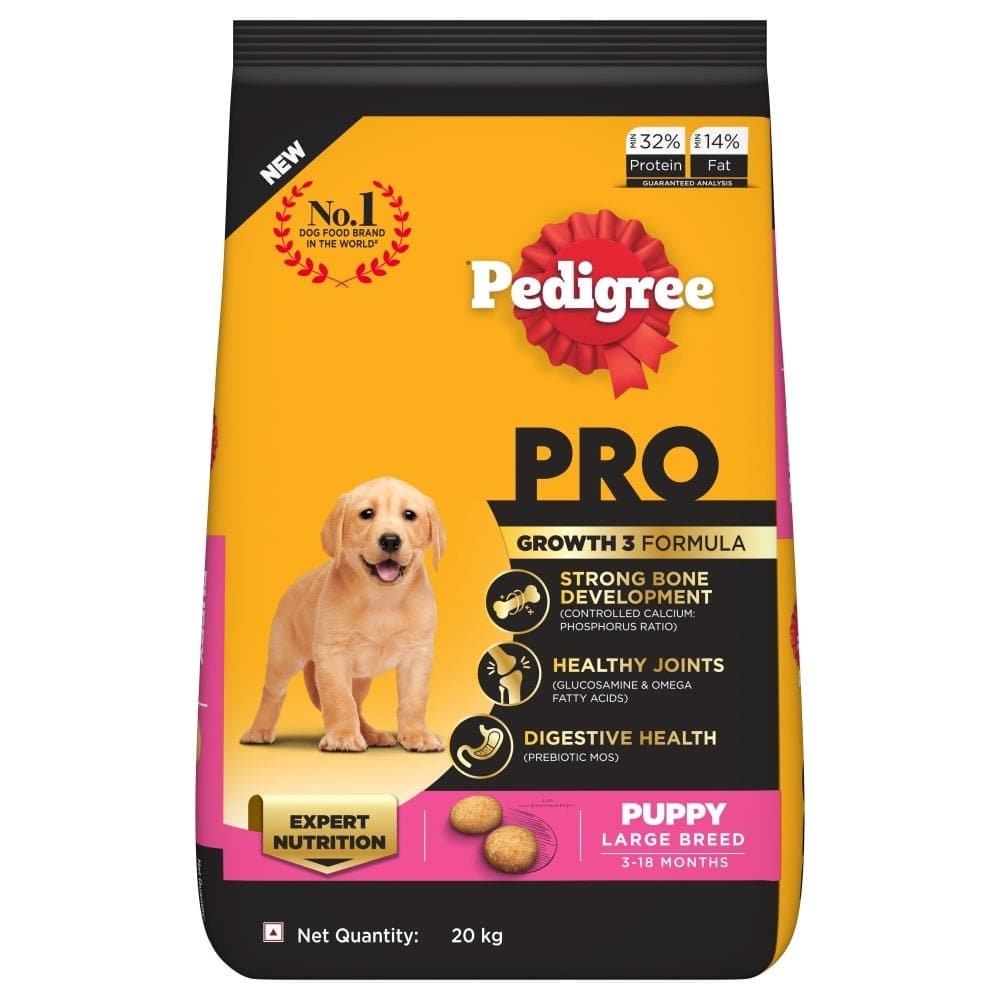
The well-being of a large breed dog hinges significantly on proper nutrition. Unlike their smaller counterparts, large and giant breeds possess unique physiological requirements that demand a specialized dietary approach. Products like Pedigree Pro Large Breed are formulated to address these specific needs, recognizing that a generic diet often falls short in supporting their rapid growth, substantial body weight, and propensity for certain health conditions. Understanding the intricacies of large breed nutrition is paramount for any owner, as the right food choice plays a critical role in fostering healthy development, maintaining vitality throughout adulthood, and promoting a longer, more comfortable life for these magnificent animals. This article explores why tailored nutrition is essential for large breeds and how specific formulations contribute to their overall health.
💡 Pet Care Key Takeaways:
- Core Focus: Practical health, nutrition, and wellness guidelines for Pedigree Pro Large Breed.
- Target Scope: Pet owners, animal caregivers, and veterinary support staff.
- Best Recommendation: Maintain consistent daily routines and consult an accredited veterinarian before introducing major diet or medical changes.
Common Causes and Key Factors
The distinctive nutritional needs of large breed dogs stem from several key physiological factors. One primary consideration is their rapid growth rate during puppyhood. Large breed puppies grow much faster than small breeds, and an imbalanced diet during this critical period can lead to skeletal abnormalities, such as hip and elbow dysplasia. Therefore, a controlled growth rate supported by specific protein, fat, calcium, and phosphorus ratios is crucial.
Another significant factor is the increased strain on their joints due to their greater body mass. Ingredients like glucosamine and chondroitin, often found in large breed formulations, are vital for supporting cartilage health and joint lubrication, potentially mitigating the risk of degenerative joint diseases later in life.
Large breeds also have different energy requirements and metabolic rates. While many might assume they need excessively high-calorie diets, some large breeds can be prone to weight gain if overfed, which further exacerbates joint problems. A balanced energy content, often with moderate fat levels, is necessary to maintain an ideal body condition without promoting obesity.
Digestive health is another area of focus. Large breeds often have a larger digestive tract and can be sensitive to certain ingredients. Prebiotics and probiotics are frequently included in specialized foods to support a healthy gut microbiome, leading to better nutrient absorption and stool quality. Essential fatty acids, such as Omega-3 and Omega-6, are also crucial for maintaining healthy skin and a lustrous coat, reflecting internal well-being. For more related activities, check out our “Fortiflora” And “Gut Health”.
Signs and Symptoms to Observe
Careful observation of a large breed dog’s physical condition and behavior can provide valuable insights into the effectiveness of its diet. When a large breed dog receives appropriate nutrition, several positive signs are commonly observed. These include a healthy, lean body weight proportionate to its frame, a glossy and resilient coat, clear eyes, and consistent energy levels appropriate for its age and activity. Stools should be firm and well-formed, indicating good digestive health. Strong bone development and fluid movement without signs of stiffness are also key indicators of a well-nourished large breed.
Conversely, if a diet is inadequate or inappropriate for a large breed, various negative signs may become apparent. These can include stunted growth or skeletal deformities in puppies, excessive weight gain or loss, a dull or dry coat, and flaky skin. Digestive upsets such as frequent diarrhea or constipation, excessive gas, or vomiting can also signal a dietary mismatch. Lethargy, lack of interest in activities, or signs of joint discomfort such as limping, difficulty standing, or reluctance to move are serious indicators that nutrition may not be adequately supporting their needs. Observing these symptoms prompts a review of the dog’s dietary regimen.
Practical Solutions and Management Strategies
Implementing a specialized diet like Pedigree Pro Large Breed requires thoughtful management to maximize its benefits. The first crucial step involves a gradual transition to the new food over a period of 7-10 days. This involves mixing increasing proportions of the new food with decreasing amounts of the old food, preventing digestive upset.
Portion control is paramount for large breeds. Following the feeding guidelines provided on the food packaging is essential, but these are merely starting points. A dog’s individual metabolism, activity level, and environmental factors dictate precise caloric needs. Regular body condition scoring feeling the ribs and observing the waistline helps determine if adjustments to feeding amounts are necessary to maintain an ideal weight.
Establishing a consistent feeding schedule, typically two meals per day for adult large breeds, helps regulate digestion and metabolism. Ensuring constant access to fresh, clean water is also fundamental, as hydration plays a vital role in nutrient absorption and overall bodily functions.
Proper storage of the dog food is also critical. Keeping it in an airtight container in a cool, dry place preserves freshness and prevents contamination. While specialized large breed foods are formulated to be complete and balanced, any consideration for additional supplements should always be discussed with a veterinary professional, as over-supplementation can be detrimental. Regular exercise, appropriate for the dog’s age and breed, complements a healthy diet by supporting muscle tone, joint health, and mental well-being.
When Professional Help May Be Needed
While diligent observation and appropriate dietary choices address many canine health needs, there are specific situations where professional veterinary consultation becomes indispensable. Persistent digestive issues, such as chronic vomiting or diarrhea that do not resolve with dietary changes, warrant immediate veterinary attention. Sudden or unexplained weight loss or gain, lethargy, or a significant change in behavior could indicate underlying health problems unrelated to food, or a severe dietary imbalance that needs professional assessment.
Any signs of lameness, difficulty moving, or persistent pain, especially in large breeds prone to joint conditions, necessitate a veterinary examination. These symptoms could indicate progression of conditions like hip or elbow dysplasia, requiring medical or surgical intervention in addition to dietary management. Allergic reactions to food, presenting as skin irritation, ear infections, or chronic itching, also require a veterinarian’s diagnosis and guidance for an elimination diet or alternative food choices. When managing a large breed dog with pre-existing health conditions like diabetes, kidney disease, or heart conditions, a veterinarian’s expertise is crucial for formulating a personalized dietary plan that supports both the condition and the breed-specific nutritional needs.
Conclusion
The commitment to providing a large breed dog with appropriate, specialized nutrition is a cornerstone of responsible pet ownership. Understanding the unique physiological demands of these impressive animals, from their rapid growth as puppies to the long-term health of their joints and organs, empowers owners to make informed dietary decisions. Products like Pedigree Pro Large Breed offer tailored formulations designed to meet these needs, but their effectiveness is maximized through consistent observation, careful portion control, and a proactive approach to their overall care. By prioritizing a specialized diet and remaining vigilant for any signs of dietary imbalance or health concerns, owners significantly contribute to their large dog’s vitality, comfort, and longevity, ensuring a happy and healthy life for their cherished companion.
Pet Care & Wellness Overview Table
| Life Stage | Daily Activity Level | Key Nutrition / Care Focus |
|---|---|---|
| Puppy / Kitten | High (frequent short bursts) | High-protein growth diet & early socialization |
| Adult Companion | Moderate (30–60 mins daily) | Balanced maintenance nutrition & dental hygiene |
| Senior Pets | Low to Gentle (mindful walks) | Joint support (Glucosamine) & routine vet checks |
Images References
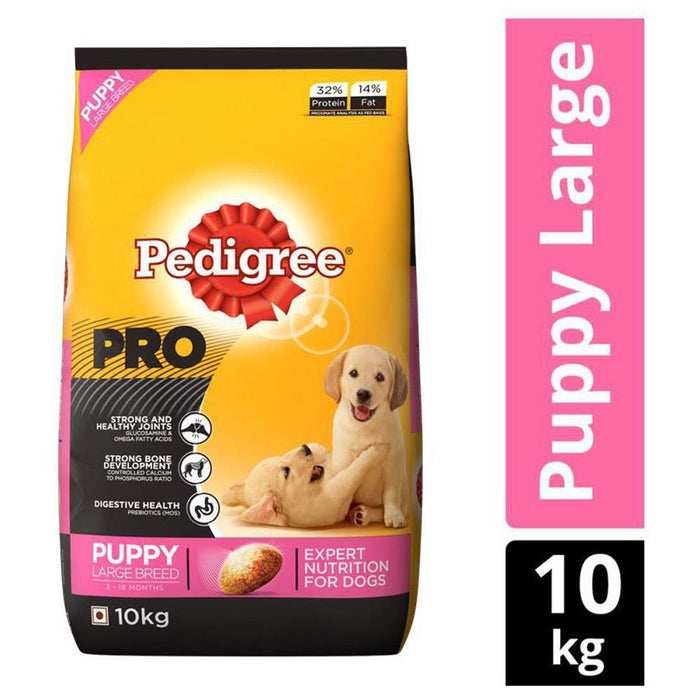


For more expert pet care tips and advice, check out our dedicated Dog Nutrition guides to keep your companions healthy and happy.




