
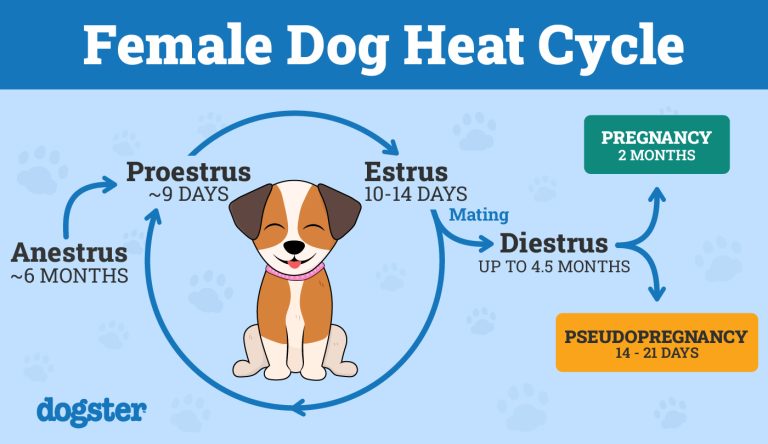
Understanding the nuances of pit bull females behavior when in heat is essential for maintaining canine harmony and safety during reproductive cycles.
According to the American Society for the Prevention of Cruelty to Animals (ASPCA), female dogs typically experience their first estrus cycle between six and twelve months of age, though larger-framed breeds may develop slightly later. Recognizing the physical and psychological shifts that occur during this time requires patience, keen observation, and a solid understanding of canine reproductive biology. Estrus, commonly referred to as being “in heat,” is the phase of the canine reproductive cycle where a female becomes receptive to males and capable of conceiving. For guardians of American Pit Bull Terriers and related bully breeds, these weeks bring specific challenges rooted in the breed’s natural tenacity, high energy levels, and muscular build. Observing a female pit bull pacing near a doorway with unusual restlessness is often the first tangible clue that a hormonal shift has begun, highlighting the need for proactive canine management.
💡 Pet Care Key Takeaways:
- Core Focus: Practical health, nutrition, and wellness guidelines for Pit Bull Females Behavior When In Heat.
- Target Scope: Pet owners, animal caregivers, and veterinary support staff.
- Best Recommendation: Maintain consistent daily routines and consult an accredited veterinarian before introducing major diet or medical changes.
Pit bull females behavior when in heat encompasses a distinct series of physiological and psychological changes driven by fluctuating hormones like estrogen and progesterone.
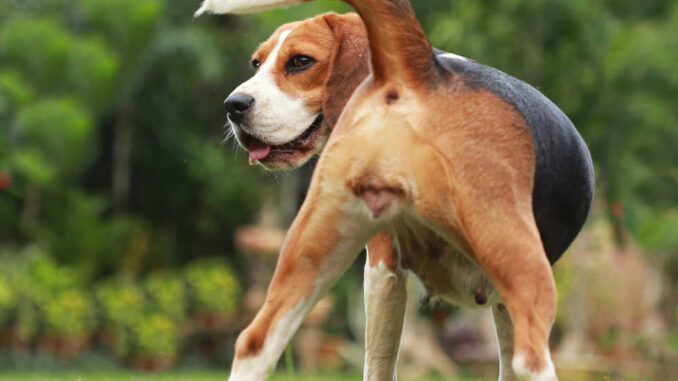
During the estrus phase, a female dog undergoes profound hormonal surges that alter her typical demeanor, energy levels, and interactions with both humans and other animals. Dog owners frequently report sudden clinginess, excessive nesting habits, or uncharacteristic irritability as estrogen peaks before ovulation. Physically, vulvar swelling and a bloody or straw-colored discharge mark the onset of proestrus, transitioning into true heat when the discharge lightens and the female actively seeks out male attention. In practical clinical practice, a muscular female pit bull might display a posture called “flagging”—deviating her tail to the side and rigidly standing to welcome male advances. These instinctual drives are entirely normal parts of the canine lifecycle, yet they demand careful supervision to prevent accidental litters and manage behavioral volatility safely.
Managing the physical and behavioral turbulence of an estrus cycle requires a blend of environmental control, sanitary adjustments, and compassionate handling.
Navigating this delicate window successfully impacts both the household environment and the physical comfort of the dog, as shifting hormones can make female pit bulls prone to stress and vulnerability. Exercise routines must transition from open dog parks to secure, private walks on a sturdy leash, because roaming instincts amplify drastically under the influence of pheromones. Furthermore, indoor management involves utilizing canine heat pants or designating easy-to-clean flooring areas to handle the biological discharge gracefully without causing distress to the animal. In many cases, consulting a certified professional specializing in Dog Behavior can provide tailored strategies for keeping a high-energy bully breed calm and mentally stimulated while restricted from outdoor social outlets. Hormonal surges can also disrupt sleep patterns, causing pacing and whining late into the night, which tests the patience of even the most dedicated pet parents.
Unspayed female dogs experience hormonal fluctuations twice a year on average, though smaller breeds may cycle more frequently while giant breeds may cycle less often. — American Kennel Club (AKC)
Implementing structured routines and avoiding common reactive mistakes will ensure a smoother, safer estrus cycle for everyone in the home.
Establishing clear boundaries while offering gentle reassurance helps mitigate the anxiety that frequently accompanies hormonal peaks in powerful athletic breeds. A common mistake is allowing unspayed females off-leash in unfenced areas under the assumption that a reliable recall command will override biological imperatives; however, the drive to mate often overrides obedience training entirely. Instead, prioritize double-gating entryways and reinforcing indoor enrichment with puzzle toys to channel that restless energy constructively. Guidance on proper nutrition and daily wellness can be explored further through trusted resources dedicated to comprehensive Dog Care. Maintaining a calm, predictable household atmosphere acts as an anchor for a female dog whose internal chemistry is fluctuating wildly.
Strategic practices and environmental adjustments create a secure sanctuary during your dog’s vulnerable reproductive phase.
Attention to detail regarding yard security is paramount, as determined male dogs can scale fences, dig underneath barriers, or damage screens to reach a female in heat. Owners should never underestimate the athleticism and persistence of a canine driven by scent markers and reproductive hormones. Utilizing durable indoor crates or designated dog-proof rooms whenever supervision lapses prevents unexpected patio or window breaches. Transitioning meals to interactive puzzle feeders also helps burn mental energy, keeping the dog focused and relaxed indoors when vigorous outdoor runs are restricted for safety. Consistency in daily handling routines reassures the animal that her environment remains safe and predictable despite her internal physical changes.
Spaying a female dog before her first heat cycle significantly reduces the lifetime risk of developing mammary tumors and completely eliminates the risk of a life-threatening uterine infection known as pyometra. — American Veterinary Medical Association (AVMA)
Pet Care & Wellness Overview Table
| Life Stage | Daily Activity Level | Key Nutrition / Care Focus |
|---|---|---|
| Puppy / Kitten | High (frequent short bursts) | High-protein growth diet & early socialization |
| Adult Companion | Moderate (30–60 mins daily) | Balanced maintenance nutrition & dental hygiene |
| Senior Pets | Low to Gentle (mindful walks) | Joint support (Glucosamine) & routine vet checks |
Images References




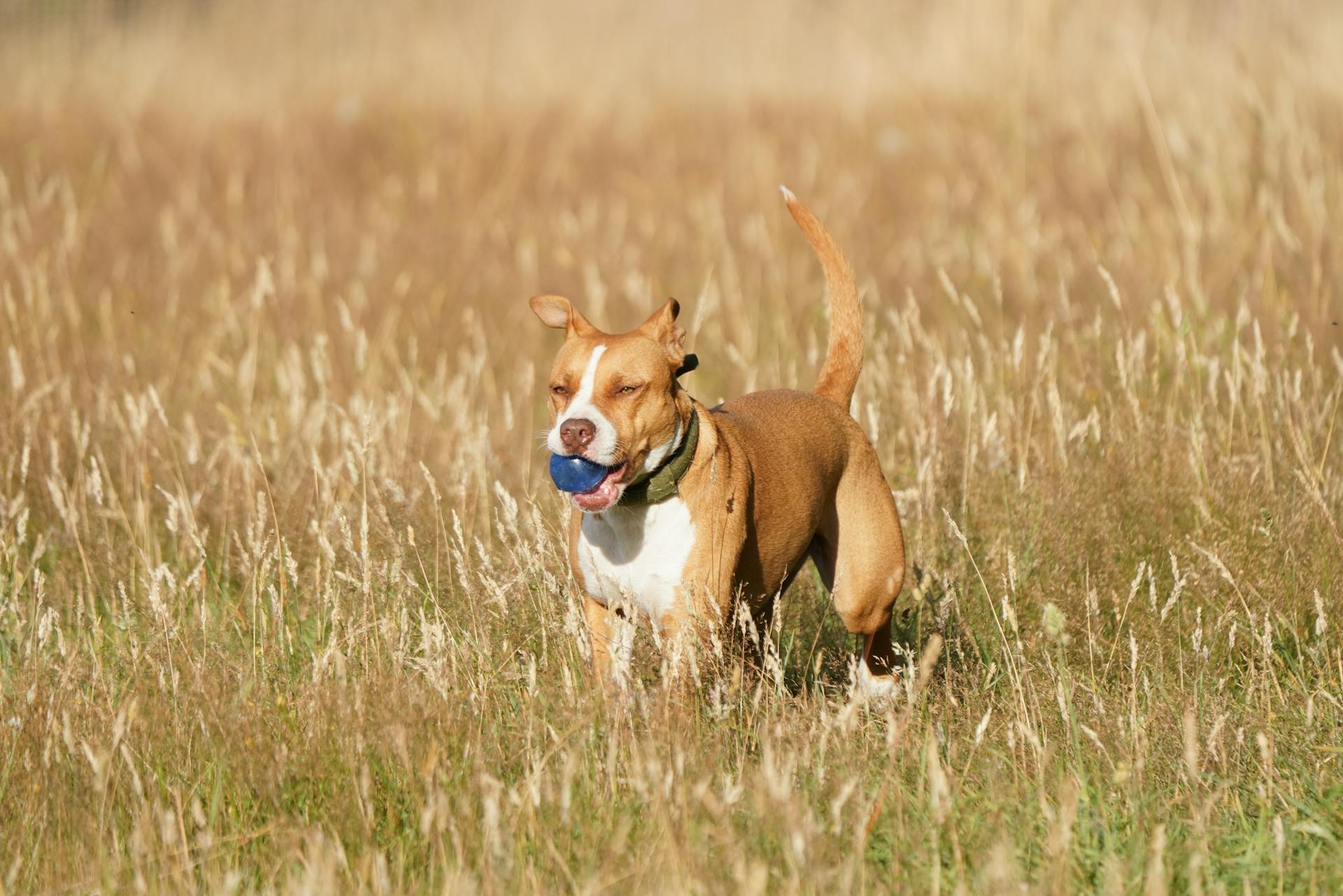
Breed-specific traits such as loyalty, high drive, and physical strength mean that pit bull heat cycles require extra vigilance compared to more docile companion breeds.
The unique genetic makeup of American Pit Bull Terriers combines high pain tolerance, intense focus, and robust muscular power, which amplifies the safety requirements during estrus. When a female pit bull becomes fixated on escaping the yard or reacting defensively to other household pets, her physical strength makes containment more challenging than it would be with a smaller breed. Enthusiasts of the bully group often benefit from reviewing breed-specific literature found within specialized guides on Dog Breeds to better anticipate these intense behavioral phases. Social dynamics within a multi-dog household can shift overnight, as other resident dogs—both male and female—may act unpredictably toward the cycling female, necessitating strict separation protocols.
While a normal heat cycle is a natural physiological event, certain warning signs require prompt veterinary intervention to safeguard the dog’s long-term health and wellness. Symptoms such as lethargy, loss of appetite, excessive abdominal swelling, or a foul-smelling vaginal discharge can indicate pyometra, a severe and potentially fatal uterine infection that demands emergency medical care. Partnering with a trusted veterinary clinic ensures that nutritional needs are met, as detailed in expert resources covering Dog Nutrition, and provides a clear timeline for permanent sterilization procedures. For ongoing health management and preventative milestones, consulting licensed professionals remains the gold standard of responsible pet ownership.
Guiding an athletic and sensitive breed through estrus requires dedication, environmental awareness, and a commitment to preventive veterinary medicine. By staying informed about the biological markers of the heat cycle and implementing strict safety measures, guardians can protect their pets from accidental pregnancies and dangerous roaming incidents. Exploring additional insights across PetsAnimalsWorld.com helps pet parents build a well-rounded foundation of knowledge for every stage of a dog’s life. Embrace these moments with patience, knowing that proactive management leads to a healthier, happier life for your cherished companion.




