

Introduction
Maintaining optimal health for a canine companion often involves understanding complex aspects of their biology, with gut health standing out as a cornerstone of overall well-being. Within this crucial area, the roles of prebiotics and probiotics for dogs have garnered significant attention from pet owners and veterinary professionals alike. Prebiotics are specialized plant fibers that act as food for the beneficial bacteria already residing in a dog’s gut. Probiotics, conversely, are live beneficial microorganisms, similar to those naturally found in a healthy digestive tract, which can be introduced to support gut flora balance. Understanding these components is vital because a robust and balanced gut microbiome is intrinsically linked to a dog’s digestion, immune function, mood, and even skin health. When the delicate balance of the gut is disrupted, various health issues can arise, making the strategic incorporation of prebiotics and probiotics a proactive measure to enhance a dogs vitality and quality of life.
💡 Pet Care Key Takeaways:
- Core Focus: Practical health, nutrition, and wellness guidelines for Prebiotics And Probiotics For Dogs.
- Target Scope: Pet owners, animal caregivers, and veterinary support staff.
- Best Recommendation: Maintain consistent daily routines and consult an accredited veterinarian before introducing major diet or medical changes.
Common Causes and Key Factors
The intricate ecosystem within a dog’s gut, known as the microbiome, is susceptible to various disruptions. Several common factors can compromise the balance of beneficial bacteria, thereby impacting a dog’s digestive and overall health. For more related activities, check out our Signs Of A Deaf Dog Behavior Problems And Solutions.
Dietary Changes and Quality: Abrupt changes in diet, consumption of low-quality dog foods containing artificial ingredients, or foods with insufficient fiber can negatively impact gut flora. A diet lacking in appropriate nutrients or containing allergens can lead to an imbalance, reducing the population of beneficial bacteria and allowing harmful microbes to proliferate.
Stress and Environmental Factors: Dogs can experience stress from various sources, including moving to a new home, travel, boarding, vet visits, or the introduction of new pets or family members. Stress triggers physiological responses that can alter gut motility and compromise the gut barrier, leading to dysbiosis, an imbalance in the microbial community.
Antibiotic Use: While essential for treating bacterial infections, antibiotics do not discriminate between harmful and beneficial bacteria. A course of antibiotics can significantly deplete the beneficial bacteria in a dog’s gut, creating a microbial void that can take time to replenish naturally and leaving the gut vulnerable to opportunistic pathogens.
Age and Underlying Health Conditions: Puppies, with their developing immune systems, and senior dogs, whose digestive systems may be less efficient, can be particularly vulnerable to gut imbalances. Furthermore, chronic health conditions such as inflammatory bowel disease, allergies, pancreatitis, or even parasitic infections can profoundly affect the gut microbiome’s integrity and function.
Environmental Toxins and Contaminants: Exposure to certain chemicals, pesticides, or even contaminated water sources can introduce toxins that irritate the digestive tract and disrupt the delicate balance of gut bacteria, further contributing to dysbiosis.
Signs and Symptoms to Observe
Observing a dog for signs that indicate a compromised gut microbiome or digestive distress is an essential aspect of responsible pet ownership. These indicators can vary in intensity and manifestation, often providing clues about the dog’s internal state.
Digestive Upset: Perhaps the most direct signs are related to digestion. These include frequent episodes of diarrhea, loose stools, or constipation. Excessive flatulence, gurgling stomach noises, vomiting, or a noticeable decrease in appetite are also strong indicators. The consistency and color of stools can offer further insights, with very pale or unusually dark stools, or the presence of mucus or blood, warranting particular attention.
Skin and Coat Issues: A dog’s skin and coat health are often a reflection of internal well-being. Signs such as a dull or brittle coat, excessive shedding, dry or flaky skin, chronic itching, or the development of hot spots or recurrent skin infections can be linked to an unhealthy gut microbiome.
Immune System Weakness: A significant portion of a dog’s immune system resides in the gut. Consequently, frequent infections, allergies (environmental or food-related), or a general susceptibility to illness can suggest an imbalanced gut flora.
Behavioral Changes and Energy Levels: Dogs with digestive discomfort may exhibit changes in behavior. This could manifest as lethargy, a reluctance to play, increased irritability, or even anxiety. Persistent bad breath, despite good oral hygiene, can also be a subtle indicator of underlying digestive issues. These signs can vary based on the dogs age, breed, and overall environment, necessitating careful and consistent observation by pet owners.
Practical Solutions and Management Strategies
Addressing a dog’s gut health through the judicious use of prebiotics and probiotics often involves a multi-faceted approach, combining dietary adjustments with thoughtful supplementation. Implementing these strategies systematically can significantly improve a dog’s digestive comfort and overall vitality.
Dietary Optimization: The foundation of gut health lies in a high-quality, balanced diet. Choosing dog food made with whole, recognizable ingredients, free from excessive fillers, artificial colors, and preservatives, is paramount. Ensuring an adequate fiber content in the diet is crucial, as fiber serves as a natural prebiotic. Foods such as pumpkin, sweet potato, oats, and chicory root are excellent natural sources of prebiotics and can be incorporated into a dogs diet in appropriate amounts, either through their regular food or as healthy treats. Gradual transitions when changing dog food are also essential to allow the digestive system to adapt without disruption.
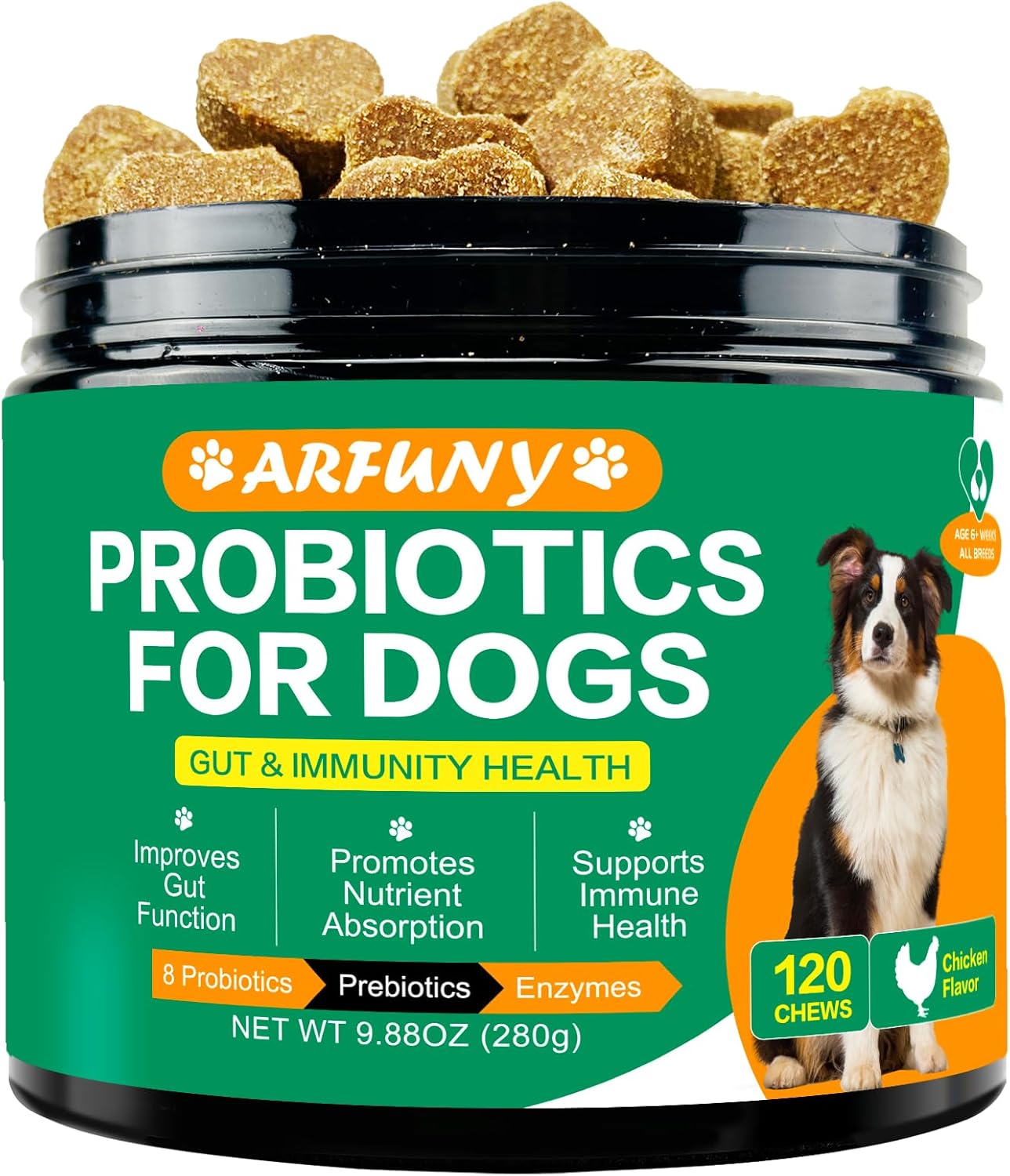
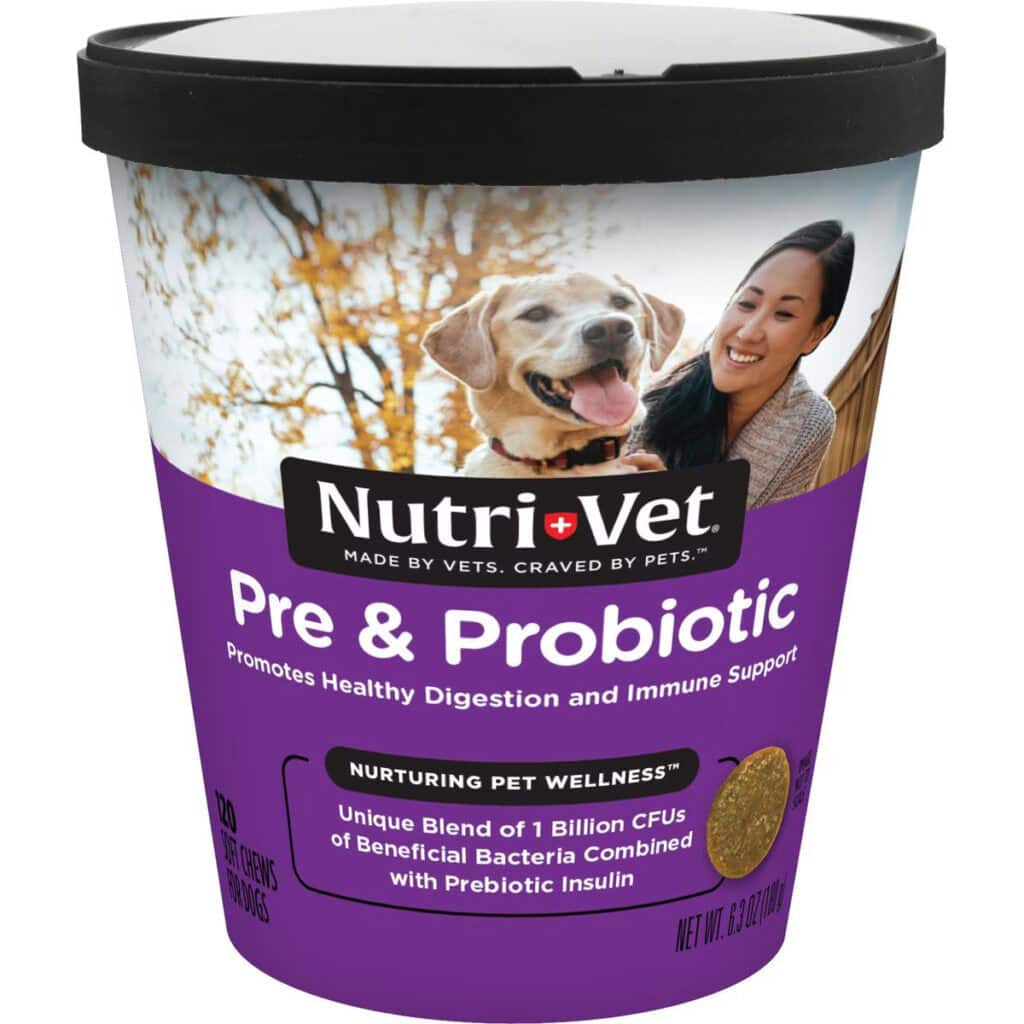
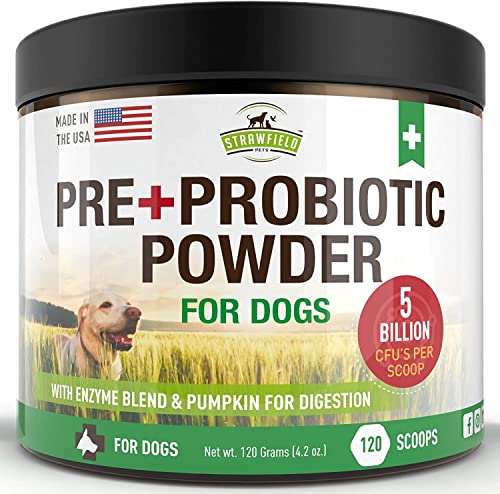
Strategic Supplementation with Probiotics: Probiotic supplements introduce beneficial bacteria directly into the gut. Selecting a reputable probiotic product specifically formulated for dogs is critical. Key considerations include the variety of bacterial strains (e.g., Lactobacillus, Bifidobacterium species), the number of colony-forming units (CFUs), and the absence of unnecessary fillers. Probiotics can be particularly beneficial during periods of stress, after antibiotic treatment, or for dogs prone to digestive sensitivities. They are typically administered daily, either mixed with food or given directly as a chew or capsule.
Combining Prebiotics and Probiotics: For a more comprehensive approach, combining prebiotics and probiotics can be highly effective. Prebiotics nourish the existing beneficial bacteria and the newly introduced probiotic strains, creating a more fertile environment for their growth and activity. Many commercial supplements now offer a synergistic blend of both, often referred to as “synbiotics.”
Lifestyle and Environmental Management: Reducing stress in a dog’s environment contributes significantly to gut health. Establishing a consistent routine, providing regular exercise, and ensuring a calm living space can mitigate stress-induced digestive issues. Limiting exposure to environmental toxins and ensuring access to clean, fresh water also supports a healthy digestive system.
When Professional Help May Be Needed
While many digestive upsets can be managed with dietary adjustments and appropriate supplementation, there are specific situations where veterinary consultation becomes indispensable. Recognizing these indicators ensures that a dog receives timely and accurate medical attention, preventing the escalation of potentially serious conditions.
Persistent or Worsening Symptoms: If digestive issues such as diarrhea, vomiting, or constipation persist for more than 24-48 hours, or if they worsen despite initial home care efforts, professional evaluation is warranted. Prolonged symptoms can lead to dehydration and nutrient deficiencies, which require immediate medical intervention.
Severe Symptoms: The presence of blood in vomit or stool, severe abdominal pain (indicated by reluctance to be touched, hunched posture), extreme lethargy, or signs of significant dehydration (sunken eyes, dry gums, loss of skin elasticity) are emergencies requiring immediate veterinary attention.
Lack of Improvement: If a dog’s condition does not improve after a few days of attempting dietary changes or introducing over-the-counter prebiotics and probiotics, it suggests that the underlying issue may be more complex than a simple microbial imbalance. A veterinarian can conduct diagnostic tests to identify specific pathogens, allergies, or underlying medical conditions.
Guidance on Specific Needs: For dogs with chronic health conditions like inflammatory bowel disease, severe allergies, or those undergoing long-term medication, a veterinarian can provide tailored advice on the most appropriate types and dosages of prebiotics and probiotics. They can also recommend specific strains that have been clinically proven beneficial for particular conditions, ensuring the most effective and safest approach for the individual animal.
Conclusion
The intricate relationship between a dog’s gut microbiome and its overall health cannot be overstated. Understanding the fundamental roles of prebiotics and probiotics for dogs empowers pet owners to take proactive steps in nurturing their canine companions well-being. From aiding digestion and bolstering the immune system to influencing mood and skin health, a balanced gut contributes significantly to a dogs quality of life. Consistent observation of a dog’s behavior and physical signs, coupled with informed dietary choices and appropriate supplementation, forms the cornerstone of effective gut health management. While incorporating prebiotics and probiotics can yield substantial benefits, a responsible approach always includes seeking professional veterinary guidance when concerns arise or symptoms persist. Prioritizing a healthy gut is a testament to dedicated pet care, helping dogs thrive and enjoy a vibrant, fulfilling life.
Pet Care & Wellness Overview Table
| Life Stage | Daily Activity Level | Key Nutrition / Care Focus |
|---|---|---|
| Puppy / Kitten | High (frequent short bursts) | High-protein growth diet & early socialization |
| Adult Companion | Moderate (30–60 mins daily) | Balanced maintenance nutrition & dental hygiene |
| Senior Pets | Low to Gentle (mindful walks) | Joint support (Glucosamine) & routine vet checks |
Images References



For more expert pet care tips and advice, check out our dedicated Dog Health guides to keep your companions healthy and happy.




