

Introduction
Observing a beloved canine companion experience digestive upset, specifically diarrhea, can be a distressing situation for any dog owner. Diarrhea, characterized by loose, watery stools, is a common ailment in dogs and can stem from various causes, ranging from dietary indiscretion to more serious underlying health conditions. Understanding supportive measures for gut health is crucial for a dog’s recovery and overall well-being. One such measure gaining significant attention in veterinary circles and among pet owners is the use of probiotics for dogs with diarrhea. These beneficial microorganisms play a vital role in maintaining a healthy gut microbiome, which is essential for proper digestion, nutrient absorption, and immune function. Exploring how probiotics can support a dog’s digestive system during times of upset provides valuable insight into improving their comfort and quality of life.
💡 Pet Care Key Takeaways:
- Core Focus: Practical health, nutrition, and wellness guidelines for Probiotics For Dogs With Diarrhea.
- Target Scope: Pet owners, animal caregivers, and veterinary support staff.
- Best Recommendation: Maintain consistent daily routines and consult an accredited veterinarian before introducing major diet or medical changes.
Common Causes and Key Factors
Canine diarrhea is often a symptom, not a disease itself, pointing to an imbalance or issue within the digestive tract. The causes are diverse and can include dietary factors, such as sudden food changes, consumption of spoiled food, or intolerance to certain ingredients. Environmental stressors, like moving to a new home or separation anxiety, can also manifest as gastrointestinal upset. For more related activities, check out our Natural Remedies For Fluid Retention In Dogs Australia.
Infections, both bacterial and viral, along with internal parasites, represent significant biological factors contributing to diarrhea. Dogs are also susceptible to toxin ingestion or adverse reactions to certain medications. Inflammatory bowel disease (IBD) or other chronic conditions can lead to persistent digestive issues. Each of these factors can disrupt the delicate balance of beneficial bacteria and harmful bacteria in the dog’s gut, known as the microbiome. When this balance is disturbed, the digestive system struggles to function efficiently, leading to the characteristic symptoms of diarrhea.
Signs and Symptoms to Observe
Identifying diarrhea in dogs typically involves observing changes in stool consistency, frequency, and volume. Stools may appear loose, watery, or unformed. A dog might exhibit increased urgency or frequency of defecation, sometimes straining without producing much stool. Other accompanying signs can include lethargy, loss of appetite, vomiting, abdominal pain (indicated by reluctance to be touched or a hunched posture), and visible blood or mucus in the stool.
The severity and combination of these signs can vary significantly depending on the underlying cause, the dog’s age, and its overall health. Puppies and elderly dogs, for instance, are often more vulnerable to dehydration and more severe complications from prolonged diarrhea due to their less robust immune systems or existing health conditions. Therefore, careful observation of these symptoms is paramount for appropriate intervention.
Practical Solutions and Management Strategies
When a dog experiences diarrhea, several management strategies can be implemented, with probiotics often playing a supportive role. Initially, withholding food for 12-24 hours (for adult dogs, never puppies) can help rest the digestive system. Following this, a bland diet, such as boiled chicken and plain white rice, can be introduced gradually. During this period, ensuring access to fresh water is critical to prevent dehydration.
The targeted application of probiotics for dogs with diarrhea aims to restore the natural balance of gut flora. Probiotics introduce beneficial bacteria that can outcompete harmful pathogens, aid in digestion, produce beneficial short-chain fatty acids, and support the immune system. When selecting a probiotic, it is important to choose a product specifically formulated for dogs, as their gut flora differs from that of humans. Look for products containing well-researched strains such as Lactobacillus, Bifidobacterium, and Enterococcus faecium.
Probiotics can be administered as powders, capsules, or chewable treats. They are particularly beneficial after a course of antibiotics, which can indiscriminately kill both good and bad bacteria, or during periods of stress. Consistency in administration, as per product instructions or veterinary guidance, is key to their effectiveness. While probiotics are not a standalone cure for all causes of diarrhea, they can significantly contribute to gut recovery and overall digestive health.
When Professional Help May Be Needed
While mild, acute episodes of diarrhea can often resolve with supportive care and the use of probiotics, certain signs warrant immediate veterinary attention. These include bloody or black, tarry stools, severe or persistent vomiting, extreme lethargy, signs of abdominal pain, or any indication of dehydration such as sunken eyes, dry gums, or skin tenting.
Puppies and elderly dogs are more susceptible to severe complications from diarrhea and should be seen by a veterinarian much sooner. If diarrhea persists for more than 24-48 hours despite home care, or if a dog has pre-existing health conditions, professional consultation is essential. A veterinarian can accurately diagnose the underlying cause of the diarrhea and recommend the most appropriate and effective treatment plan, which may include specific medications alongside probiotic supplementation.
Conclusion
Addressing canine diarrhea effectively involves careful observation, prompt supportive care, and an understanding of when to seek professional help. The use of probiotics for dogs with diarrhea offers a valuable tool in managing digestive upset by promoting a healthy gut microbiome and supporting overall gastrointestinal function. While probiotics can significantly aid in recovery and prevent future occurrences related to gut flora imbalances, they are most effective as part of a comprehensive approach. Prioritizing a dog’s gut health through appropriate dietary choices, stress management, and timely veterinary intervention ensures a happy, healthy, and vibrant life.
Pet Care & Wellness Overview Table
| Life Stage | Daily Activity Level | Key Nutrition / Care Focus |
|---|---|---|
| Puppy / Kitten | High (frequent short bursts) | High-protein growth diet & early socialization |
| Adult Companion | Moderate (30–60 mins daily) | Balanced maintenance nutrition & dental hygiene |
| Senior Pets | Low to Gentle (mindful walks) | Joint support (Glucosamine) & routine vet checks |
Images References
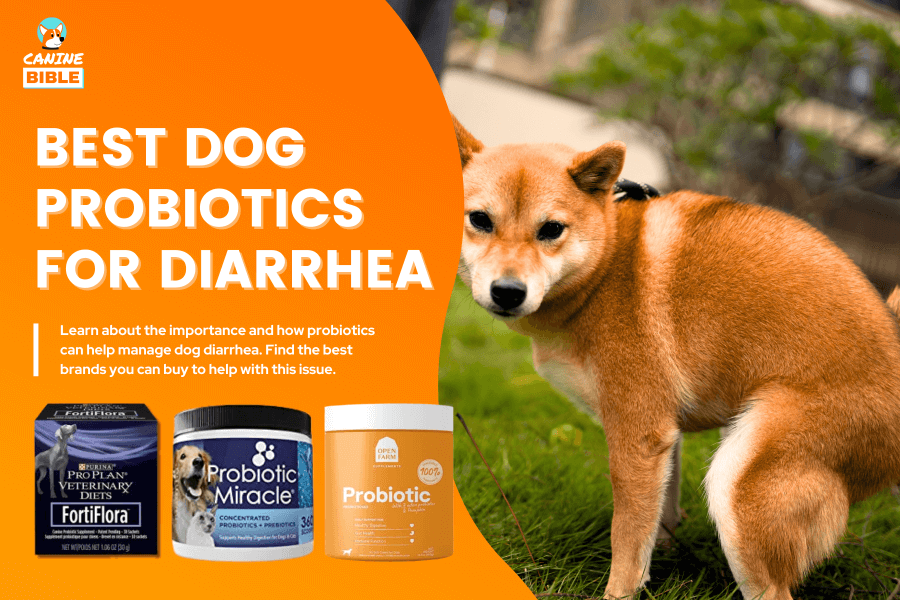


For more expert pet care tips and advice, check out our dedicated Dog Health guides to keep your companions healthy and happy.




