

Introduction
Understanding a dog’s digestive health is paramount to their overall well-being, and at the heart of this intricate system lies the gut microbiome. The concept of probiotics for dogs refers to beneficial live microorganisms that, when administered in adequate amounts, confer a health benefit to the host. These microscopic allies play a crucial role in maintaining a balanced gut environment, supporting digestion, nutrient absorption, and even immune function. Many dog owners encounter situations where their canine companions experience digestive upset, changes in stool quality, or general health issues that can be linked to an imbalance in the gut. Exploring the proper application and understanding of probiotics for dogs offers a pathway to potentially alleviate such concerns, contributing significantly to a dogs comfort, vitality, and overall quality of life.
💡 Pet Care Key Takeaways:
- Core Focus: Practical health, nutrition, and wellness guidelines for Probiotics For Dogs.
- Target Scope: Pet owners, animal caregivers, and veterinary support staff.
- Best Recommendation: Maintain consistent daily routines and consult an accredited veterinarian before introducing major diet or medical changes.
Common Causes and Key Factors
The delicate balance of a dog’s gut microbiome can be disrupted by various factors, making the consideration of probiotics for dogs increasingly relevant. One primary cause is a change in diet or the consumption of a poor-quality diet lacking essential nutrients and fiber. Sudden dietary transitions can overwhelm the digestive system, leading to an imbalance in gut flora. Another significant factor involves the use of antibiotics. While essential for fighting bacterial infections, antibiotics do not discriminate between harmful and beneficial bacteria, often wiping out the latter and creating an opportunity for opportunistic pathogens to flourish. For more related activities, check out our Can Apoquel Cause Aggression In Dogs.
Stress, whether from environmental changes, separation anxiety, or travel, can also profoundly impact a dog’s gut health. Emotional distress can alter gut motility and permeability, affecting the microbial community. Additionally, aging can naturally lead to a decline in beneficial bacteria, while certain illnesses, parasitic infections, or even exposure to environmental toxins can compromise the gut’s integrity. Recognising these common disruptors highlights why supporting canine digestive health with targeted interventions, such as probiotics for dogs, has become a focus for proactive pet care.
Signs and Symptoms to Observe
Observing a dogs behavior and physical condition provides vital clues regarding their digestive health. When the gut microbiome is out of balance, several signs and symptoms may become apparent, prompting a closer look at potential solutions like probiotics for dogs. Common digestive disturbances include recurrent episodes of diarrhea, constipation, or inconsistent stool quality (e.g., loose, watery, or abnormally hard stools). Excessive gas or flatulence, frequent burping, and occasional vomiting can also indicate a struggle within the digestive tract.
Beyond immediate digestive upset, an imbalanced gut can manifest in other ways. A dull, dry coat, flaky skin, or unexplained skin allergies and itching can sometimes be linked to poor nutrient absorption and an inflammatory response originating in the gut. Dogs with compromised gut health might also exhibit a reduced appetite, lethargy, or a general lack of enthusiasm. In puppies, a developing immune system and potential exposure to new environments make their digestive systems particularly sensitive, sometimes showing signs more acutely. Older dogs, with naturally slowing metabolic processes, may also present with chronic digestive issues. Monitoring these indicators carefully can help determine if supplementary support, such as probiotics for dogs, might be beneficial.
Practical Solutions and Management Strategies
Integrating probiotics for dogs into a dog’s routine can be a practical and effective strategy for managing and improving digestive health. The first step involves selecting a high-quality probiotic product specifically formulated for canines. These products typically contain multiple strains of beneficial bacteria (such as Lactobacillus and Bifidobacterium) known to thrive in a dog’s gut. Ensuring the product comes from a reputable brand and lists a guaranteed number of colony-forming units (CFUs) is important for efficacy.
Administration is generally straightforward; probiotics for dogs are available in various forms including powders, chews, or capsules, which can be mixed with food or given directly. Consistency is key for optimal results, as regular daily supplementation helps maintain a robust population of beneficial bacteria. It is also beneficial to consider dietary factors that support a healthy microbiome; incorporating sources of prebiotics (fibers that feed probiotics) through certain vegetables or specialized pet foods can enhance the effects of probiotic supplementation. When a dog is undergoing antibiotic treatment, administering probiotics a few hours after the antibiotic dose can help mitigate the negative impact on gut flora. Monitoring a dog’s stool quality, energy levels, and overall demeanor provides valuable feedback on the effectiveness of the chosen strategy.
When Professional Help May Be Needed
While probiotics for dogs can be a valuable tool in maintaining and improving canine digestive health, there are situations where professional veterinary consultation is essential. If a dog exhibits severe or persistent digestive symptoms such as bloody stools, prolonged vomiting, severe lethargy, or a significant loss of appetite, immediate veterinary attention is warranted. These signs could indicate underlying conditions that require specific medical diagnosis and treatment beyond what probiotics alone can address.
Furthermore, before introducing any new supplement, including probiotics for dogs, to a dog with pre-existing health conditions or those on medication, a veterinarian should be consulted. A professional can provide tailored advice based on a dog’s specific health profile, avoiding potential interactions or exacerbations of existing issues. Seeking professional guidance ensures that any interventions are safe, appropriate, and part of a comprehensive health management plan, prioritizing the dog’s well-being above all else.
Conclusion
The importance of a healthy gut microbiome for a dog’s overall vitality cannot be overstated, and probiotics for dogs stand as a significant support for this crucial system. By understanding what these beneficial microorganisms are and how they contribute to digestion, nutrient absorption, and immune function, dog owners are empowered to make informed decisions regarding their pet’s care. Recognizing the factors that can disrupt gut balance and observing for specific signs of distress allows for proactive intervention. When integrated thoughtfully and consistently, high-quality probiotics for dogs can play a pivotal role in maintaining optimal digestive health, contributing to a happy, comfortable, and energetic life for canine companions. Always remember to consult with a veterinarian to ensure any health strategy aligns with a dog’s individual needs, fostering the best possible outcomes.
Pet Care & Wellness Overview Table
| Life Stage | Daily Activity Level | Key Nutrition / Care Focus |
|---|---|---|
| Puppy / Kitten | High (frequent short bursts) | High-protein growth diet & early socialization |
| Adult Companion | Moderate (30–60 mins daily) | Balanced maintenance nutrition & dental hygiene |
| Senior Pets | Low to Gentle (mindful walks) | Joint support (Glucosamine) & routine vet checks |
Images References

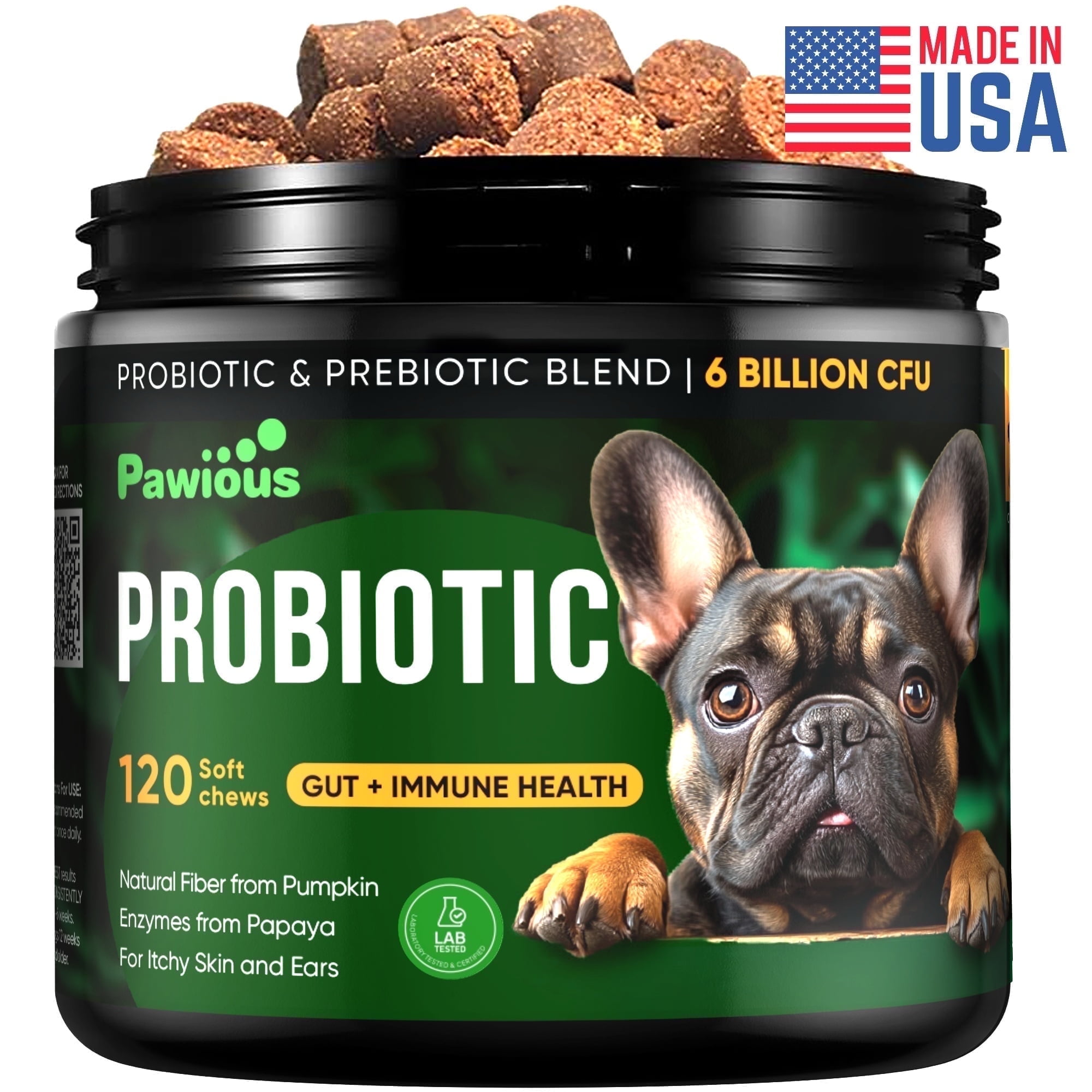


For more expert pet care tips and advice, check out our dedicated Dog Health guides to keep your companions healthy and happy.


