

Introduction
The health and well-being of a puppy are paramount to any dedicated pet owner. One common and often concerning issue that can arise in young dogs is diarrhea. This digestive upset, while sometimes mild and self-limiting, can quickly become serious in a developing system. Understanding supportive measures is crucial, and among these, the potential benefits of probiotics for puppies with diarrhea have garnered significant interest. Probiotics are beneficial microorganisms that, when administered in adequate amounts, confer a health benefit on the host. For puppies experiencing loose stools, these tiny allies can play a vital role in restoring gut balance, aiding digestion, and supporting overall immune function. Gaining knowledge about this topic enables owners to better address a puppy’s digestive challenges, potentially improving their comfort, nutrient absorption, and long-term health.
💡 Pet Care Key Takeaways:
- Core Focus: Practical health, nutrition, and wellness guidelines for Probiotics For Puppies With Diarrhea.
- Target Scope: Pet owners, animal caregivers, and veterinary support staff.
- Best Recommendation: Maintain consistent daily routines and consult an accredited veterinarian before introducing major diet or medical changes.
Common Causes and Key Factors
Puppies are particularly susceptible to digestive disturbances, and diarrhea can stem from a variety of sources. Environmental and physiological factors frequently contribute to this common ailment. For more related activities, check out our Can Apoquel Cause Aggression In Dogs.
- Dietary Indiscretion or Changes: A sudden switch in food brands, introduction of new treats, or consumption of unsuitable human foods can easily upset a puppy’s sensitive digestive system. Scavenging for items in the yard or on walks also poses a significant risk.
- Stress: Moving to a new home, separation from littermates, loud noises, or changes in routine can induce stress, which in turn can manifest as gastrointestinal upset. Stress hormones can directly impact gut motility and flora.
- Parasites: Intestinal parasites such as roundworms, hookworms, whipworms, Coccidia, and Giardia are extremely common in puppies. These parasites irritate the intestinal lining, leading to inflammation and diarrhea.
- Infections: Viral infections like canine parvovirus, canine distemper, and rotavirus are highly contagious and can cause severe, life-threatening diarrhea in unvaccinated puppies. Bacterial infections, though less common as primary causes, can also contribute.
- Allergies and Sensitivities: Some puppies may have sensitivities to certain ingredients in their food, leading to an inflammatory response in the gut.
- Medications: Antibiotics, while necessary for certain conditions, can disrupt the natural balance of gut bacteria, sometimes leading to diarrhea as a side effect.
Many of these factors directly impact the delicate balance of the gut microbiome, making the stomach more vulnerable to upset.
Signs and Symptoms to Observe
Observing a puppy’s fecal matter provides crucial insights into its digestive health. Diarrhea manifests as stools that are looser in consistency than normal, ranging from soft and shapeless to completely watery. Other important signs often accompany this condition and warrant close attention.
- Frequency: An increase in the number of bowel movements per day is a key indicator.
- Consistency: Stools may be soft, pudding-like, or entirely liquid.
- Color Changes: While normal puppy stool is typically firm and brown, diarrhea can present in various colors. Black, tarry stools might indicate bleeding higher in the digestive tract, while bright red streaks suggest bleeding lower down. Yellow or green stools can also be abnormal.
-
Associated Symptoms:
- Vomiting: Can occur alongside diarrhea, increasing the risk of dehydration.
- Lethargy: A puppy that is unusually tired or less playful than normal.
- Loss of Appetite: Refusal to eat or drink.
- Dehydration: Signs include sunken eyes, dry gums, and skin that loses elasticity when gently pinched.
- Fever: An elevated body temperature.
- Abdominal Pain: A puppy may whimper, hunch its back, or resist being touched on the belly.
The severity and combination of these symptoms can vary significantly based on the puppy’s age, breed, and the underlying cause of the diarrhea. Very young puppies, due to their smaller size and immature immune systems, are particularly vulnerable to rapid dehydration and complications from diarrhea.
Practical Solutions and Management Strategies
When a puppy experiences diarrhea, a structured approach to management and care is essential. While professional veterinary consultation is always the first step, several practical strategies can support recovery, with probiotics for puppies with diarrhea playing a supportive role.
1. Initial Steps and General Care
- Veterinary Consultation: Always seek advice from a veterinarian as soon as diarrhea is noticed, especially in very young puppies or if symptoms are severe. This ensures proper diagnosis and rules out serious underlying conditions.
- Hydration: Maintaining adequate hydration is critical. Offer fresh water frequently. In cases of significant fluid loss, veterinarians may recommend electrolyte solutions.
- Bland Diet: A temporary switch to a bland diet can help soothe the digestive tract. Common recommendations include plain, boiled, skinless chicken breast and cooked white rice, offered in small, frequent meals. This should only be done under veterinary guidance.
- Gradual Food Reintroduction: Once the diarrhea subsides, gradually reintroduce the puppy’s regular food over several days to avoid a relapse.
2. The Role of Probiotics
Probiotics are beneficial live microorganisms that can help restore and maintain a healthy balance of gut flora. For puppies with diarrhea, these supplements can offer several advantages:
- Restoring Gut Microbiome Balance: Diarrhea, regardless of its cause, often disrupts the natural balance of beneficial and harmful bacteria in the intestines. Probiotics introduce beneficial bacteria, helping to re-establish equilibrium.
- Supporting Digestion: A balanced gut microbiome contributes to efficient digestion and nutrient absorption. Probiotics can help improve digestive function during and after an episode of diarrhea.
- Enhancing Immune Function: A significant portion of the immune system resides in the gut. By promoting a healthy gut environment, probiotics can indirectly support overall immune health, helping a puppy better withstand future challenges.
- Reducing Duration and Severity: Some studies suggest that specific probiotic strains can help reduce the duration and severity of acute diarrhea in puppies.
3. Choosing and Administering Probiotics
- Veterinary-Approved Products: It is crucial to use probiotics specifically formulated for dogs and recommended by a veterinarian. Human probiotics may not contain the appropriate strains or dosages for canine digestive systems.
- Species-Specific Strains: Look for products containing strains like Lactobacillus and Bifidobacterium, which are common and beneficial in the canine gut.
- Forms: Probiotics for puppies are available in various forms, including powders, pastes, chewable tablets, and capsules, making administration easier.
- Not a Cure: It is important to remember that probiotics are a supportive therapy, not a primary cure for the underlying cause of diarrhea. They work best as part of a comprehensive treatment plan devised by a veterinarian.
4. Environmental Management
- Hygiene: Keep the puppy’s living area meticulously clean. Promptly remove and disinfect areas soiled with diarrhea to prevent the spread of pathogens, especially if parasites or infections are suspected.
- Stress Reduction: Provide a calm, quiet, and secure environment. Minimize sudden changes or stressors during recovery.
Implementing these strategies under veterinary guidance can significantly aid a puppy’s recovery from diarrhea and support its long-term digestive health.
When Professional Help May Be Needed
While some mild cases of puppy diarrhea might resolve on their own, it is critical for owners to recognize when the situation demands immediate veterinary attention. Puppies are particularly fragile, and their health can deteriorate rapidly.
- Persistent Diarrhea: If diarrhea continues for more than 24 to 48 hours, even if mild, a veterinary examination is necessary. Prolonged diarrhea leads to dehydration and nutrient loss.
-
Severe Symptoms: The presence of additional severe symptoms warrants an urgent veterinary visit. These include:
- Frequent or projectile vomiting
- Extreme lethargy or weakness
- Signs of dehydration (sunken eyes, dry gums, loss of skin elasticity)
- Blood in the stool (bright red or black/tarry)
- Fever or a noticeable drop in body temperature
- Severe abdominal pain or tenderness
- Lack of appetite or refusal to drink water
- Very Young Puppies: Any diarrhea in very young puppies (under 12 weeks of age) should be considered an emergency. Their small body size and immature immune systems make them highly susceptible to rapid dehydration and severe complications.
- Known Exposure: If a puppy has been exposed to other sick animals or an environment where highly contagious diseases (like parvovirus) are present, immediate veterinary evaluation is crucial, even if symptoms are mild.
- No Improvement: If a puppy’s condition does not improve or worsens despite home care measures and initial veterinary advice, further diagnostic testing and intervention are typically required.
Prompt professional intervention can often be life-saving for a puppy experiencing severe or persistent diarrhea. Owners should never hesitate to consult a veterinarian when in doubt about a puppy’s health.
Conclusion
Puppy diarrhea is a common yet potentially serious issue that demands careful attention from pet owners. Understanding its diverse causes, recognizing the associated signs, and implementing appropriate management strategies are crucial for a puppy’s well-being. Probiotics offer a valuable supportive measure, helping to restore and maintain the delicate balance of gut flora, thereby aiding digestion and bolstering the immune system. While probiotics for puppies with diarrhea can be a beneficial component of recovery, they are most effective when integrated into a comprehensive care plan guided by a veterinary professional. Consistent observation, proactive care, and timely veterinary intervention are the cornerstones of ensuring a puppy’s swift recovery and long-term health, allowing them to thrive and enjoy a vibrant life.
Pet Care & Wellness Overview Table
| Life Stage | Daily Activity Level | Key Nutrition / Care Focus |
|---|---|---|
| Puppy / Kitten | High (frequent short bursts) | High-protein growth diet & early socialization |
| Adult Companion | Moderate (30–60 mins daily) | Balanced maintenance nutrition & dental hygiene |
| Senior Pets | Low to Gentle (mindful walks) | Joint support (Glucosamine) & routine vet checks |
Images References


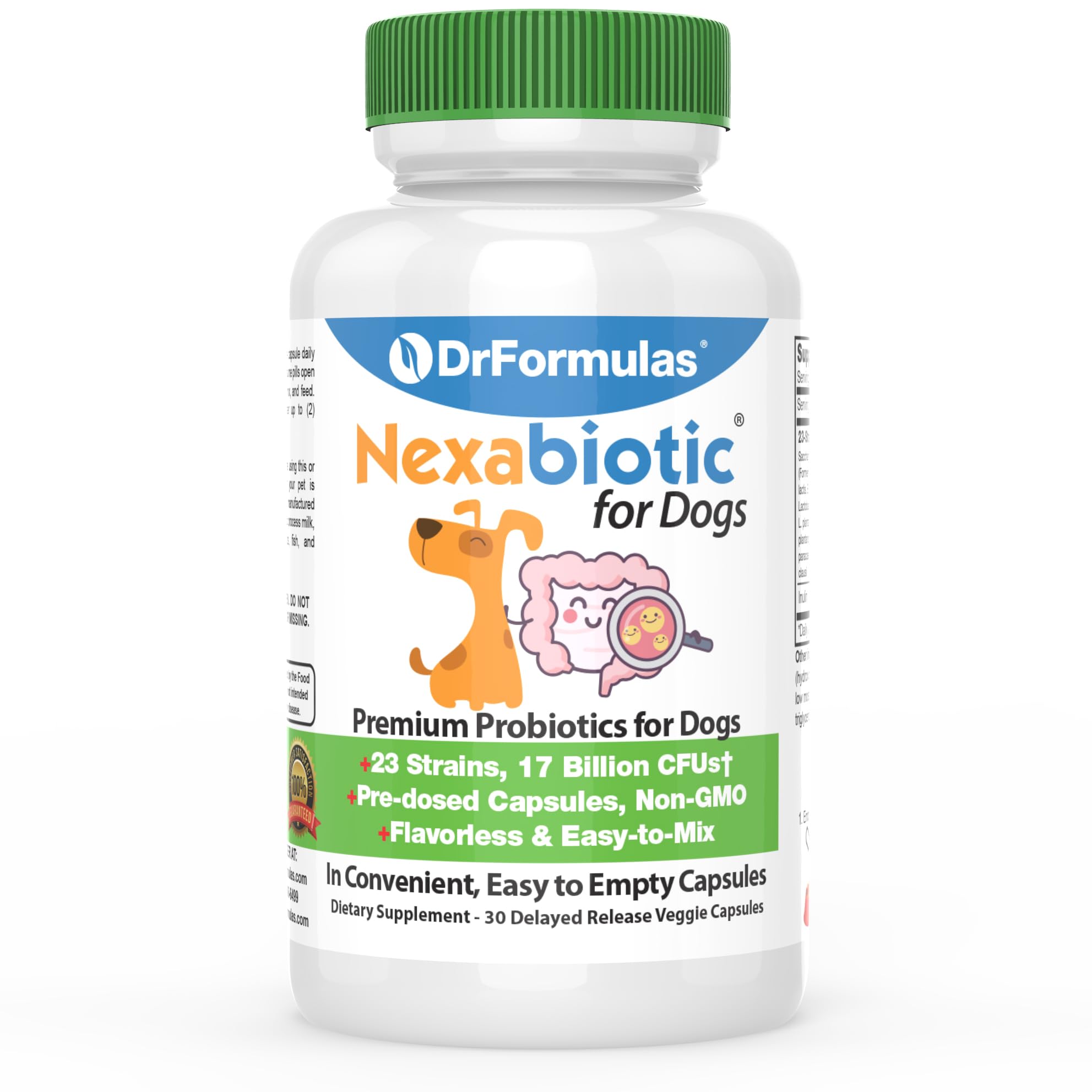


For more expert pet care tips and advice, check out our dedicated Dog Health guides to keep your companions healthy and happy.


