

According to the American Society for the Prevention of Cruelty to Animals (ASPCA), normal exploratory behavior in young dogs heavily involves using the mouth to interact with the environment, which often peaks during early maturation. Bringing home a twelve-week-old canine brings endless joy, yet it frequently introduces a barrage of sharp needle-teeth latching onto fingers, ankles, and clothing. Many households struggle during this specific developmental window because they mistake normal juvenile exploration for overt aggression. In professional behavior consulting sessions, it becomes evident that households often react impulsively by shouting or pulling away, inadvertently turning a natural exploratory urge into a high-energy game of tug-of-war. Recognizing the root causes behind this behavior allows families to transform chaotic interactions into calm, structured teaching moments.
💡 Pet Care Key Takeaways:
- Core Focus: Practical health, nutrition, and wellness guidelines for Puppy Biting And Nipping Phase At 3 Months Old.
- Target Scope: Pet owners, animal caregivers, and veterinary support staff.
- Best Recommendation: Maintain consistent daily routines and consult an accredited veterinarian before introducing major diet or medical changes.
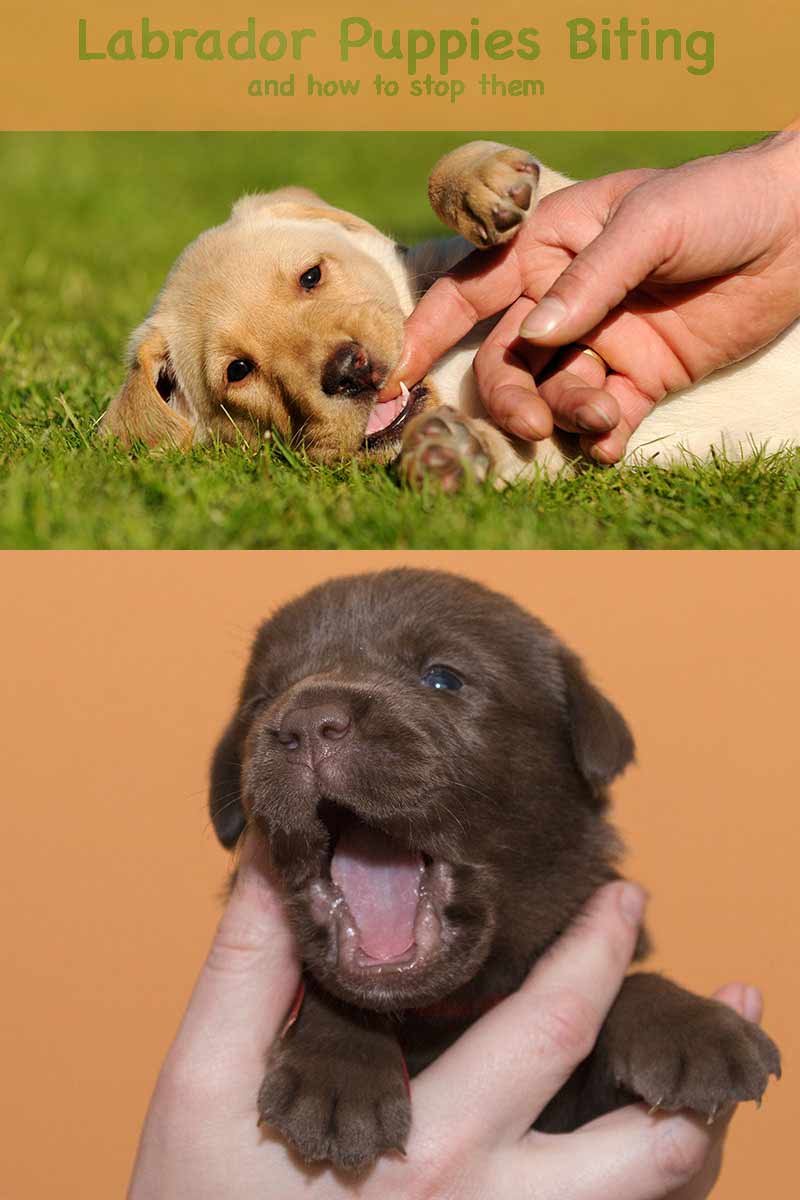
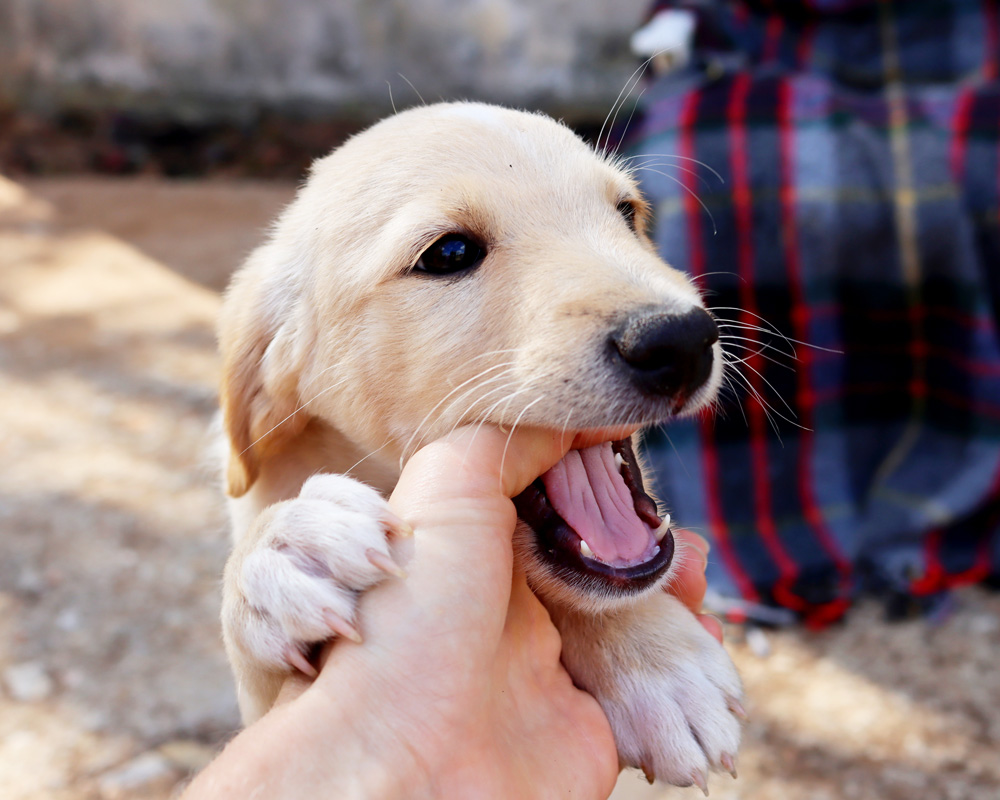
The puppy biting and nipping phase at 3 months old represents a crucial developmental stage where youngsters map out their physical world through oral exploration.
At twelve weeks of age, juvenile canines are actively losing their deciduous teeth—commonly known as milk teeth—and experiencing the discomfort of adult teeth erupting through sensitive gums. This oral discomfort drives an intense biological need to chew, gnaw, and mouth on available surfaces, including human skin. Furthermore, canine littermates teach each other bite inhibition through mutual feedback, meaning a solitary pet relies entirely on human guidance to learn how much pressure is acceptable. When a baby dog latches onto a hand, that action mirrors how they would interact with a sibling during play, rather than a malicious attack. Understanding this perspective shifts the caregiver mindset from punishment to gentle redirection.
Unchecked dental play during early maturation can severely damage the human-animal bond and inadvertently reinforce undesirable habits if left unmanaged.
Allowing a twelve-week-old juvenile to mouth on skin establishes a precedent that creates severe management challenges as the animal grows into a powerful adult. Beyond the physical scratches and torn garments, persistent mouthing can frighten visiting guests and young children, leading to social isolation for the pet. During daily consultations, a common observation is that owners who playfully wrestle with their pets using bare hands accidentally teach the animal that human flesh is an acceptable chew toy. Breaking this cycle early safeguards the household harmony and ensures the animal develops appropriate social boundaries. Establishing consistent household rules prevents confusion and accelerates the learning curve for the developing canine.
Puppies explore their environment extensively through their mouths, utilizing tactile exploration to test textures, temperatures, and the reactions of living companions. — American Kennel Club (AKC)
Implementing positive reinforcement and structured redirection effectively curbs excessive mouthing without causing fear or psychological harm.
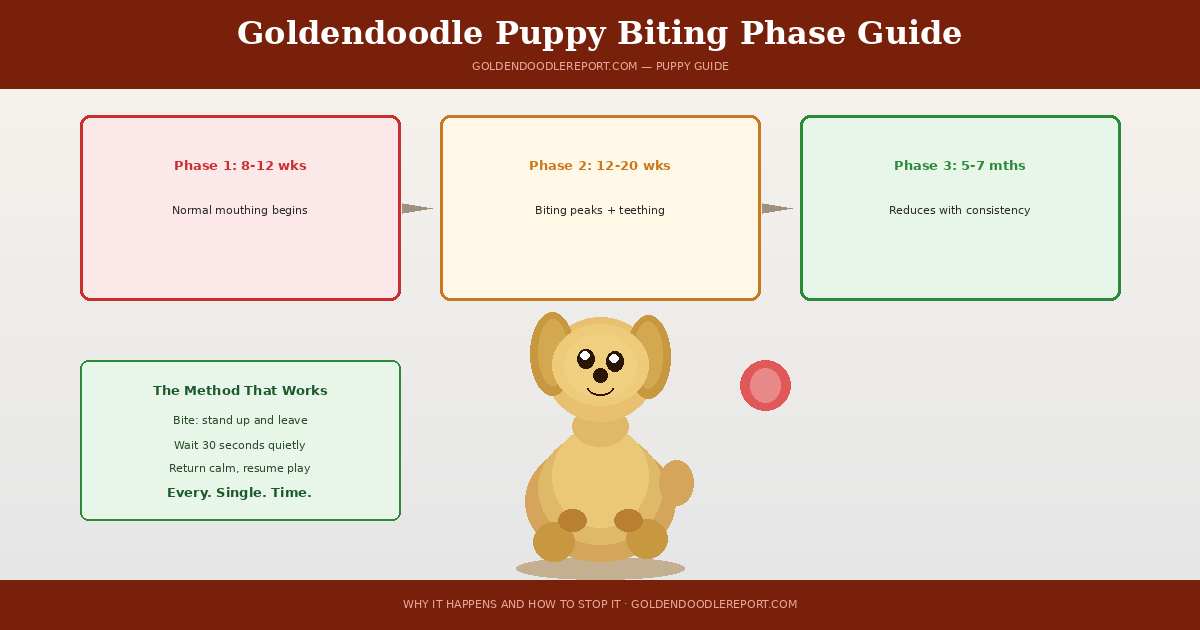
Redirecting the animal’s attention toward an appropriate chew toy immediately whenever teeth touch skin is the gold standard in modern canine behavioral science. When the animal makes contact with flesh, emitting a calm, high-pitched verbal cue like a brief yelp mimics littermate feedback, followed by standing completely still to remove all attention. This strategy teaches cause-and-effect: biting causes all fun, attention, and movement to stop instantly. Providing durable rubber chew toys chilled in the refrigerator can also soothe inflamed gums, directly addressing the underlying physical discomfort causing the mouthing behavior. Consistency across every human family member ensures the animal receives clear, unconflicting signals every single day.
Avoiding common training pitfalls ensures long-term behavioral success and maintains deep trust between the pet and the household.
Physical reprimands, alpha rolls, or holding a juvenile’s mouth shut are outdated, punitive techniques that damage trust and frequently escalate defensive snapping or genuine aggression. Another frequent error involves running away or flapping hands excitedly, which triggers the animal’s natural predatory chase drive and turns nipping into an even more thrilling game. Patience must remain the cornerstone of any routine, recognizing that neural pathways take weeks of repetition to solidify. Keeping sessions short, predictable, and rewarding fosters a cooperative learning environment where the juvenile eagerly looks to humans for guidance. Integrating proper Dog Training principles into daily life guarantees steady progress.
Positive reinforcement methods build stronger cognitive pathways and enhance emotional stability in juvenile canines compared to traditional punitive correction strategies. — American Veterinary Medical Association (AVMA)
Pet Care & Wellness Overview Table
| Life Stage | Daily Activity Level | Key Nutrition / Care Focus |
|---|---|---|
| Puppy / Kitten | High (frequent short bursts) | High-protein growth diet & early socialization |
| Adult Companion | Moderate (30–60 mins daily) | Balanced maintenance nutrition & dental hygiene |
| Senior Pets | Low to Gentle (mindful walks) | Joint support (Glucosamine) & routine vet checks |
Images References




Breed genetics, individual temperament, and daily energy levels significantly influence the intensity and frequency of juvenile nipping behaviors.
Herding groups, such as Border Collies and Australian Shepherds, possess an innate genetic predisposition to nip at moving heels due to generations of selective breeding for livestock control. Conversely, companion or toy groups might mouth primarily out of fatigue or over-stimulation rather than intense working drives. Observing individual body language helps caregivers distinguish between playful exploration, overt overtiredness, and genuine stress. Tailoring management strategies to fit specific Dog Breeds ensures that working instincts are channeled into constructive outlets like puzzle feeders or scent games instead of human ankles. Recognizing these unique traits prevents unrealistic expectations and promotes tailored care.
Consulting a qualified professional becomes necessary when mouthing escalates into hard, unprovoked biting accompanied by stiff body postures.
While typical exploratory nipping gradually diminishes with consistent redirection, intense, hard biting accompanied by growling, freezing, or snapping requires immediate expert intervention. Certified applied animal behaviorists or veterinary behaviorists can accurately assess underlying medical pain, fear, or genetic temperament issues that standard training cannot resolve. Professional guidance is especially critical if the behavior shows no signs of improvement after several weeks of dedicated, consistent management. Prioritizing comprehensive Dog Health checks rules out hidden medical discomforts that frequently manifest as sudden behavioral changes or touch sensitivity in young canines.
Mastering this transient developmental stage lays a solid foundation for a well-adjusted, harmonious lifelong companionship.
Navigating the trials of early canine development demands resilience, consistency, and a deep commitment to positive reinforcement practices. By addressing the root causes of oral exploration and providing appropriate outlets for teething discomfort, households can successfully guide their young companions toward calm, polite adulthood. Exploring additional resources on Dog Behavior and general Dog Care empowers pet owners with the knowledge needed to handle every developmental milestone with confidence. Visit PetsAnimalsWorld.com for more expert guides dedicated to raising happy, healthy companions.




