Introduction
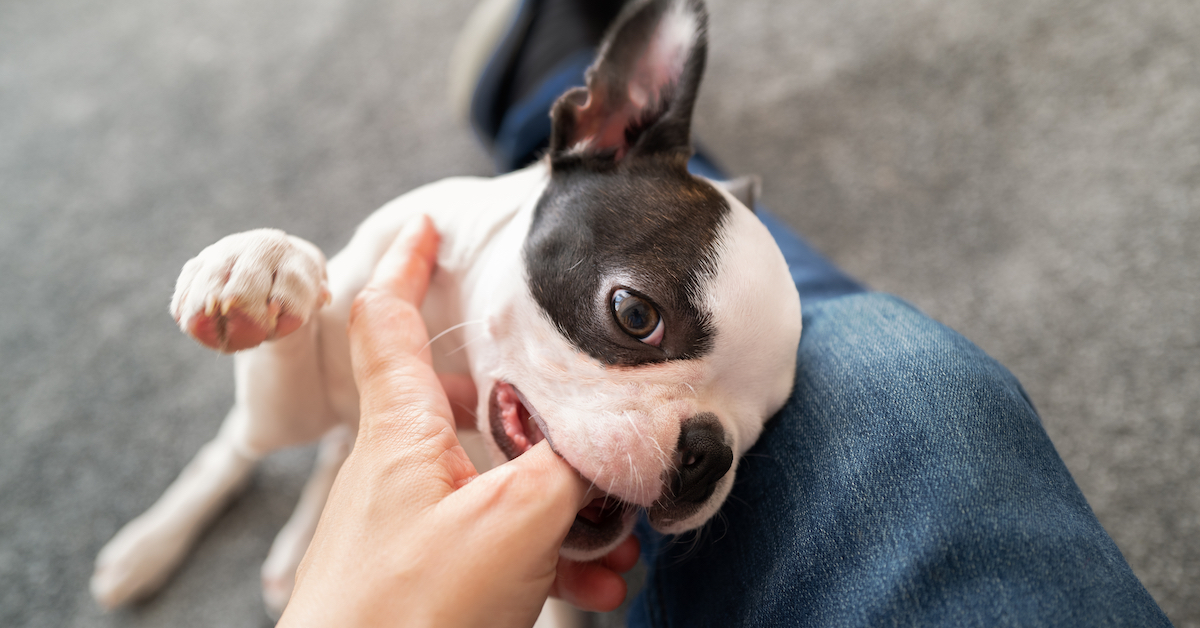
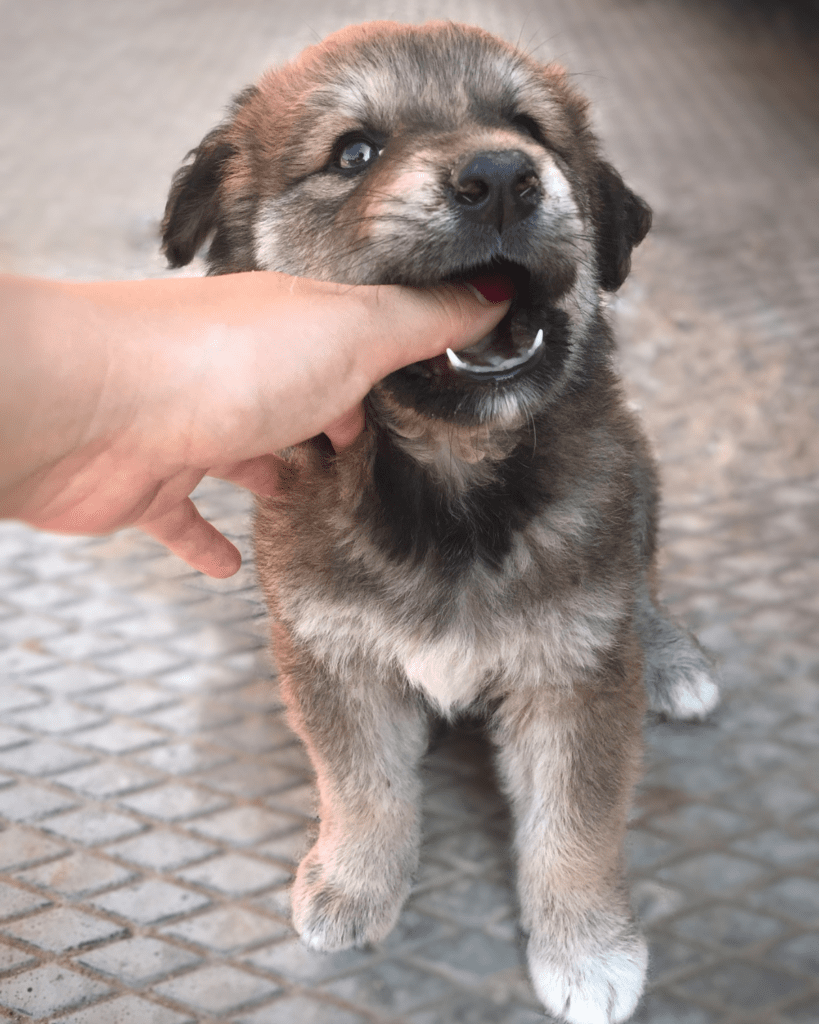
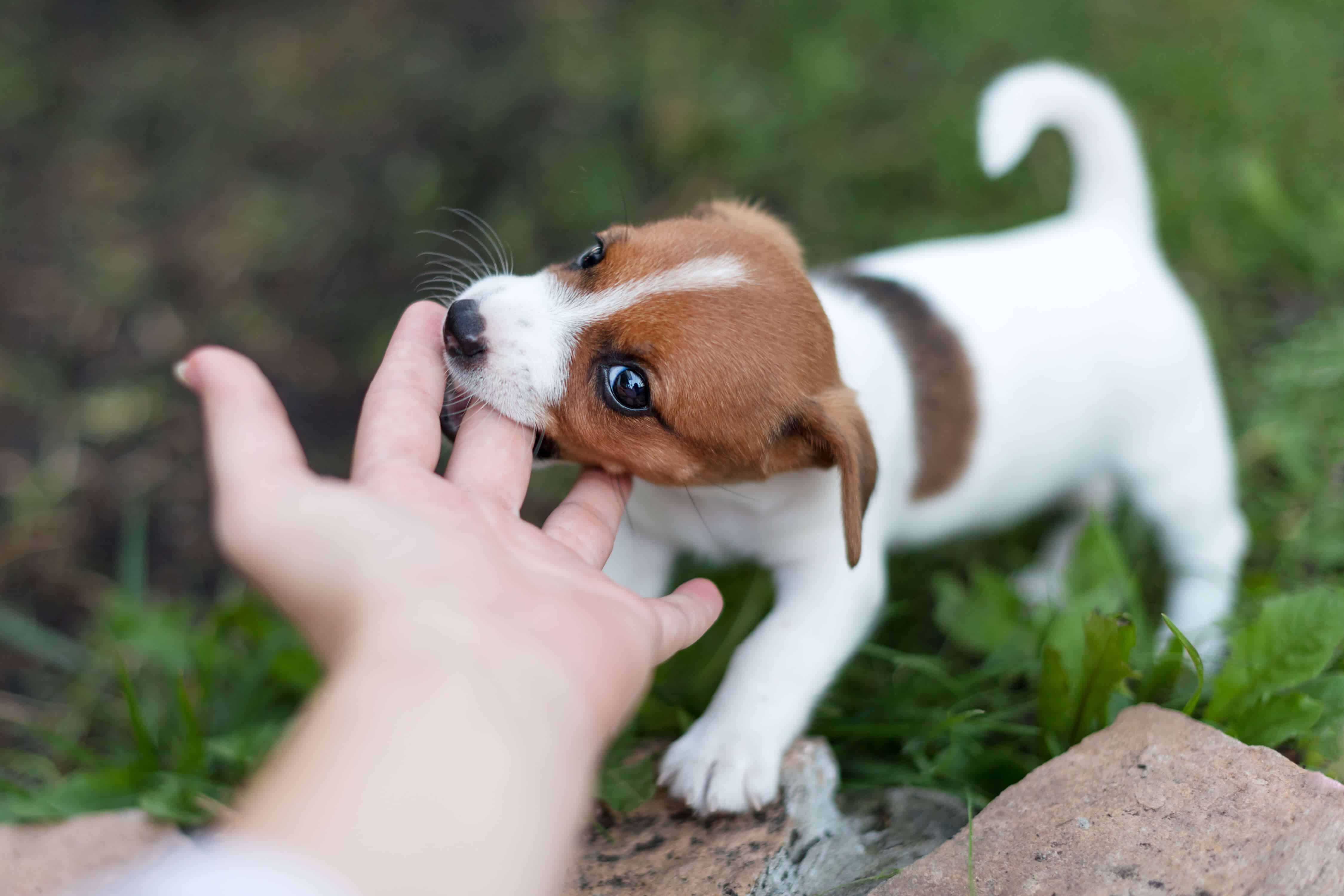
The phenomenon of puppy biting at 5 months represents a significant and often challenging stage in a young dog’s development. At this age, puppies are actively exploring their world, communicating their needs, and experiencing considerable physical changes, including teething. Understanding the underlying reasons behind this behavior is crucial for dog owners seeking to foster a well-behaved companion and build a strong, trusting relationship. Addressing puppy biting effectively during this period not only mitigates immediate concerns but also lays the groundwork for appropriate behavior in adulthood, significantly improving a dog’s well-being and overall quality of life within the household. This stage is a pivotal time for teaching bite inhibition and establishing clear boundaries. Explore more in our Dog Behavior collection.
💡 Pet Care Key Takeaways:
- Core Focus: Practical health, nutrition, and wellness guidelines for Puppy Biting At 5 Months.
- Target Scope: Pet owners, animal caregivers, and veterinary support staff.
- Best Recommendation: Maintain consistent daily routines and consult an accredited veterinarian before introducing major diet or medical changes.
Common Causes and Key Factors
Several interconnected factors contribute to puppy biting at 5 months. Foremost among these is teething. Around this age, puppies are typically losing their deciduous (baby) teeth and growing permanent adult teeth. This process can cause discomfort and soreness in the gums, leading puppies to seek relief through chewing and mouthing. The act of biting becomes a natural way for them to massage their gums and alleviate pain. For more related activities, check out our How Do You Correct A Dog’S Behavior.
Another significant factor is exploration and play behavior. Puppies naturally use their mouths to investigate objects, environments, and other living beings. In their early weeks, play with littermates often involves wrestling and nipping, which is how they begin to learn about bite pressure and appropriate play. If this crucial learning phase is incomplete or if a puppy was separated from its litter too early, bite inhibition may not be fully developed. Discover more free resources across our collection library.
Lack of structured training also plays a critical role. Without consistent guidance from human companions, puppies may not understand that mouthing on human skin is unacceptable. Furthermore, over-stimulation or fatigue can lead to an increase in nipping; an overtired or over-excited puppy may resort to biting as an outlet for their energy or frustration. Occasionally, biting can be an attention-seeking behavior, especially if a puppy learns that nipping results in a human reaction, even if that reaction is negative. Lastly, breed-specific tendencies can influence mouthiness, with some breeds naturally more prone to using their mouths than others.
Signs and Symptoms to Observe
Observing the specific characteristics of puppy biting provides valuable insights into its underlying cause and helps in formulating an appropriate response. Key indicators include the frequency and intensity of the biting. Owners should note whether the nipping is constant or sporadic, and if it involves gentle mouthing or harder, more painful nips that leave marks. The context in which the biting occurs is also important: Does it happen during playful interactions, when being petted, when food is present, or when the puppy is denied access to something?
The target of the biting offers further clues. Is the puppy consistently nipping at hands, ankles, clothing, or specific furniture items? This can help differentiate between playful mouthing and a response to discomfort or frustration. Crucially, attention should be paid to the puppy’s body language. A puppy with relaxed body posture, a loose wagging tail, and playful barks is likely engaging in typical puppy play. Conversely, a puppy exhibiting stiff body language, growling, lunging, or a tucked tail may be signaling fear, stress, or aggression, which requires a different approach. The presence of physical damage, such as red marks, scratches, or broken skin, indicates that the biting intensity is too high and requires immediate intervention. These signs generally remain consistent across most breeds and environments at this age, though individual puppy temperaments can introduce slight variations.
Practical Solutions and Management Strategies
Effectively managing puppy biting at 5 months requires a multi-faceted approach centered on consistency, redirection, and positive reinforcement. A primary strategy involves redirecting the biting behavior towards appropriate chew toys. As soon as a puppy attempts to mouth hands or clothing, a suitable chew toy, such as a sturdy rubber toy or a teething ring, should be offered immediately. This teaches the puppy what is acceptable to bite.
Bite inhibition training is paramount. When a puppy bites too hard during play, a sharp, high-pitched “ouch!” or “yelp” can mimic the sound a littermate would make, signaling that the bite was painful. This should be followed by immediately withdrawing attention, either by standing up and turning away or by briefly leaving the room. This teaches the puppy that hard biting ends the fun. Brief time-outs (10-20 seconds) in a secure, boring space, like a crate or playpen, can also be effective if nipping persists after the “yelp” and withdrawal of attention.
Structured play sessions are beneficial, teaching the puppy that play with humans involves rules. For instance, games like tug-of-war can be introduced, but only if the puppy learns to “drop it” on command and does not mouth hands. Providing adequate physical exercise and mental stimulation is essential; a tired and mentally engaged puppy is less likely to resort to undesirable behaviors like biting. Puzzle toys, regular walks, and short, positive training sessions can fulfill these needs.
Establishing a consistent daily routine can reduce anxiety and predictability, which in turn can decrease stress-induced nipping. Puppy-proofing the home by removing tempting items and ensuring safe spaces through methods like crate training or playpens, also prevents unwanted chewing and reinforces appropriate boundaries. Consistent, calm, and patient application of these strategies is key to fostering a puppy that understands and respects human skin.
When Professional Help May Be Needed
While puppy biting at 5 months is a common developmental stage, there are specific circumstances when seeking professional assistance from a veterinarian or certified dog trainer/behaviorist becomes highly advisable. One crucial indicator is the escalation of aggression. If the biting is accompanied by growling, snarling, prolonged stiffness, or snapping, especially if unprovoked or directed at multiple individuals, it suggests more than typical puppy mouthing.
Another sign warranting professional intervention is an inability to respond to consistent training. If owners diligently apply management strategies and bite inhibition techniques over several weeks without any discernible improvement, or if the behavior appears to worsen, expert guidance can provide tailored solutions. Any instance where the biting causes significant injury to humans or other pets, such as deep punctures or repeated broken skin, immediately necessitates professional evaluation to address potential behavioral issues effectively and safely.
Furthermore, if the biting behavior emerges suddenly or is accompanied by other unusual symptoms, a veterinary consultation is prudent to rule out any underlying medical conditions, pain, or discomfort that might be influencing the puppy’s behavior. Lastly, if the biting seems driven by severe fear, anxiety, or stress, manifesting as frantic attempts to escape, excessive drooling, or destructive chewing when left alone, a professional behaviorist can help address these emotional components through specialized behavior modification plans. Responsible action at these junctures ensures both the puppy’s well-being and the safety of the household.
Conclusion
Puppy biting at 5 months is a ubiquitous and natural aspect of canine development, signifying a period of intense learning, exploration, and physical change. Owners armed with understanding and effective strategies can transform this challenging phase into a valuable opportunity for training and bonding. The journey involves recognizing the triggers, whether they are related to teething, play, or over-stimulation, and consistently applying methods such as redirection, bite inhibition training, and providing ample mental and physical engagement. Patience, persistence, and positive reinforcement are the cornerstones of success, guiding a puppy to understand acceptable interactions. Addressing this behavior proactively ensures a well-adjusted, confident adult dog and fosters a harmonious home environment. Through thoughtful observation and consistent care, the educational mission of petsanimalsworld.com reinforces the profound importance of nurturing a puppy’s development for a lifetime of companionship.
Pet Care & Wellness Overview Table
| Life Stage | Daily Activity Level | Key Nutrition / Care Focus |
|---|---|---|
| Puppy / Kitten | High (frequent short bursts) | High-protein growth diet & early socialization |
| Adult Companion | Moderate (30–60 mins daily) | Balanced maintenance nutrition & dental hygiene |
| Senior Pets | Low to Gentle (mindful walks) | Joint support (Glucosamine) & routine vet checks |
Images References