Introduction
Embarking on the journey of raising a new puppy is an incredibly rewarding experience, bringing immense joy and companionship. However, it also comes with significant responsibilities. “Puppy Care 101” represents the fundamental knowledge and practices essential for laying a strong foundation for a puppy’s health, happiness, and good behavior. Understanding these basics from the outset is crucial, as the early weeks and months of a puppy’s life are formative, shaping its future temperament, physical well-being, and ability to integrate successfully into a human family. Proactive and informed care during this period can prevent common behavioral issues, ensure optimal development, and foster a lasting, positive bond between a dog and its guardians. This foundational understanding is not merely about addressing problems as they arise, but about implementing strategies that promote a puppy’s overall quality of life and help it grow into a well-adjusted canine companion.
💡 Pet Care Key Takeaways:
- Core Focus: Practical health, nutrition, and wellness guidelines for Puppy Care 101.
- Target Scope: Pet owners, animal caregivers, and veterinary support staff.
- Best Recommendation: Maintain consistent daily routines and consult an accredited veterinarian before introducing major diet or medical changes.
Key Pillars of Puppy Care
Effective puppy care hinges on several critical pillars that collectively contribute to a puppy’s holistic development. These foundational aspects are not “causes” in the sense of a problem, but rather the essential components that, when properly addressed, prevent issues and foster well-being. For more related activities, check out our Dog Care Jodhpur.
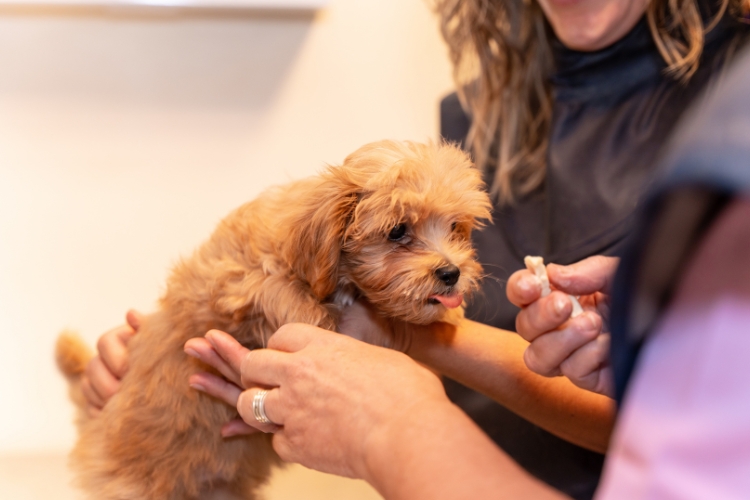
A primary factor is health management, encompassing scheduled veterinary visits, timely vaccinations, and consistent parasite prevention. These measures protect a young puppy from common and potentially serious diseases, establishing a robust immune system. Regular check-ups allow for early detection of any health concerns and provide opportunities for professional guidance on nutrition and general care.
Appropriate nutrition is another crucial element. Puppies have specific dietary needs for rapid growth and development, requiring specially formulated puppy food that provides balanced nutrients. Establishing a consistent feeding schedule and monitoring food intake are vital to prevent both under-nutrition and obesity.
Early socialization and training are paramount for behavioral development. Proper socialization involves controlled exposure to various sights, sounds, people, and other vaccinated animals during a puppy’s critical developmental window. This helps puppies learn to navigate the world confidently and without undue fear or aggression. Concurrently, consistent positive reinforcement training for house-training, basic commands, and leash manners sets the stage for a well-behaved adult dog.
The environment and safety provided for a puppy significantly impact its well-being. This includes puppy-proofing the home to remove hazards, providing a safe and comfortable space (such as a crate), and offering appropriate chew toys to redirect natural chewing instincts. A secure and stimulating environment supports physical safety and mental enrichment.
Finally, emotional well-being and routine are essential. Puppies thrive on predictability. Establishing a consistent daily schedule for feeding, potty breaks, play, and rest helps a puppy feel secure and understand expectations. Ample opportunities for positive interaction, gentle handling, and play foster a strong, trusting bond between the puppy and its guardians.
Observing Your Puppy’s Well-being
Diligent observation is a cornerstone of effective puppy care, allowing guardians to gauge their puppy’s health and emotional state. A healthy, well-adjusted puppy typically exhibits several clear indicators. These include a healthy appetite and thirst, consistent energy levels appropriate for its age and breed, and clear, bright eyes with a shiny coat. Such a puppy will generally be playful, curious, and engaged with its surroundings, learning new commands and routines readily. Its sleep patterns should be regular, indicating comfort and security within its environment. Progress in house-training and the ability to settle after play are also positive signs of development.
Conversely, certain signs may indicate that a puppy’s needs are not fully met or that a health concern is developing. Lethargy, a persistent lack of energy, or disinterest in play can be red flags. Gastrointestinal issues such as persistent vomiting or diarrhea warrant immediate attention. Behavioral changes like excessive fear, shyness, withdrawal, or an uncharacteristic increase in aggression, even if mild, can signal underlying stress or a lack of proper socialization. Destructive chewing beyond normal puppy exploration, or a consistent failure to grasp house-training concepts despite diligent effort, may suggest unmet needs for mental stimulation, exercise, or a need for different training approaches. The manifestation of these signs can vary; for instance, a high-energy breed might show destructive tendencies if not adequately exercised, while a more timid breed might exhibit extreme shyness if not properly socialized.
Practical Solutions and Management Strategies
Implementing effective puppy care 101 strategies requires consistency, patience, and a proactive approach. For health management, establishing a relationship with a trusted veterinarian is paramount. Following their recommended vaccination schedule and parasite control protocols is non-negotiable. Discussing appropriate nutrition for a puppy’s specific breed size and age ensures optimal growth, with a consistent feeding schedule proving beneficial.
Training and socialization should begin the moment a puppy arrives home. Potty training needs immediate implementation with frequent outdoor trips, positive reinforcement for success, and consistent cleanup of accidents. Basic obedience commands such as “sit,” “stay,” and “come” should be taught using reward-based methods, keeping sessions short and engaging. Socialization involves carefully managed exposures to various people, sounds, environments, and other friendly, vaccinated dogs, ensuring all experiences are positive and not overwhelming for the puppy.
Creating a safe and enriching environment is critical. Puppy-proofing involves removing any hazardous items or toxic plants from reachable areas. Providing a comfortable, secure den, such as a crate, can aid in house-training and offer a safe retreat. A variety of appropriate chew toys is essential to redirect chewing behaviors away from household items. Mental stimulation through puzzle toys and short training sessions helps to prevent boredom.
Establishing a consistent daily routine for feeding, potty breaks, play, and rest helps a puppy feel secure and understand expectations. Adequate exercise tailored to the puppy’s breed and age prevents excess energy from manifesting as destructive behavior. Throughout all interactions, positive reinforcementusing treats, praise, and playshould be the primary method for encouraging desired behaviors, fostering a strong and trusting relationship.
When Professional Help May Be Needed
While many aspects of puppy care 101 can be managed by diligent guardians, certain situations warrant professional intervention. Veterinary consultation is crucial for any persistent or severe health concerns. This includes prolonged lethargy, repeated vomiting or diarrhea, significant loss of appetite, noticeable lameness, or any signs of injury. A veterinarian can diagnose underlying medical conditions and recommend appropriate treatments, ensuring a puppy’s physical health is maintained.
Professional training support may be appropriate when behavioral challenges prove difficult to manage through standard positive reinforcement methods. This could include severe separation anxiety, excessive fear or aggression towards people or other animals, or destructive behaviors that persist despite consistent training and environmental management. A certified professional dog trainer or a veterinary behaviorist can provide tailored strategies, identify the root causes of behavioral issues, and offer specialized guidance that may include behavior modification plans. Seeking professional help early can prevent minor issues from escalating into more significant problems, contributing to a better quality of life for both the puppy and its human family.
Conclusion
“Puppy Care 101” is not merely a checklist of tasks but a holistic approach to nurturing a young dog’s development during its most impressionable stage. The successful integration of a puppy into a home relies on foundational elements such as diligent health management, appropriate nutrition, consistent training, early socialization, and the provision of a safe and stimulating environment. Consistent observation of a puppy’s behavior and physical condition allows guardians to respond proactively to both triumphs and challenges. By embracing these core principles, dog guardians provide their puppies with the best possible start, fostering their physical health, mental well-being, and social aptitude. The commitment to informed and consistent care during these crucial early months builds a profound bond and paves the way for a lifetime of companionship with a well-adjusted and beloved canine family member.
Pet Care & Wellness Overview Table
| Life Stage | Daily Activity Level | Key Nutrition / Care Focus |
|---|---|---|
| Puppy / Kitten | High (frequent short bursts) | High-protein growth diet & early socialization |
| Adult Companion | Moderate (30–60 mins daily) | Balanced maintenance nutrition & dental hygiene |
| Senior Pets | Low to Gentle (mindful walks) | Joint support (Glucosamine) & routine vet checks |
Images References





For more expert pet care tips and advice, check out our dedicated Dog Care guides to keep your companions healthy and happy.