

Understanding Why a Young Dog Destroys Den Environments
According to the American Society for the Prevention of Cruelty to Animals, destructive chewing is a natural developmental stage for canines, particularly when confined to a resting space. Finding metal bars bent or plastic trays shredded can cause immense frustration for caregivers who only want a safe containment solution. Canine behaviorists frequently observe that a puppy chewing on his crate is communicating an underlying emotional or physical need rather than acting out of spite. Deciphering these underlying messages requires looking past the property damage to examine the dog’s daily routines, environment, and state of mind. Addressing this habit early preserves the integrity of the enclosure and protects the young animal from physical harm.
💡 Pet Care Key Takeaways:
- Core Focus: Practical health, nutrition, and wellness guidelines for Puppy Chewing On His Crate.
- Target Scope: Pet owners, animal caregivers, and veterinary support staff.
- Best Recommendation: Maintain consistent daily routines and consult an accredited veterinarian before introducing major diet or medical changes.
Puppy chewing on his crate is an instinctive stress response or a manifestation of boredom
Puppy chewing on his crate is an instinctive stress response or a manifestation of boredom that drives the animal to seek oral tactile stimulation. During professional behavioral consultations, dogs trapped inside an enclosure often resort to gnawing on bars or bedding to self-soothe when overwhelmed. Teething is another primary biological catalyst, typically peaking between four and six months of age when deciduous teeth fall out and adult teeth erupt through sensitive gums. Furthermore, barrier frustration—the emotional tension that arises when a canine wants to access freedom or social interaction but is physically blocked—frequently manifests as frantic chewing on the enclosure boundary. Recognizing whether the trigger is teething discomfort, pent-up energy, or panic helps determine the appropriate intervention strategy.
Unchecked bar-gnawing creates severe dental trauma and dangerous ingestion hazards
Unchecked bar-gnawing creates severe dental trauma and dangerous ingestion hazards that threaten the long-term well-being of the animal. Veterinary dental specialists regularly treat fractured carnassial teeth, worn enamel, and lacerated gums resulting from aggressive contact with metal crate wires. Beyond oral injuries, swallowing plastic fragments, fabric fibers, or metal coatings can lead to life-threatening gastrointestinal obstructions requiring emergency surgery. Chronic confinement distress also escalates general anxiety levels, potentially transforming a temporary behavioral nuisance into a deep-seated phobia of enclosed spaces.
Destructive chewing related to separation anxiety and confinement distress is one of the leading behavioral challenges reported by pet owners during the first year of life. — American Society for the Prevention of Cruelty to Animals
Mitigating these physical and psychological risks demands a proactive approach to crate management and environmental enrichment.
Effective mitigation strategies rely on positive association and appropriate outlet redirection
Effective mitigation strategies rely on positive association and appropriate outlet redirection rather than punitive measures that worsen anxiety. Building a joyful connection to the enclosure involves feeding meals inside, tossing high-value treats through the open door, and keeping the space associated with calm relaxation. Crate training must proceed gradually, allowing the canine to acclimate to short intervals of closed doors while remaining in a relaxed state. Certified dog trainers emphasize that physical and mental exhaustion prior to confinement significantly reduces the impulse to destroy surroundings. Providing interactive puzzle toys packed with safe fillings can also occupy the animal’s focus during moments when containment is necessary.
Avoiding common containment pitfalls requires patience and consistency
Avoiding common containment pitfalls requires patience and consistency to ensure the resting space remains a secure sanctuary. Caregivers should never use confinement as a form of punishment, as this instantly poisons the positive perception of the den environment. Covering the wire enclosure with a heavy blanket can sometimes backfire if a stressed animal pulls the fabric inside and chews it, creating an internal choking hazard. Another frequent misstep involves letting the dog out immediately upon whining or chewing, which inadvertently teaches the animal that destructive behavior is the reliable key to freedom. Instead, wait for a quiet, settled moment before opening the door to reinforce calm composure.
Proper crate training requires ensuring the containment area is appropriately sized, allowing the animal to stand, turn around, and lie down comfortably without encouraging elimination in one corner. — American Kennel Club
Pet Care & Wellness Overview Table
| Life Stage | Daily Activity Level | Key Nutrition / Care Focus |
|---|---|---|
| Puppy / Kitten | High (frequent short bursts) | High-protein growth diet & early socialization |
| Adult Companion | Moderate (30–60 mins daily) | Balanced maintenance nutrition & dental hygiene |
| Senior Pets | Low to Gentle (mindful walks) | Joint support (Glucosamine) & routine vet checks |
Images References
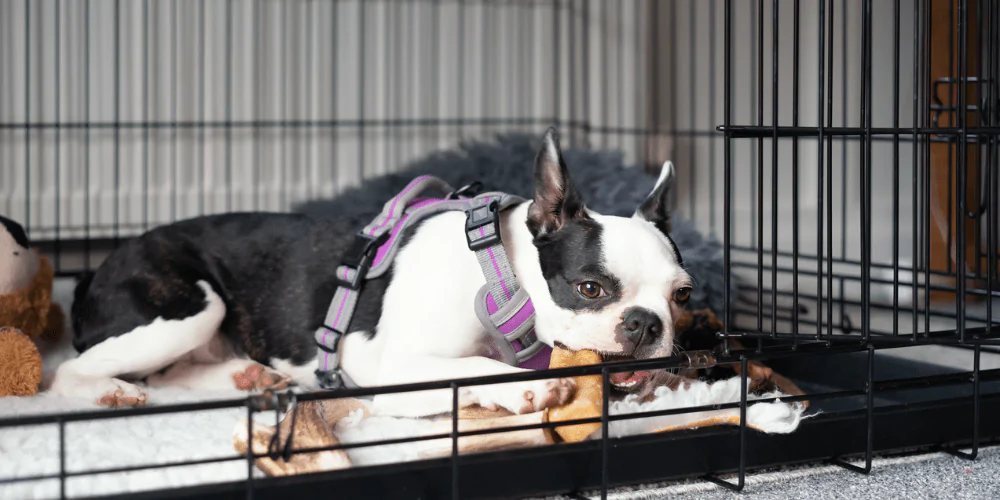


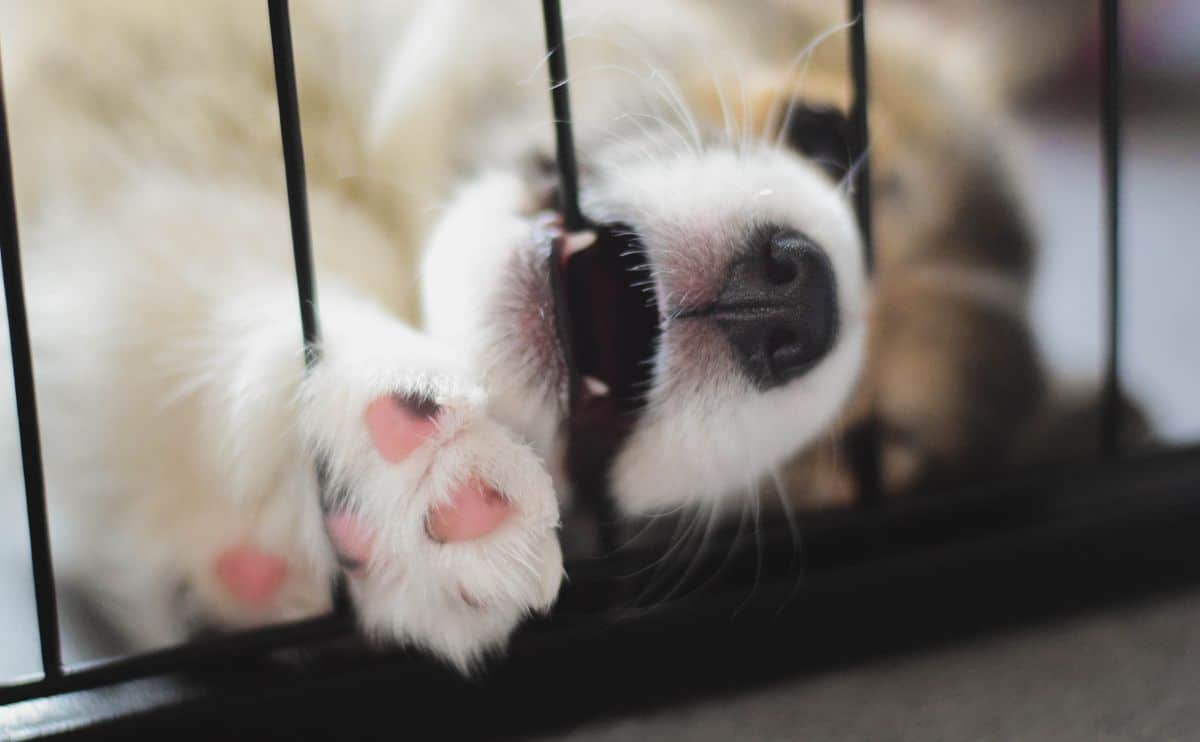


Monitoring the dog closely during initial training phases prevents minor exploration from escalating into a dangerous habit.
Breed predispositions and developmental stages shape containment challenges
Breed predispositions and developmental stages shape containment challenges and dictate how much physical outlet a young dog requires. Working and herding breeds possess high stamina and intense mental drive, meaning standard enclosure periods without prior exercise frequently result in frantic chewing. Smaller toy breeds have different physical constraints, such as higher metabolic rates and tiny bladders, which can trigger restlessness and subsequent chewing if confinement exceeds their biological limits. Recognizing the specific traits outlined in comprehensive guides on Dog Breeds helps caregivers tailor their expectations and management plans to match individual biological needs. Age-specific milestones also dictate pacing, as younger animals require more frequent bathroom breaks and shorter confinement stretches.
Consulting veterinary professionals ensures physical discomfort is ruled out
Consulting veterinary professionals ensures physical discomfort is ruled out before attributing destructive behavior entirely to environmental stress or boredom. Persistent, frantic chewing can sometimes stem from underlying medical issues like gastrointestinal upset, nutritional deficiencies, or painful oral pathologies that cause the animal to seek intense tactile feedback. If standard desensitization methods and increased exercise fail to curb the habit, scheduling an examination through resources focused on Dog Health is an essential next step. For severe panic behaviors, partnering with a qualified professional who specializes in Dog Behavior guarantees that evidence-based, fear-free protocols are implemented safely.
Creating a harmonious environment supports long-term canine well-being
Creating a harmonious environment supports long-term canine well-being by transforming a source of anxiety into a peaceful resting sanctuary. Understanding the root causes of destructive habits allows caregivers to respond with empathy and structured guidance rather than frustration. Exploring additional educational resources on Dog Training and practical Dog Care equips owners with the tools necessary to nurture a confident, well-adjusted companion. By prioritizing patience, safety, and positive reinforcement, every household can foster a secure living space that benefits both human and animal. Visit PetsAnimalsWorld.com to discover more expert tips for raising a happy and healthy canine.




