

Understanding the sudden tug of fabric around the ankles reveals a deeply rooted instinct in young herding dogs.
According to the American Kennel Club, herding breeds possess an innate genetic predisposition to control movement by gathering and directing livestock. When a household member walks past, flowing pant legs or loose skirts trigger this ancient working drive. In professional behavior consultations, households often report that young dogs target moving targets with surprising intensity. Recognizing the core drivers behind this behavior helps transform frustration into productive management.
💡 Pet Care Key Takeaways:
- Core Focus: Practical health, nutrition, and wellness guidelines for Why Do Collie Puppies Nip.At Clothes.
- Target Scope: Pet owners, animal caregivers, and veterinary support staff.
- Best Recommendation: Maintain consistent daily routines and consult an accredited veterinarian before introducing major diet or medical changes.
Collie puppies nip at clothes because their natural herding instincts and predatory sequence are actively developing.
Herding behavior is a modified form of predatory motor patterns, consisting of orienting, eyeing, stalking, chasing, biting, and herding. Canine development guides note that puppies explore the world through their mouths, much like human infants use their hands. When these youngsters latch onto a moving hemline, they are engaging in normal puppy behavior known as play biting or investigative mouthing. Rather than displaying true aggression, the dog is reacting to visual stimuli that mimic fleeing livestock.
Ignoring this developmental phase without redirection can inadvertently reinforce inappropriate mouthing habits.
Allowing a young dog to tug on garments teaches the animal that clothing grabs result in high-energy interactions, whether positive or negative. Moving quickly away or yelling often mimics the erratic movement of a fleeing animal, which unfortunately intensifies the dog’s excitement. Furthermore, repeated tugging can damage wardrobe items and inadvertently teach the animal that humans are fun chew toys. Establishing clear boundaries early on prevents these playful tendencies from escalating into adult behavior issues.
Puppy socialization and early behavioral intervention are critical for managing innate working drives — American Kennel Club
Redirecting the energy toward appropriate outlets remains the most effective strategy for curbing clothing grabs.
Teaching an incompatible behavior, such as carrying a durable toy or a long-lasting chew item, keeps the mouth occupied when humans walk by. Certified professional trainers recommend keeping a handful of high-value treats near doorways to reward calm four-pawed greetings instead of jumping and grabbing. When the animal targets fabric, freezing completely eliminates the moving-prey trigger, causing the dog to release the fabric out of sheer boredom.
Consistency and patience prevent confusion during daily interactions with young canines.
Avoid physical corrections or shouting, as punitive measures can induce fear or trigger defensive reactions in sensitive herding breeds. Owners frequently make the mistake of waving hands or running away, which inadvertently turns clothing biting into an exciting game of chase. Instead, calmly turning the back and stepping away removes all social attention immediately. Incorporating structured mental enrichment games throughout the day satisfies the cognitive needs of the animal, reducing spontaneous outbursts.
Positive reinforcement methods successfully reduce unwanted mouthing without damaging the human-animal bond — American Society for the Prevention of Cruelty to Animals
Pet Care & Wellness Overview Table
| Life Stage | Daily Activity Level | Key Nutrition / Care Focus |
|---|---|---|
| Puppy / Kitten | High (frequent short bursts) | High-protein growth diet & early socialization |
| Adult Companion | Moderate (30–60 mins daily) | Balanced maintenance nutrition & dental hygiene |
| Senior Pets | Low to Gentle (mindful walks) | Joint support (Glucosamine) & routine vet checks |
Images References


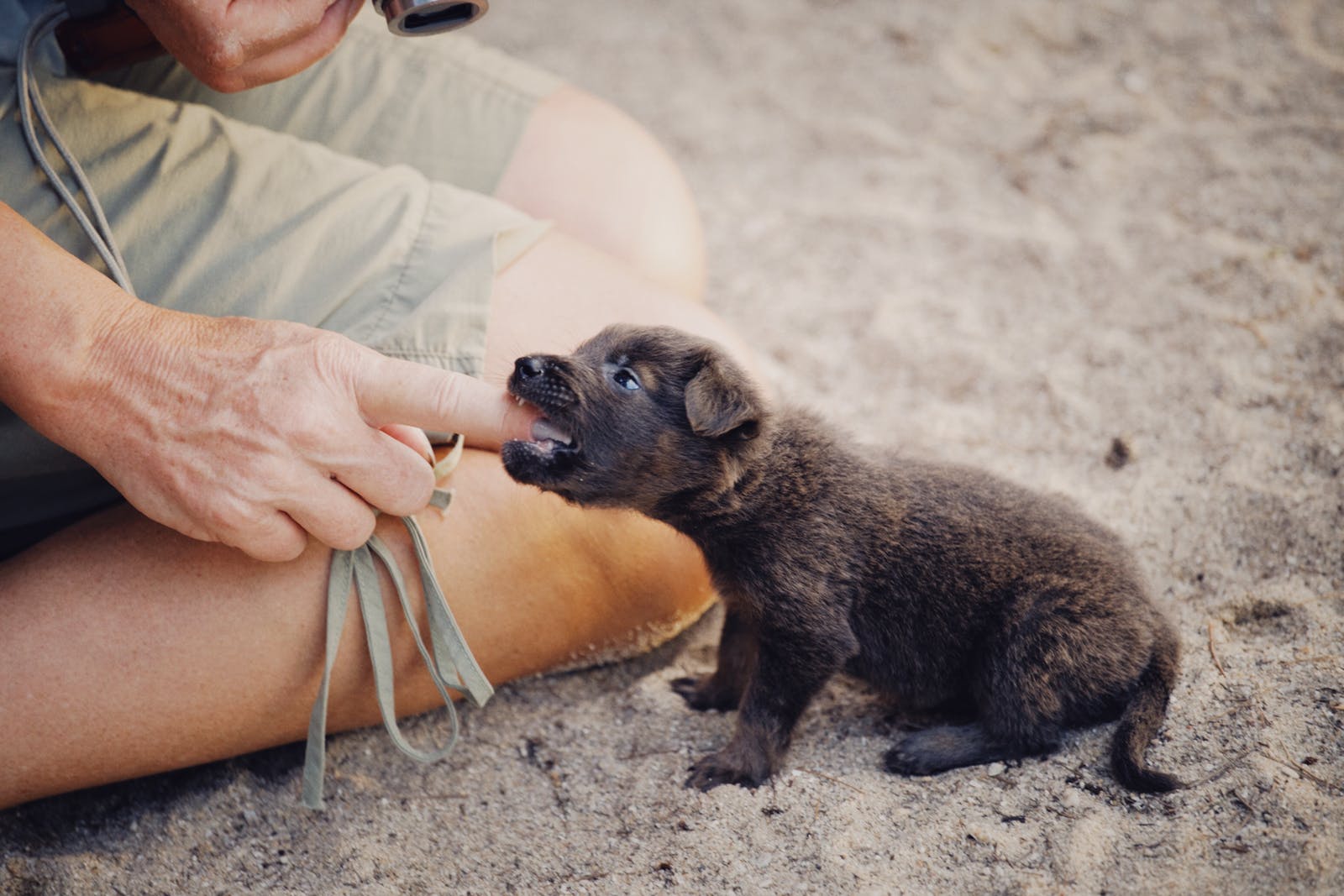


Breed-specific traits and high intelligence levels mean these dogs require substantial mental and physical engagement.
Both Rough and Smooth Collies are sensitive, intelligent, and eager to work alongside their human companions. A tired puppy rarely has the excess energy required to stalk ankles and ambush pant legs. Incorporating basic obedience games, scent tracking, and puzzle toys satisfies their need for a job. Understanding these unique Dog Breeds characteristics ensures expectations align with the animal’s developmental stage.
Professional behavioral guidance becomes necessary if the biting escalates into hard, unbroken skin punctures or unprovoked aggression.
While normal puppy exploration involves gentle mouthing, escalating intensity accompanied by stiff body postures warrants professional evaluation. Consulting a qualified professional through Dog Behavior resources helps identify underlying triggers like over-arousal or overtiredness. For persistent difficulties, working alongside a certified veterinary behaviorist ensures safety Dog Health standards are consistently prioritized.
Guiding a young working dog through the mouthing phase takes time, empathy, and consistent structure.
Navigating the puppy months requires dedication to positive reinforcement and environmental management. By understanding why collie puppies nip at clothes, owners can build a harmonious relationship rooted in mutual trust. Explore additional expert tips on Dog Training and general Dog Care across PetsAnimalsWorld.com to support your journey.




