Introduction
When a canine companion embarks on the journey of motherhood, a significant shift in nutritional requirements occurs. The term “puppy food for pregnant dog” refers to the practice of feeding a nutrient-dense diet, typically formulated for puppies, to a gestating or lactating female dog. This approach is rooted in the understanding that the physiological demands of pregnancy and milk production dramatically increase a dog’s need for calories, protein, fats, and essential minerals. Utilizing puppy food for pregnant dogs is a common, often recommended, strategy to ensure both the mother’s health and the optimal development of her puppies. By understanding the rationale behind this dietary adjustment, dog owners can proactively support their dog’s well-being throughout this critical reproductive phase, contributing to healthier litters and a robust recovery for the mother. Explore more in our Dog Nutrition collection.
💡 Pet Care Key Takeaways:
- Core Focus: Practical health, nutrition, and wellness guidelines for Puppy Food For Pregnant Dog.
- Target Scope: Pet owners, animal caregivers, and veterinary support staff.
- Best Recommendation: Maintain consistent daily routines and consult an accredited veterinarian before introducing major diet or medical changes.
Common Causes and Key Factors
The primary reason for transitioning a pregnant dog to puppy food revolves around the substantial increase in nutritional demands during gestation and, even more so, during lactation. A standard adult maintenance diet is typically insufficient to meet these elevated needs, which are comparable to, or even exceed, those of a growing puppy. For more related activities, check out our Natural Balance Puppy Food Quantity Chart.
Elevated Energy Requirements: As pregnancy progresses, particularly in the last trimester (the final three weeks), the growth of the fetuses accelerates, leading to a significant increase in the mother’s caloric needs. During lactation, the energy required for milk production can be 2 to 4 times higher than a non-pregnant, non-lactating dog’s baseline requirements, depending on the litter size. Puppy foods are specifically formulated with higher caloric density to support rapid growth, making them ideal for meeting these increased energy demands. Discover more free resources across our collection library.
Increased Protein and Fat Content: Puppy foods are rich in protein and fat, essential for fetal development, uterine growth, mammary gland development, and eventually, milk production. Protein is crucial for building tissues in both the mother and puppies, while fats provide concentrated energy and essential fatty acids vital for neural development in the puppies.
Optimal Mineral Balance: Critical minerals such as calcium and phosphorus are vital for skeletal development in puppies and for maintaining the mother’s bone health, especially during heavy milk production. Puppy diets are typically balanced with appropriate levels of these minerals to support growth without the risks associated with improper supplementation.
Digestibility and Palatability: Many pregnant dogs may experience decreased appetite or nausea, particularly in early pregnancy. Puppy foods are often highly palatable and easily digestible, which can encourage food intake and ensure maximum nutrient absorption during a time when the dog’s body is under considerable stress.
Signs and Symptoms to Observe
Observing a pregnant dog’s physical condition and behavior is crucial for determining if her nutritional needs are being met. While the direct impact of using or not using puppy food might not be immediately apparent, several signs indicate whether a dog is receiving adequate nutrition during pregnancy and lactation.
Body Condition Score Changes: Monitoring the dog’s body condition is paramount. A healthy pregnant dog should gain weight steadily throughout gestation, primarily in the last trimester. Excessive weight loss or a noticeable decline in muscle mass could indicate insufficient caloric or protein intake. Conversely, excessive weight gain may lead to birthing difficulties.
Energy Levels: A well-nourished pregnant dog should maintain reasonable energy levels for her stage of pregnancy, although a slight decrease in activity is normal as whelping approaches. Lethargy or extreme fatigue outside of typical resting periods might suggest nutritional deficiencies.
Coat and Skin Health: A dull, dry, or flaky coat, or poor skin elasticity, can be an indicator of an inadequate diet, particularly deficiencies in essential fatty acids and vitamins, which are typically abundant in high-quality puppy food.
Appetite Fluctuations: While some dogs experience a transient decrease in appetite early in pregnancy, a persistent lack of interest in food, or an inability to consume sufficient quantities, warrants attention. During lactation, a ravenous appetite is common and expected, reflecting the immense energy expenditure.
Post-Whelping Recovery and Puppy Health: After birth, a mother dog’s rapid recovery and the robust health, growth, and vitality of her puppies are strong indicators of successful prenatal and lactational nutrition. Puppies failing to thrive, or a mother showing signs of exhaustion, significant weight loss, or poor milk production, can point to nutritional shortcomings during the critical period of feeding puppy food for pregnant dog.
Practical Solutions and Management Strategies
Implementing a suitable dietary plan for a pregnant or lactating dog involves careful consideration and gradual adjustments. The goal is to provide optimal nutrition without causing digestive upset or imbalances.
Gradual Dietary Transition: The transition to puppy food should be gradual, typically over 5 to 7 days, to prevent gastrointestinal upset. It is generally recommended to start this transition around the third to fourth week of pregnancy, ensuring the dog is fully accustomed to the new diet by the time her nutritional needs peak in the final trimester.
Choosing the Right Puppy Food: Select a high-quality, complete, and balanced puppy formula. Look for foods specifically labeled for “growth” or “all life stages,” as these formulations are designed to meet the intensive nutritional requirements of growing animals, which align well with the needs of a pregnant or lactating dog. Focus on formulas with adequate protein (around 28-32%), fat (17-22%), and appropriate levels of calcium and phosphorus. Avoiding foods with excessive calcium is important, as this can paradoxically contribute to eclampsia (milk fever) by disrupting the body’s natural calcium regulation.
Adjusting Feeding Amounts and Frequency: During the last trimester, caloric intake may need to increase by 15-25% above maintenance levels. During peak lactation, it can be 2 to 4 times the maintenance level. Dividing the daily food ration into several smaller meals (3-4 times a day) can aid digestion, prevent stomach discomfort, and ensure consistent nutrient intake, especially as the uterus expands and reduces stomach capacity. Free-feeding during lactation is often recommended due to the extremely high caloric demands.
Ensuring Constant Access to Fresh Water: Hydration is paramount, particularly for milk production. Always ensure a clean, fresh water supply is readily available.
Regular Monitoring of Weight and Body Condition: Daily observation and weekly weighing can help track progress and allow for timely adjustments to feeding amounts. The goal is to maintain a healthy body condition score (BCS) throughout, avoiding both obesity and excessive thinness.
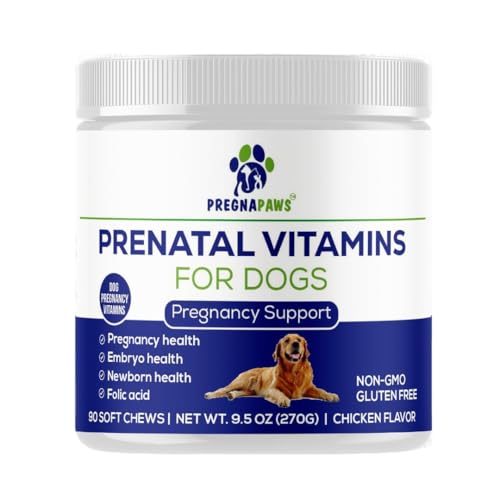
Avoiding Unnecessary Supplementation: High-quality puppy food is typically fortified with all necessary vitamins and minerals. Supplementation, especially with calcium, unless specifically directed by a veterinarian, can be harmful. Excess calcium given orally before or during whelping can inhibit the natural hormonal mechanisms that regulate calcium metabolism, increasing the risk of eclampsia.
When Professional Help May Be Needed
While dietary management with puppy food for a pregnant dog is a common practice, certain situations warrant immediate veterinary consultation. Recognizing these instances ensures the best possible outcome for both the mother and her developing litter.
Persistent Anorexia or Refusal to Eat: If a pregnant or lactating dog refuses to eat for more than 24 hours, or consistently shows a lack of appetite, veterinary attention is crucial. This could indicate an underlying health issue unrelated to nutrition or severe nausea that requires medical management.
Excessive Weight Loss or Gain: Dramatic or unexpected changes in body weight or condition score outside of typical pregnancy progression should be evaluated. Rapid weight loss can signify inadequate nutrition or illness, while excessive weight gain might predispose the dog to birthing complications.
Signs of Illness: Any signs of illness, such as persistent vomiting, diarrhea, lethargy, fever, unusual vaginal discharge, or difficulty breathing, require prompt veterinary assessment. These symptoms can be indicative of serious complications impacting the health of the mother and puppies.
Concerns During Whelping or Lactation: Difficulties during labor, insufficient milk production, or any signs of eclampsia (such as restlessness, panting, muscle tremors, or seizures) are medical emergencies requiring immediate veterinary intervention.
Pre-existing Health Conditions: Dogs with pre-existing medical conditions (e.g., diabetes, kidney disease, heart conditions) require specialized dietary management throughout pregnancy and lactation. A veterinarian can tailor a nutritional plan that addresses both the pregnancy and the existing health challenge, often requiring prescription diets beyond standard puppy food.
Uncertainty Regarding Dietary Choices: When there is doubt about the most appropriate type of puppy food, feeding schedule, or the need for specific supplements, consulting with a veterinarian or a board-certified veterinary nutritionist is always the safest course of action. Their expertise can provide tailored recommendations based on the individual dog’s breed, size, health status, and litter size.
Conclusion
The nutritional demands placed on a dog during pregnancy and lactation are extraordinary, making the selection of an appropriate diet a cornerstone of responsible breeding and care. Feeding puppy food for a pregnant dog is a well-established and highly effective strategy to meet these elevated requirements for calories, protein, fats, and essential minerals. By transitioning to a high-quality, complete, and balanced puppy formula, dog owners provide the building blocks necessary for healthy fetal development and robust milk production, while also supporting the mother’s strength and recovery. Consistent monitoring of body condition, careful attention to appetite, and prompt veterinary consultation for any concerns are essential components of this critical period. Prioritizing optimal nutrition ensures the best possible start for new life and safeguards the long-term well-being of the maternal dog, embodying the commitment to exceptional care championed by petsanimalsworld.com.
Pet Care & Wellness Overview Table
| Life Stage | Daily Activity Level | Key Nutrition / Care Focus |
|---|---|---|
| Puppy / Kitten | High (frequent short bursts) | High-protein growth diet & early socialization |
| Adult Companion | Moderate (30–60 mins daily) | Balanced maintenance nutrition & dental hygiene |
| Senior Pets | Low to Gentle (mindful walks) | Joint support (Glucosamine) & routine vet checks |
Images References