

Introduction
The journey of raising a puppy is filled with joy, discovery, and a significant focus on providing optimal care, especially concerning nutrition. Puppy food supplements refer to additional nutritional products, beyond a standard puppy kibble or wet food, intended to support a puppy’s growth, development, and overall health. Understanding these supplements is crucial for dog owners because while a high-quality commercial puppy food typically provides a complete and balanced diet, certain situations or individual puppy needs might warrant additional nutritional support. The appropriate use of supplements can play a pivotal role in preventing deficiencies, aiding specific developmental stages, and promoting a robust start to a dogs life, ultimately improving well-being and long-term health.
💡 Pet Care Key Takeaways:
- Core Focus: Practical health, nutrition, and wellness guidelines for Puppy Food Supplements.
- Target Scope: Pet owners, animal caregivers, and veterinary support staff.
- Best Recommendation: Maintain consistent daily routines and consult an accredited veterinarian before introducing major diet or medical changes.
Common Causes and Key Factors
The decision to consider puppy food supplements often stems from several key factors related to a puppy’s rapid growth and specific nutritional demands. One primary consideration arises when a puppy is fed a homemade diet. Without expert formulation, homemade meals can frequently lack the precise balance of vitamins, minerals, and other essential nutrients crucial for a growing puppy, making supplementation a necessity. Even with commercial foods, although many are marketed as “complete and balanced,” variations in quality and ingredient bioavailability exist, potentially leading to minor deficiencies in certain individuals. For more related activities, check out our Ol Roy Ingredients List.
Rapid growth phases, particularly in large and giant breeds, present unique challenges. These puppies require precise ratios of calcium and phosphorus, along with other nutrients, to support healthy bone and joint development and prevent growth disorders. Stress, illness, or recovery from surgery can also increase a puppy’s nutritional requirements or impair nutrient absorption, prompting the need for targeted supplementation to support healing and immune function. Furthermore, puppies with specific health conditions, such as digestive sensitivities, skin allergies, or predispositions to joint issues, may benefit from specific supplements designed to mitigate these concerns.
Signs and Symptoms to Observe
Observing a puppy’s physical condition and behavior provides valuable insights into its nutritional status and potential need for supplementation. A dull, dry, or brittle coat, along with flaky skin, can indicate deficiencies in essential fatty acids or certain vitamins. Lethargy, a lack of playful energy, or slower than expected growth rates may point towards inadequate caloric intake or micronutrient deficiencies. Digestive upset, such as persistent diarrhea, constipation, or recurrent vomiting, could signal an imbalance in gut flora or a lack of specific digestive enzymes, which certain supplements can address.
For puppies, especially those of larger breeds, signs of discomfort or lameness, stiffness after rest, or an unusual gait might suggest developing bone or joint issues, highlighting a potential need for joint-supporting supplements. A puppy that seems to get sick frequently or struggles to recover from common ailments might have a compromised immune system that could benefit from immune-boosting nutrients. It is important to remember that these signs are general indicators and can vary significantly based on the puppy’s age, breed, and overall environment, necessitating a careful and informed approach to assessment.
Practical Solutions and Management Strategies
The cornerstone of a puppy’s nutritional well-being is a high-quality, complete, and balanced commercial puppy food appropriate for its breed size and age. This foundational diet should always be the first consideration. Before introducing any puppy food supplements, a thorough consultation with a veterinarian is paramount. This professional guidance ensures that any potential deficiencies are accurately identified and that the chosen supplements are appropriate, correctly dosed, and will not cause adverse effects or nutrient imbalances.
Various types of supplements cater to different needs. Omega-3 fatty acids, particularly DHA, are widely recognized for their role in brain and eye development, and EPA contributes to healthy skin, coat, and anti-inflammatory processes. Probiotics and prebiotics can support a healthy gut microbiome, which is vital for digestion and immune function. Joint support supplements, such as glucosamine and chondroitin, are often considered for large and giant breeds during their rapid growth phase to support cartilage development and joint health. Vitamin and mineral supplements might be recommended if specific deficiencies are confirmed or if a puppy is on a veterinary-supervised homemade diet. Adhering strictly to recommended dosages is critical, as over-supplementation, particularly with certain vitamins and minerals, can be detrimental to a puppy’s health. Ongoing observation of a puppys health and behavior after beginning supplementation allows for adjustments as needed.
When Professional Help May Be Needed
While dog owners are instrumental in their puppy’s daily care, there are clear instances when professional veterinary assistance becomes essential regarding puppy food supplements. If a puppy exhibits persistent symptoms of poor health, such as chronic digestive issues, lethargy, significant coat problems, or developmental abnormalities, despite a high-quality diet, a veterinary examination is crucial. These symptoms could indicate underlying health conditions or severe nutritional deficiencies that require professional diagnosis and treatment.
Any consideration of long-term supplementation, especially beyond basic omega-3s, should always involve a veterinarian. This includes deciding on appropriate types and dosages, particularly for vitamins, minerals, and joint support supplements. For puppies on homemade diets, a consultation with a board-certified veterinary nutritionist is highly recommended to ensure the diet is nutritionally complete and balanced, with supplements precisely chosen to fill any gaps. Additionally, if a puppy experiences adverse reactions after starting a supplement, immediate veterinary attention is necessary to identify the cause and prevent further complications.
Conclusion
Puppy food supplements can serve as valuable tools in promoting the optimal growth and health of young dogs, but their use requires informed decision-making and careful consideration. A high-quality, complete, and balanced commercial puppy food should always form the foundation of a puppy’s diet. Supplements become relevant when specific nutritional gaps are identified, during periods of increased demand, or to support particular health concerns. Prioritizing veterinary consultation before introducing any supplement is the most responsible approach, ensuring that products are chosen wisely, dosed correctly, and genuinely benefit a puppy’s well-being. Through awareness, observation, and consistent, informed care, dog owners can significantly contribute to their puppy’s development into a healthy and thriving adult companion.
Pet Care & Wellness Overview Table
| Life Stage | Daily Activity Level | Key Nutrition / Care Focus |
|---|---|---|
| Puppy / Kitten | High (frequent short bursts) | High-protein growth diet & early socialization |
| Adult Companion | Moderate (30–60 mins daily) | Balanced maintenance nutrition & dental hygiene |
| Senior Pets | Low to Gentle (mindful walks) | Joint support (Glucosamine) & routine vet checks |
Images References


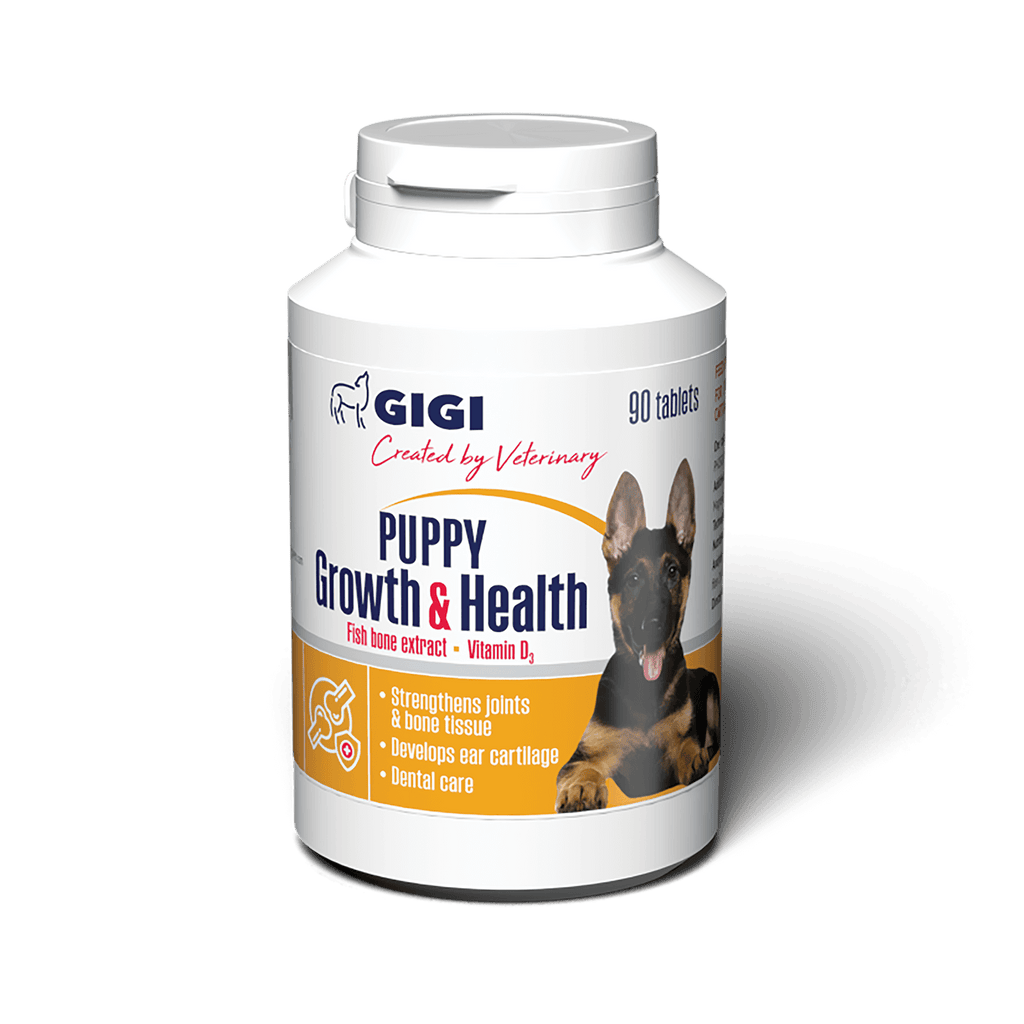

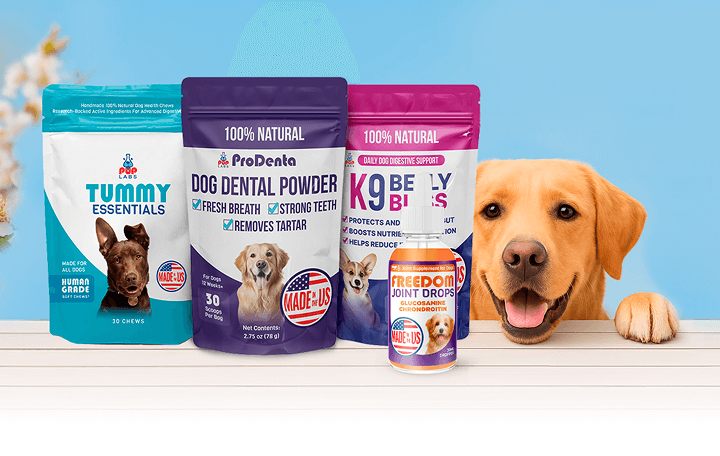
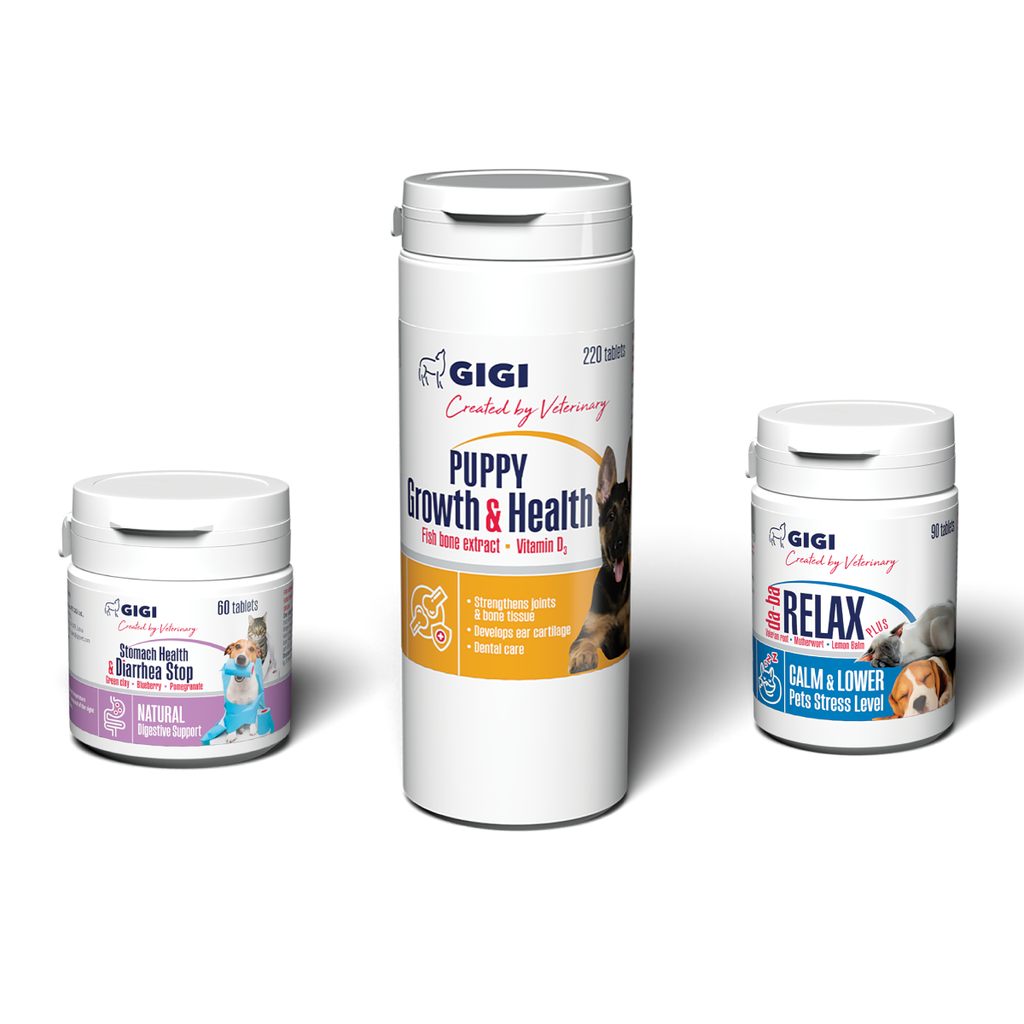


For more expert pet care tips and advice, check out our dedicated Dog Nutrition guides to keep your companions healthy and happy.




