Introduction
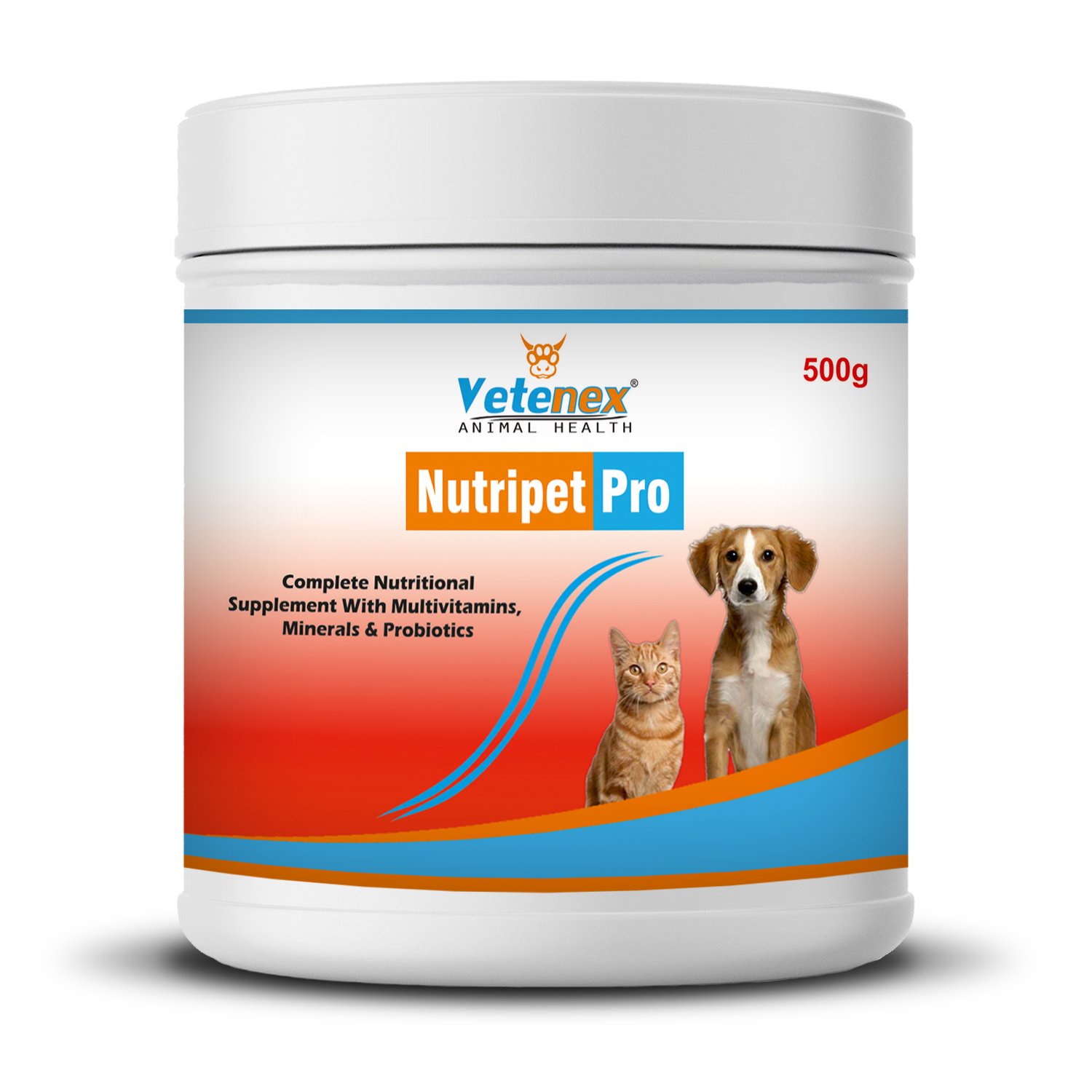
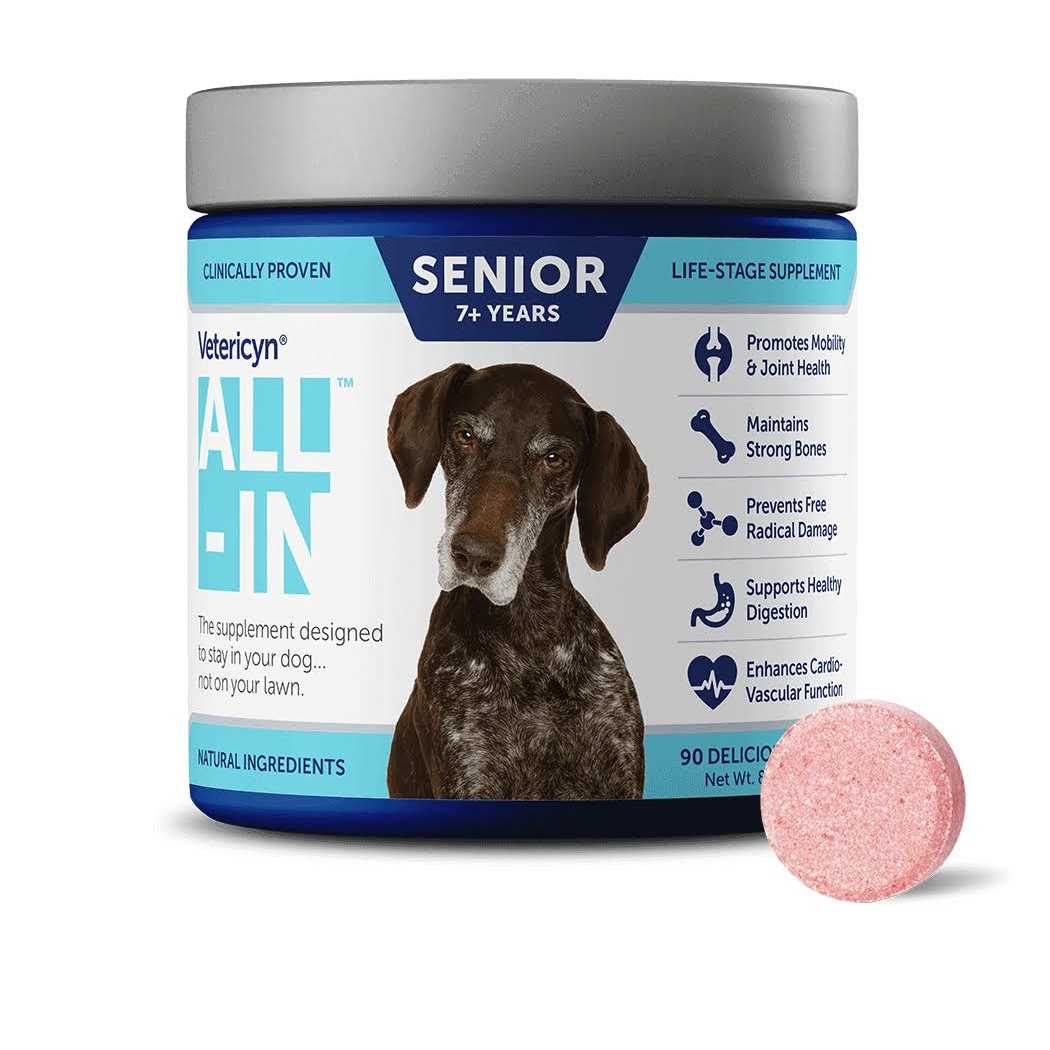
The initial stages of a dog’s life are characterized by rapid development, a critical period that lays the foundation for lifelong health and well-being. During this accelerated growth phase, puppies require precise nutritional support to develop strong bones, healthy organs, a robust immune system, and optimal cognitive function. While high-quality puppy food is designed to meet many of these demands, there are instances where additional support may be considered. This is where the concept of a puppy growth supplement becomes relevant. A puppy growth supplement refers to a product formulated to provide concentrated amounts of vitamins, minerals, amino acids, fatty acids, or other nutritional compounds beyond what a standard diet might offer, with the specific aim of supporting healthy growth and development in young dogs. Understanding the role, benefits, and appropriate use of these supplements is crucial for dog owners seeking to provide comprehensive care and ensure their developing companion thrives. Explore more in our Dog Nutrition collection.
💡 Pet Care Key Takeaways:
- Core Focus: Practical health, nutrition, and wellness guidelines for Puppy Growth Supplement.
- Target Scope: Pet owners, animal caregivers, and veterinary support staff.
- Best Recommendation: Maintain consistent daily routines and consult an accredited veterinarian before introducing major diet or medical changes.
Common Causes and Key Factors
The decision to consider a puppy growth supplement often arises from several key factors related to a puppy’s unique developmental stage and individual circumstances. The most prominent factor is the sheer pace of growth. Puppies, especially those of larger breeds, undergo incredibly rapid physical development, requiring a significantly higher concentration of specific nutrients compared to adult dogs. For more related activities, check out our Ol Roy Ingredients List.
Nutritional gaps can emerge even with a seemingly complete commercial diet. Factors such as a puppy’s individual metabolic rate, breed-specific requirements (e.g., the need for careful calcium-to-phosphorus ratios in large breed puppies to prevent developmental orthopedic diseases), or even the stress of weaning and rehoming can impact nutrient absorption and utilization. Puppies with a history of poor maternal nutrition, those from large litters, or those recovering from illness may also have increased nutritional demands that a standard diet struggles to meet. Furthermore, a puppy’s appetite or a picky eating habit might prevent consistent intake of all necessary nutrients from their food alone. Environmental factors, such as parasites or chronic stress, can also compromise nutrient uptake, making supplementation a consideration. Discover more free resources across our collection library.
Signs and Symptoms to Observe
Observing a puppy’s development closely can help identify signs that might suggest the need for a closer look at their nutritional intake, potentially leading to a discussion about a puppy growth supplement with a veterinarian. One of the most apparent indicators is a slower-than-expected growth rate or failure to gain weight according to breed-specific growth charts. While puppies vary, consistent lagging can be a red flag.
Other observable signs related to potential nutritional deficiencies include a dull, dry, or brittle coat that lacks the typical puppy luster, indicating potential issues with essential fatty acids or other vital nutrients. Persistent lethargy or a noticeable lack of energy, beyond normal rest periods, could also suggest inadequate nutritional support. Digestive issues like chronic mild diarrhea or inconsistent stool quality might point to imbalances in gut flora or malabsorption, areas where certain supplements like probiotics can assist. In some cases, puppies might exhibit a poor appetite or an unusual interest in eating non-food items, which can occasionally signal a craving for specific nutrients. While less common with modern diets, subtle signs of musculoskeletal weakness or discomfort, particularly in large breeds, should always prompt veterinary attention as they could relate to improper bone development.
Practical Solutions and Management Strategies
When considering a puppy growth supplement, a structured approach, prioritizing veterinary consultation, is paramount. The first and most crucial step involves a thorough examination and discussion with a qualified veterinarian. This professional guidance ensures that any observed issues are accurately diagnosed and that supplementation is truly warranted and appropriate for the individual puppy’s needs, age, breed, and current diet.
Prior to introducing any supplement, it is essential to ensure a high-quality, balanced puppy diet forms the foundation of the nutritional plan. Supplements are designed to complement, not replace, a complete and appropriate puppy food. If a supplement is recommended, understanding its ingredients is beneficial. Common components often include essential vitamins (A, D, E, B-complex), minerals (calcium, phosphorus, zinc, iron), omega-3 fatty acids (especially DHA for brain and eye development), amino acids, and sometimes probiotics or prebiotics for gut health. Joint support ingredients like glucosamine and chondroitin may be included for large and giant breeds.
Precise adherence to dosage instructions provided by the veterinarian or the manufacturer is critical to avoid over-supplementation, which can be as detrimental as a deficiency. Supplements come in various forms, such as chews, powders, or liquids, offering flexibility in administration. Continuous monitoring of the puppy’s health, behavior, and growth is necessary to assess the supplement’s effectiveness and to make any necessary adjustments under veterinary supervision. This responsible approach ensures that a puppy receives targeted support for optimal development without unintended side effects.
When Professional Help May Be Needed
While the consideration of a puppy growth supplement can be a part of responsible pet ownership, recognizing when professional veterinary intervention is absolutely essential is key. Any decision to introduce a supplement should ideally begin with a consultation with a veterinarian. This initial step helps rule out underlying medical conditions that might be masquerading as nutritional deficiencies and ensures that any supplementation plan is safe and appropriate for the puppy’s specific health profile.
Immediate professional help is needed if a puppy exhibits severe or persistent symptoms such as extreme lethargy, prolonged loss of appetite, consistent vomiting or diarrhea, significant lameness, or visible developmental abnormalities. If a puppy is failing to thrive, not meeting expected growth milestones for its breed, or showing signs of discomfort or pain, a veterinarian can conduct diagnostic tests to identify the root cause. Furthermore, if a puppy experiences any adverse reactions after starting a supplement, such as digestive upset, skin irritation, or behavioral changes, veterinary advice should be sought promptly. Professional guidance ensures that all aspects of a puppy’s health are considered, leading to accurate diagnosis and effective management, whether through dietary adjustments, supplementation, or medical treatment.
Conclusion
The journey of raising a puppy is filled with growth, learning, and discovery, and ensuring optimal physical development is a cornerstone of this experience. A puppy growth supplement can serve as a valuable tool in supporting this critical phase, addressing specific nutritional needs that might extend beyond a standard diet. However, its effective and safe use hinges on informed decision-making and, most importantly, collaboration with veterinary professionals. By prioritizing a high-quality diet, observing a puppy’s growth and behavior attentively, and seeking expert guidance when considering or implementing supplements, dog owners can proactively contribute to their companion’s robust health. This commitment to comprehensive care not only fosters strong physical development but also lays the groundwork for a lifetime of well-being, reinforcing the educational mission of petsanimalsworld.com to empower pet owners with reliable information.
Pet Care & Wellness Overview Table
| Life Stage | Daily Activity Level | Key Nutrition / Care Focus |
|---|---|---|
| Puppy / Kitten | High (frequent short bursts) | High-protein growth diet & early socialization |
| Adult Companion | Moderate (30–60 mins daily) | Balanced maintenance nutrition & dental hygiene |
| Senior Pets | Low to Gentle (mindful walks) | Joint support (Glucosamine) & routine vet checks |
Images References