

Introduction
A well-structured puppy meal plan forms the cornerstone of a young dog’s healthy development and lifelong well-being. It defines the specific foods, quantities, and feeding schedule necessary to meet the unique and rapidly evolving nutritional demands of a growing puppy. Unlike adult dogs, puppies experience rapid growth, develop their immune systems, and require a precise balance of nutrients to support bone, muscle, and organ development. Issues stemming from inadequate or improper feeding during this critical period can lead to long-term health problems, affecting everything from skeletal integrity to energy levels and overall vitality. Understanding the principles behind a comprehensive puppy meal plan allows pet owners to provide optimal care, ensuring a solid foundation for a healthy, happy canine companion.
💡 Pet Care Key Takeaways:
- Core Focus: Practical health, nutrition, and wellness guidelines for Puppy Meal Plan.
- Target Scope: Pet owners, animal caregivers, and veterinary support staff.
- Best Recommendation: Maintain consistent daily routines and consult an accredited veterinarian before introducing major diet or medical changes.
Common Causes and Key Factors
The necessity for a carefully constructed puppy meal plan arises from several biological and situational factors unique to a dog’s early life. Puppies undergo an intense period of growth, demanding significantly more calories and specific nutrients per pound of body weight than adult dogs. Their digestive systems are also more sensitive and still maturing, necessitating easily digestible food formulations. For more related activities, check out our “Fortiflora” And “Gut Health”.
Key factors influencing a puppy’s meal plan include:
- Age and Growth Stage: Nutritional needs change as a puppy matures from weaning through adolescence. Younger puppies require more frequent feedings of specially formulated food.
- Breed Size: Small breeds grow to maturity faster and have different metabolic rates compared to large and giant breeds. Large and giant breed puppies require specialized diets to manage their rapid growth rate and prevent skeletal development issues, particularly concerning calcium and phosphorus balance.
- Activity Level: Highly active puppies burn more calories and may require slightly larger portions than less active ones, though consistent monitoring is essential.
- Health Status: Any underlying health conditions, allergies, or sensitivities will dictate specific dietary adjustments recommended by a veterinarian.
- Transition from Mother’s Milk: The period of weaning and transition to solid food is crucial, requiring a gradual introduction of puppy-specific kibble or wet food.
Ignoring these factors can lead to nutritional imbalances, affecting proper development and potentially causing health complications later in life.
Signs and Symptoms to Observe
Observing a puppy’s physical condition and behavior provides valuable insights into the effectiveness of its meal plan. A well-nourished puppy typically displays clear signs of health and vitality, while inadequate nutrition can manifest through various observable symptoms.
Signs of a healthy, well-fed puppy include:
- Appropriate weight gain for its age and breed.
- A shiny, healthy coat and bright eyes.
- Consistent energy levels and playful behavior.
- Firm, well-formed stools.
- A good appetite without excessive hunger or reluctance to eat.
Conversely, several signs may indicate issues with a puppy’s meal plan or underlying nutritional deficiencies:
- Failure to Thrive: Lack of appropriate weight gain or even weight loss, often accompanied by lethargy.
- Poor Coat Condition: A dull, dry, or flaky coat, which can suggest insufficient essential fatty acids or other nutrient deficiencies.
- Digestive Upset: Frequent vomiting, diarrhea, or persistent soft stools can indicate an intolerance to food ingredients, overfeeding, or an unbalanced diet.
- Low Energy or Hyperactivity: Both extremes can be symptoms of an improper caloric intake or nutrient imbalance.
- Excessive Hunger or Food Guarding: While puppies are often food-motivated, extreme hunger or resource guarding might signal underfeeding or nutritional deficiencies.
- Skeletal Abnormalities: Limping, lameness, or visible deformities, particularly in large breeds, can be a serious sign of improper calcium and phosphorus balance during rapid growth.
- Underweight or Overweight: Both conditions carry health risks and indicate a need to adjust portion sizes and food type.
Early recognition of these signs is vital for prompt intervention and adjustment of the puppy meal plan.
Practical Solutions and Management Strategies
Establishing an effective puppy meal plan involves thoughtful consideration of food choice, portion control, and a consistent feeding schedule. These practical strategies contribute significantly to a puppy’s healthy development.
- Select High-Quality Puppy Food: Opt for commercial dog foods specifically formulated for puppies. These products contain the correct balance of protein, fats, vitamins, and minerals essential for growth. For large and giant breeds, choosing a large breed puppy formula is critical to manage growth rates and support proper bone development, as these diets often have controlled calcium levels.
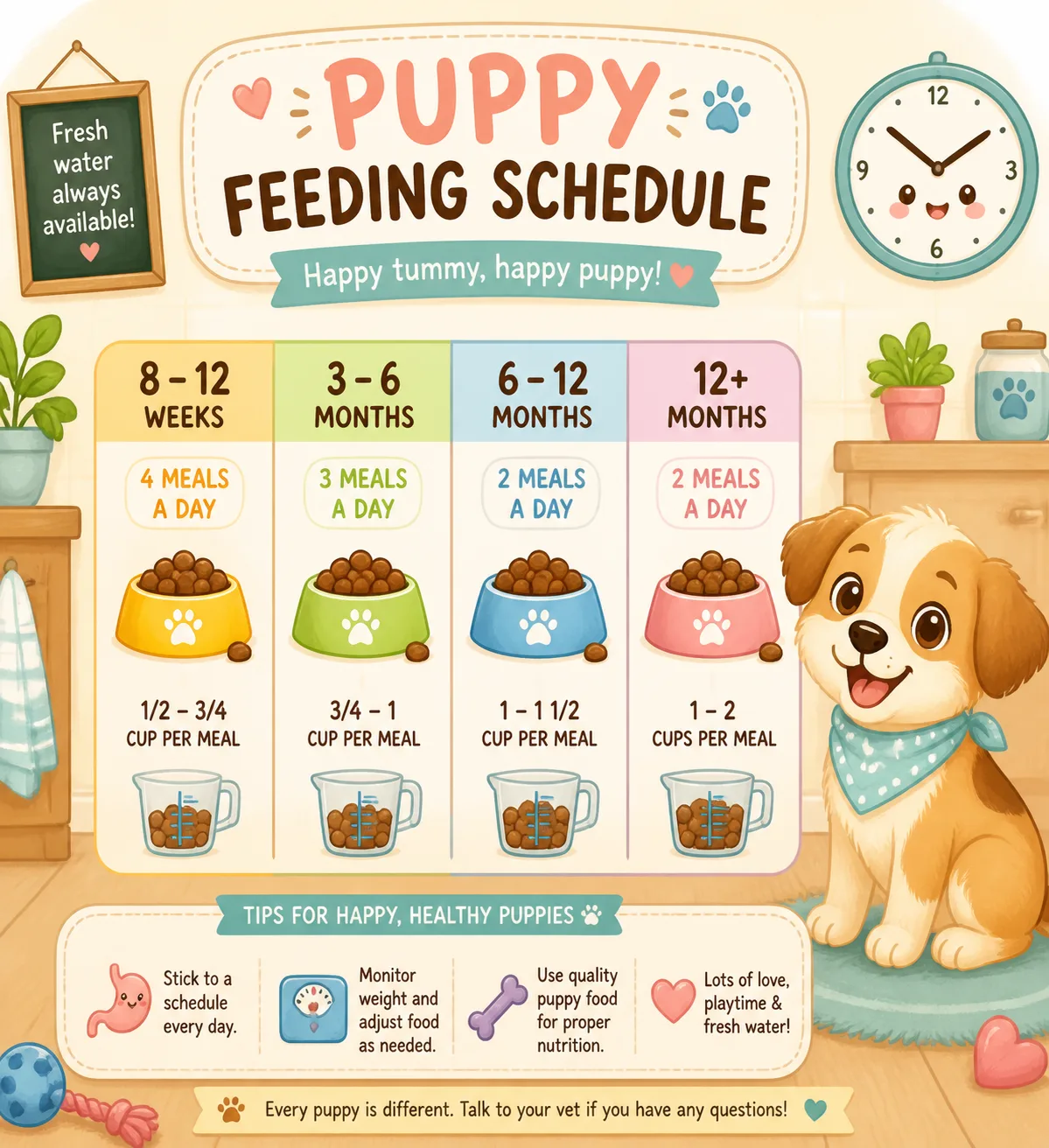
- Establish a Consistent Feeding Schedule: Young puppies (8-12 weeks) generally require 3-4 meals per day. This frequency gradually reduces to 2-3 meals by 4-6 months, and then typically to 2 meals per day as they approach adulthood. Consistency in timing helps establish routine, aids digestion, and can prevent unwanted behaviors.
- Practice Appropriate Portion Control: Follow the feeding guidelines provided on the puppy food packaging, using a measuring cup to ensure accuracy. These are starting points and may need adjustment based on the individual puppy’s activity level, metabolism, and body condition. Regularly assess the puppy’s body condition score to ensure it is neither over- nor underfed.
- Ensure Constant Access to Fresh Water: Hydration is paramount. Always have a bowl of clean, fresh water available for the puppy.
- Introduce New Foods Gradually: When transitioning a puppy to a new food brand or from puppy to adult formula, do so over 7-10 days. Gradually mix increasing amounts of the new food with decreasing amounts of the old food to prevent digestive upset.
- Limit Treats and Table Scraps: Treats should make up no more than 10% of a puppy’s daily caloric intake to prevent nutritional imbalance and weight gain. Table scraps are generally discouraged as they can introduce harmful ingredients, lead to digestive issues, and encourage begging behaviors.
- Create a Calm Feeding Environment: Feed the puppy in a quiet, designated area free from distractions. This reduces stress and helps the puppy focus on eating, promoting better digestion.
- Monitor Growth and Health: Regular weigh-ins and veterinary check-ups are crucial to track growth patterns and address any emerging nutritional concerns.
When Professional Help May Be Needed
While establishing a sound puppy meal plan is often a straightforward process, certain situations warrant professional veterinary consultation. Recognizing when to seek expert advice ensures that any serious nutritional or health issues are addressed promptly and effectively.
Professional help should be sought if:
- Persistent Digestive Issues Occur: Chronic vomiting, diarrhea, or a prolonged lack of appetite are serious symptoms that require veterinary investigation. These could indicate food intolerances, parasites, or more severe underlying health conditions.
- Significant Weight Concerns Arise: A puppy experiencing a consistent failure to gain weight, rapid weight loss, or conversely, excessive and unhealthy weight gain needs professional assessment. These issues can have long-term consequences on skeletal development and overall health.
- Signs of Nutritional Deficiencies Appear: Symptoms such as a dull coat, lethargy, developmental delays, or unusual bone or joint issues (especially in large breeds) necessitate veterinary diagnosis to rule out specific nutrient deficiencies or imbalances.
- Food Allergies or Intolerances are Suspected: If a puppy exhibits skin irritations, chronic ear infections, or consistent digestive upset after consuming certain foods, a veterinarian can help identify potential allergens and recommend an appropriate hypoallergenic or limited ingredient diet.
- Dietary Guidance for Specific Conditions is Required: For puppies with pre-existing health conditions like kidney disease, diabetes, or severe allergies, a veterinarian or a board-certified veterinary nutritionist can formulate a tailored therapeutic meal plan.
- Transition to a Homemade Diet is Considered: If an owner is considering a homemade diet for their puppy, professional guidance from a veterinary nutritionist is essential to ensure the diet is complete and balanced for all growth stages.
Proactive engagement with veterinary professionals ensures that a puppy’s nutritional needs are met throughout its crucial developmental stages, safeguarding its health and well-being.
Conclusion
The creation and implementation of a thoughtful puppy meal plan are fundamental to a young dog’s healthy development. It extends beyond simply providing food; it involves understanding specific nutritional requirements based on age, breed, and activity level, alongside establishing consistent feeding routines and appropriate portion control. Diligent observation of a puppy’s physical condition and behavior allows for early detection of potential issues, enabling timely adjustments to the diet. When persistent health concerns or dietary complexities arise, the expertise of veterinary professionals becomes invaluable. By prioritizing a well-structured and balanced puppy meal plan, owners lay a strong foundation for a robust immune system, healthy growth, and a lifetime of vitality for their cherished canine companions.
Pet Care & Wellness Overview Table
| Life Stage | Daily Activity Level | Key Nutrition / Care Focus |
|---|---|---|
| Puppy / Kitten | High (frequent short bursts) | High-protein growth diet & early socialization |
| Adult Companion | Moderate (30–60 mins daily) | Balanced maintenance nutrition & dental hygiene |
| Senior Pets | Low to Gentle (mindful walks) | Joint support (Glucosamine) & routine vet checks |
Images References




For more expert pet care tips and advice, check out our dedicated Dog Nutrition guides to keep your companions healthy and happy.




