

Introduction
The initial weeks of a puppy’s life are profoundly critical for its development, relying heavily on proper nutrition to build a strong foundation for future health. A crucial component in ensuring this early well-being, especially under specific circumstances, is the use of a puppy milk supplement. This term refers to a specially formulated nutritional product designed to mimic the essential nutrients found in a mother dog’s milk. Its application becomes vital when natural mother’s milk is either unavailable, insufficient, or needs to be complemented to support a puppy’s growth. Understanding when and why these supplements are necessary, along with their proper administration, empowers dog owners and caregivers to significantly improve a puppys chances of survival and thriving, contributing positively to its overall quality of life during this vulnerable stage.
💡 Pet Care Key Takeaways:
- Core Focus: Practical health, nutrition, and wellness guidelines for Puppy Milk Supplement.
- Target Scope: Pet owners, animal caregivers, and veterinary support staff.
- Best Recommendation: Maintain consistent daily routines and consult an accredited veterinarian before introducing major diet or medical changes.
Common Causes and Key Factors
The necessity for a puppy milk supplement typically arises from several factors, each demanding careful consideration to ensure a puppy receives adequate nourishment. One of the most common scenarios involves orphaned puppies who have lost their mother due to illness, accident, or abandonment. Without a natural milk source, a synthetic alternative becomes indispensable. For more related activities, check out our Purina One Xxl 10Kg Feeding Guide 20Kg Dog.
Another significant factor is maternal insufficiency. Some mother dogs, particularly those with very large litters, may not produce enough milk to adequately feed all their offspring. In such cases, supplementation ensures that all puppies receive sufficient calories and nutrients, preventing malnourishment and competition for limited resources. A mother’s poor health, stress, or a lack of maternal instinct can also lead to inadequate nursing, necessitating intervention with a puppy milk supplement. Certain medical conditions in the mother, such as mastitis (an infection of the mammary glands), can make her milk unsuitable or painful for her to nurse, further highlighting the need for an alternative feeding solution.
Puppy-related issues can also contribute to the need for supplementation. Weak or underdeveloped puppies may struggle to latch onto teats or compete with stronger littermates, leading to a failure to thrive. Congenital abnormalities, such as a cleft palate, can physically prevent a puppy from suckling effectively, making bottle-feeding with a specialized puppy milk supplement the only viable option for survival. Furthermore, during the critical transition period of weaning from mother’s milk to solid food, a supplement can act as a bridge, ensuring continuous nutritional support as puppies adapt to new dietary patterns.
Signs and Symptoms to Observe
Recognizing the signs that a puppy may require a milk supplement is crucial for timely intervention. Careful observation of individual puppies within a litter and their mother’s behavior can provide vital clues.
One of the most critical indicators is a lack of appropriate weight gain or, worse, weight loss. Healthy puppies should gain weight daily, and a consistent failure to do so, especially when weighed at the same time each day, is a strong signal of insufficient nutrition. Puppies that appear lethargic, weak, or significantly less active than their littermates may also be undernourished. Persistent crying or whimpering, particularly after attempting to nurse, can indicate hunger.
Physical signs such as a cool body temperature suggest a puppy is not generating enough body heat, often a symptom of insufficient caloric intake. Dehydration can be observed through sunken eyes, dry gums, and a lack of elasticity in the skin when gently tented. A puppy that consistently fails to attach to a teat, or seems to be pushed away by littermates without successful feeding, warrants close attention. Any visible signs of illness, such as persistent diarrhea, vomiting, or respiratory distress, while requiring immediate veterinary attention, can also be exacerbated by or indicative of underlying malnutrition. Observing the mother’s behavior if she appears to be ignoring certain pups, showing distress, or aggressively pushing them away also suggests a need to monitor the puppies’ nutritional intake closely and potentially introduce a puppy milk supplement.
Practical Solutions and Management Strategies
When the need for a puppy milk supplement is identified, careful and consistent management is essential for the puppy’s well-being. The initial and most crucial step involves consultation with a veterinarian to confirm the necessity of supplementation and to receive tailored advice on the appropriate product and feeding regimen.
Selecting the right puppy milk supplement is paramount. It must be specifically formulated for puppies and dogs, as other animal milks (such as cow’s milk) do not provide the correct balance of nutrients and can cause digestive upset. Reputable brands that offer nutritionally complete formulas should always be chosen. Following the manufacturer’s instructions for preparation is critical, particularly regarding mixing ratios and water temperature, to ensure the supplement is both digestible and potent.
Feeding methods require precision and hygiene. Specialized puppy feeding bottles with appropriately sized nipples are generally recommended. For extremely weak puppies, or those with anatomical challenges, syringe or tube feeding may be necessary, but this should only be performed under strict veterinary guidance due to the risks involved. A consistent feeding schedule, mimicking the frequent, small feedings of a nursing mother (typically every 2-4 hours initially, even through the night), is vital for optimal digestion and growth.
Beyond feeding, comprehensive care involves stimulating elimination. Young puppies cannot urinate or defecate on their own; the mother typically licks these areas to stimulate the process. After each feeding, gently rubbing the genital and anal areas with a warm, damp cloth helps to encourage these bodily functions. Maintaining the puppies’ body temperature is also critical, as they cannot regulate their own heat in the early weeks. Incubators, heating pads (set on low and covered), or warm water bottles can be used to provide a consistent, safe heat source. Strict hygiene practices, including sterilizing all feeding equipment after each use, prevent bacterial growth and potential infections. Regular monitoring of the puppies’ weight, activity levels, and stool consistency provides invaluable information on the effectiveness of the supplementation and overall health. As puppies approach three to four weeks of age, a gradual transition to solid foods, such as moistened puppy kibble or gruel, can begin while continuing to offer the puppy milk supplement to ease the weaning process.
When Professional Help May Be Needed
While providing a puppy milk supplement can be life-saving, certain situations necessitate immediate professional veterinary intervention. Owners and caregivers should not hesitate to seek veterinary care if any of the following signs are observed.
Any signs of illness, such as persistent diarrhea, vomiting, severe lethargy, difficulty breathing, or seizures, warrant an emergency veterinary visit. These symptoms can rapidly escalate in young puppies and indicate serious underlying conditions. A failure to gain weight, or continued weight loss, despite consistent and correct supplementation, suggests that the nutritional strategy may be insufficient or that there is an underlying health issue preventing proper absorption of nutrients.
If puppies are consistently refusing the bottle or syringe, or demonstrating difficulty swallowing, it could indicate a congenital defect, such as a cleft palate, or another medical problem requiring specialized attention. Similarly, if the mother dog exhibits severe illness, aggression towards her puppies, or an inability to care for them, professional guidance is crucial for both her health and the welfare of her litter. Any uncertainty regarding feeding techniques, appropriate amounts of puppy milk supplement, or the general health and development of the puppies should also prompt a call to a veterinary professional, ensuring that these vulnerable creatures receive the best possible start in life.
Conclusion
The thoughtful and informed use of a puppy milk supplement represents a vital intervention for the health and development of young puppies under challenging circumstances. From orphaned pups to those in large litters or those whose mothers face health issues, these specialized formulas provide essential nutrients that mimic natural maternal milk, laying the groundwork for robust growth and well-being. Consistent observation, accurate preparation, and diligent feeding schedules are paramount to success. While the responsibilities associated with supplementing a puppys diet can be demanding, they are incredibly rewarding. The critical role of veterinary guidance cannot be overstated, ensuring that any intervention is appropriate, safe, and tailored to the specific needs of each vulnerable puppy. Through dedicated and informed care, owners and caregivers contribute significantly to helping these precious young animals thrive, fostering a strong, healthy start to their lives.
Pet Care & Wellness Overview Table
| Life Stage | Daily Activity Level | Key Nutrition / Care Focus |
|---|---|---|
| Puppy / Kitten | High (frequent short bursts) | High-protein growth diet & early socialization |
| Adult Companion | Moderate (30–60 mins daily) | Balanced maintenance nutrition & dental hygiene |
| Senior Pets | Low to Gentle (mindful walks) | Joint support (Glucosamine) & routine vet checks |
Images References


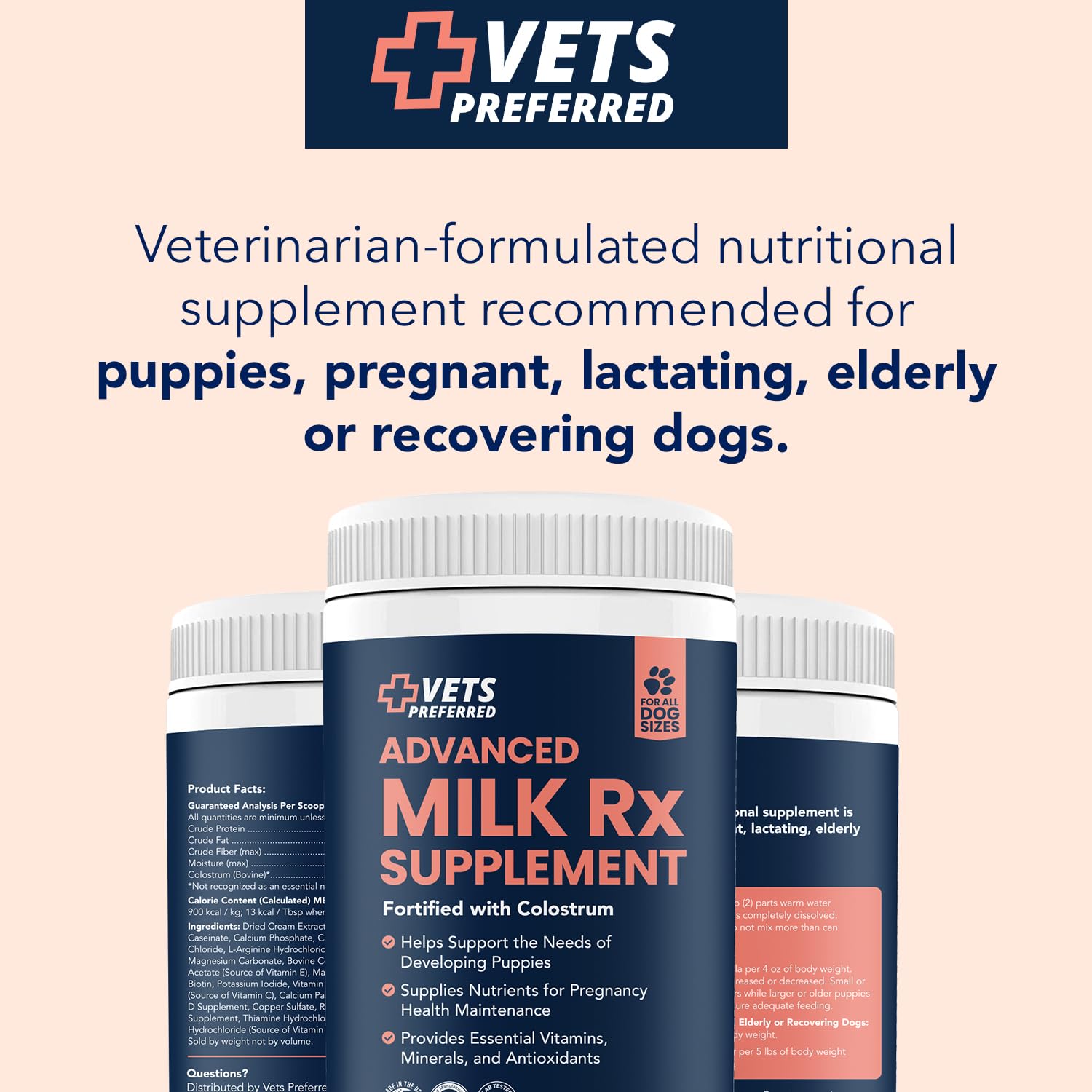


For more expert pet care tips and advice, check out our dedicated Dog Nutrition guides to keep your companions healthy and happy.




