

Introduction
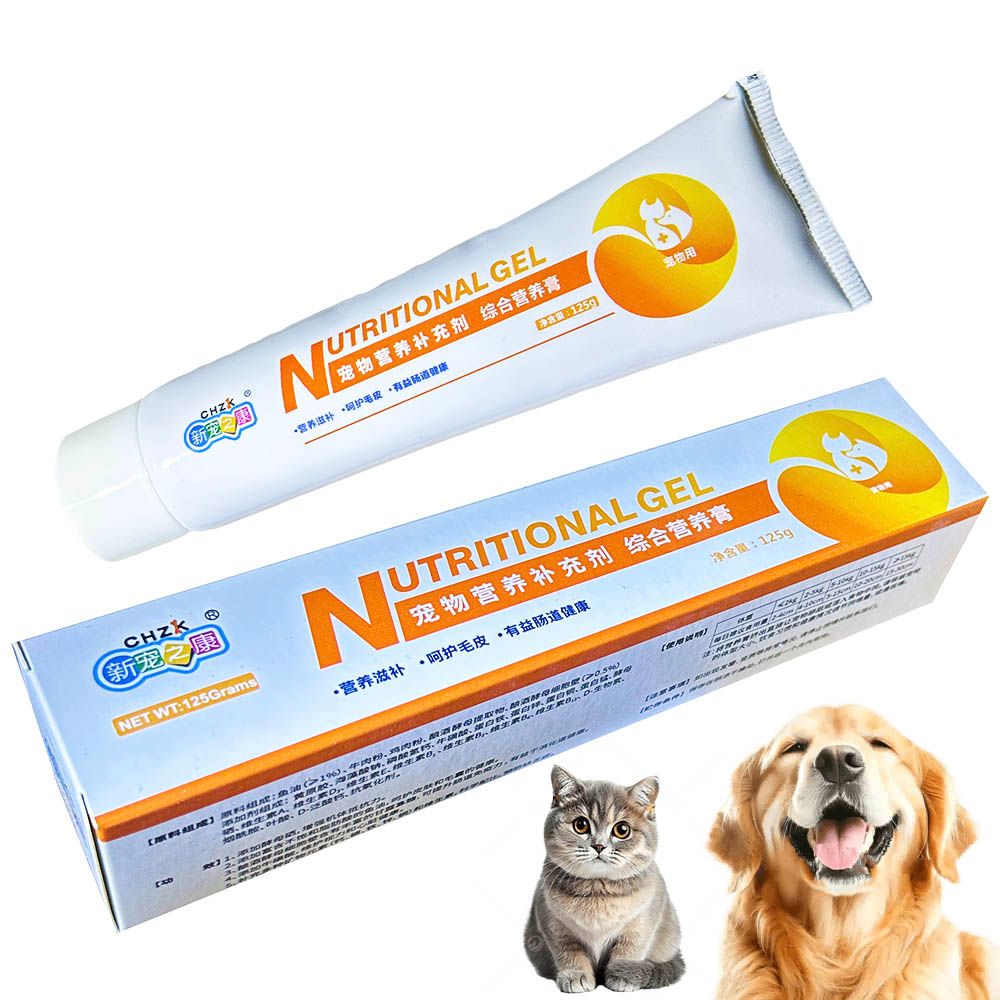
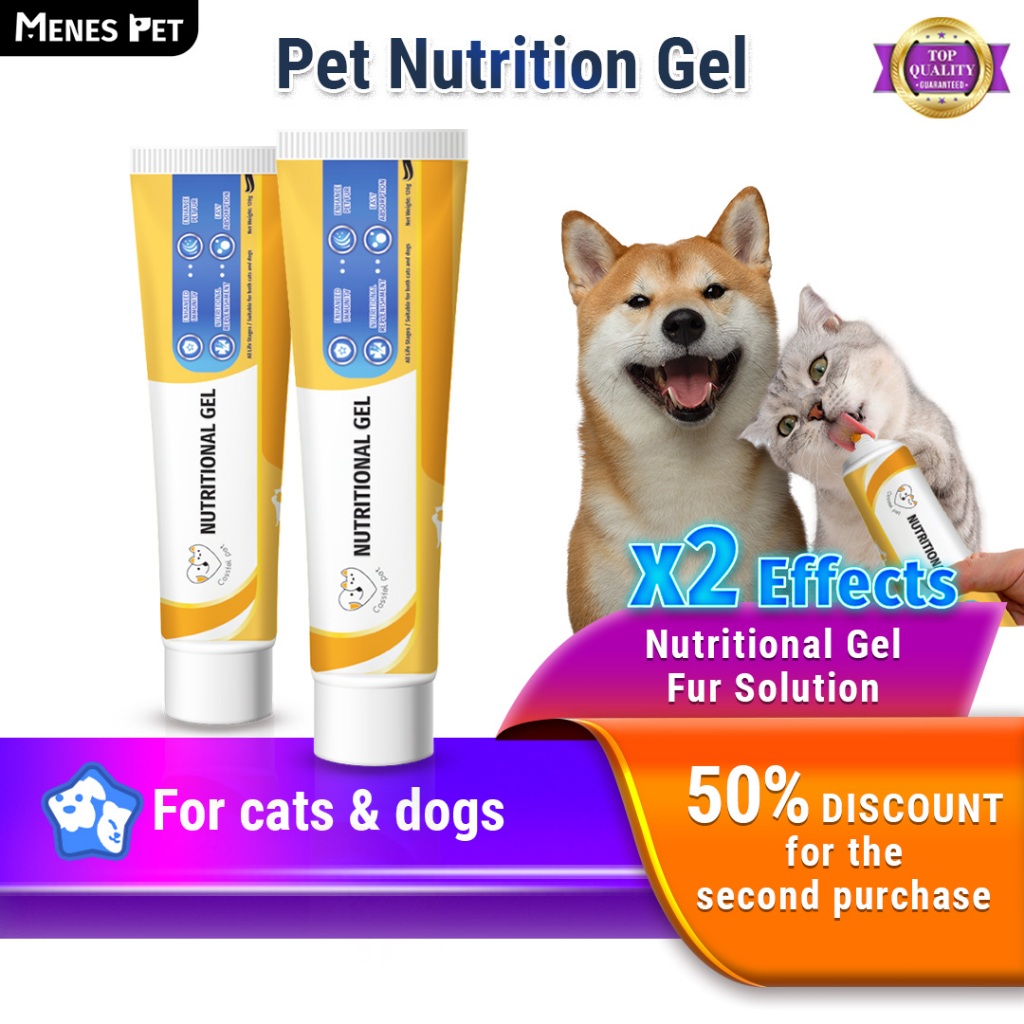
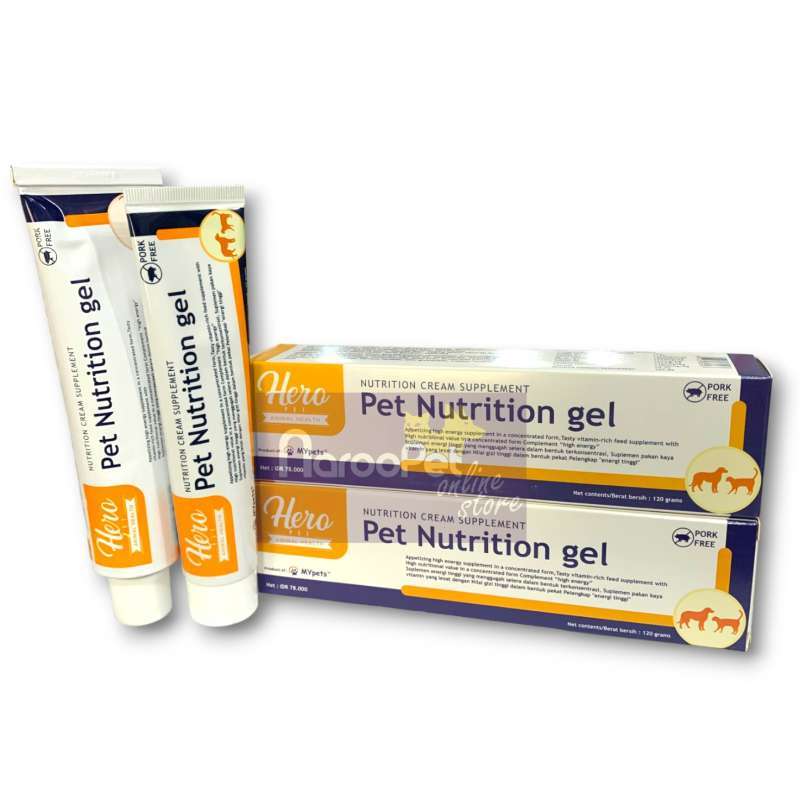
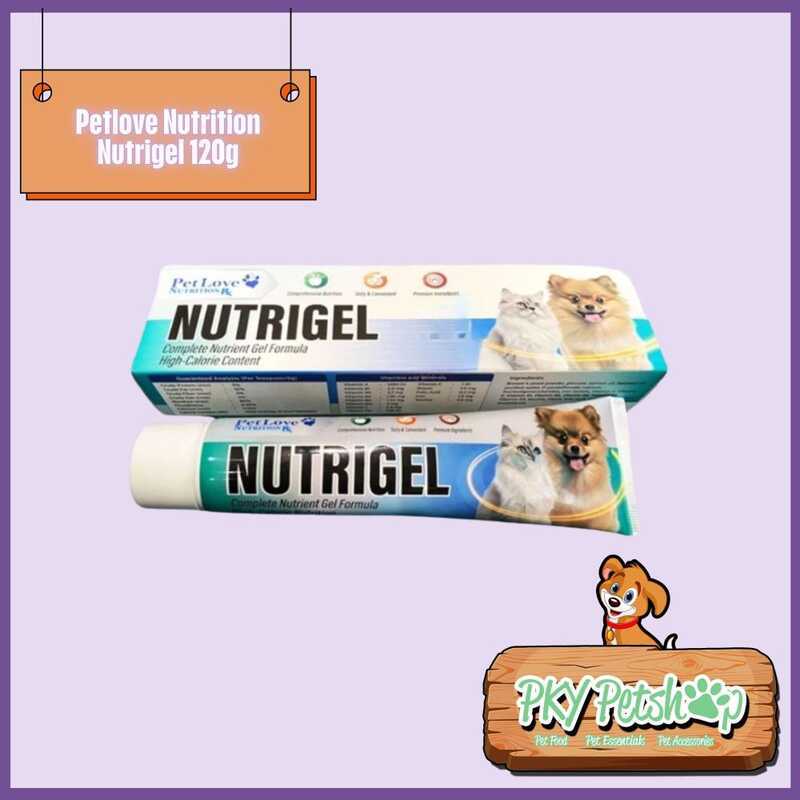
The initial stages of a puppy’s life are marked by incredible growth and development, demanding a substantial and specialized nutritional intake. During this critical period, young canines can sometimes face challenges in meeting their dietary requirements through regular food alone. This is where the topic of puppy nutrition gel becomes particularly relevant and important for dog owners. A puppy nutrition gel is a highly concentrated, calorie-dense supplement typically provided in a palatable, easy-to-administer gel form. It is designed to deliver essential vitamins, minerals, and energy to puppies who may be struggling to eat adequately, are underweight, recovering from illness, or experiencing stress. Understanding the role and proper application of these gels can significantly contribute to a puppy’s overall well-being, healthy development, and improved resilience during vulnerable times.
💡 Pet Care Key Takeaways:
- Core Focus: Practical health, nutrition, and wellness guidelines for Puppy Nutrition Gel.
- Target Scope: Pet owners, animal caregivers, and veterinary support staff.
- Best Recommendation: Maintain consistent daily routines and consult an accredited veterinarian before introducing major diet or medical changes.
Common Causes and Key Factors
Several factors can necessitate the use of a puppy nutrition gel, often stemming from the unique physiological and environmental demands placed on young dogs. For more related activities, check out our Natural Balance Puppy Food Quantity Chart.
One primary cause relates to a puppy’s incredibly rapid growth rate. Their tiny bodies require a disproportionately high amount of calories and nutrients compared to adult dogs to fuel bone development, muscle growth, and organ maturation. If their regular food intake is insufficient, a nutritional gap can quickly emerge.
Dietary gaps can also arise from selective eating habits or a poor appetite, which can be common during the weaning process or when transitioning to solid foods. Some puppies may be particular about textures or flavors, leading to inadequate consumption of their primary diet.
Stressors play a significant role. Situations such as moving to a new home, separation from littermates, or even veterinary visits can temporarily suppress a puppy’s appetite or digestive efficiency. The energy expenditure associated with adapting to new environments can also increase caloric needs.
Health challenges present another key factor. Puppies recovering from illness, surgery, or those battling parasites may have compromised appetites or reduced nutrient absorption capabilities. In such cases, a concentrated source of easy-to-digest nutrients found in a nutrition gel can provide vital support. Furthermore, puppies born with low birth weight or those failing to thrive require an immediate and readily available energy source to help them catch up developmentally.
Signs and Symptoms to Observe
Recognizing when a puppy might benefit from supplemental nutritional support, such as a nutrition gel, involves careful observation of their physical condition and behavior.
A significant indicator is a noticeable lack of energy or lethargy. While puppies are naturally playful, a puppy that appears unusually subdued, less active than its littermates, or uninterested in play might be experiencing a nutritional deficit.
Poor appetite or a general disinterest in food is another common sign. If a puppy consistently leaves food uneaten, takes an unusually long time to eat, or completely refuses meals, it suggests insufficient calorie and nutrient intake.
Slow weight gain or, more critically, weight loss, provides direct evidence of nutritional challenges. Regular weight checks are crucial for puppies, as a consistent upward trend is expected. A puppy not meeting growth milestones relative to its age and breed can benefit from a boost.
Physical appearance can also offer clues. A dull, lacklustre coat, dry skin, or a generally unthrifty appearance can point towards nutritional deficiencies. In more severe cases, general weakness, difficulty standing, or a failure to thrive, characterized by a lack of robust growth and vitality, may be observed. These signs can vary depending on the puppy’s age, breed-specific growth rates, and the environmental conditions it is experiencing.
Practical Solutions and Management Strategies
Implementing puppy nutrition gel effectively involves careful selection, proper administration, and integration into an overall care routine.
The first step involves choosing a high-quality product. Opt for reputable brands that specifically formulate gels for puppies, often recommended by veterinarians. These products are typically rich in easily digestible carbohydrates, fats, vitamins, and minerals. Always read the label carefully to understand the nutritional profile.
Administering the gel requires adherence to dosage instructions provided by the manufacturer or a veterinarian. The amount given is usually dependent on the puppy’s weight and specific needs. The gel is often applied directly to the puppy’s gums or inside their cheek, where it can be absorbed quickly, or sometimes mixed into a small amount of food if the puppy will eat it. Gentle handling and patience are crucial during administration.
Monitoring the puppy’s response is essential. Observe if energy levels improve, if appetite increases, or if there is a positive change in weight gain. This helps determine the effectiveness of the gel and if adjustments are needed.
It is important to remember that puppy nutrition gel serves as a supplement, not a complete meal replacement. It should be used in conjunction with a high-quality puppy food, not as a substitute for it. The primary goal is to bridge nutritional gaps, not to replace a balanced diet.
Supportive environmental measures can further aid a puppy’s recovery and well-being. Ensuring a warm, quiet, and stress-free environment promotes relaxation and aids digestion. Consistent access to fresh, clean water is also vital, as proper hydration is fundamental to all bodily functions, especially during periods of concentrated nutrient intake.
When Professional Help May Be Needed
While puppy nutrition gels can be invaluable tools for supporting young canines, there are clear situations where professional veterinary consultation or intervention becomes necessary.
If a puppy exhibits persistent lethargy, weakness, or shows no improvement in appetite or energy levels despite the consistent use of a nutrition gel, it is a strong indicator that an underlying issue may be at play. Similarly, significant weight loss or a continued failure to gain weight, even with supplemental feeding, warrants immediate veterinary attention. These signs can point to more serious health conditions that a nutritional supplement alone cannot address.
The presence of other alarming symptoms, such as persistent diarrhea, vomiting, severe coughing, or difficulty breathing, alongside nutritional concerns, demands an urgent visit to the veterinarian. These symptoms are not typically mitigated by nutrition gels and often signify infections, organ dysfunction, or other medical emergencies.
Concerns about specific underlying health conditions, such as congenital defects, chronic illnesses, or severe parasitic infestations that impact nutrient absorption, require a professional diagnosis and tailored treatment plan. A veterinarian can conduct thorough examinations, diagnostic tests, and provide precise guidance on nutritional support, including specific types and dosages of gels or other interventions. Furthermore, if there is uncertainty regarding the correct dosage or the most appropriate method of administering the gel, seeking veterinary advice ensures the puppy receives the maximum benefit safely.
Conclusion
The early life stages of a puppy are a period of immense growth and vulnerability, where proper nutrition forms the cornerstone of their future health and vitality. Puppy nutrition gel emerges as a valuable resource for dog owners, offering a concentrated source of essential nutrients and energy to support young canines facing challenges such as poor appetite, stress, recovery from illness, or a need for accelerated growth. Understanding its purpose, recognizing the signs that indicate its potential benefit, and implementing it as a supplementary measure can significantly contribute to a puppy’s robust development. Consistent awareness, vigilant observation of a puppys condition, and making informed choices regarding their care are paramount. Always remember that while nutrition gels provide crucial support, they should be integrated into a comprehensive care plan, with professional veterinary guidance sought whenever concerns arise about a puppy’s health or development. Providing dedicated and informed care ensures the best possible start for these beloved companions.
Pet Care & Wellness Overview Table
| Life Stage | Daily Activity Level | Key Nutrition / Care Focus |
|---|---|---|
| Puppy / Kitten | High (frequent short bursts) | High-protein growth diet & early socialization |
| Adult Companion | Moderate (30–60 mins daily) | Balanced maintenance nutrition & dental hygiene |
| Senior Pets | Low to Gentle (mindful walks) | Joint support (Glucosamine) & routine vet checks |
Images References



For more expert pet care tips and advice, check out our dedicated Dog Nutrition guides to keep your companions healthy and happy.




