

Introduction
The initial stages of a puppys life are critical for their development, laying the foundation for long-term health and well-being. Optimal nutrition during this rapid growth phase is paramount, ensuring robust bone development, a strong immune system, and proper organ function. Puppy nutrition supplements refer to additional dietary components given to young dogs to complement their regular food intake. These supplements are not intended to replace a balanced diet but rather to bridge potential nutritional gaps or address specific health needs that may arise during a puppy’s formative months. Understanding when and why these supplements might be beneficial allows dog owners to make informed decisions, potentially enhancing a puppy’s vitality, physical development, and overall quality of life.
💡 Pet Care Key Takeaways:
- Core Focus: Practical health, nutrition, and wellness guidelines for Puppy Nutrition Supplements.
- Target Scope: Pet owners, animal caregivers, and veterinary support staff.
- Best Recommendation: Maintain consistent daily routines and consult an accredited veterinarian before introducing major diet or medical changes.
Common Causes and Key Factors
Several factors can lead to the consideration of puppy nutrition supplements, typically stemming from a desire to optimize health or address specific deficiencies. For more related activities, check out our Natural Balance Puppy Food Quantity Chart.
- Dietary Gaps: While many commercial puppy foods are formulated to be “complete and balanced,” individual puppies may have unique requirements that even high-quality kibble or wet food cannot fully meet. This is particularly true for puppies on homemade diets, which often lack the precise balance of vitamins and minerals required without expert formulation.
- Breed-Specific Needs: Certain breeds, especially large and giant breeds, have distinct growth rates and skeletal development patterns that may benefit from targeted support. For example, some large breeds are predisposed to joint issues, making early joint support a consideration.
- Health Challenges or Recovery: Puppies recovering from illness, surgery, or those with underlying health conditions (e.g., digestive sensitivities, poor absorption) may have increased nutritional demands or require specific nutrients to aid recovery and boost their immune system.
- Environmental Stressors: Puppies exposed to high-stress environments, such as during weaning, rehoming, or intense socialization periods, might experience temporary dips in appetite or immune function, making supplemental support potentially valuable.
- Poor Quality Diet History: Puppies rescued from situations of neglect or those who have had a poor nutritional start may benefit significantly from supplemental vitamins and minerals to help catch up on their developmental milestones.
Recognizing these underlying factors is crucial before introducing any supplement into a puppy’s diet.
Signs and Symptoms to Observe
Observable signs and behavioral indicators can sometimes suggest a puppy might be experiencing a nutritional deficiency or could benefit from supplemental support. It is important to remember that these signs can also indicate other health issues, necessitating veterinary consultation for accurate diagnosis.
- Poor Coat and Skin Condition: A dull, dry, or flaky coat, excessive shedding, or persistent skin irritations might indicate deficiencies in essential fatty acids or certain vitamins.
- Lethargy and Low Energy: While puppies are naturally energetic, unusual lethargy, prolonged periods of low activity, or a reluctance to play could point to insufficient energy intake or vitamin deficiencies.
- Slow or Stunted Growth: A puppy growing significantly slower than expected for its breed and age, or failing to gain weight appropriately, might have broader nutritional deficits.
- Digestive Upsets: Persistent mild digestive issues like soft stools, gas, or inconsistent bowel movements, especially when not attributable to dietary changes or parasites, might suggest a need for probiotic or digestive enzyme support.
- Weakened Immune System: Puppies that seem to get sick frequently, take a long time to recover, or develop recurring infections could have a compromised immune system that might benefit from immune-boosting nutrients.
- Skeletal or Joint Issues: In some cases, poor bone density, lameness, or abnormal gait can be linked to imbalances in calcium, phosphorus, or vitamin D, particularly in rapidly growing large breeds.
These signs can vary significantly based on the puppy’s age, breed, and environmental factors. Careful observation and consistent monitoring are key.
Practical Solutions and Management Strategies
When considering puppy nutrition supplements, a structured and informed approach is essential. Supplements should always complement a high-quality, age-appropriate diet, not replace it.
- Veterinary Consultation is Paramount: Before introducing any supplement, a thorough discussion with a veterinarian is critical. A veterinarian can assess a puppy’s specific needs, identify any pre-existing conditions, and recommend appropriate supplements, dosages, and duration. Over-supplementation, especially with fat-soluble vitamins or minerals like calcium, can be harmful.
-
Identify the Specific Need: Based on veterinary advice, target specific nutritional gaps. Common types of puppy supplements include:
- Omega-3 Fatty Acids (EPA & DHA): Essential for brain and eye development, healthy skin and coat, and inflammation reduction. Fish oil is a popular source.
- Probiotics and Prebiotics: Support gut health, digestion, and immune function, especially beneficial during times of stress or digestive upset.
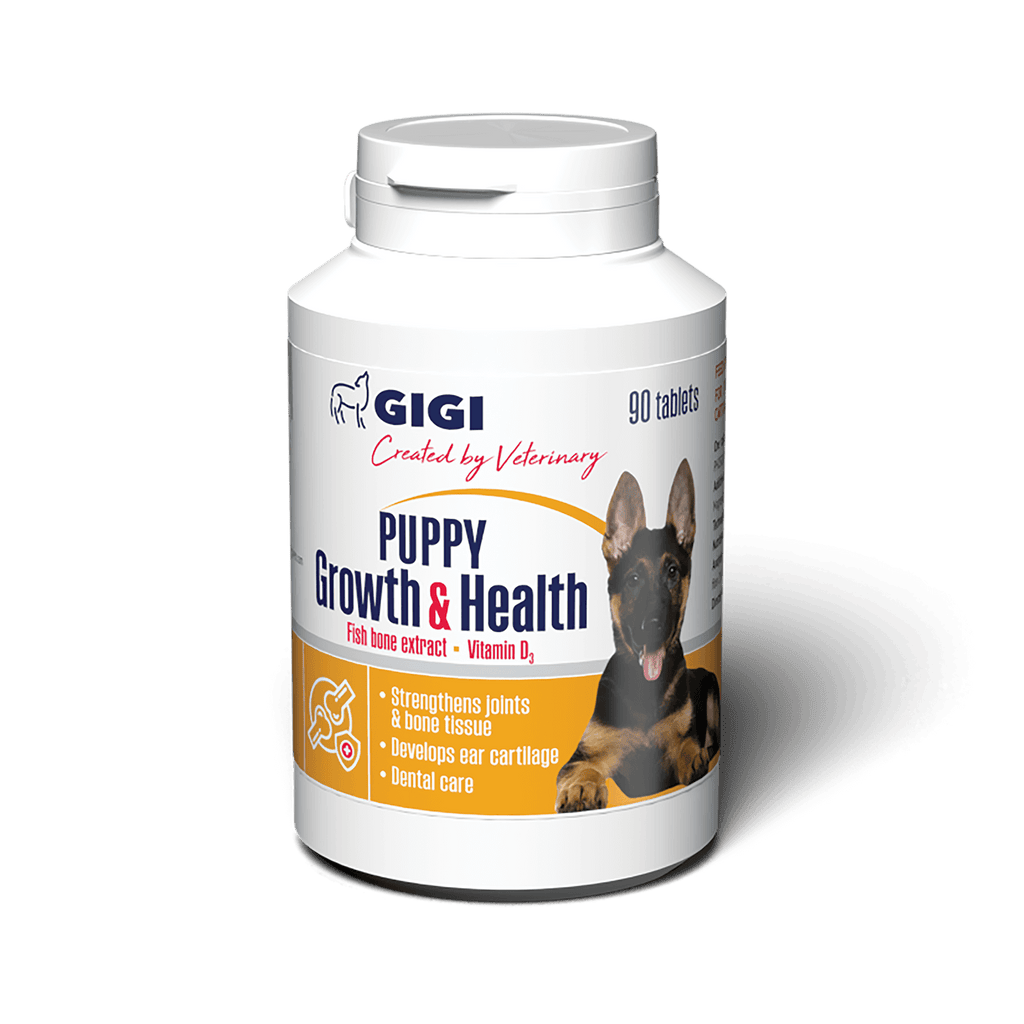
- Joint Support (Glucosamine & Chondroitin): Sometimes recommended for large and giant breeds to support cartilage health during rapid growth.
- Multivitamins: Can help bridge general nutritional gaps, but their use requires careful consideration to avoid excess.
- Calcium and Phosphorus: Crucial for bone development, but should only be supplemented under strict veterinary guidance due to the risks of imbalance.
- Choose Reputable Brands: Opt for supplements from reputable manufacturers with transparent ingredient lists and quality control testing. Look for products specifically formulated for puppies.
- Adhere to Dosage Guidelines: Follow the veterinarian’s instructions and product packaging for accurate dosage. Never assume more is better, as incorrect dosages can lead to health problems.
- Integrate into Diet: Most supplements come in palatable forms like chews, powders, or liquids that can be mixed into a puppys regular food. Consistency is key for effectiveness.
- Monitor and Adjust: Observe the puppy for any positive changes or adverse reactions after starting a supplement. Regular follow-up with the veterinarian is important to adjust the regimen as the puppy grows and its needs change.
A balanced diet remains the cornerstone of puppy nutrition, with supplements serving as a targeted, supportive measure.
When Professional Help May Be Needed
Professional veterinary consultation is not merely an option but a necessity when considering puppy nutrition supplements.
- Before Starting Any Supplement: A veterinarian can perform a thorough examination, discuss the puppy’s diet, and determine if supplementation is genuinely necessary and safe. This prevents potentially harmful over-supplementation or the masking of underlying health issues.
- If Nutritional Deficiencies are Suspected: If a puppy exhibits any of the signs or symptoms mentioned above (e.g., poor growth, lethargy, skin issues), a veterinarian can conduct diagnostic tests to pinpoint specific deficiencies and recommend the most effective course of action.
- For Puppies on Homemade Diets: Crafting a nutritionally complete and balanced homemade diet for a growing puppy is extremely complex. Professional veterinary nutritionists or experienced veterinarians can help formulate such diets and recommend appropriate supplements to ensure all essential nutrients are provided.
- During Illness or Recovery: Puppies with specific health conditions, or those recovering from surgery or severe illness, often require tailored nutritional plans and supplements. A veterinarian can guide these critical decisions to support healing and recovery.
- If Adverse Reactions Occur: Should a puppy experience any negative side effects after starting a supplement (e.g., vomiting, diarrhea, changes in behavior), immediate veterinary attention is required.
Relying on professional guidance ensures that any supplemental regimen genuinely benefits the puppy without inadvertently causing harm.
Conclusion
Puppy nutrition supplements can play a valuable, supportive role in ensuring optimal health and development during a puppy’s crucial growth period. They serve as a means to address specific nutritional needs or bridge identified dietary gaps, rather than acting as a substitute for a high-quality, balanced diet. Understanding the common factors that lead to their consideration, recognizing the subtle signs of potential deficiencies, and implementing practical, vet-guided strategies are vital for responsible pet ownership. The importance of awareness, consistent observation, and most importantly, professional veterinary consultation cannot be overstated. By working closely with a veterinarian, dog owners can make informed decisions regarding supplementation, thereby contributing to a strong, healthy foundation for their beloved companion’s life journey.
Pet Care & Wellness Overview Table
| Life Stage | Daily Activity Level | Key Nutrition / Care Focus |
|---|---|---|
| Puppy / Kitten | High (frequent short bursts) | High-protein growth diet & early socialization |
| Adult Companion | Moderate (30–60 mins daily) | Balanced maintenance nutrition & dental hygiene |
| Senior Pets | Low to Gentle (mindful walks) | Joint support (Glucosamine) & routine vet checks |
Images References





For more expert pet care tips and advice, check out our dedicated Dog Nutrition guides to keep your companions healthy and happy.




