

Introduction
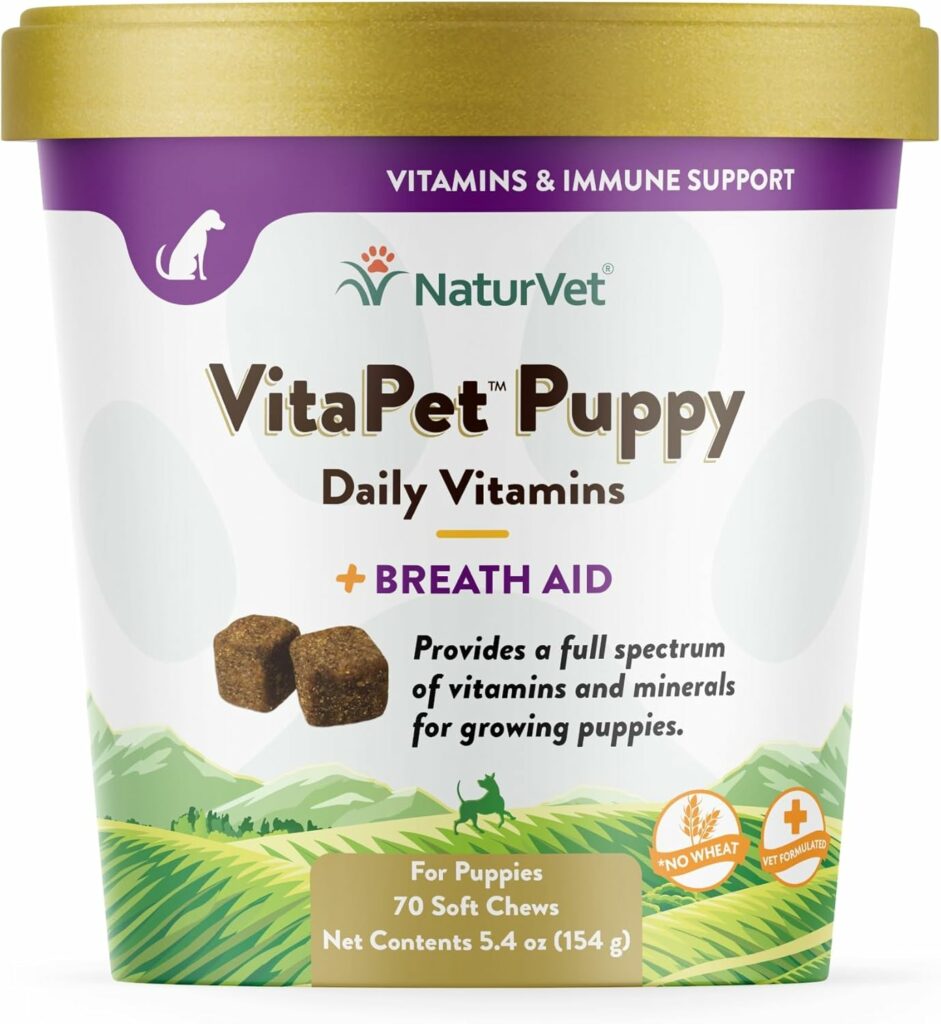
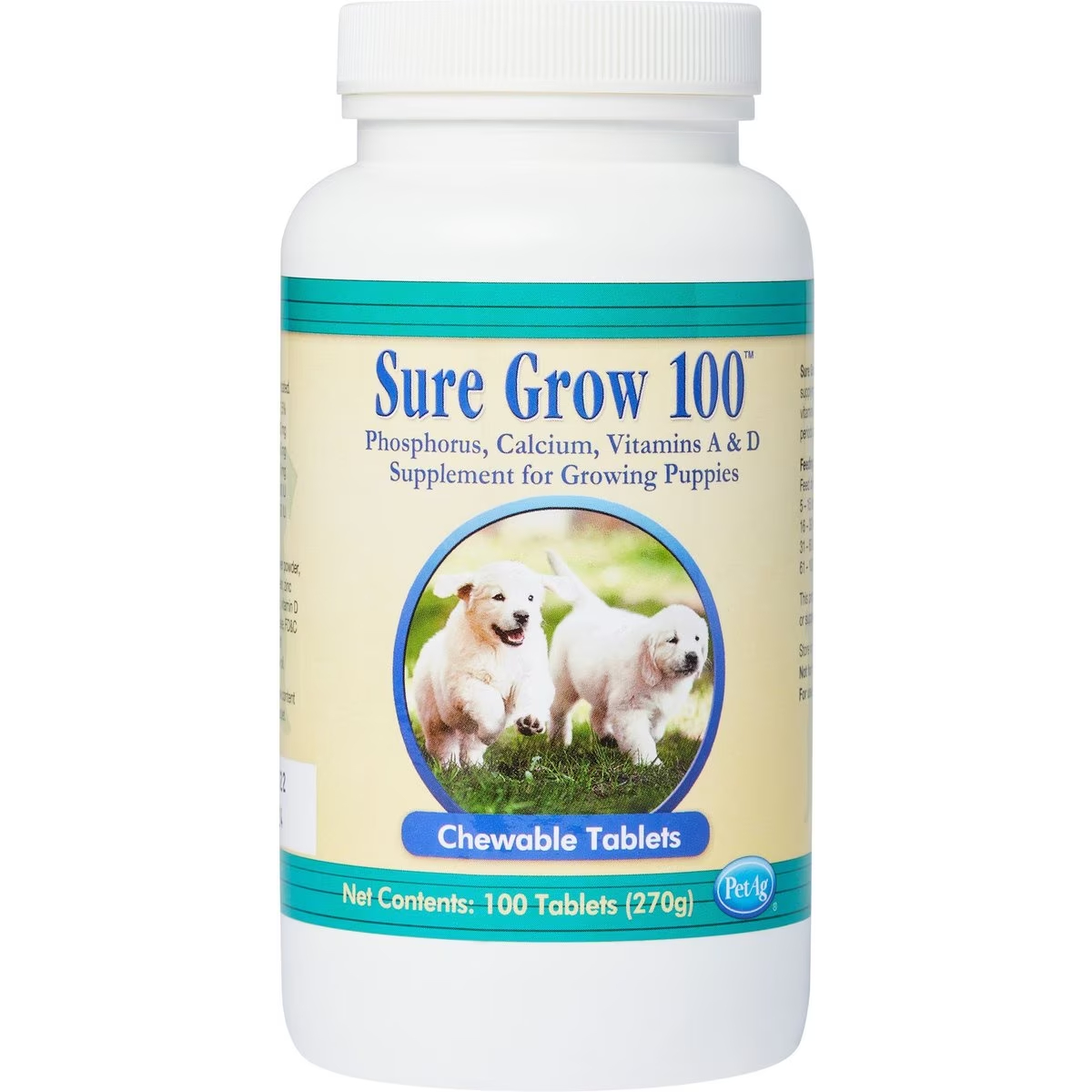
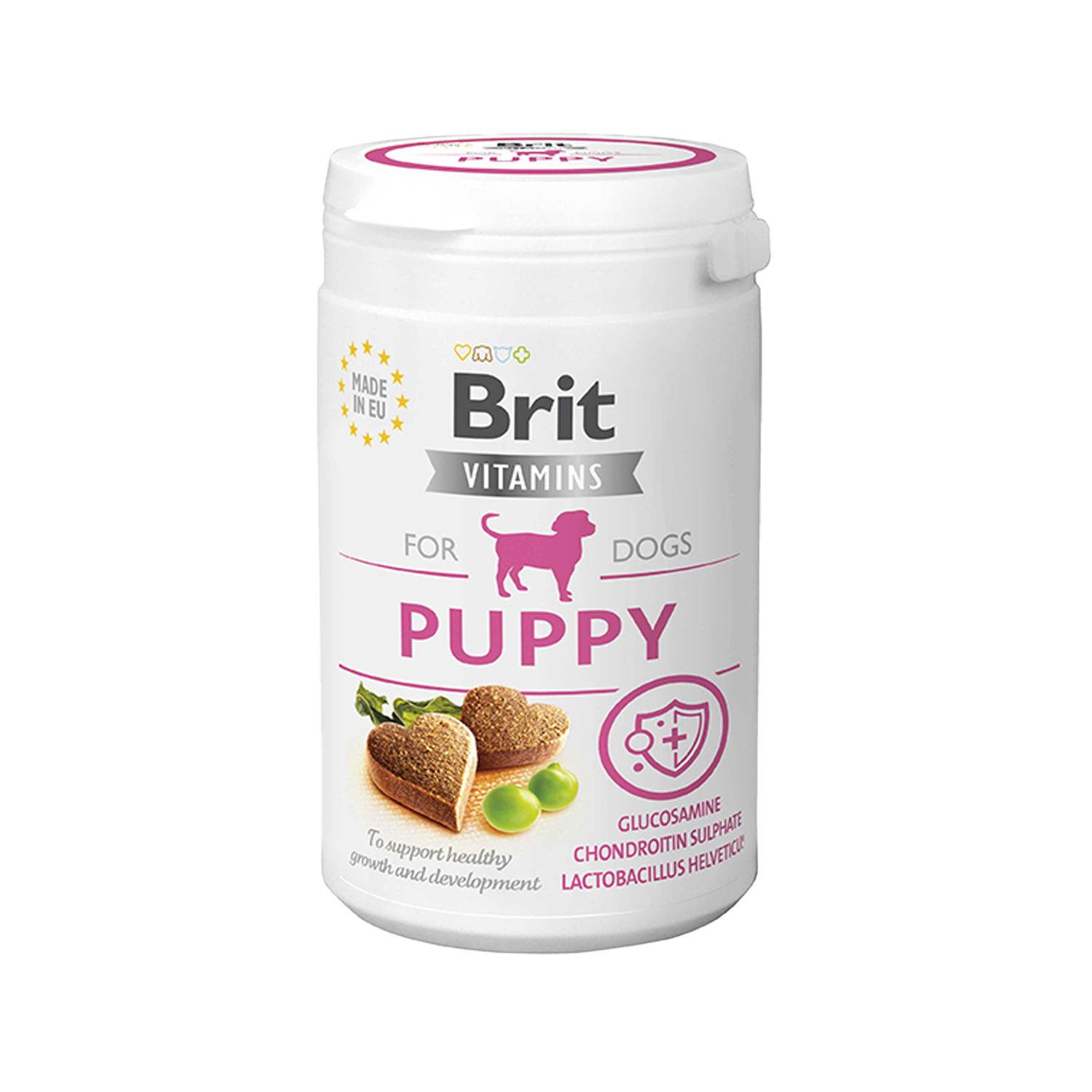
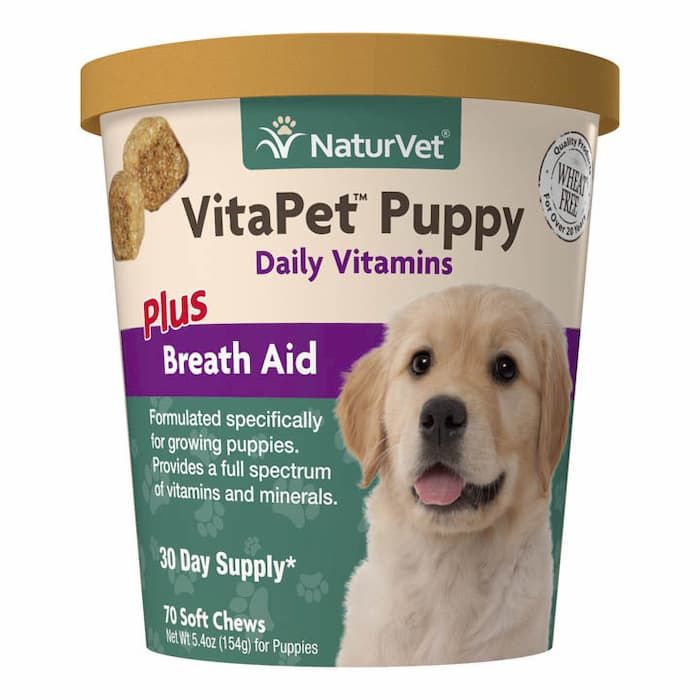
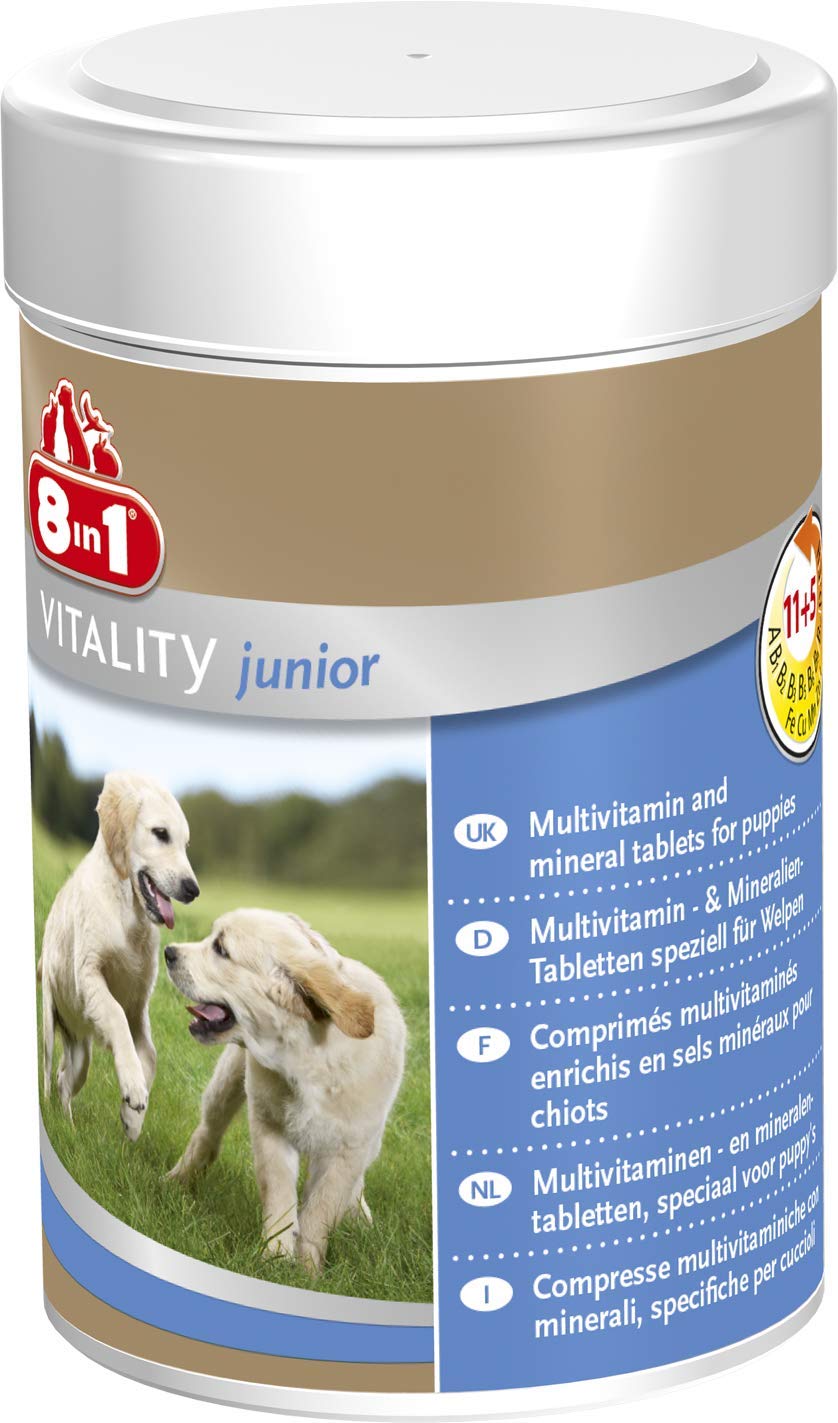
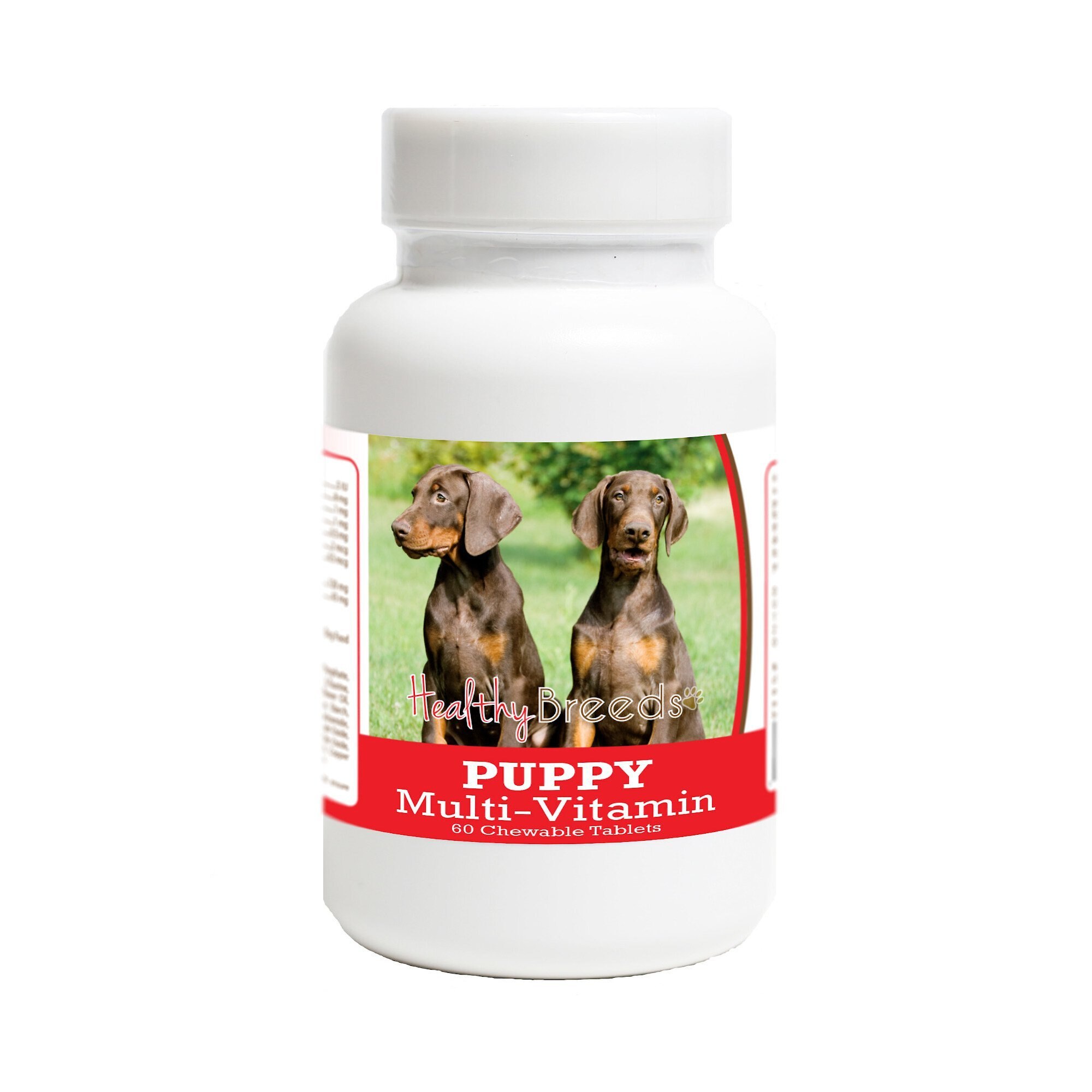
The initial months of a puppy’s life are characterized by remarkable growth and development, demanding a precise balance of nutrients to establish a strong foundation for future health. The topic of puppy vitamins for growth often arises when owners seek to ensure their young companion thrives optimally. This concept refers to the use of supplemental vitamins specifically formulated to support the rapid physical maturation of puppies. While a high-quality, balanced diet typically provides the necessary nutrients, situations can arise where a puppy’s specific needs, dietary gaps, or certain health conditions may prompt consideration of additional vitamin support. Understanding the role of these supplements and when their use might be appropriate is crucial for promoting a puppy’s well-being, preventing developmental issues, and ensuring a robust start to life.
💡 Pet Care Key Takeaways:
- Core Focus: Practical health, nutrition, and wellness guidelines for Puppy Vitamins For Growth.
- Target Scope: Pet owners, animal caregivers, and veterinary support staff.
- Best Recommendation: Maintain consistent daily routines and consult an accredited veterinarian before introducing major diet or medical changes.
Common Causes and Key Factors
Several factors contribute to the discussion around puppy vitamins for growth, often stemming from nutritional considerations or specific developmental demands. The primary concern is frequently a dietary imbalance or deficiency. While premium commercial puppy foods are designed to be complete and balanced, homemade diets, if not formulated by a veterinary nutritionist, can lack essential vitamins and minerals crucial for proper development. Inadequate calcium-to-phosphorus ratios, for instance, are particularly problematic for growing bones. For more related activities, check out our Pitbullnutrition.
Puppies experience intense growth spurts, especially large and giant breeds, placing immense demands on their bodies for bone, muscle, and organ development. These rapid changes necessitate a higher intake of specific nutrients compared to adult dogs. Breed-specific growth rates also play a significant role; large breeds require careful management of growth to prevent skeletal disorders, where excessive supplementation, particularly of calcium, can be detrimental.
Beyond diet, certain health conditions can affect nutrient absorption or increase requirements. Intestinal parasites, chronic digestive issues, or malabsorption syndromes can prevent a puppy from fully utilizing the nutrients in its food, leading to deficiencies. Environmental factors, such as limited exposure to natural sunlight, can also impact vitamin D synthesis, affecting bone health. Therefore, a comprehensive understanding of a puppy’s diet, breed predispositions, and overall health status is essential when considering supplemental vitamins.
Signs and Symptoms to Observe
Recognizing potential nutritional deficiencies or growth issues in puppies requires careful observation of both physical and behavioral indicators. One of the most significant signs is stunted or uneven growth, where a puppy appears noticeably smaller or develops at a slower rate than its littermates or expected breed standard. This can manifest as an overall lack of size or disproportionate body parts.
Skeletal and joint issues are particularly concerning, especially in rapidly growing puppies. Signs such as limping, an abnormal gait, reluctance to play or bear weight on certain limbs, or visible deformities like bowed legs or enlarged joints can indicate underlying bone development problems potentially linked to vitamin and mineral imbalances. Poor coat quality, characterized by dullness, dryness, brittleness, or excessive shedding, can also be a symptom of nutritional deficiencies impacting skin and hair follicle health.
Other observable signs include persistent lethargy, a general lack of energy or enthusiasm for play, and prolonged periods of weakness. A decreased appetite or refusal to eat can also signal a nutritional problem, whether due to the food itself or an underlying health issue affecting digestion and absorption. Behavioral changes, such as increased irritability or a noticeable lack of typical puppy vigor, may also be indirect indicators of compromised health due to inadequate nutrition. These signs warrant immediate attention to prevent long-term health consequences.
Practical Solutions and Management Strategies
When concerns arise regarding a puppy’s growth and potential vitamin needs, a structured approach is essential for effective management. The foundational step involves ensuring the puppy receives a high-quality, complete, and balanced commercial puppy food appropriate for its age and anticipated adult size. These diets are specifically formulated to meet the intensive nutritional requirements of growing dogs, often negating the need for additional supplementation. For large and giant breeds, specific large-breed puppy formulas are recommended, which are designed to support controlled growth rates and minimize skeletal issues.
If a homemade diet is chosen, it is imperative to have it meticulously formulated and regularly reviewed by a board-certified veterinary nutritionist. Relying on anecdotal recipes can lead to severe nutritional deficiencies or toxicities. Regular monitoring of the puppy’s weight and body condition score provides objective data on its growth trajectory, allowing for adjustments as needed.
Regarding supplementation, a critical principle is that puppy vitamins should only be introduced under the direct guidance of a veterinarian. Over-supplementation, particularly of certain vitamins and minerals like calcium, can be as detrimental as a deficiency, leading to serious developmental orthopedic diseases. A veterinarian can assess the puppy’s diet, perform necessary diagnostic tests, and recommend specific supplements if a deficiency is confirmed or a unique need is identified.
Beyond diet, ensuring adequate, but not excessive, exercise helps develop strong bones and muscles without over-stressing delicate growth plates. Ample opportunities for rest are also crucial, as much of a puppy’s growth occurs during sleep. Consistent veterinary check-ups allow for professional assessment of growth and development, enabling early detection and intervention for any concerns.
When Professional Help May Be Needed
While diligent care provides a strong foundation, there are clear instances when professional veterinary intervention becomes necessary concerning a puppy’s growth and potential vitamin requirements. The most critical scenario involves observing any of the aforementioned signs and symptoms, such as persistent limping, an abnormal gait, noticeable skeletal deformities, severe lethargy, or a significant lag in growth compared to breed standards or littermates. These indicators suggest underlying issues that require immediate veterinary diagnosis and treatment.
Any decision to introduce puppy vitamins or other supplements into a puppy’s diet should always be preceded by a consultation with a veterinarian. Unadvised supplementation can be harmful, potentially leading to nutrient imbalances or toxicities. A professional can conduct a thorough examination, review the puppy’s current diet, and recommend specific diagnostic tests (e.g., blood work, X-rays) to identify any existing deficiencies, excesses, or underlying medical conditions impacting growth.
Furthermore, if a puppy is on a homemade diet, professional guidance from a veterinary nutritionist is indispensable to ensure the diet is complete and balanced for the growing dog. Veterinary professionals can also provide tailored advice for breed-specific growth concerns, particularly for large and giant breeds prone to orthopedic development issues. Timely and appropriate professional intervention helps mitigate risks and ensures optimal, healthy growth for puppies.
Conclusion
The journey of a puppy from a tiny bundle to a robust adult is a period of intense growth, where nutrition plays an unparalleled role. The concept of puppy vitamins for growth centers on supporting this crucial developmental phase, primarily through a balanced diet. It is evident that while a high-quality, age-appropriate commercial puppy food is typically sufficient, certain circumstances may warrant consideration of supplemental vitamins.
Vigilant observation for signs of stunted growth, skeletal issues, or changes in energy levels is paramount for pet owners. Any decision regarding vitamin supplementation must be made in close consultation with a veterinary professional to ensure it is necessary, appropriate, and administered correctly. Over-supplementation can be as detrimental as deficiency, underscoring the importance of expert guidance. By prioritizing a well-balanced diet, regular veterinary check-ups, and informed decision-making, owners can confidently support their puppy’s healthy growth and lay the groundwork for a lifetime of well-being.
Pet Care & Wellness Overview Table
| Life Stage | Daily Activity Level | Key Nutrition / Care Focus |
|---|---|---|
| Puppy / Kitten | High (frequent short bursts) | High-protein growth diet & early socialization |
| Adult Companion | Moderate (30–60 mins daily) | Balanced maintenance nutrition & dental hygiene |
| Senior Pets | Low to Gentle (mindful walks) | Joint support (Glucosamine) & routine vet checks |
Images References



For more expert pet care tips and advice, check out our dedicated Dog Nutrition guides to keep your companions healthy and happy.




