

Introduction
The concept of a “brain diet” for dogs has gained significant attention among pet owners seeking to enhance their companions’ cognitive health and overall well-being. A purina brain diet refers to specialized nutritional formulations, often offered by brands like Purina, designed to support optimal brain function throughout a dog’s life. This approach addresses the unique dietary needs of dogs at various life stages, from the critical developmental period of puppyhood to the challenging cognitive changes associated with aging. Understanding the principles behind such diets can be pivotal in managing a dog’s behavior, maintaining its vitality, and significantly improving its quality of life by supporting neurological health.
💡 Pet Care Key Takeaways:
- Core Focus: Practical health, nutrition, and wellness guidelines for Purina Brain Diet.
- Target Scope: Pet owners, animal caregivers, and veterinary support staff.
- Best Recommendation: Maintain consistent daily routines and consult an accredited veterinarian before introducing major diet or medical changes.
Common Causes and Key Factors
Several factors can influence a dog’s cognitive health, making a targeted purina brain diet a valuable consideration. Age is a primary determinant, as older dogs are susceptible to Canine Cognitive Dysfunction Syndrome (CCDS), a condition akin to Alzheimer’s in humans. This syndrome is characterized by neuronal degradation and altered brain chemistry. Beyond aging, environmental enrichment plays a crucial role; a lack of mental stimulation can contribute to cognitive decline regardless of age. For more related activities, check out our “Fortiflora” And “Gut Health”.
Nutritional deficiencies are another significant factor. A diet lacking essential brain-supporting nutrients can impede optimal cognitive function and accelerate decline. For instance, insufficient intake of specific fatty acids, antioxidants, or certain vitamins can compromise neuronal health and communication pathways. Genetic predispositions can also influence a dog’s susceptibility to cognitive issues, further highlighting the need for proactive dietary support. Addressing these underlying factors through a specialized purina brain diet aims to mitigate risks and foster sustained brain health.
Signs and Symptoms to Observe
Observing changes in a dog’s behavior and habits can provide crucial clues about its cognitive health. Signs of potential cognitive decline or a need for brain support often manifest gradually. Disorientation is a common indicator, where a dog may get lost in familiar environments, stare blankly at walls, or struggle to navigate obstacles. Changes in social interaction can also occur, such as a dog becoming less engaged with family members or other pets, or exhibiting increased irritability.
Altered sleep-wake cycles are another frequently observed symptom; dogs may sleep more during the day and be restless or vocal at night. House-soiling accidents, despite being previously house-trained, can indicate a lapse in memory or control. Additionally, changes in activity levels, such as reduced interest in play or exploring, and increased anxiety or repetitive behaviors without apparent cause, warrant attention. These signs can vary in intensity depending on a dog’s age, breed, and overall health status, but consistent observation allows for timely intervention, potentially through a purina brain diet and other management strategies.
Practical Solutions and Management Strategies
Implementing a targeted purina brain diet represents a cornerstone strategy for supporting canine cognitive health. These specialized diets are typically formulated with key nutrients known to benefit brain function. Docosahexaenoic Acid (DHA), an omega-3 fatty acid, is crucial for brain development in puppies and for maintaining cognitive function in adult and senior dogs. Antioxidants like Vitamin E, Vitamin C, and various carotenoids are included to combat oxidative stress, which contributes to cellular damage and aging in the brain.
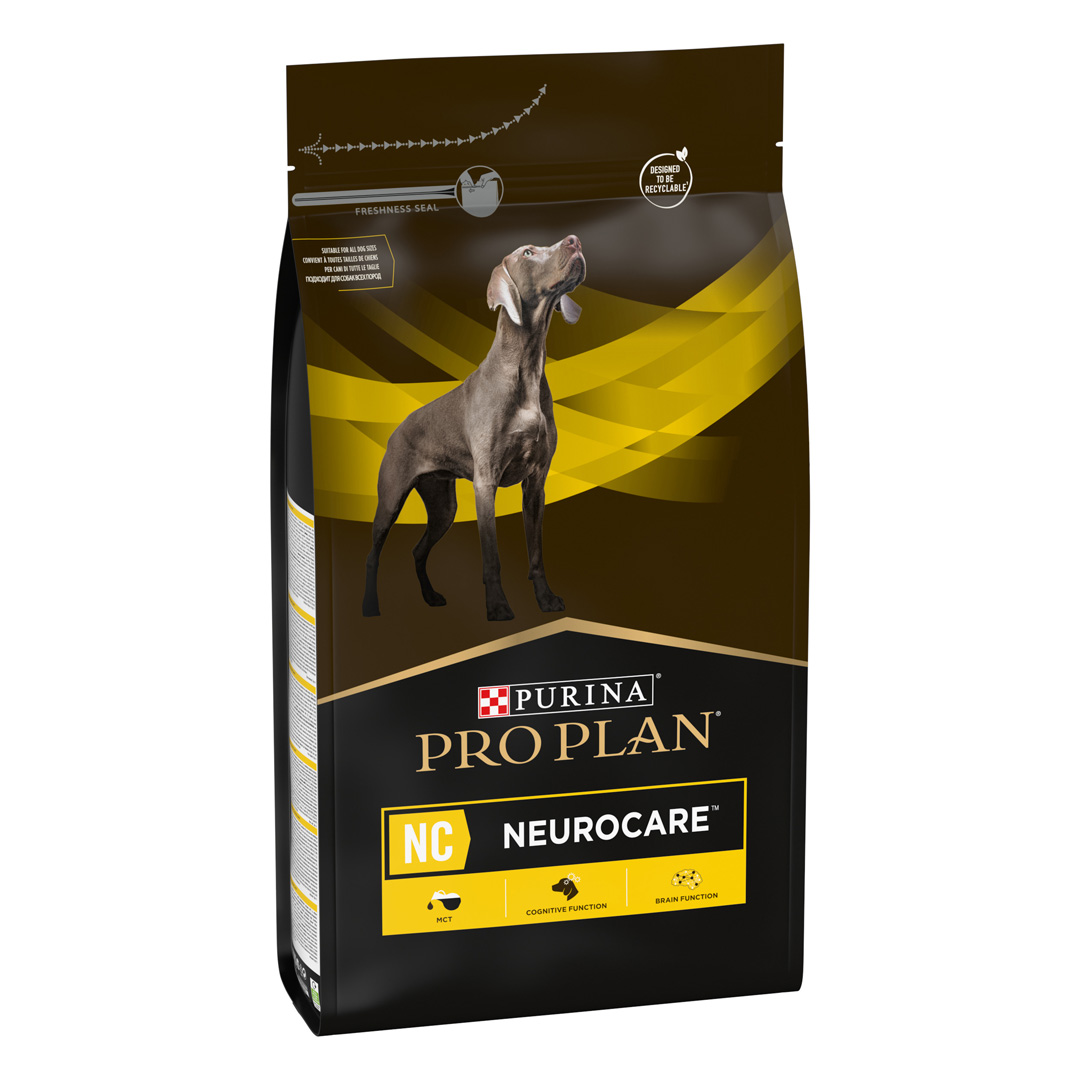
Beyond these foundational elements, a purina brain diet often incorporates ingredients such as arginine, which supports healthy blood flow to the brain, and B vitamins, vital for neurotransmitter synthesis. Some advanced formulations may also feature specific botanicals or medium-chain triglycerides (MCTs) to provide alternative energy sources for brain cells. Consistent feeding of such a diet can significantly impact cognitive vitality. Complementing dietary changes with regular mental stimulation, through puzzle toys, training sessions, and new experiences, is also highly beneficial. Physical exercise further promotes overall health, including improved circulation to the brain, while maintaining a predictable routine can reduce stress and disorientation in cognitively challenged dogs.
When Professional Help May Be Needed
While a purina brain diet offers excellent support for cognitive health, recognizing when professional intervention is necessary remains paramount. If a dog exhibits sudden, severe, or rapidly progressing behavioral changes, a veterinary consultation is essential. These symptoms could indicate underlying medical conditions that mimic cognitive decline, such as thyroid disorders, chronic pain, sensory loss, or even brain tumors. A thorough veterinary examination can rule out these other health issues and provide an accurate diagnosis.
For dogs specifically exhibiting signs of Canine Cognitive Dysfunction Syndrome (CCDS), a veterinarian can confirm the diagnosis and provide a comprehensive management plan. This plan might include prescription medications to help manage symptoms, alongside dietary recommendations, including specific purina brain diet formulations. Consulting a certified professional dog trainer or a veterinary behaviorist can also be beneficial when behavioral issues arise in conjunction with cognitive changes, offering strategies to manage and mitigate challenging behaviors effectively. Proactive engagement with veterinary professionals ensures that all aspects of a dog’s health are addressed, leading to the most effective care.
Conclusion
Supporting a dog’s brain health through a well-chosen purina brain diet is a proactive measure that can significantly enhance its cognitive function and overall quality of life. Understanding the critical role of specific nutrients, such as DHA and antioxidants, in maintaining brain vitality empowers dog owners to make informed dietary choices. Consistent observation of behavioral changes allows for early intervention, and pairing a specialized diet with mental and physical enrichment creates a holistic approach to cognitive well-being. By prioritizing brain health through nutrition and responsible care, pet owners contribute to their dog’s lasting happiness and vitality, fostering a stronger bond and a more fulfilling life together.
Pet Care & Wellness Overview Table
| Life Stage | Daily Activity Level | Key Nutrition / Care Focus |
|---|---|---|
| Puppy / Kitten | High (frequent short bursts) | High-protein growth diet & early socialization |
| Adult Companion | Moderate (30–60 mins daily) | Balanced maintenance nutrition & dental hygiene |
| Senior Pets | Low to Gentle (mindful walks) | Joint support (Glucosamine) & routine vet checks |
Images References




For more expert pet care tips and advice, check out our dedicated Dog Nutrition guides to keep your companions healthy and happy.




