

Introduction
Maintaining optimal oral health is a cornerstone of a dog’s overall well-being, often directly influencing their quality of life, behavior, and longevity. The term “Purina Dental” refers to the range of products and dietary solutions developed by Purina specifically designed to support canine dental hygiene. Dental issues in dogs are remarkably common, with many experiencing some form of periodontal disease by the age of three. These problems, ranging from bad breath to severe gum disease and tooth loss, can lead to significant discomfort and even systemic health complications if left unaddressed. Understanding the offerings and principles behind Purina Dental can provide dog owners with effective tools to proactively manage and improve their canine companion’s oral health, thereby enhancing their comfort and ensuring a happier, healthier life.
💡 Pet Care Key Takeaways:
- Core Focus: Practical health, nutrition, and wellness guidelines for Purina Dental.
- Target Scope: Pet owners, animal caregivers, and veterinary support staff.
- Best Recommendation: Maintain consistent daily routines and consult an accredited veterinarian before introducing major diet or medical changes.
Common Causes and Key Factors
The primary culprits behind dental disease in dogs are plaque and tartar accumulation. Plaque, a sticky film of bacteria, food particles, and saliva, constantly forms on teeth surfaces. If not removed, plaque mineralizes into tartar (calculus), a hard, yellow-brown deposit that adheres firmly to the teeth, particularly along the gum line. Tartar irritates the gums, leading to gingivitisan inflammation characterized by redness, swelling, and bleeding. For more related activities, check out our Natural Remedies For Fluid Retention In Dogs Australia.
Several key factors contribute to the prevalence and severity of dental issues. Breed predisposition plays a significant role; smaller breeds, with their crowded teeth, are often more susceptible. Age is another factor, as dental disease tends to worsen over time. Dietary habits can also contribute; diets primarily consisting of soft, moist foods may offer less abrasive action to help clean teeth compared to certain kibble designs. Lack of regular brushing or the use of dental-specific products further accelerates plaque and tartar buildup. Purina Dental products are formulated to address these factors by providing mechanical cleaning action, utilizing specific textures, or incorporating ingredients designed to reduce plaque and tartar formation.
Signs and Symptoms to Observe
Recognizing the early signs of dental problems is crucial for timely intervention. One of the most common indicators is halitosis, or persistent bad breath, which results from the bacterial activity associated with plaque and tartar. Owners might also observe changes in gum appearance, such as redness, swelling, or bleeding along the gum line, indicative of gingivitis.
As dental disease progresses, other symptoms may become apparent. These can include visible tartar buildup, often appearing as a brown or yellow crust on the teeth. A dog might show reluctance to eat hard food or treats, chew on only one side of the mouth, or drop food while eating due to pain. Pawing at the mouth, excessive drooling, or facial swelling are more severe signs that suggest significant discomfort or infection. These signs can vary depending on the dog’s age, breed, and the stage of periodontal disease, but any deviation from normal oral health warrants attention.
Practical Solutions and Management Strategies
Effective management of canine dental health requires a multi-faceted approach, with Purina Dental products often playing a supportive role. Daily tooth brushing remains the gold standard for plaque removal, but many dogs resist this routine. This is where dental-specific diets and chews offer practical alternatives.
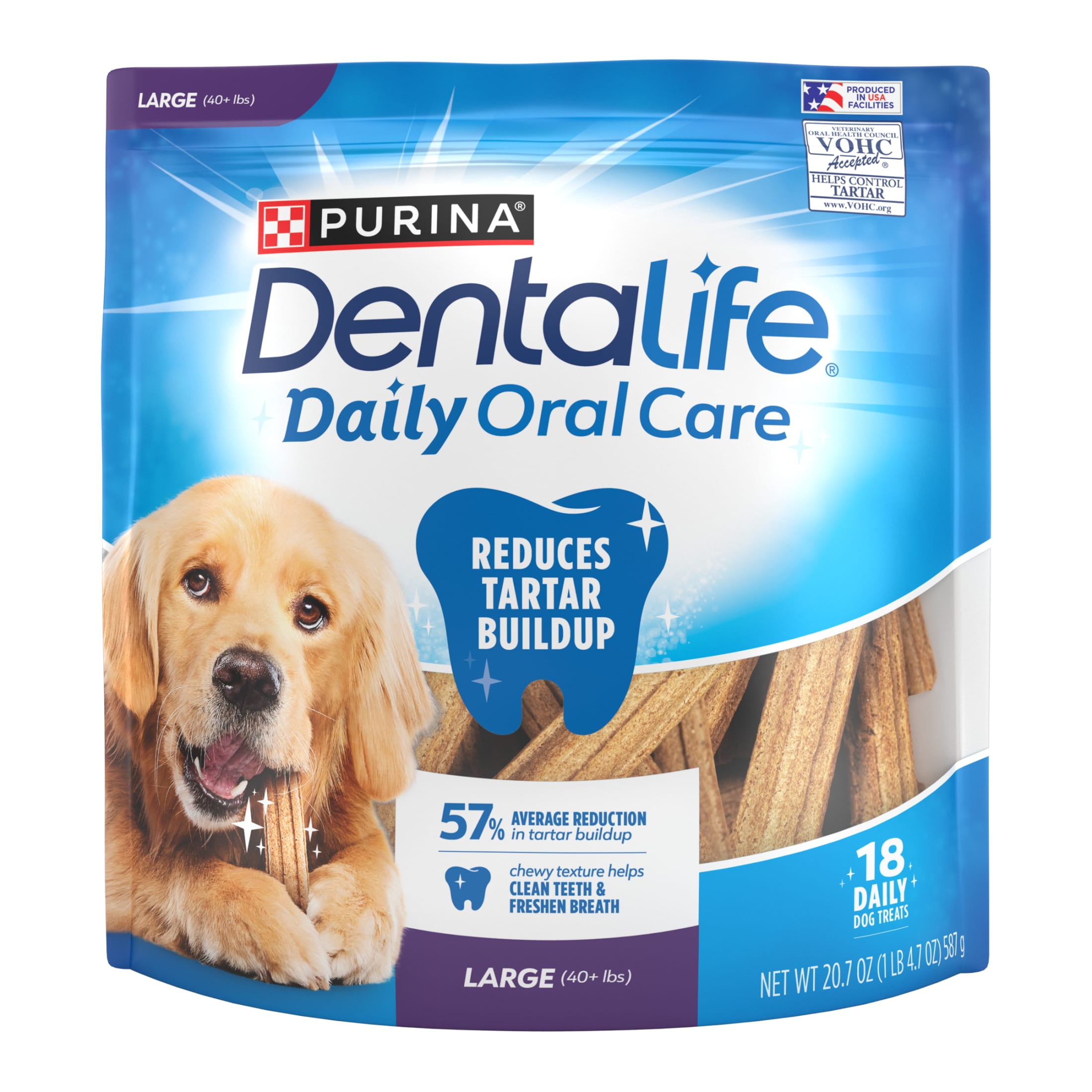
Purina Dentalife chews, for instance, are designed with a unique porous and chewy texture that allows the chew to surround the tooth, providing an all-around scrubbing action down to the gum line. This mechanical abrasion helps to reduce plaque and tartar buildup. Similarly, certain Purina kibble formulations, such as those found in Purina Pro Plan Veterinary Diets DH (Dental Health), feature an enlarged kibble size and a specific fibrous texture. This design encourages chewing, increasing tooth contact with the kibble and promoting a scrubbing effect to clean tooth surfaces. Some formulas also incorporate polyphosphate, which binds to calcium in saliva to help prevent tartar formation.
Integrating these solutions into a dog’s daily routine can be straightforward. Dental chews can be offered as a daily treat, while specialized dental diets replace regular meals. Consistency is key; regular use of these products, combined with routine veterinary check-ups, contributes significantly to maintaining better oral hygiene.
When Professional Help May Be Needed
While daily home care strategies, including the use of Purina Dental products, are invaluable for prevention and maintenance, there are circumstances where professional veterinary intervention is essential. Regular veterinary dental examinations are recommended annually, even if a dog appears to have healthy teeth. These examinations allow a veterinarian to assess the overall oral health, identify early signs of disease, and recommend appropriate next steps.
Situations demanding immediate professional attention include severe bad breath, significant gum inflammation, loose or fractured teeth, growths within the mouth, or signs of pain when a dog eats. If home care methods are not preventing plaque and tartar buildup, or if a dog is displaying any behavioral changes indicative of oral discomfort, a veterinary consultation is crucial. Professional dental cleaning under anesthesia allows for a thorough examination, scaling, and polishing of teeth, including below the gum line, where much of the damage occurs. In cases of advanced periodontal disease, extractions or other surgical procedures may be necessary to alleviate pain and prevent further health complications.
Conclusion
Proactive dental care is a non-negotiable aspect of responsible dog ownership, profoundly impacting a canine companion’s health and happiness. The continuous battle against plaque and tartar accumulation requires vigilance and consistent effort. Incorporating solutions such as Purina Dental products into a dog’s daily regimen offers a practical and effective way to support oral hygiene, working to mitigate common dental issues. By remaining attentive to the signs of dental problems and understanding when to seek professional veterinary assistance, dog owners empower themselves to provide the best possible care. Prioritizing dental health translates directly into improved quality of life, allowing dogs to enjoy their food, play without discomfort, and thrive for years to come.
Pet Care & Wellness Overview Table
| Life Stage | Daily Activity Level | Key Nutrition / Care Focus |
|---|---|---|
| Puppy / Kitten | High (frequent short bursts) | High-protein growth diet & early socialization |
| Adult Companion | Moderate (30–60 mins daily) | Balanced maintenance nutrition & dental hygiene |
| Senior Pets | Low to Gentle (mindful walks) | Joint support (Glucosamine) & routine vet checks |
Images References




For more expert pet care tips and advice, check out our dedicated Dog Health guides to keep your companions healthy and happy.


