

Introduction
Maintaining a dog’s optimal health often involves a comprehensive approach that includes balanced nutrition, regular exercise, and attentive care. Among the various aspects of canine well-being, digestive health stands as a foundational pillar, directly influencing nutrient absorption, immune function, and overall vitality. Within this crucial domain, specialized supplements play an important role, with products like Purina FortiFlora Canine Probiotic gaining significant recognition. This specific probiotic supplement is formulated to introduce beneficial live microorganisms into a dog’s digestive system, aiming to restore balance to the gut microbiome. Understanding what Purina FortiFlora Canine Probiotic is, how it functions, and when it can be beneficial offers dog owners a valuable tool for addressing common gastrointestinal disturbances and supporting a dog’s general health, contributing significantly to improved well-being and quality of life.
💡 Pet Care Key Takeaways:
- Core Focus: Practical health, nutrition, and wellness guidelines for Purina Fortiflora Canine Probiotic.
- Target Scope: Pet owners, animal caregivers, and veterinary support staff.
- Best Recommendation: Maintain consistent daily routines and consult an accredited veterinarian before introducing major diet or medical changes.
Common Causes and Key Factors
A dog’s gut microbiome, a complex community of bacteria and other microorganisms, can be surprisingly fragile and susceptible to various disruptions. Several common factors frequently contribute to an imbalance, often necessitating support from supplements like Purina FortiFlora Canine Probiotic. Dietary changes, such as switching to a new food brand or introducing novel treats, can upset the delicate balance of gut flora. Stress, whether from environmental changes, travel, or separation anxiety, is another significant contributor, as it can directly impact digestive motility and bacterial composition. For more related activities, check out our Natural Balance Puppy Food Quantity Chart.
Medical interventions also play a role; antibiotic treatments, while essential for combating bacterial infections, unfortunately do not differentiate between harmful and beneficial bacteria, often leading to a depletion of healthy gut flora. Illnesses, including gastrointestinal infections, pancreatitis, or inflammatory bowel disease, inherently disrupt digestive function and microbial equilibrium. Furthermore, aging can naturally alter a dog’s digestive efficiency and microbial diversity, making senior dogs more prone to gastrointestinal sensitivities. Any of these factors can lead to an overgrowth of less desirable bacteria, diminishing the effectiveness of the digestive process and impacting overall health.
Signs and Symptoms to Observe
Recognizing the signs of digestive upset in dogs is crucial for timely intervention and support. While some symptoms might be subtle, others are more overt and clearly indicate an imbalance in the gut. Diarrhea is one of the most common indicators, manifesting as loose, watery, or abnormally frequent stools. This can range from acute, short-term episodes to chronic issues. Conversely, constipation, characterized by infrequent or strained bowel movements, can also signal digestive distress, though less commonly associated with a need for probiotics compared to diarrhea.
Other observable signs include flatulence or excessive gas, which can be accompanied by discomfort or bloating. Changes in stool quality, such as unusually soft, poorly formed, or mucus-laden feces, are also important clues. Beyond the stool itself, a dog experiencing digestive issues might show a decreased appetite, occasional vomiting, or a general lethargy that suggests systemic discomfort. In some cases, a dull coat or dry, flaky skin can indirectly point to poor nutrient absorption stemming from an unhealthy gut. These signs can vary in intensity depending on a dog’s age, breed, and underlying health conditions, underscoring the importance of careful observation by caregivers.
Practical Solutions and Management Strategies
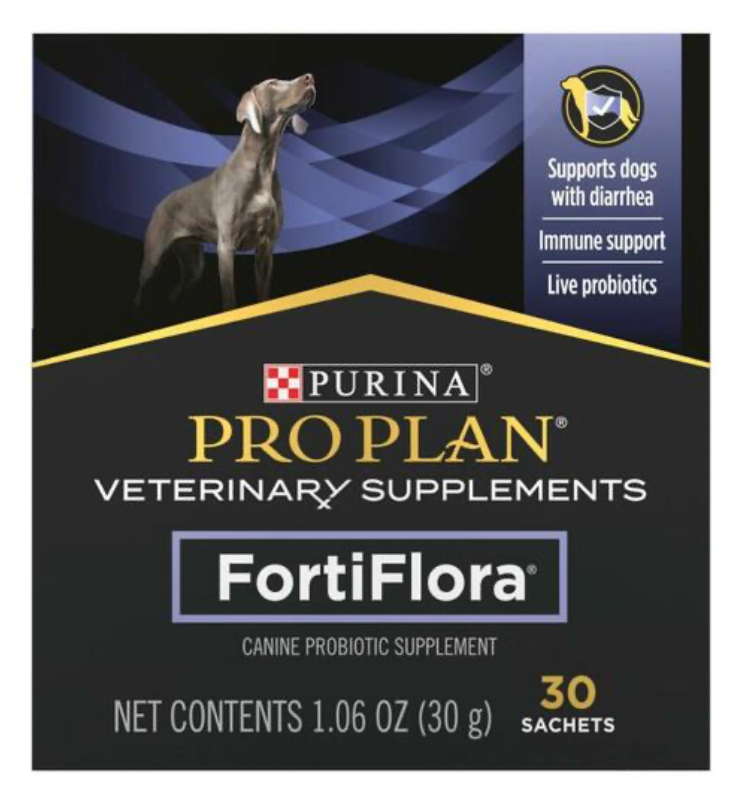
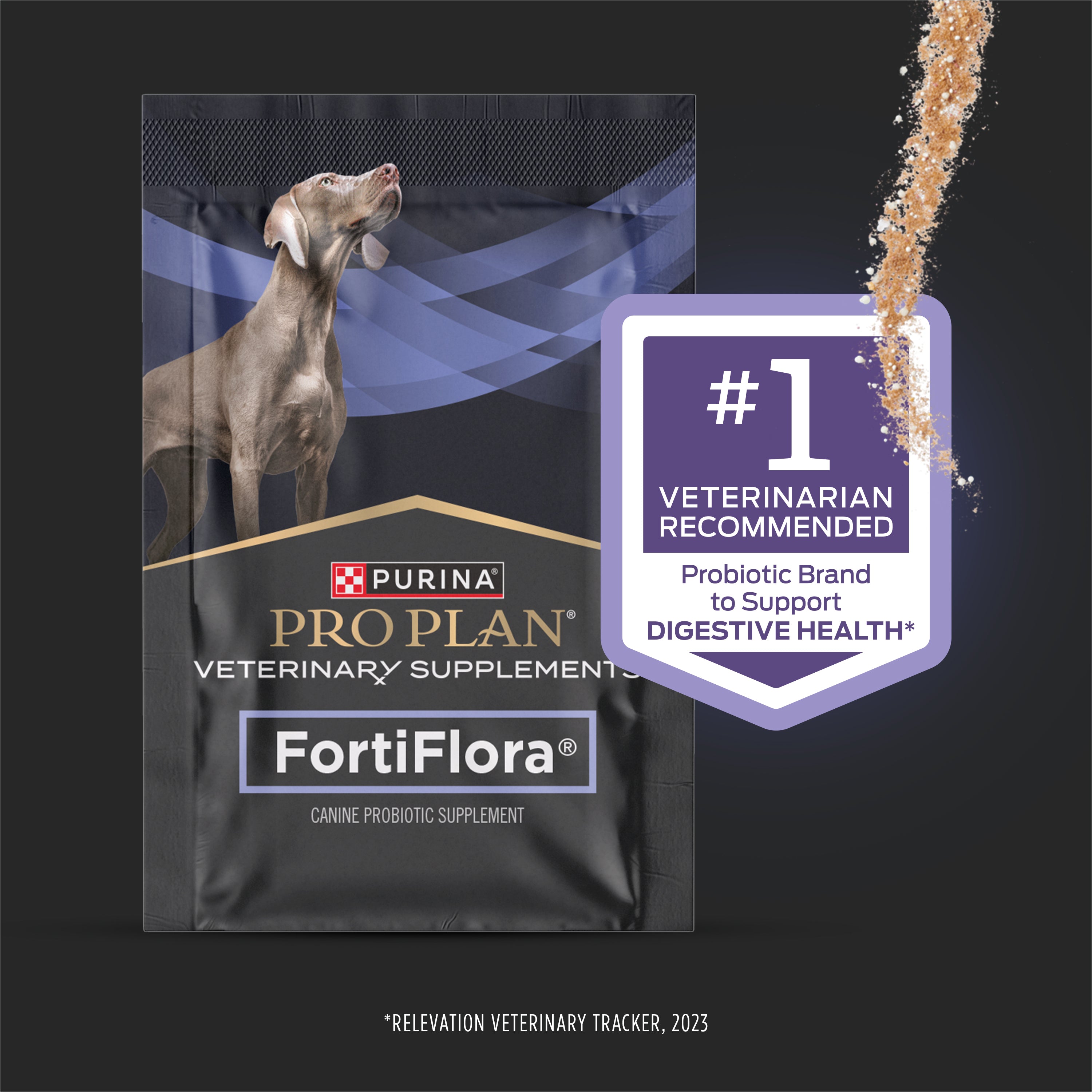
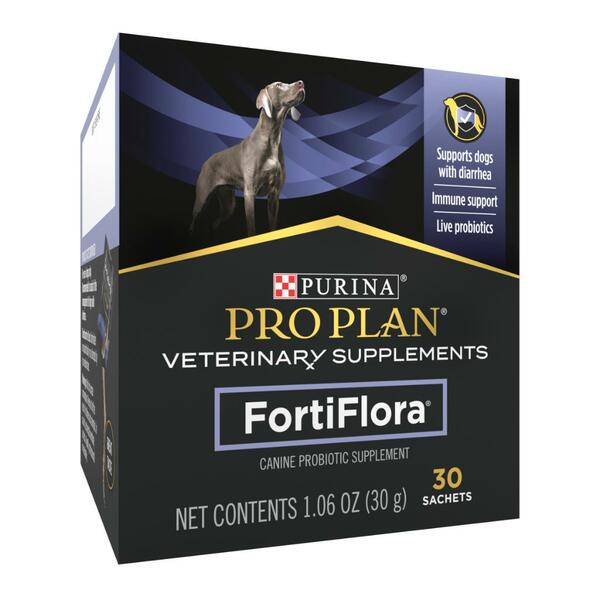
When digestive issues arise, implementing practical solutions is key to restoring a dog’s comfort and health. Purina FortiFlora Canine Probiotic offers a targeted approach by delivering a strain of beneficial bacteria, Enterococcus faecium SF68, directly to the gut. This specific strain works to promote intestinal health and balance the microflora, which can be disrupted by various factors. The product typically comes in individual sachets containing a palatable powder that can be easily sprinkled over a dog’s regular food once daily.
Consistent administration, often for several days or weeks, is vital for the probiotic to establish its beneficial effects. Beyond probiotic supplementation, a holistic approach to gut health includes dietary considerations. Ensuring a dog receives a high-quality, easily digestible diet suitable for its age and activity level is paramount. If dietary changes are necessary, introducing new foods gradually over several days minimizes stress on the digestive system. Stress management techniques, such as maintaining a consistent routine, providing a calm environment, and ensuring adequate exercise, can also significantly support digestive well-being. For dogs undergoing antibiotic therapy, administering a probiotic during and after the treatment course can help replenish beneficial gut bacteria.
When Professional Help May Be Needed
While Purina FortiFlora Canine Probiotic can be an effective support for many mild to moderate digestive upsets, recognizing when professional veterinary help is necessary is paramount. Caregivers should seek veterinary consultation if a dog exhibits severe or persistent symptoms. These include chronic diarrhea lasting more than a few days, the presence of blood in the stool (either bright red or tarry black), persistent vomiting, or a noticeable loss of appetite.
Other serious indicators include significant lethargy, weakness, signs of abdominal pain or bloating, or any rapid and unexplained weight loss. If a dog is a puppy, a senior, or has a known underlying health condition, digestive issues can escalate more quickly and warrant immediate veterinary attention. Probiotics are a supportive measure, but they are not a substitute for veterinary diagnosis and treatment of serious medical conditions. A veterinarian can accurately diagnose the underlying cause of digestive distress, recommend appropriate treatments, and determine if probiotics are a suitable part of the overall management plan.
Conclusion
Understanding the role of gut health is central to ensuring a dog’s overall well-being. Purina FortiFlora Canine Probiotic serves as a valuable tool for dog owners seeking to support their companions’ digestive systems, particularly during periods of stress, dietary changes, or antibiotic use. By introducing beneficial bacteria, it helps to restore balance to the gut microbiome, which can alleviate common issues like diarrhea and improve stool quality. The importance of careful observation for signs of digestive distress, coupled with consistent and appropriate care, cannot be overstated. While probiotics offer significant benefits, vigilance remains key, and the guidance of a veterinary professional is indispensable for severe or persistent symptoms. Through informed choices and proactive management, caregivers can significantly contribute to their dog’s health, ensuring a happy and comfortable life.
Pet Care & Wellness Overview Table
| Life Stage | Daily Activity Level | Key Nutrition / Care Focus |
|---|---|---|
| Puppy / Kitten | High (frequent short bursts) | High-protein growth diet & early socialization |
| Adult Companion | Moderate (30–60 mins daily) | Balanced maintenance nutrition & dental hygiene |
| Senior Pets | Low to Gentle (mindful walks) | Joint support (Glucosamine) & routine vet checks |
Images References






For more expert pet care tips and advice, check out our dedicated Dog Nutrition guides to keep your companions healthy and happy.




