

Introduction
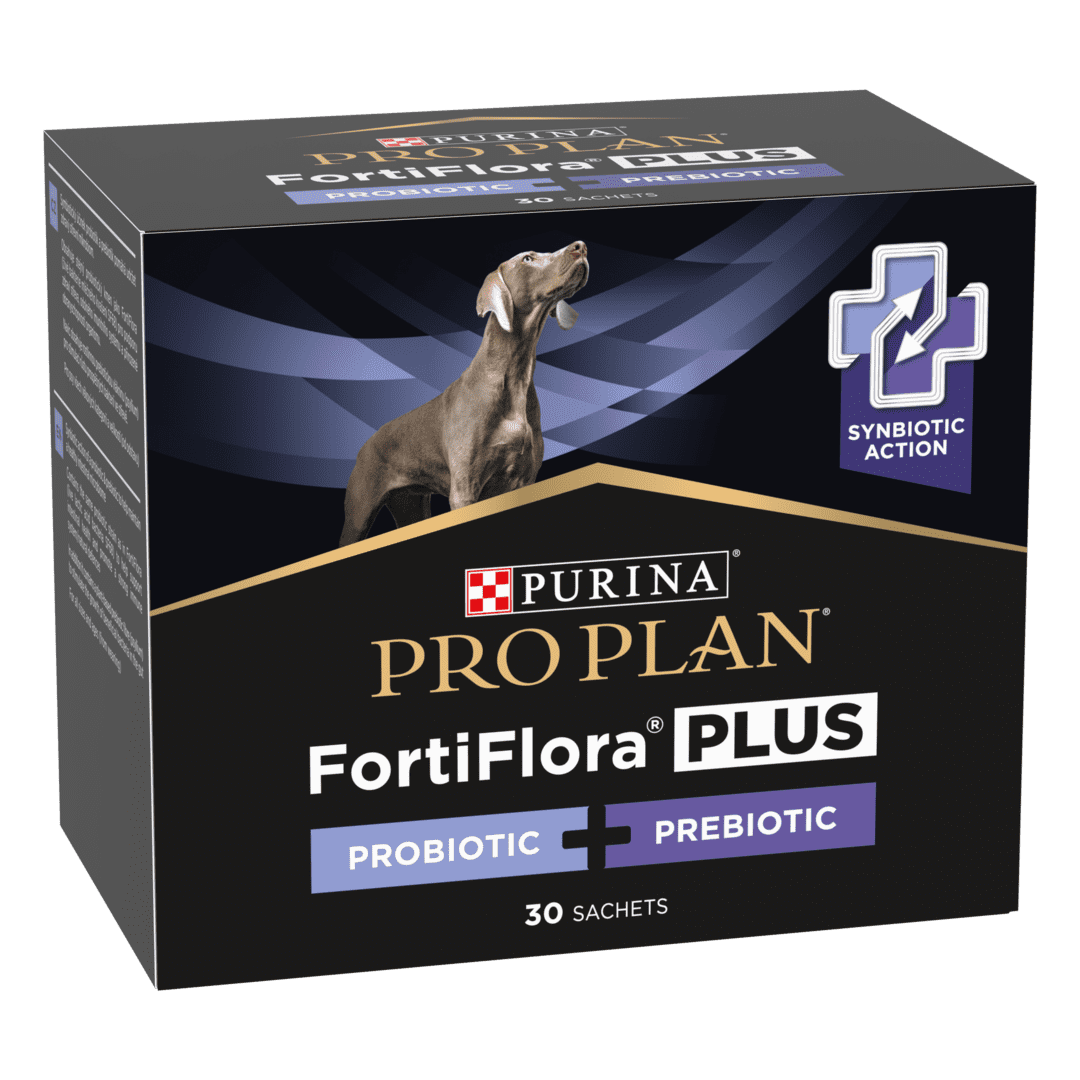
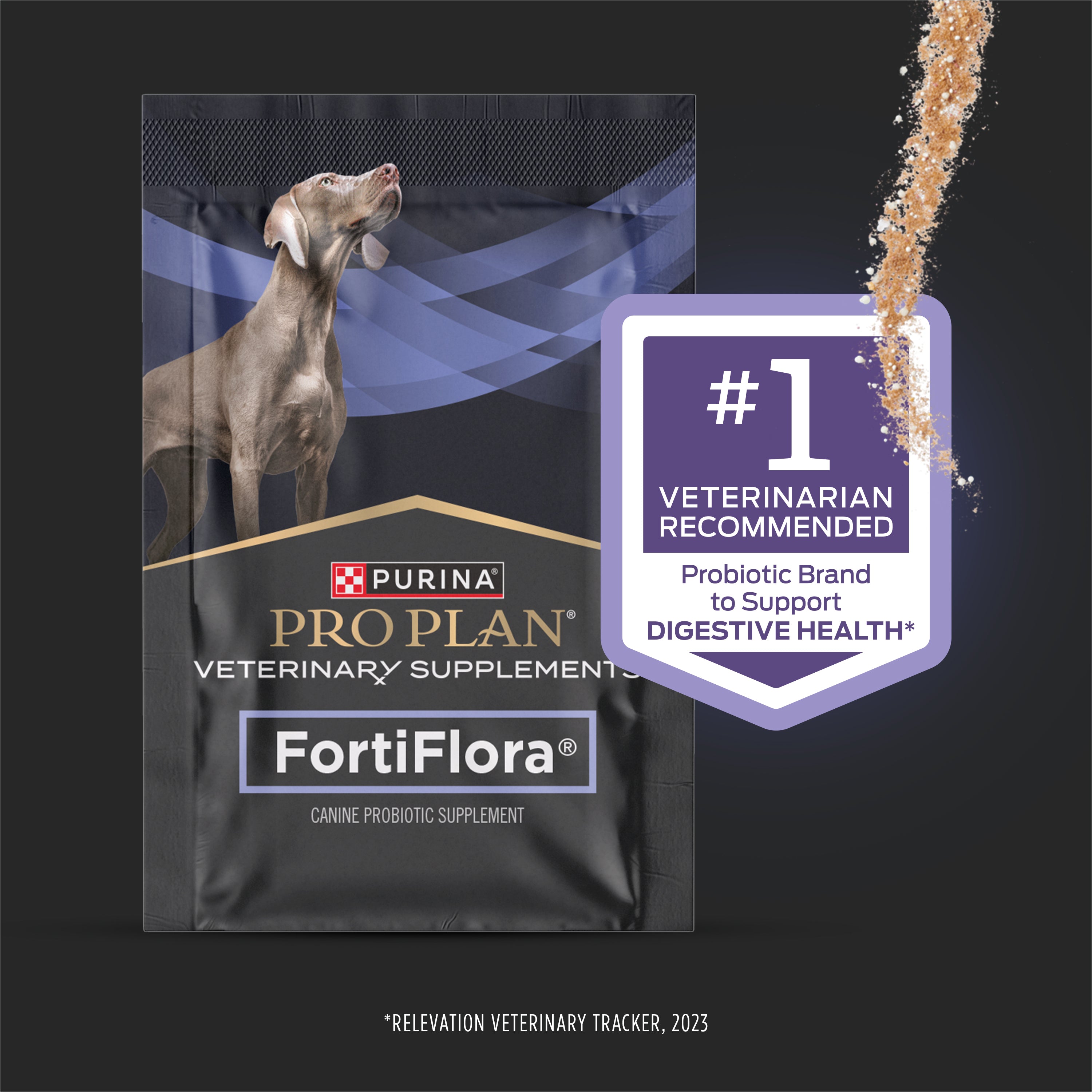
Maintaining optimal digestive health is paramount for a dog’s overall well-being, influencing everything from nutrient absorption to immune system function. Purina FortiFlora, a widely recognized probiotic supplement, plays a significant role in supporting this vital aspect of canine health. This product introduces beneficial microorganisms into a dogs digestive tract, helping to restore balance to the gut microbiome. Understanding the function and application of Purina FortiFlora can be particularly important for dog owners witnessing digestive upsets, managing stress-related gastrointestinal issues, or supporting pets undergoing antibiotic treatments. By providing targeted support to the digestive system, this supplement can contribute to improved stool quality, reduced flatulence, and a stronger immune response, ultimately enhancing a dogs quality of life.
💡 Pet Care Key Takeaways:
- Core Focus: Practical health, nutrition, and wellness guidelines for Purina Fortiflora.
- Target Scope: Pet owners, animal caregivers, and veterinary support staff.
- Best Recommendation: Maintain consistent daily routines and consult an accredited veterinarian before introducing major diet or medical changes.
Common Causes and Key Factors
Several factors can disrupt a dog’s delicate gut balance, leading to digestive disturbances where Purina FortiFlora might be beneficial. Dietary indiscretions, such as a dog consuming unfamiliar foods or scavenging inappropriate items, frequently trigger acute gastrointestinal upset. Abrupt changes in diet, even when transitioning to a new commercial food, can also overwhelm the digestive system.
Stress is another significant contributor to digestive issues. Events like moving to a new home, visits to the veterinary clinic, boarding, or the introduction of a new family member can all induce stress, manifesting as diarrhea or changes in appetite. Furthermore, antibiotic therapy, while essential for treating bacterial infections, can inadvertently destroy beneficial gut bacteria alongside harmful ones, leaving the digestive tract vulnerable.
Underlying health conditions, including inflammatory bowel disease, food sensitivities, or parasitic infections, can chronically affect gut health. Even the natural aging process can alter a dog’s microbiome, making older dogs more susceptible to digestive imbalances. Puppies, with their still-developing immune and digestive systems, are also particularly vulnerable to environmental stressors and dietary changes, often benefiting from probiotic support during critical growth phases or weaning. For more related activities, check out our “Fortiflora” And “Gut Health”.
Signs and Symptoms to Observe
Observing a dogs stools and overall behavior can provide crucial clues regarding their digestive health. The most common sign indicating a need for probiotic support is a change in stool consistency, ranging from loose stools to overt diarrhea, which can be acute or chronic. Stools that are unusually soft, watery, or contain mucus or blood warrant close attention.
Other indicators of digestive distress include increased flatulence, abdominal discomfort (manifesting as a hunched posture or reluctance to be touched), and changes in appetite, such as refusal to eat or a sudden increase in hunger without weight gain. Vomiting, while not always digestive in origin, can also be a symptom of gastrointestinal upset.
Less obvious signs might include a dull coat, which can sometimes be linked to poor nutrient absorption, or behaviors like scooting, often associated with anal gland issues that can be exacerbated by inconsistent stool quality. These signs can vary depending on a dogs age, breed, and the severity of the underlying cause, making careful and consistent observation by the owner essential for early detection and intervention.
Practical Solutions and Management Strategies
When digestive issues arise, incorporating Purina FortiFlora can be a practical and effective management strategy. This supplement is typically available in convenient sachets containing a palatable powder that can be easily sprinkled over a dogs regular food once daily. Its palatability often ensures eager consumption, making administration straightforward.
For acute episodes of diarrhea, a short course of Purina FortiFlora, often lasting 5-7 days or until symptoms resolve, can help re-establish a healthy gut flora. When a dog is undergoing antibiotic treatment, administering Purina FortiFlora at a different time of day than the antibiotic can help mitigate the negative impact on beneficial gut bacteria.
In cases of chronic digestive sensitivity, stress-induced gastrointestinal upset, or for older dogs, long-term or intermittent use of Purina FortiFlora may be beneficial for maintaining overall gut health and immune function. Combining probiotic supplementation with a bland diet, such as boiled chicken and plain white rice, can provide additional relief during acute episodes. Ensuring constant access to fresh water is also crucial, especially when a dog is experiencing diarrhea, to prevent dehydration. Creating a stable, low-stress environment can further support digestive health by reducing the physiological impacts of anxiety.
When Professional Help May Be Needed
While Purina FortiFlora can be a valuable tool for supporting canine digestive health, recognizing when veterinary intervention is necessary remains crucial. If a dog exhibits severe or persistent symptoms such as uncontrollable vomiting, profuse watery diarrhea that does not improve within 24-48 hours, or signs of dehydration like sunken eyes or lethargy, immediate veterinary attention is warranted.
The presence of blood in vomit or stools, significant abdominal pain or distension, or a sudden onset of weakness also necessitates an urgent visit to a veterinarian. These symptoms could indicate more serious underlying conditions, including pancreatitis, foreign body ingestion, severe infections, or organ dysfunction, which require a comprehensive diagnostic work-up and specific medical treatment.
Furthermore, if a dog is experiencing recurrent digestive problems despite dietary management and probiotic supplementation, or if there is unexplained weight loss, a veterinary consultation is essential. A veterinarian can conduct thorough examinations, including blood tests, fecal analysis, or imaging studies, to accurately diagnose the root cause of the digestive issues and formulate an appropriate and effective treatment plan. Relying solely on supplements without professional guidance for chronic or severe problems could delay necessary medical care.
Conclusion
Purina FortiFlora serves as an effective and accessible probiotic supplement, providing targeted support for canine digestive health. Its role in balancing the gut microbiome can significantly aid in managing various gastrointestinal disturbances, from stress-induced episodes to antibiotic-related imbalances. Recognizing the signs of digestive upset and understanding the practical application of this supplement empowers dog owners to proactively support their pet’s well-being. Consistent observation and responsive care are fundamental to maintaining a dogs digestive vitality. While Purina FortiFlora is a valuable component of a holistic health strategy, it is always important to consult with a veterinarian for persistent or severe health concerns, ensuring that a dog receives the most appropriate and comprehensive care tailored to its individual needs.
Pet Care & Wellness Overview Table
| Life Stage | Daily Activity Level | Key Nutrition / Care Focus |
|---|---|---|
| Puppy / Kitten | High (frequent short bursts) | High-protein growth diet & early socialization |
| Adult Companion | Moderate (30–60 mins daily) | Balanced maintenance nutrition & dental hygiene |
| Senior Pets | Low to Gentle (mindful walks) | Joint support (Glucosamine) & routine vet checks |
Images References



For more expert pet care tips and advice, check out our dedicated Dog Nutrition guides to keep your companions healthy and happy.




