Introduction
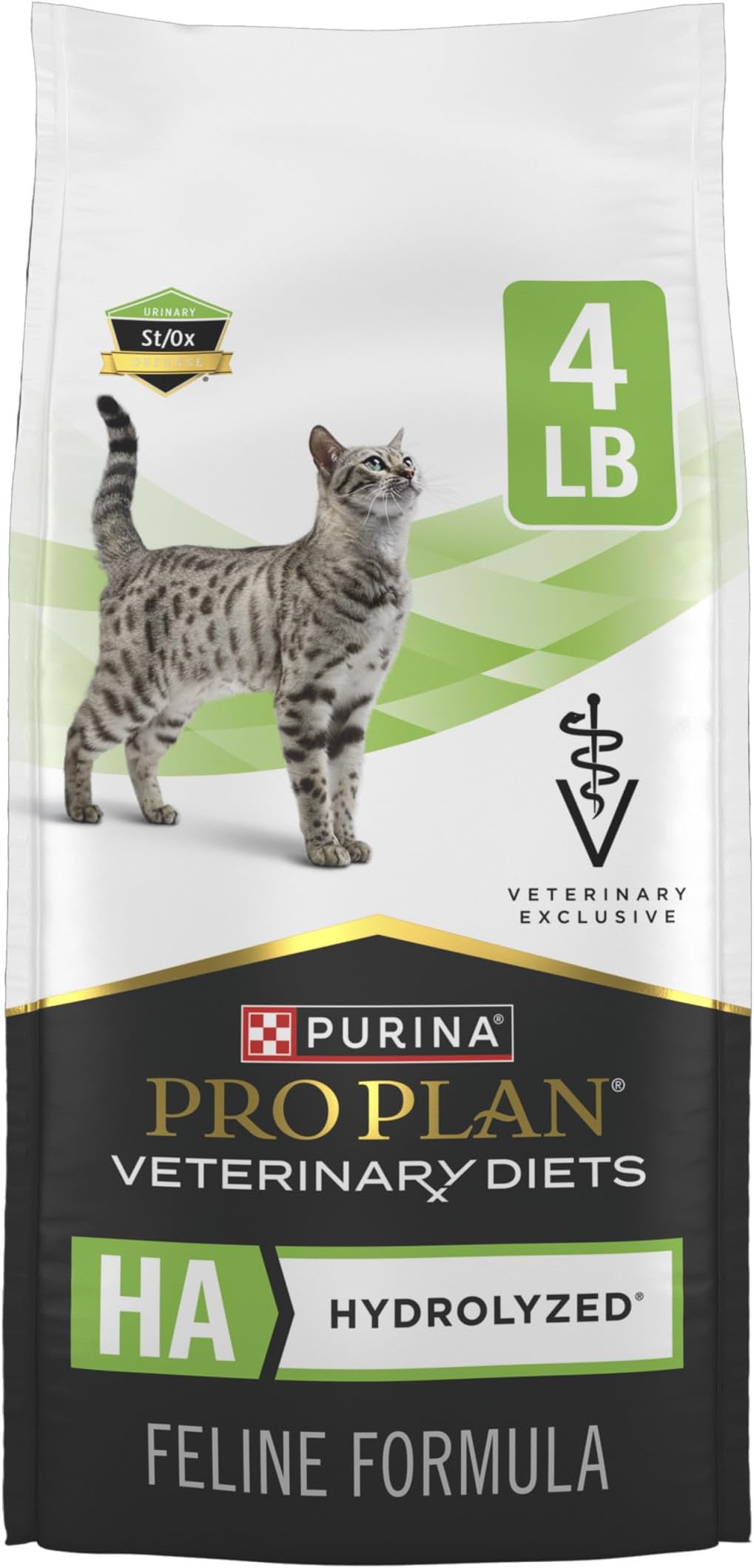
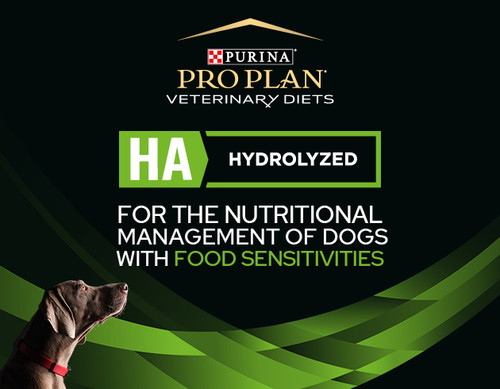
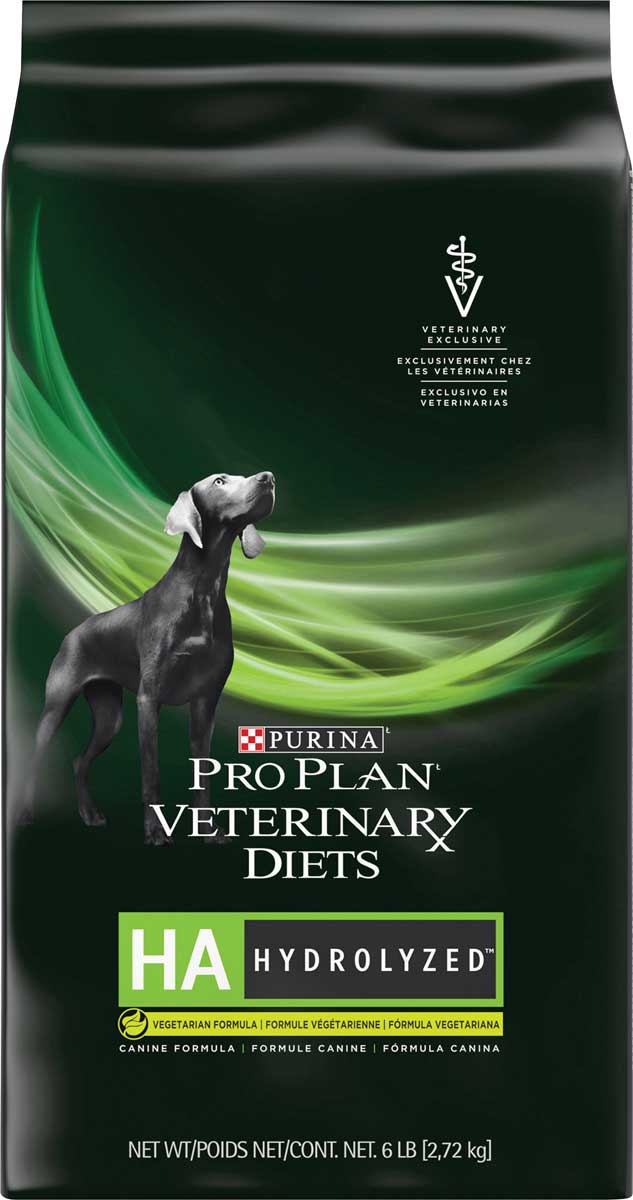
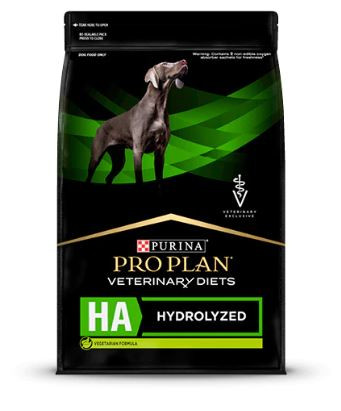
Understanding a dog’s nutritional needs is fundamental to its overall health and well-being. For many canine companions, typical commercial diets provide complete and balanced nutrition. However, a significant number of dogs experience adverse food reactions, commonly known as food allergies or sensitivities. These conditions can manifest in various uncomfortable ways, greatly impacting a dog’s quality of life. This is where specialized dietary solutions, such as a Purina hydrolyzed diet, become invaluable. This particular type of canine nutrition is specifically formulated to help manage and alleviate the symptoms associated with food sensitivities by breaking down proteins into components too small to trigger an immune response. Comprehending the role of a hydrolyzed diet can empower dog owners to identify potential issues and work with veterinary professionals to restore their dog’s comfort and vitality, ultimately leading to a happier, healthier pet. Explore more in our Dog Nutrition collection.
💡 Pet Care Key Takeaways:
- Core Focus: Practical health, nutrition, and wellness guidelines for Purina Hydrolyzed Diet.
- Target Scope: Pet owners, animal caregivers, and veterinary support staff.
- Best Recommendation: Maintain consistent daily routines and consult an accredited veterinarian before introducing major diet or medical changes.
Common Causes and Key Factors
Food allergies and sensitivities in dogs arise when the immune system mistakenly identifies certain dietary proteins as harmful threats. While some dogs might develop these issues early in life, others can develop them suddenly after years of eating the same food. The most common culprits are typically protein sources such as beef, dairy, chicken, lamb, soy, wheat, corn, and eggs. These ingredients, while common in many dog foods, can lead to adverse reactions in susceptible individuals. For more related activities, check out our Pitbullnutrition.
A crucial distinction exists between a food allergy and a food sensitivity. A food allergy involves an immune system response, often immediate and severe, affecting multiple body systems. A food sensitivity, on the other hand, is a more gradual digestive reaction that does not involve the immune system and typically manifests with gastrointestinal upset. Both conditions, however, necessitate a careful approach to diet. Genetic predisposition can play a role, making certain breeds more prone to developing these issues. Environmental factors, while not direct causes, can sometimes exacerbate existing sensitivities or complicate diagnosis by presenting similar symptoms. The core factor leading to the need for a Purina hydrolyzed diet is the dog’s inability to properly tolerate intact proteins in standard foods. Discover more free resources across our collection library.
Signs and Symptoms to Observe
Recognizing the signs of food allergies or sensitivities is the first step toward finding a solution. These symptoms can be diverse and may mimic other health conditions, making veterinary diagnosis essential.
Dermatological Signs:
- Intense itching (pruritus), often localized to the paws, ears, groin, and anal area.
- Recurrent ear infections (otitis externa), sometimes accompanied by a foul odor or discharge.
- Redness, inflammation, and skin lesions.
- Hair loss or thinning coat due to excessive scratching or licking.
- “Hot spots” acute moist dermatitis, often self-inflicted from constant licking and chewing.
Gastrointestinal Signs:
- Chronic vomiting or regurgitation, not necessarily immediately after eating.
- Persistent diarrhea or soft, unformed stools.
- Excessive flatulence or abdominal discomfort.
- Poor appetite or weight loss despite adequate food intake.
- Frequent bowel movements.
While these signs can be indicative of food-related issues, they are also associated with other conditions such as environmental allergies, parasitic infections, or inflammatory bowel disease. This overlap underscores the importance of a thorough veterinary examination to accurately identify the underlying cause of a dog’s discomfort.
Practical Solutions and Management Strategies
Once a dog has been diagnosed with a food allergy or sensitivity, managing the condition primarily revolves around diet. A Purina hydrolyzed diet represents a sophisticated nutritional approach specifically designed for this purpose. The science behind hydrolyzed protein involves breaking down intact protein molecules into much smaller peptide fragments. These fragments are so tiny that the dog’s immune system does not recognize them as foreign invaders, thus preventing an allergic reaction.
The cornerstone of using a hydrolyzed diet is the elimination diet trial. This involves feeding the dog only the prescribed hydrolyzed food for a strict period, typically 8 to 12 weeks, with absolutely no other foods, treats, table scraps, or flavored medications. Strict adherence is paramount; even a small amount of an allergenic ingredient can trigger a reaction and invalidate the trial.
When introducing a Purina hydrolyzed diet, a gradual transition over several days can help prevent gastrointestinal upset as the dog adjusts to the new food. Owners should observe the dog closely for a reduction in symptoms such as itching, skin inflammation, vomiting, or diarrhea. If symptoms improve significantly during the trial, it strongly suggests that a food allergy or sensitivity was indeed the cause. The hydrolyzed diet can then be continued long-term as a maintenance food, or a reintroduction (challenge) phase might be recommended by a veterinarian to identify the specific allergen. Consistent feeding of the hydrolyzed diet is essential for continued symptom relief and to ensure the dog’s ongoing health and comfort.
When Professional Help May Be Needed
Addressing suspected food allergies or sensitivities in dogs always requires professional veterinary guidance. Attempting to self-diagnose or implement dietary changes without expert advice can delay proper treatment, prolong a dog’s discomfort, and potentially lead to nutritional imbalances.
A veterinarian plays a critical role in several aspects:
- Accurate Diagnosis: They can differentiate between food allergies, environmental allergies, parasitic infections, and other medical conditions that present with similar symptoms through thorough examination and diagnostic tests.
- Prescription and Guidance: A Purina hydrolyzed diet is a prescription veterinary diet. Access to these specialized formulas requires a veterinarian’s authorization, ensuring the diet is appropriate for the individual dog’s specific needs.
- Monitoring and Adjustment: Veterinarians can monitor a dog’s progress during the elimination diet trial, assess the effectiveness of the hydrolyzed diet, and make adjustments to the management plan as needed.
- Nutritional Expertise: They can ensure that while managing the allergy, the dog still receives complete and balanced nutrition tailored to its age, breed, and activity level.
If a dog exhibits persistent scratching, chronic ear infections, frequent gastrointestinal upset, or any other concerning symptoms, scheduling a consultation with a veterinary professional is the most responsible course of action.
Conclusion
For dogs suffering from the discomfort of food allergies or sensitivities, a specialized nutritional approach offers a path to relief and improved well-being. A Purina hydrolyzed diet provides a scientifically formulated solution by utilizing proteins broken down to a size that typically avoids triggering an immune response. This innovative dietary strategy can effectively manage a range of dermatological and gastrointestinal symptoms, significantly enhancing a dog’s quality of life. Owners are encouraged to remain vigilant in observing their dog’s health indicators and to understand that accurate diagnosis and management of food-related issues are best achieved with professional veterinary support. Through careful observation, consistent care, and expert guidance, dog owners can help their beloved companions thrive, ensuring they lead comfortable, healthy lives on petsanimalsworld.com.
Pet Care & Wellness Overview Table
| Life Stage | Daily Activity Level | Key Nutrition / Care Focus |
|---|---|---|
| Puppy / Kitten | High (frequent short bursts) | High-protein growth diet & early socialization |
| Adult Companion | Moderate (30–60 mins daily) | Balanced maintenance nutrition & dental hygiene |
| Senior Pets | Low to Gentle (mindful walks) | Joint support (Glucosamine) & routine vet checks |
Images References