
Introduction
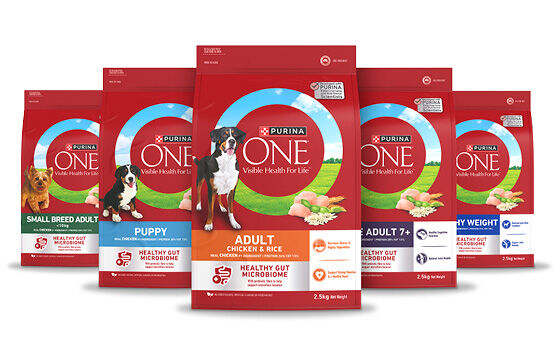
Maintaining a dog’s ideal weight is a cornerstone of responsible pet ownership, directly impacting their longevity, energy levels, and overall quality of life. For many canine companions, especially those prone to weight gain or with specific metabolic needs, a specialized nutritional approach becomes essential. This is where products like Purina ONE diet dog food play a significant role. Understanding what constitutes a “diet” dog food, why it is needed, and how to integrate it effectively into a dogs regimen is crucial for promoting optimal canine health. Such specialized diets are typically formulated to provide complete and balanced nutrition while managing calorie intake, supporting lean muscle, and ensuring satiety, thereby addressing concerns related to canine obesity or simply maintaining a healthy weight as dogs age or become less active.
💡 Pet Care Key Takeaways:
- Core Focus: Practical health, nutrition, and wellness guidelines for Purina One Diet Dog Food.
- Target Scope: Pet owners, animal caregivers, and veterinary support staff.
- Best Recommendation: Maintain consistent daily routines and consult an accredited veterinarian before introducing major diet or medical changes.
Common Causes and Key Factors
The necessity for a diet-specific dog food, such as Purina ONEs weight management formulas, often stems from several common factors contributing to canine weight gain. Foremost among these is an imbalance between caloric intake and energy expenditure. Dogs consuming more calories than they burn through daily activity will inevitably gain weight. Reduced physical activity, due to factors like aging, injury, or simply a sedentary lifestyle, significantly lowers a dogs caloric needs. Genetic predispositions also play a role, with certain breeds being more susceptible to obesity than others. For more related activities, check out our Ol Roy Ingredients List.
Furthermore, overfeeding, often due to inaccurate portion measurement or an abundance of calorie-rich treats and table scraps, contributes significantly to weight issues. Even seemingly small additions can quickly add up for a dog. Underlying medical conditions, such as hypothyroidism or Cushing’s disease, can also impact metabolism and lead to weight gain, although these are less common than dietary and lifestyle factors. Purina ONE diet formulas are designed to address these common issues by offering a controlled calorie content, often coupled with higher protein to maintain muscle mass and increased fiber to promote a feeling of fullness.
Signs and Symptoms to Observe
Recognizing the signs that a dog might benefit from a diet-specific food is key to early intervention. One of the most evident indicators is difficulty feeling a dog’s ribs without applying significant pressure; ideal body condition allows the ribs to be easily felt with a thin layer of fat covering them. An absence of a distinct waistline when viewed from above, or a sagging abdomen when viewed from the side, are also clear visual cues.
Beyond visual assessment, behavioral changes can signal weight-related issues. Dogs carrying excess weight may exhibit reduced energy levels, appearing less enthusiastic for walks or playtime, and may pant more heavily after minimal exertion. Mobility can also be affected, leading to difficulty climbing stairs, jumping, or even grooming themselves properly. These signs can vary by age and breed; for example, an older dog might naturally slow down, but excessive lethargy coupled with weight gain warrants attention. Regular body condition scoring, a simple visual and tactile assessment, provides an objective way to monitor a dog’s physique and determine if a dietary adjustment, such as switching to Purina ONE diet dog food, is appropriate.
Practical Solutions and Management Strategies
Implementing a successful weight management plan for a dog often involves a combination of dietary adjustments and lifestyle changes. When considering Purina ONE diet dog food, a gradual transition over 7-10 days is recommended to prevent digestive upset. This involves mixing increasing amounts of the new diet food with decreasing amounts of the old food until the dog is solely eating the Purina ONE diet formula.
Precise portion control is paramount. Following the feeding guidelines provided on the Purina ONE bag is a good starting point, but individual needs may vary based on activity level, age, and desired weight loss. Using a kitchen scale to measure food accurately ensures consistency. Supplementing the new diet with appropriate exercise is also critical; daily walks, playtime, and engaging activities help burn calories and build lean muscle. Limiting high-calorie treats and avoiding table scraps are equally important steps to prevent unintended calorie intake. Consistent feeding times and access to fresh water throughout the day further support a healthy metabolism and overall well-being. Regular monitoring of the dog’s weight and body condition score allows for adjustments to be made to the feeding plan as progress is observed.
When Professional Help May Be Needed
While many cases of canine weight management can be addressed with diligent home care and appropriate diet choices like Purina ONE diet dog food, there are circumstances where professional veterinary consultation becomes essential. If a dog experiences no noticeable weight loss despite consistent efforts with a diet food and exercise regimen, an underlying medical condition may be present, warranting a veterinary examination. Sudden, unexplained weight gain or loss, or a rapid decline in activity levels, are also strong indicators for a vet visit, as these could signal serious health issues.
Veterinarians can provide a thorough health assessment, rule out medical causes for weight problems, and offer personalized dietary recommendations tailored to a dog’s specific health profile, breed, and lifestyle. They can also help determine an ideal target weight and calculate precise caloric needs, which may differ from general guidelines. In some instances, a veterinary nutritionist might be consulted for highly specialized dietary plans, ensuring all nutritional requirements are met during a weight loss journey. Professional guidance ensures a safe, effective, and sustainable approach to canine weight management.
Conclusion
Managing a dog’s weight through appropriate nutrition, such as with Purina ONE diet dog food, is a proactive step toward ensuring their long-term health and vitality. Understanding the factors that contribute to weight gain, recognizing the subtle signs of excess weight, and implementing practical strategies are fundamental responsibilities of dog ownership. By combining a carefully chosen diet formula with consistent portion control, regular exercise, and a mindful approach to treats, dog owners can significantly impact their companion’s quality of life. Vigilance, observation, and a willingness to seek professional guidance when necessary form the bedrock of a successful weight management plan, fostering a healthier, happier, and more active life for canine family members.
Pet Care & Wellness Overview Table
| Life Stage | Daily Activity Level | Key Nutrition / Care Focus |
|---|---|---|
| Puppy / Kitten | High (frequent short bursts) | High-protein growth diet & early socialization |
| Adult Companion | Moderate (30–60 mins daily) | Balanced maintenance nutrition & dental hygiene |
| Senior Pets | Low to Gentle (mindful walks) | Joint support (Glucosamine) & routine vet checks |
Images References



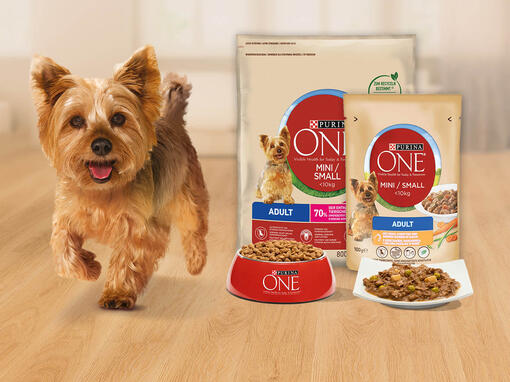


For more expert pet care tips and advice, check out our dedicated Dog Nutrition guides to keep your companions healthy and happy.




