Introduction
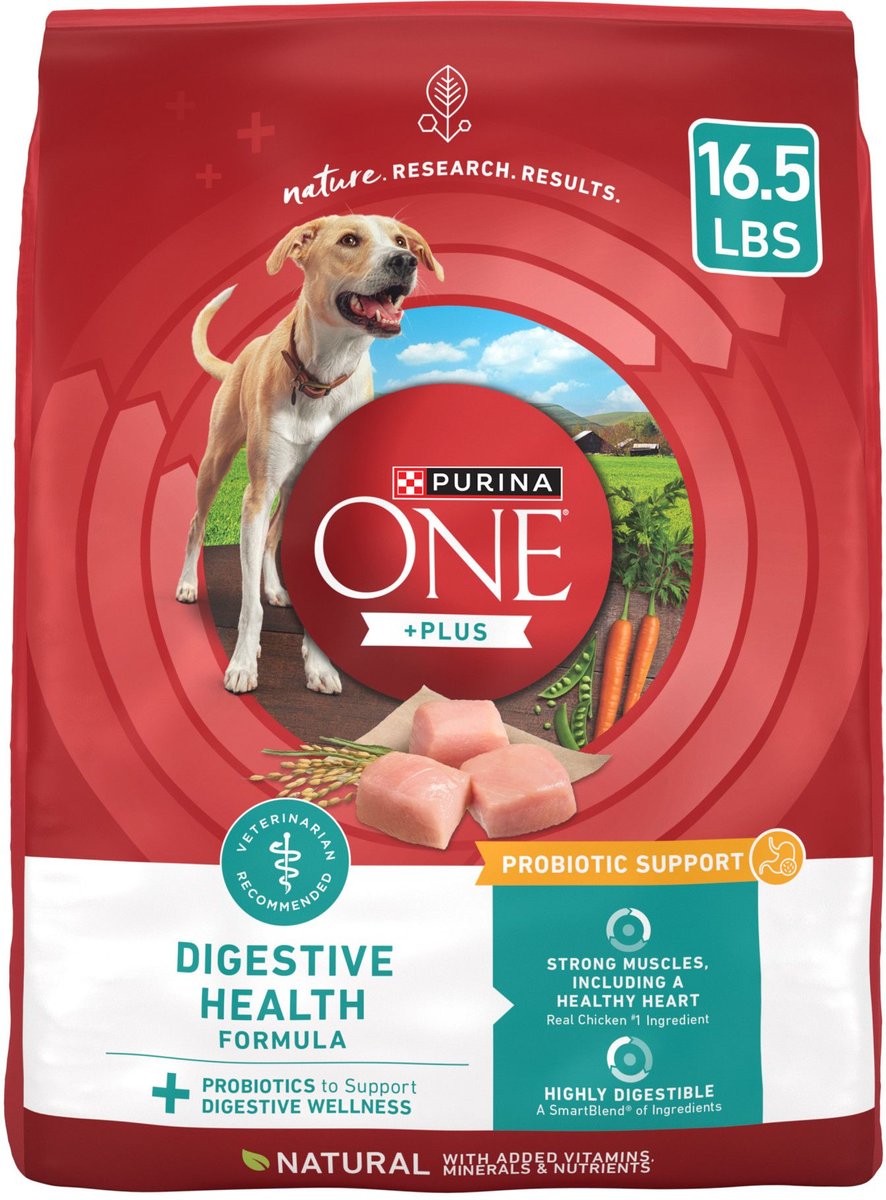
Optimal digestive health forms the bedrock of a dog’s overall well-being, influencing everything from energy levels to coat luster and immune function. For many canine companions, maintaining a balanced digestive system can be a challenge, leading to discomfort and various health issues. This is where specialized nutrition, such as Purina One Digestive Health dog food, plays a crucial role. This particular formulation is specifically designed to support and nurture a healthy gut microbiome, which is essential for efficient nutrient absorption and a strong immune response. Understanding the intricacies of canine digestion and how targeted dietary solutions can mitigate common issues is vital for every dog owner seeking to enhance their pet’s quality of life. The adoption of such a specialized diet often arises when dogs exhibit signs of sensitive stomachs, irregular bowel movements, or other indicators of digestive upset, making knowledge of its benefits and appropriate usage indispensable. Explore more in our Dog Health collection.
💡 Pet Care Key Takeaways:
- Core Focus: Practical health, nutrition, and wellness guidelines for Purina One Digestive Health Dog Food.
- Target Scope: Pet owners, animal caregivers, and veterinary support staff.
- Best Recommendation: Maintain consistent daily routines and consult an accredited veterinarian before introducing major diet or medical changes.
Common Causes and Key Factors
Various factors can contribute to digestive sensitivities in dogs, making a specialized diet like Purina One Digestive Health dog food a valuable consideration. One primary cause is an imbalanced gut microbiome, where beneficial bacteria are outnumbered by harmful ones. This imbalance can be triggered by sudden dietary changes, stress, antibiotic use, or even exposure to certain environmental toxins. For more related activities, check out our Signs Of A Deaf Dog Behavior Problems And Solutions.
Food sensitivities or intolerances are another significant factor. Unlike true allergies, which involve an immune response, sensitivities cause digestive upset such as gas, bloating, or diarrhea when certain ingredients are consumed. Common culprits often include specific proteins, grains, or artificial additives. Age also plays a role; puppies have developing digestive systems, while senior dogs may experience a decline in digestive efficiency. Certain breeds are predisposed to sensitive stomachs, requiring more careful dietary management. Environmental factors, such as parasites, viral infections, or ingesting inappropriate items, can also disrupt normal digestive function, highlighting the importance of a supportive diet that can aid recovery and ongoing maintenance. Discover more free resources across our collection library.
Signs and Symptoms to Observe
Recognizing the signs of digestive distress in dogs is paramount for timely intervention and improved comfort. Owners should observe changes in stool quality, which is often the most direct indicator. Loose stools, diarrhea, or constipation are clear signals of an issue. Stools that are excessively watery, contain mucus, or have streaks of blood warrant immediate attention.
Beyond elimination, other symptoms include frequent vomiting or regurgitation, excessive flatulence, a distended or tender abdomen, and gurgling stomach noises. Behavioral changes such as a decreased appetite, lethargy, or reluctance to play can also indicate discomfort. Some dogs with chronic digestive issues may exhibit poor coat quality, dull eyes, or even weight loss over time, despite eating regularly. The manifestation of these signs can vary with a dog’s age and breed; for instance, puppies may be more prone to severe dehydration with diarrhea, while older dogs might show subtle, chronic symptoms that accumulate over time. Environmental factors, such as recent exposure to new foods or stress, can often correlate with the onset of these signs.
Practical Solutions and Management Strategies
Managing and improving canine digestive health often centers on appropriate dietary choices and consistent care. Utilizing a specialized formulation like Purina One Digestive Health dog food represents a key practical solution. This particular food is crafted with highly digestible ingredients, making it easier for a dog’s system to process nutrients and minimize digestive strain. A cornerstone of its effectiveness lies in the inclusion of prebiotics, such as chicory root, which nourish beneficial gut bacteria. Some formulations may also contain probiotics, further enhancing the gut microbiome’s balance.
Transitioning to a new food should always be gradual, typically over a 7-10 day period, by slowly mixing increasing amounts of the new food with decreasing amounts of the old. This prevents further digestive upset. Consistent feeding schedules and measured portions also contribute to digestive regularity. Ensuring access to fresh, clean water is crucial for hydration and healthy stool consistency. Beyond diet, minimizing stress, providing regular exercise, and preventing the ingestion of non-food items are important lifestyle adjustments that support overall digestive well-being. Selecting a food specifically designed for sensitive stomachs provides a foundational strategy for long-term gut health.
When Professional Help May Be Needed
While specialized diets like Purina One Digestive Health dog food can significantly improve a dog’s digestive well-being, there are circumstances where veterinary consultation becomes essential. Persistent symptoms, even after dietary changes, warrant professional assessment. This includes ongoing diarrhea that lasts more than 24-48 hours, recurrent vomiting, severe lethargy, or a significant loss of appetite.
Immediate veterinary attention is crucial for signs such as blood in vomit or stool, severe abdominal pain or bloating, or any indication of dehydration, which includes sunken eyes, dry gums, or skin that retains a “tent” when gently pinched. Sudden weight loss or a noticeable decline in overall health despite a stable diet also signals a need for a professional diagnosis. A veterinarian can rule out underlying medical conditions, such as parasitic infections, inflammatory bowel disease, organ dysfunction, or foreign body ingestion, that require specific medical treatments beyond dietary management. Early diagnosis and intervention can prevent minor issues from escalating into more serious health complications.
Conclusion
Understanding and actively supporting a dog’s digestive health is a cornerstone of responsible pet ownership. Issues stemming from an unsettled stomach or imbalanced gut can profoundly impact a dog’s comfort and vitality. Products like Purina One Digestive Health dog food offer a targeted nutritional approach, providing highly digestible ingredients and beneficial prebiotics to foster a flourishing gut microbiome. By paying close attention to signs of digestive distress, implementing appropriate dietary transitions, and maintaining consistent care, owners can significantly contribute to their canine companion’s internal harmony. This proactive approach, coupled with timely professional guidance when symptoms persist or worsen, ensures that dogs can lead happy, healthy lives, reflecting the dedication and informed choices of their caretakers on petsanimalsworld.com.
Pet Care & Wellness Overview Table
| Life Stage | Daily Activity Level | Key Nutrition / Care Focus |
|---|---|---|
| Puppy / Kitten | High (frequent short bursts) | High-protein growth diet & early socialization |
| Adult Companion | Moderate (30–60 mins daily) | Balanced maintenance nutrition & dental hygiene |
| Senior Pets | Low to Gentle (mindful walks) | Joint support (Glucosamine) & routine vet checks |
Images References