Introduction
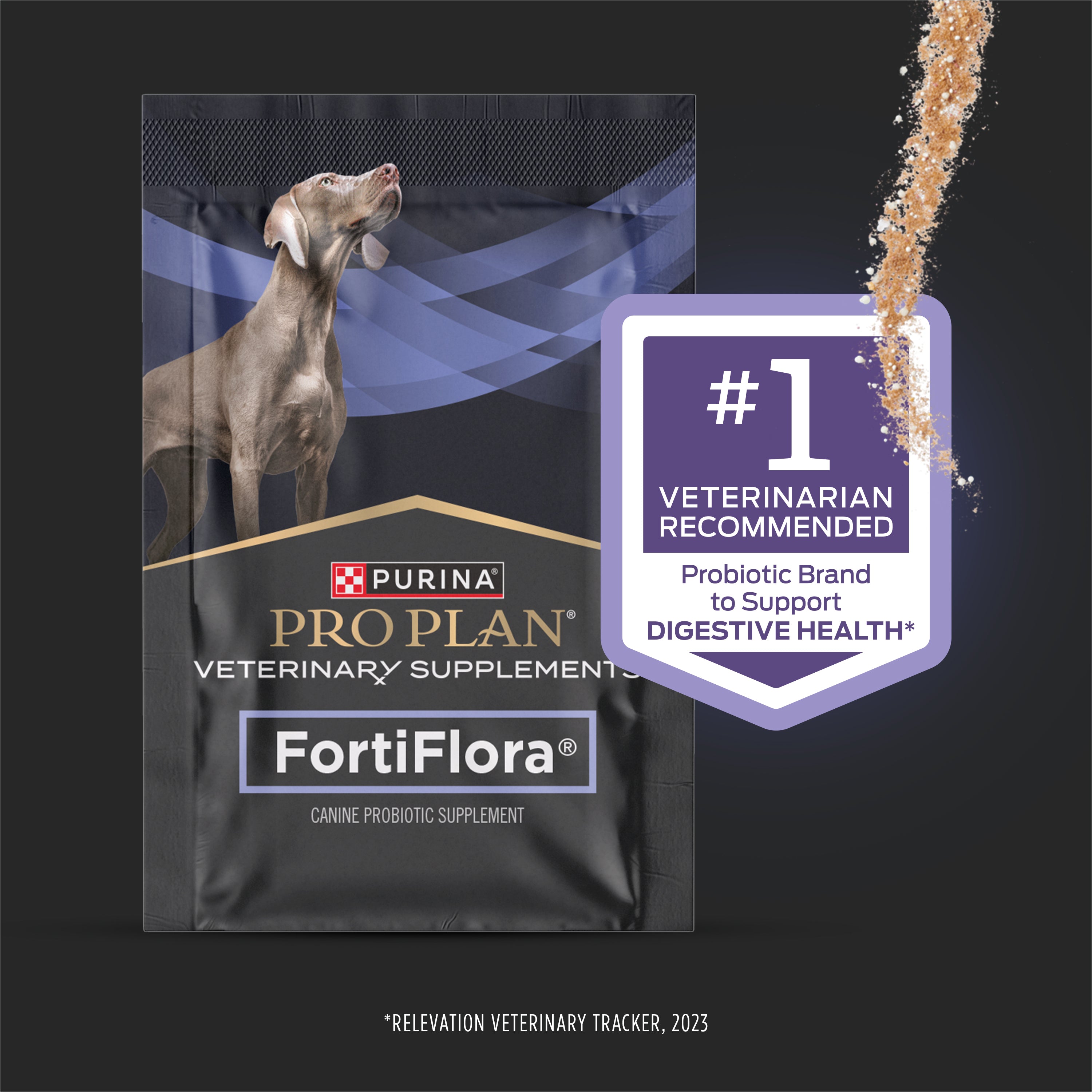
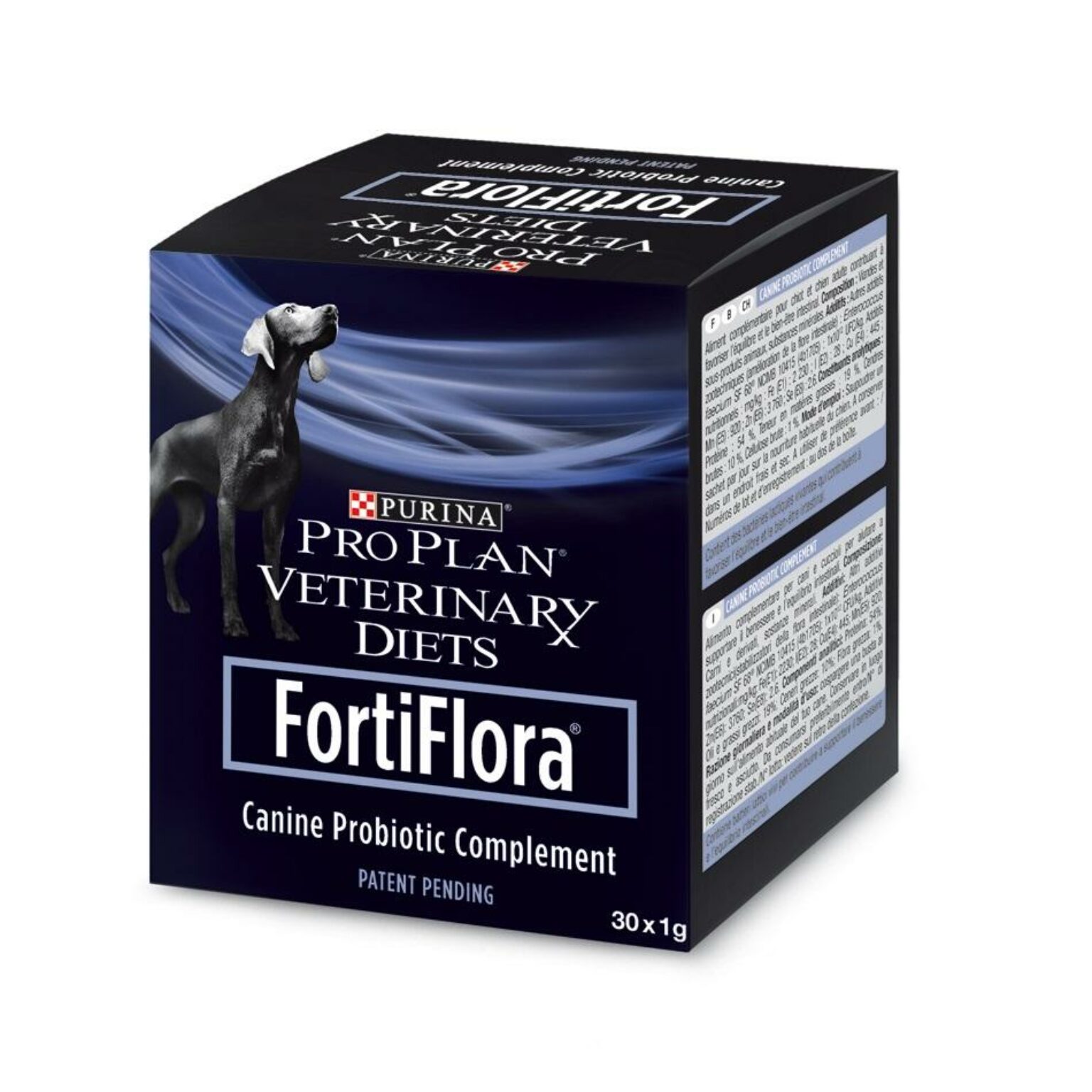
Maintaining optimal health for canine companions is a primary concern for dedicated dog owners. Among the many tools available to support a dog’s well-being, digestive health supplements have gained significant attention. The Purina Pro Plan Veterinary Fortiflora Probiotic Dog Supplement stands out as a widely recognized product specifically formulated to promote gastrointestinal balance and immune system health in dogs. This specialized supplement is designed to introduce beneficial bacteria into a dog’s digestive tract, helping to restore and maintain a healthy microbiome. Understanding its purpose and application is crucial for owners whose dogs experience digestive sensitivities, stress-related stomach upset, or are undergoing specific veterinary treatments. By supporting a robust gut environment, this supplement can contribute significantly to improved nutrient absorption, reduced digestive discomfort, and a stronger overall immune response, directly enhancing a dogs comfort and quality of life. Explore more in our Dog Nutrition collection.
💡 Pet Care Key Takeaways:
- Core Focus: Practical health, nutrition, and wellness guidelines for Purina Pro Plan Veterinary Fortiflora Probiotic Dog Supplement.
- Target Scope: Pet owners, animal caregivers, and veterinary support staff.
- Best Recommendation: Maintain consistent daily routines and consult an accredited veterinarian before introducing major diet or medical changes.
Common Causes and Key Factors
Various factors can disrupt a dog’s delicate gut microbiome, leading to digestive issues that a probiotic supplement like Purina Pro Plan Veterinary Fortiflora can help address. One common trigger is environmental or situational stress. Events such as moving to a new home, travel, boarding, or even visits to the veterinarian can induce stress, which often manifests as gastrointestinal upset. Another significant factor is dietary changes; switching a dog’s regular food, introducing new treats, or encountering unfamiliar foods can upset the balance of gut bacteria. For more related activities, check out our Purina One Xxl 10Kg Feeding Guide 20Kg Dog.
The administration of antibiotics is a frequent cause of gut flora disruption. While essential for treating bacterial infections, antibiotics can indiscriminately destroy beneficial bacteria along with harmful ones, leading to an imbalance. Age can also play a role, as older dogs may experience a natural decline in digestive efficiency and immune function. Furthermore, certain underlying medical conditions, breed predispositions to sensitive stomachs, or exposure to environmental pathogens can make dogs more susceptible to digestive disturbances, highlighting the importance of supportive care. Discover more free resources across our collection library.
Signs and Symptoms to Observe
Recognizing the signs that a dog’s digestive system may be out of balance is key to timely intervention. Owners should observe changes in stool quality as a primary indicator. Common symptoms include acute or chronic diarrhea, loose stools, or unusually soft consistency. While less frequent, occasional vomiting that seems related to general digestive upset, rather than acute illness, can also signal an issue.
Other observable signs include excessive flatulence or gas, abdominal bloating, and noticeable changes in appetite, such as a sudden decrease or increase. Indirect indicators may also appear, such as a dull coat or dry, flaky skin, which can sometimes be linked to poor nutrient absorption resulting from an unhealthy gut. In some instances, dogs might exhibit lethargy or a noticeable reduction in their usual energy levels. While less common, some cases of coprophagia (eating feces) have been anecdotally linked to nutrient malabsorption, prompting owners to consider digestive support. These signs can vary depending on a dogs age, breed, and the specific environmental stressors present.
Practical Solutions and Management Strategies
Incorporating Purina Pro Plan Veterinary Fortiflora Probiotic Dog Supplement into a dog’s routine offers a practical and effective strategy for managing and improving digestive health. The supplement works by delivering a specific strain of beneficial live microorganisms, Enterococcus faecium SF68, directly to the gastrointestinal tract. This helps to re-establish a healthy balance of gut flora, supporting both digestive function and the immune system.
Administering Fortiflora is straightforward; a single sachet is typically sprinkled over a dog’s regular food once daily. Its palatability is often high, making it easy for dogs to accept without fuss. For dogs experiencing stress-induced digestive upset, combining Fortiflora with environmental adjustments or calming routines can provide comprehensive support. Following antibiotic treatment, its use helps to rapidly restore the beneficial bacteria that may have been depleted. For dogs with chronically sensitive stomachs, a veterinarian may recommend continuous or intermittent use to maintain digestive stability. Consistent observation of stool consistency, energy levels, and appetite while using the supplement allows owners to monitor its effectiveness and make informed decisions about long-term management.
When Professional Help May Be Needed
While Purina Pro Plan Veterinary Fortiflora Probiotic Dog Supplement is a valuable tool for supporting digestive health, it is essential for owners to recognize when professional veterinary intervention is necessary. If a dog’s symptoms persist, worsen, or recur despite the consistent use of the probiotic, a veterinary consultation is warranted. Severe symptoms such as persistent vomiting, profuse diarrhea, or the presence of blood in the stool always require immediate professional attention. These signs can indicate more serious underlying health issues that extend beyond simple gut imbalance and necessitate a precise diagnosis.
Significant weight loss, signs of dehydration (such as lethargy, sunken eyes, or decreased skin elasticity), or profound changes in behavior like extreme lethargy or unusual aggression potentially due to discomfort are also strong indicators for seeking veterinary advice. Furthermore, before introducing any new supplement, especially if a dog has pre-existing medical conditions, is on other medications, or is pregnant or nursing, a veterinarian should always be consulted. A professional can provide an accurate diagnosis, recommend appropriate treatment plans, and advise on the most beneficial supplements tailored to an individual dog’s health needs.
Conclusion
The role of Purina Pro Plan Veterinary Fortiflora Probiotic Dog Supplement in promoting canine digestive and immune health is well-established, offering a supportive measure for dogs facing various gastrointestinal challenges. By understanding the common factors that can disrupt a dog’s gut flora and recognizing the observable signs of digestive upset, owners are better equipped to provide proactive care. The supplement’s ease of use and targeted action on the gut microbiome make it a practical option for managing issues stemming from stress, dietary changes, or antibiotic use. However, it is paramount to remember that persistent or severe symptoms necessitate prompt veterinary attention. Awareness, diligent observation, and consistent care, ideally in consultation with a trusted veterinarian, form the cornerstone of ensuring a dog’s optimal digestive health and overall well-being, reflecting the educational mission petsanimalsworld.com strives to uphold.
Pet Care & Wellness Overview Table
| Life Stage | Daily Activity Level | Key Nutrition / Care Focus |
|---|---|---|
| Puppy / Kitten | High (frequent short bursts) | High-protein growth diet & early socialization |
| Adult Companion | Moderate (30–60 mins daily) | Balanced maintenance nutrition & dental hygiene |
| Senior Pets | Low to Gentle (mindful walks) | Joint support (Glucosamine) & routine vet checks |
Images References