Introduction
Understanding the composition of a puppy’s diet is a foundational aspect of responsible pet ownership. The term “Purina Puppy Chow ingredients” refers specifically to the various components that constitute this widely recognized commercial puppy food formulation. Delving into this topic is crucial for dog owners, as the ingredients directly impact a puppy’s growth, development, energy levels, and overall health. This issue commonly arises when new puppies join a household, during transitions from breeder-recommended diets, or when owners seek to optimize their growing canine companion’s nutrition. A thorough understanding of these ingredients empowers owners to make informed dietary choices, contributing significantly to a puppy’s robust well-being and a flourishing start to life. Explore more in our Dog Nutrition collection.
💡 Pet Care Key Takeaways:
- Core Focus: Practical health, nutrition, and wellness guidelines for Purina Puppy Chow Ingredients.
- Target Scope: Pet owners, animal caregivers, and veterinary support staff.
- Best Recommendation: Maintain consistent daily routines and consult an accredited veterinarian before introducing major diet or medical changes.
Common Causes and Key Factors
The primary factors surrounding “Purina Puppy Chow ingredients” revolve around the foundational nutritional science for growing dogs and how those requirements are met by specific food components. Puppies possess unique dietary needs compared to adult dogs, demanding higher levels of protein and fat for rapid growth, along with a precise balance of vitamins and minerals for skeletal and immune system development. For more related activities, check out our Pitbullnutrition.
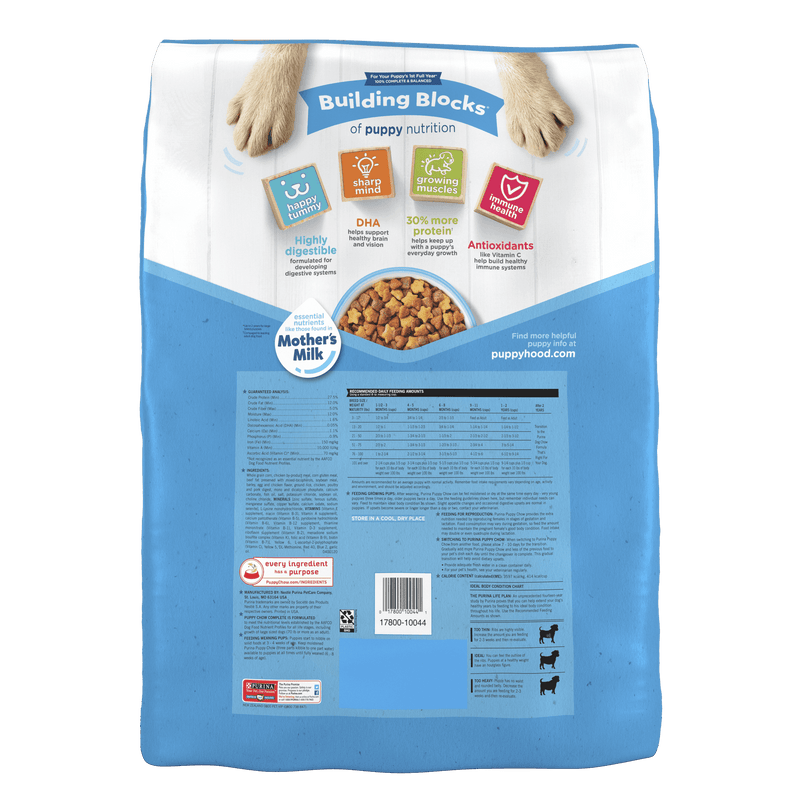
Understanding Ingredient Lists: A key factor is deciphering the ingredient list found on pet food packaging. Ingredients are typically listed in descending order by weight, meaning the first few items constitute the largest portion of the food. For Purina Puppy Chow, common primary ingredients often include corn, chicken by-product meal, and soybean meal. Each ingredient serves a specific purpose, contributing protein, carbohydrates, fats, or micronutrients. Discover more free resources across our collection library.
Guaranteed Analysis: Complementing the ingredient list is the guaranteed analysis, which specifies minimum percentages of crude protein and crude fat, and maximum percentages of crude fiber and moisture. These figures provide a quantitative measure of the food’s nutritional profile, allowing for comparison between different formulas.
Digestibility and Bioavailability: Not all ingredients are equally digestible or bioavailable. The quality and form of ingredients can influence how effectively a puppy’s digestive system can extract and utilize nutrients. For instance, protein from animal sources is generally more digestible for dogs than protein from plant sources. Environmental factors, such as the puppy’s activity level and overall health, also play a role in how efficiently the ingredients contribute to its energy and growth needs.
Signs and Symptoms to Observe
Observing a puppy’s physical condition and behavior provides valuable insights into whether its dietary intake, including the “Purina Puppy Chow ingredients,” is adequately supporting its development. A well-nourished puppy typically exhibits several positive indicators. These include a glossy coat, bright eyes, sustained energy levels appropriate for its breed and age, and the production of firm, consistent stools. Steady weight gain and a healthy growth rate are also crucial signs of proper nutrition.
Conversely, certain signs may suggest that the current diet is not meeting the puppy’s needs or that a particular ingredient might be causing an issue. A dull or sparse coat, flaky skin, or excessive shedding could indicate nutritional deficiencies or sensitivities. Low energy, lethargy, or a lack of enthusiasm for play might point to insufficient caloric intake or imbalanced nutrients. Digestive upset, such as frequent vomiting, diarrhea, or excessive gas, often signals an intolerance or difficulty digesting specific ingredients. Poor or stunted growth, or a puppy failing to thrive at an appropriate rate for its breed, requires immediate attention, as it can have long-term health implications. These signs can vary depending on the puppy’s age, breed, and individual sensitivities.
Practical Solutions and Management Strategies
Managing a puppy’s diet effectively involves a combination of informed choices and attentive observation. The first step involves thoroughly reviewing the “Purina Puppy Chow ingredients” list and the guaranteed analysis on the product packaging. This allows owners to understand the primary protein sources, carbohydrate content, fat levels, and the presence of essential vitamins and minerals. Understanding terms like “chicken by-product meal” or “corn gluten meal” provides context regarding the nutrient sources.
Portion Control and Feeding Schedule: Adhering strictly to the recommended feeding guidelines based on the puppy’s age, weight, and anticipated adult size is essential. Overfeeding can lead to rapid, unhealthy growth, while underfeeding can result in nutrient deficiencies. Establishing a consistent feeding schedule helps regulate digestion and reinforces good habits.
Monitoring and Adjustment: Continuously monitor the puppy’s response to the food. Assess its energy levels, coat quality, stool consistency, and overall demeanor. Any adverse changes warrant a closer look at the diet. If a transition to a different food becomes necessary, implement it gradually over 7-10 days, mixing increasing amounts of the new food with decreasing amounts of the old. This slow transition helps prevent digestive upset.
Supplementation Consideration (with caution): While a complete and balanced puppy food like Purina Puppy Chow is designed to meet all nutritional needs, some owners might consider supplements. However, this should only be done under veterinary guidance to avoid potential nutrient imbalances or toxicities. Over-supplementation, especially of calcium, can be detrimental to a growing puppy’s skeletal development.
When Professional Help May Be Needed
While many dietary adjustments can be managed by attentive owners, certain situations warrant the expertise of a veterinary professional. If a puppy exhibits persistent digestive issues such as chronic vomiting, diarrhea that does not resolve with simple dietary changes, or severe constipation, immediate veterinary consultation is crucial. These symptoms can indicate underlying health conditions, severe food sensitivities, or improper nutrient absorption.
Additionally, concerns regarding a puppy’s growth rate or overall development should prompt a veterinary visit. A puppy failing to thrive, experiencing significant weight loss, or showing signs of stunted growth requires a professional assessment to rule out nutritional deficiencies, parasitic infections, or other medical conditions. Skin issues, excessive itching, recurring ear infections, or a consistently dull coat might suggest allergies or intolerances to specific ingredients, necessitating a veterinarian’s guidance for an elimination diet trial or other diagnostic tests. Any suspected nutrient deficiencies or excesses, particularly in rapidly growing large breeds, should always be discussed with a vet to ensure appropriate dietary management and prevent long-term health complications.
Conclusion
Understanding “Purina Puppy Chow ingredients” is a vital component of providing optimal care for a growing puppy. The journey from evaluating ingredient lists and guaranteed analyses to observing a puppy’s physical well-being offers invaluable insights into its nutritional needs. Awareness of a puppy’s specific requirements, coupled with diligent observation of its health indicators, enables owners to make informed dietary decisions. Consistent attention to proper feeding practices and a readiness to seek professional veterinary advice when concerns arise are paramount. Through this informed approach, dog owners can ensure their beloved companions receive the best possible start, fostering robust health and happy lives, aligning perfectly with the educational mission of petsanimalsworld.com.
Pet Care & Wellness Overview Table
| Life Stage | Daily Activity Level | Key Nutrition / Care Focus |
|---|---|---|
| Puppy / Kitten | High (frequent short bursts) | High-protein growth diet & early socialization |
| Adult Companion | Moderate (30–60 mins daily) | Balanced maintenance nutrition & dental hygiene |
| Senior Pets | Low to Gentle (mindful walks) | Joint support (Glucosamine) & routine vet checks |
Images References