

Introduction
The well-being of a canine companion often hinges on proper nutrition, making the selection of appropriate sustenance a critical decision for dog owners. Within the vast landscape of pet food, Purina special diet dog food stands out as a category specifically formulated to address a dog’s unique health challenges or life stage requirements. These specialized diets are not merely different flavors or textures; they represent scientifically backed nutritional interventions designed to manage specific conditions, from allergies and sensitivities to kidney disease, joint issues, or weight management. Understanding when and why such specialized diets are necessary is paramount, as the right nutritional approach can significantly improve a dog’s health, alleviate discomfort, support recovery, and ultimately enhance its overall quality of life.
💡 Pet Care Key Takeaways:
- Core Focus: Practical health, nutrition, and wellness guidelines for Purina Special Diet Dog Food.
- Target Scope: Pet owners, animal caregivers, and veterinary support staff.
- Best Recommendation: Maintain consistent daily routines and consult an accredited veterinarian before introducing major diet or medical changes.
Common Causes and Key Factors
A variety of factors can necessitate the introduction of Purina special diet dog food into a dog’s regimen. Underlying health conditions are the most frequent drivers. For instance, many dogs suffer from food sensitivities or allergies, which manifest as digestive upset, skin irritation, or chronic ear infections. In such cases, diets with novel protein sources or hydrolyzed proteins are often recommended to mitigate adverse reactions. For more related activities, check out our Pitbullnutrition.
Digestive disorders, including inflammatory bowel disease, pancreatitis, or malabsorption issues, may require highly digestible formulas with specific fiber blends to support gut health. Weight management is another significant concern; both obesity and being underweight can benefit from diets tailored to promote healthy body composition, either through controlled calorie intake or increased nutrient density.
Furthermore, specific organ dysfunctions, such as kidney disease, liver conditions, or heart problems, demand specialized nutritional profiles to reduce the workload on compromised organs and manage disease progression. Urinary tract issues, including the formation of bladder stones, often necessitate diets that modify urine pH or control mineral levels. Joint health concerns, prevalent in older or large-breed dogs, can be addressed with formulas enriched with omega-3 fatty acids, glucosamine, and chondroitin. Each of these scenarios highlights the intricate connection between a dog’s health and its diet, underscoring the role of specialized nutrition in maintaining wellness.
Signs and Symptoms to Observe
Recognizing the signs that a dog may benefit from Purina special diet dog food is crucial for timely intervention. Owners should observe any persistent or recurring changes in their dog’s physical condition or behavior.
Digestive irregularities are common indicators, including chronic diarrhea, frequent vomiting, excessive gas, or persistent soft stools. These symptoms can suggest food sensitivities, malabsorption, or other gastrointestinal issues. Skin and coat problems, such as incessant scratching, redness, hot spots, hair loss, or recurrent ear infections, often point towards environmental or food-related allergies.
Changes in weight, whether unexplained loss or a struggle to maintain a healthy weight despite appropriate feeding, can signal metabolic or nutritional imbalances. Alterations in energy levels, such as persistent lethargy or a noticeable decrease in activity, might indicate a range of underlying health problems. Increased thirst and more frequent urination can be red flags for kidney disease or diabetes. Furthermore, stiffness, difficulty rising, or reluctance to exercise can suggest joint pain or mobility issues. The manifestation and severity of these signs can vary depending on a dog’s age, breed, and individual health status, necessitating careful observation and veterinary assessment.
Practical Solutions and Management Strategies
When a dog presents with symptoms suggestive of a need for specialized nutrition, the primary and most effective strategy involves transitioning to an appropriate Purina special diet dog food. This process typically begins with a thorough veterinary examination to accurately diagnose the underlying condition. Based on the diagnosis, a veterinarian can recommend a specific Purina Pro Plan Veterinary Diets formula or other Purina specialized products tailored to the dog’s particular needs.
Once a special diet is chosen, the transition from the dog’s current food must be gradual. A common recommendation is to mix increasing amounts of the new food with decreasing amounts of the old food over a period of 7 to 10 days. This slow introduction helps prevent digestive upset and allows the dog’s system to adjust. Strict adherence to the veterinarian’s feeding guidelines, including precise portion control, is essential, especially for conditions like weight management or diabetes.
Monitoring the dog’s response to the new diet is a critical ongoing step. Owners should observe improvements in the presenting symptoms, changes in energy levels, coat condition, and overall demeanor. It is also important to ensure that all treats, supplements, and any other food items are compatible with the special diet to avoid negating its therapeutic effects. Avoiding table scraps and adhering to the prescribed food only ensures the diet’s efficacy. Environmental adjustments, such as reducing exposure to other allergens or providing comfortable bedding for dogs with joint issues, can further support the overall management strategy.
When Professional Help May Be Needed
While a vigilant owner can observe concerning signs, it is imperative to understand that diagnosing specific health conditions and recommending appropriate Purina special diet dog food requires professional veterinary expertise. A veterinary consultation should always be the first step if a dog exhibits any persistent or concerning symptoms, such as chronic digestive issues, severe skin problems, unexplained weight changes, or a significant decrease in activity levels.
A veterinarian can perform the necessary diagnostic tests to pinpoint the exact cause of a dog’s discomfort, which is crucial for selecting the correct specialized diet. For instance, food allergies often require elimination diets or specific testing, while organ-specific diseases need blood work and imaging. Attempting to self-diagnose or implement a special diet without professional guidance can be detrimental, potentially delaying proper treatment or exacerbating existing conditions.
Ongoing veterinary support is also vital for dogs on long-term special diets. Regular check-ups allow for monitoring the diet’s effectiveness, making adjustments as needed, and assessing the overall progression of the dog’s health condition. In complex cases, a referral to a board-certified veterinary nutritionist may be appropriate to develop a highly customized dietary plan. Partnering with a veterinarian ensures that a dog receives the most accurate diagnosis and the most beneficial nutritional support.
Conclusion
The targeted nutrition offered by Purina special diet dog food represents a powerful tool in supporting canine health and managing a wide array of medical conditions. These specialized formulations are not merely optional; they are often critical components of a comprehensive care plan, designed to address specific physiological needs and mitigate discomfort. Understanding the common causes for requiring such diets, recognizing the subtle and overt signs a dog may exhibit, and implementing practical management strategies are all fundamental aspects of responsible dog ownership. The paramount importance of veterinary consultation cannot be overstated, as professional diagnosis and guidance are essential for selecting the most appropriate diet and ensuring its safe and effective use. Ultimately, a proactive approach, characterized by awareness, careful observation, and consistent veterinary partnership, enables dog owners to provide the precise nutritional care their companions require, thereby fostering improved health, comfort, and an enhanced quality of life.
Pet Care & Wellness Overview Table
| Life Stage | Daily Activity Level | Key Nutrition / Care Focus |
|---|---|---|
| Puppy / Kitten | High (frequent short bursts) | High-protein growth diet & early socialization |
| Adult Companion | Moderate (30–60 mins daily) | Balanced maintenance nutrition & dental hygiene |
| Senior Pets | Low to Gentle (mindful walks) | Joint support (Glucosamine) & routine vet checks |
Images References
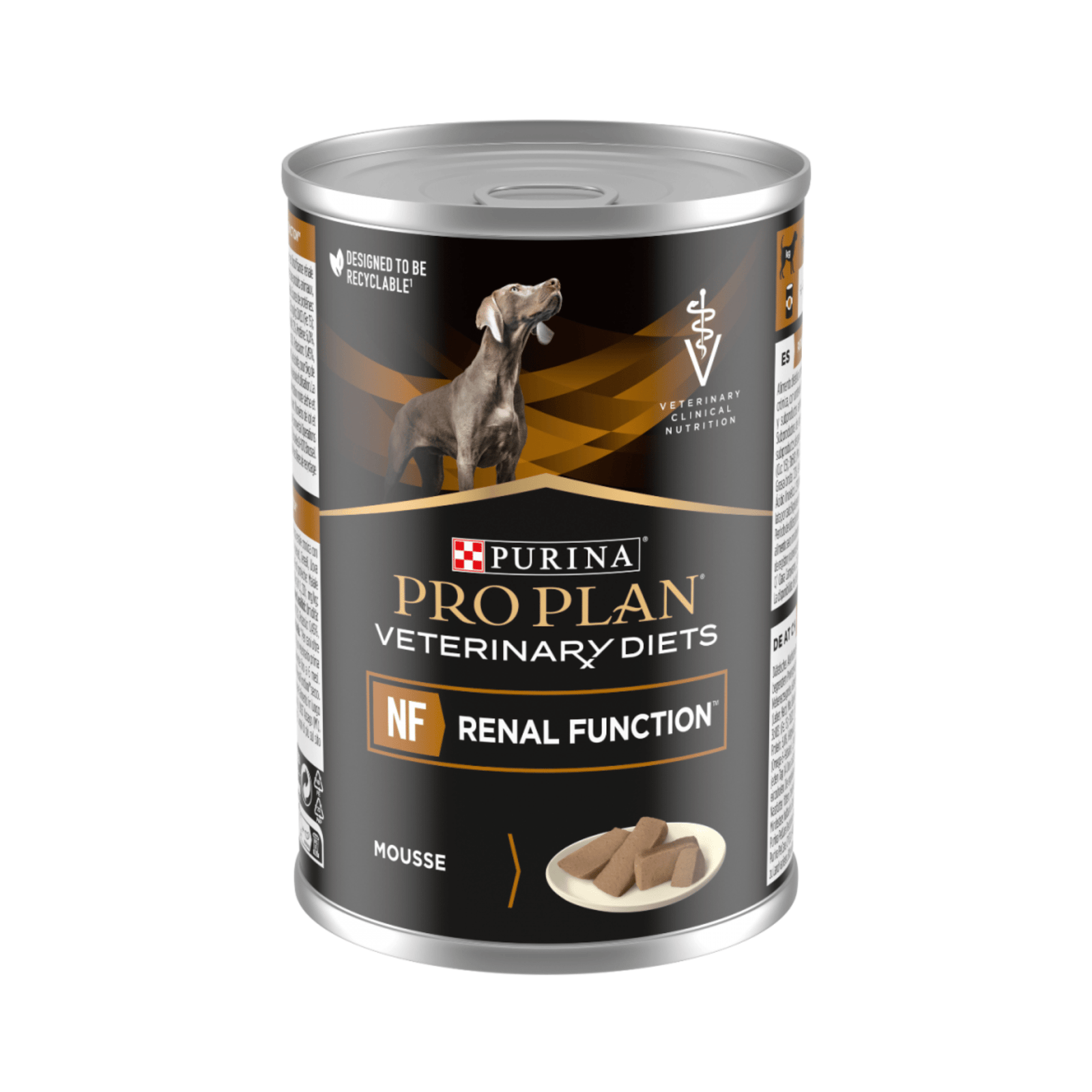




For more expert pet care tips and advice, check out our dedicated Dog Nutrition guides to keep your companions healthy and happy.




