

Introduction
Navigating the dietary needs of a dog diagnosed with kidney disease presents a significant challenge for pet owners. Renal dysfunction in canines requires careful nutritional management to support kidney function, slow disease progression, and maintain overall quality of life. The concept of a “raw diet for dogs with kidney disease” often emerges as an area of interest, driven by a desire to provide highly digestible, natural nourishment. Understanding the intricate balance required for these diets, particularly in the context of a compromised renal system, is crucial. This article explores the complexities, considerations, and necessary precautions associated with feeding a raw diet to dogs with kidney disease, aiming to empower owners with informed perspectives for their companion’s well-being.
💡 Pet Care Key Takeaways:
- Core Focus: Practical health, nutrition, and wellness guidelines for Raw Diet For Dogs With Kidney Disease.
- Target Scope: Pet owners, animal caregivers, and veterinary support staff.
- Best Recommendation: Maintain consistent daily routines and consult an accredited veterinarian before introducing major diet or medical changes.
Common Causes and Key Factors
Kidney disease in dogs can stem from various underlying factors, including advanced age, genetic predispositions, exposure to toxins, infections, or underlying conditions such as certain autoimmune diseases. Regardless of the origin, the kidneys’ ability to filter waste products from the blood and regulate essential nutrients becomes impaired. This impairment necessitates dietary adjustments primarily centered on managing protein, phosphorus, and sodium intake. For more related activities, check out our Natural Balance Puppy Food Quantity Chart.
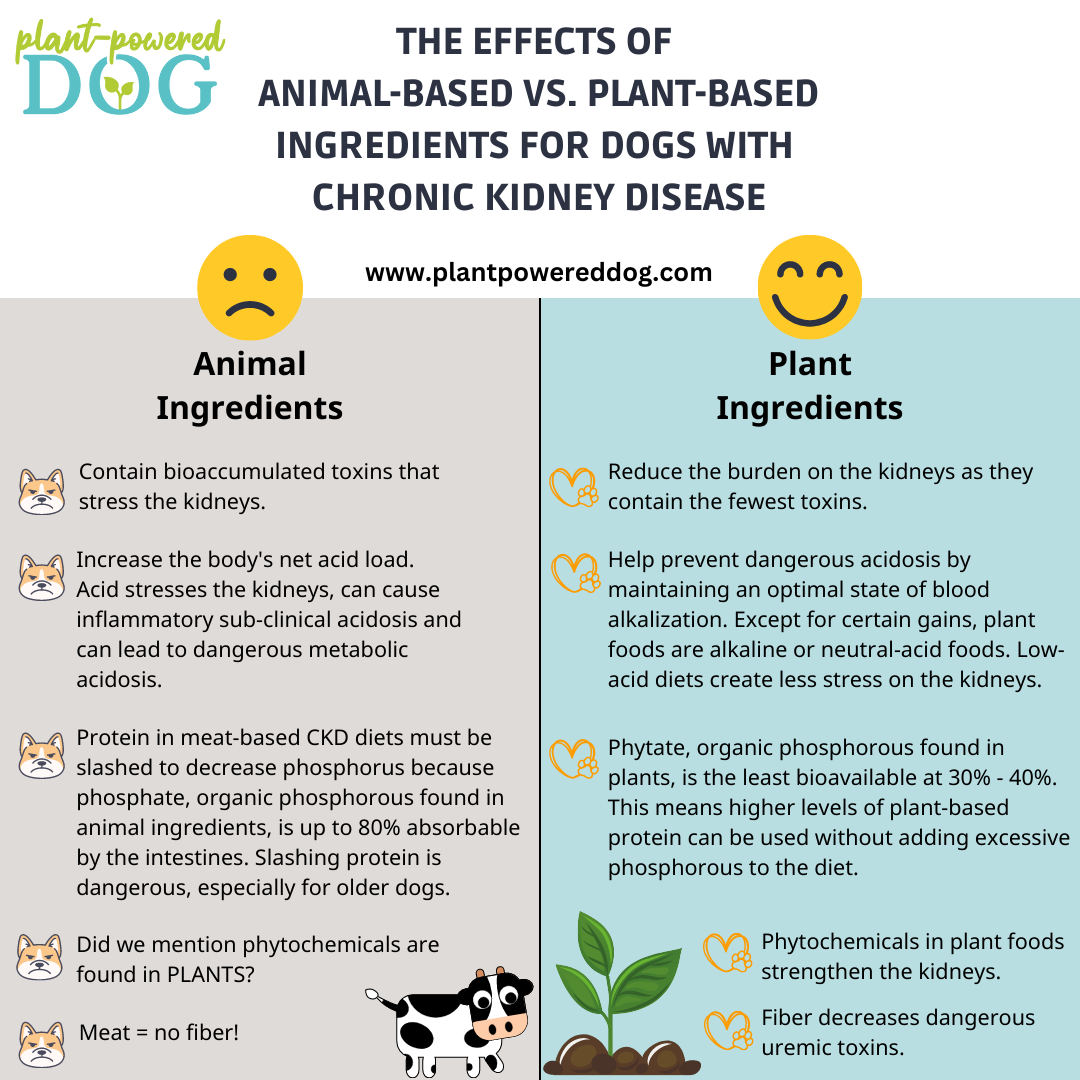
Traditional raw diets, often composed of muscle meat, organs, and bone, are frequently praised for their natural hydration and nutrient density. However, for a dog with kidney disease, the typical phosphorus and protein levels found in many standard raw preparations can pose significant risks. High phosphorus intake directly contributes to the progression of renal disease and can lead to secondary complications. While protein is essential, excessive amounts can increase the workload on already struggling kidneys. A common raw diet is not inherently formulated to meet these specific, restrictive requirements, making careful consideration and modification paramount.
Signs and Symptoms to Observe
Recognizing the signs of kidney disease itself is the first step in addressing a dog’s health needs. Early indicators can be subtle but often progress to more noticeable symptoms. Owners might observe increased thirst (polydipsia) and more frequent urination (polyuria), often accompanied by accidents in the house. As the disease advances, a dog may exhibit lethargy, loss of appetite, weight loss, vomiting, and bad breath (halitosis) due to the buildup of toxins.
If a dog with kidney disease is on a diet, raw or otherwise, and its condition appears to worsen, or new symptoms emerge, this could indicate that the current nutritional approach is not adequately supporting renal function. Changes in energy levels, persistent gastrointestinal upset, or a decline in overall demeanor warrant immediate attention. For dogs on a raw diet, specifically, any signs of nutrient deficiencies or imbalances, beyond the common symptoms of kidney disease, should also be monitored carefully.
Practical Solutions and Management Strategies
Managing a raw diet for a dog with kidney disease demands a highly individualized and meticulously formulated approach, fundamentally departing from a generic raw feeding plan. The cornerstone of successful management is a strict focus on specific nutritional parameters.
Protein Control: While raw diets are often high in protein, the goal for a kidney-diseased dog is not necessarily low protein, but rather controlled and high-quality protein. This involves providing highly digestible protein sources (e.g., specific lean meats) in moderate amounts, sufficient to prevent muscle wasting without overworking the kidneys.
Phosphorus Restriction: This is perhaps the most critical dietary adjustment. Many raw ingredients, particularly bone and certain organ meats, are naturally high in phosphorus. A modified raw diet must carefully select ingredients with lower phosphorus content or incorporate phosphorus binders under veterinary guidance.
Sodium Moderation: Keeping sodium intake at moderate levels is important for managing blood pressure, which can be elevated in dogs with kidney disease. Avoiding high-sodium treats and processed components is essential.
Omega-3 Fatty Acids: Supplementation with omega-3 fatty acids, such as those found in fish oil, can be beneficial due to their anti-inflammatory properties, potentially helping to protect kidney tissue.
Hydration: Raw diets naturally contain a high moisture content, which can be advantageous for kidney dogs, helping to flush waste products and maintain hydration. However, access to fresh water should always be paramount.
Customization and Professional Formulation: A homemade raw diet for a dog with kidney disease must be precisely balanced by a veterinary nutritionist. This ensures that all essential nutrients are provided in appropriate ratios while adhering to necessary restrictions. This is not a task for casual estimation. Regular blood and urine tests are essential to monitor kidney function and adjust the diet as needed.
When Professional Help May Be Needed
The diagnosis of kidney disease in a dog immediately warrants comprehensive veterinary involvement. Dietary changes, especially those as significant as a raw food regimen, should never be undertaken without professional veterinary consultation and supervision. A veterinarian can accurately diagnose the stage of kidney disease, monitor its progression, and advise on appropriate nutritional strategies.
In cases where owners are considering a raw diet, consulting with a board-certified veterinary nutritionist is highly recommended. These specialists possess the expertise to formulate precise, balanced raw food recipes tailored to a dog’s specific medical needs, taking into account the nuances of kidney disease. Attempting to formulate such a diet independently can lead to severe nutritional deficiencies or exacerbate kidney damage. Any sign of worsening symptoms, or if a dog shows resistance to a new diet, necessitates immediate re-evaluation by a veterinary professional to prevent further complications.
Conclusion
Managing the diet of a dog with kidney disease is a complex but vital aspect of their care. While the concept of a raw diet offers potential benefits in terms of hydration and nutrient availability, its application for a renally compromised dog requires extraordinary caution and precision. A standard raw diet is unlikely to meet the stringent phosphorus and protein restrictions necessary for kidney health. Instead, a highly modified, professionally formulated raw diet, meticulously balanced by a veterinary nutritionist, may be considered. Owners must prioritize ongoing veterinary oversight and regular monitoring to ensure the chosen diet effectively supports kidney function and enhances their dog’s comfort and longevity. Through informed decisions and dedicated partnership with veterinary professionals, it is possible to provide the best possible nutritional support for dogs facing kidney disease.
Pet Care & Wellness Overview Table
| Life Stage | Daily Activity Level | Key Nutrition / Care Focus |
|---|---|---|
| Puppy / Kitten | High (frequent short bursts) | High-protein growth diet & early socialization |
| Adult Companion | Moderate (30–60 mins daily) | Balanced maintenance nutrition & dental hygiene |
| Senior Pets | Low to Gentle (mindful walks) | Joint support (Glucosamine) & routine vet checks |
Images References




For more expert pet care tips and advice, check out our dedicated Dog Nutrition guides to keep your companions healthy and happy.




