Introduction
The health and longevity of canine companions are paramount for devoted pet owners. When a diagnosis of kidney disease emerges, managing a dog’s diet becomes a cornerstone of their ongoing care. Among the various dietary approaches, the concept of a “raw diet for kidney disease in dogs” often arises, sparking both curiosity and extensive discussion. This dietary strategy involves feeding uncooked, unprocessed foods, with the specific aim of supporting compromised kidney function and potentially improving a dogs quality of life. Understanding the principles, potential benefits, and crucial considerations surrounding a raw diet in this context is essential for making informed decisions that contribute significantly to a dogs well-being and comfort. Kidney disease, particularly chronic kidney disease (CKD), is a progressive condition where the kidneys gradually lose their ability to filter waste products from the blood, making careful dietary management a critical component of treatment. Explore more in our Dog Nutrition collection.
💡 Pet Care Key Takeaways:
- Core Focus: Practical health, nutrition, and wellness guidelines for Raw Diet For Kidney Disease In Dogs.
- Target Scope: Pet owners, animal caregivers, and veterinary support staff.
- Best Recommendation: Maintain consistent daily routines and consult an accredited veterinarian before introducing major diet or medical changes.
Common Causes and Key Factors
Canine kidney disease, particularly chronic kidney disease (CKD), can stem from various underlying factors. Age is a significant contributor, with older dogs being more susceptible to the gradual decline in kidney function. Genetic predispositions exist in certain breeds, making them more prone to developing renal issues. Other causes include infections, exposure to toxins (such as antifreeze, certain medications, or heavy metals), dental disease leading to systemic inflammation, and conditions like high blood pressure or certain autoimmune diseases. For more related activities, check out our Purina One Xxl 10Kg Feeding Guide 20Kg Dog.
The importance of diet in managing kidney disease cannot be overstated. Kidneys are responsible for filtering waste products, including phosphorus and protein byproducts, from the blood. When kidney function is impaired, these substances can accumulate, leading to further damage and clinical signs of illness. Therefore, a primary goal of dietary management for kidney disease is to reduce the workload on the kidneys. This typically involves careful control of phosphorus intake, appropriate levels of high-quality protein, and ensuring adequate hydration. Discover more free resources across our collection library.
The interest in a raw diet for kidney disease often stems from the desire for highly digestible, minimally processed ingredients and a higher moisture content, which can be beneficial for dogs with compromised kidneys. Proponents believe that a carefully formulated raw diet can offer superior nutrient absorption and better control over the specific macronutrient and micronutrient ratios essential for renal health, providing an alternative to traditional prescription diets.
Signs and Symptoms to Observe
Recognizing the signs and symptoms of kidney disease early can significantly impact management strategies. Dog owners should be vigilant for changes in their pet’s behavior and physical condition. A common indicator is an increase in thirst (polydipsia) and, consequently, an increase in urination (polyuria). These changes signify the kidneys’ reduced ability to concentrate urine.
Other observable signs include decreased appetite and weight loss, which can be progressive. Lethargy, weakness, and a general reduction in activity levels are also frequently reported. As the disease progresses, dogs may develop vomiting, diarrhea, or a poor coat quality. A strong, unpleasant odor to the breath, often described as ammonia-like, can indicate a buildup of toxins in the bloodstream. In more advanced stages, mouth ulcers and anemia may also be present. The severity and manifestation of these signs can vary depending on the stage of kidney disease, as well as the dog’s age, breed, and overall health status. Consistent observation and prompt veterinary attention upon noticing these changes are crucial.
Practical Solutions and Management Strategies
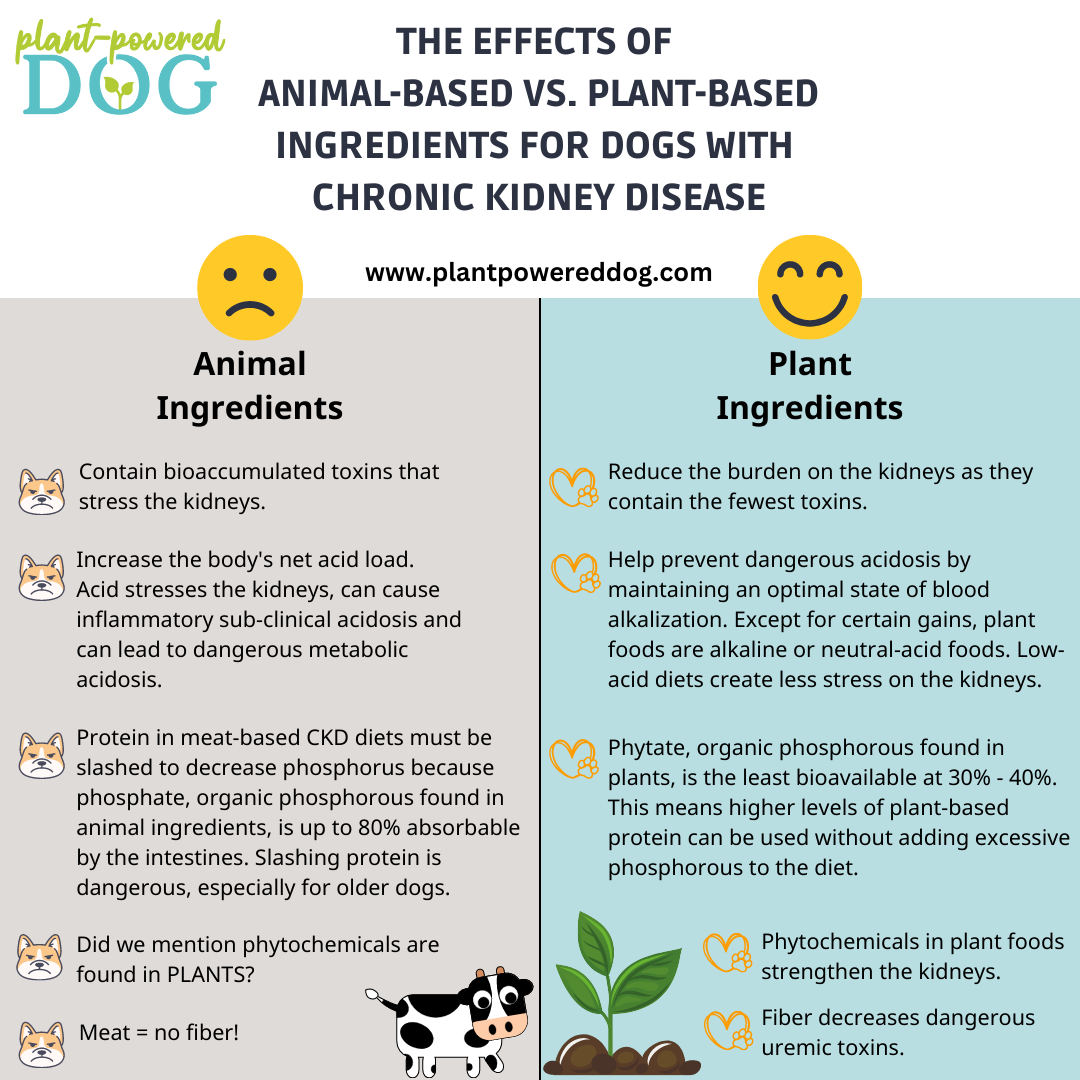
Managing kidney disease through diet, particularly with a raw food approach, requires careful planning and precise execution. The fundamental principles of a raw diet for dogs with kidney disease revolve around minimizing phosphorus, providing high-quality, controlled protein, ensuring high moisture content, and incorporating beneficial nutrients.
Phosphorus Restriction: This is often the most critical dietary modification. Raw diets can be formulated to achieve low phosphorus levels by selecting specific cuts of meat and organs that are naturally lower in phosphorus, and by avoiding high-phosphorus ingredients like bones (unless powdered and precisely measured), certain dairy products, and some grains or legumes often found in commercial kibble. Phosphorus binders may also be used under veterinary guidance.
Controlled, High-Quality Protein: While protein restriction was once a cornerstone of renal diets, current understanding emphasizes feeding appropriate levels of highly digestible, high-quality protein. Too little protein can lead to muscle wasting, while too much low-quality protein can create excessive nitrogenous waste, increasing the kidneys’ burden. Raw diets allow for the selection of lean muscle meats and specific organs known for their excellent amino acid profiles. Protein levels must be tailored to the individual dog’s stage of kidney disease and overall body condition.
High Moisture Content: Raw diets naturally contain a high percentage of water, which is extremely beneficial for dogs with kidney disease. Increased water intake helps the kidneys flush out waste products and maintain hydration, thereby reducing their workload. This is a significant advantage over dry kibble, which often provides minimal dietary moisture.
Essential Fatty Acids and Antioxidants: Incorporating omega-3 fatty acids, such as those found in fish oil, can help reduce inflammation and potentially slow the progression of kidney disease. Antioxidants from natural sources like certain vegetables and fruits can also support overall cellular health.
Customization and Balance: A raw diet for kidney disease must be meticulously balanced to ensure all nutritional needs are met without exacerbating the condition. This goes beyond just meat; it involves specific ratios of muscle meat, organs, and carefully selected plant matter to provide essential vitamins, minerals, and fiber. Such diets are highly individualized, often requiring frequent adjustments based on blood work and clinical signs. Careful measurement and preparation are paramount to ensure consistency and prevent nutritional deficiencies or excesses.
When Professional Help May Be Needed
Navigating the complexities of kidney disease and dietary management necessitates close collaboration with veterinary professionals. A diagnosis of kidney disease should always come from a veterinarian, who will conduct blood tests (including BUN, creatinine, phosphorus, and SDMA levels) and urinalysis to assess kidney function and stage the disease.
Formulating a raw diet for a dog with kidney disease is not a task to be undertaken without expert guidance. A board-certified veterinary nutritionist or a veterinarian with extensive experience in canine nutrition and renal disease can provide invaluable assistance. These professionals can help create a personalized raw diet plan that accounts for the dog’s specific stage of kidney disease, other concurrent health conditions, age, weight, and individual preferences.
Regular follow-up appointments, including blood tests and urine analyses, are critical for monitoring the dog’s response to the diet. These evaluations allow veterinarians to assess kidney function, adjust phosphorus binders or other medications if necessary, and fine-tune the dietary plan to ensure it remains effective and appropriate as the disease progresses. Any significant changes in a dog’s appetite, energy levels, or other symptoms warrant immediate veterinary consultation. Attempting to manage such a serious condition without professional oversight can lead to nutrient imbalances, progression of the disease, and a decline in the dog’s overall health.
Conclusion
The consideration of a raw diet for kidney disease in dogs represents a proactive approach to managing a challenging condition. By understanding the critical role of phosphorus restriction, appropriate protein levels, and high moisture content, dog owners can begin to grasp the potential benefits and complexities of such a dietary strategy. While a raw diet can offer tailored nutrition and natural ingredients, its implementation demands meticulous formulation and continuous adjustment. The journey of managing canine kidney disease is best undertaken as a partnership between informed pet owners and dedicated veterinary professionals. Consistent monitoring, expert guidance, and a commitment to individualized care are the cornerstones of supporting a dogs renal health and ensuring the highest possible quality of life. This informed and collaborative approach empowers owners to make the best decisions for their beloved companions on petsanimalsworld.com.
Pet Care & Wellness Overview Table
| Life Stage | Daily Activity Level | Key Nutrition / Care Focus |
|---|---|---|
| Puppy / Kitten | High (frequent short bursts) | High-protein growth diet & early socialization |
| Adult Companion | Moderate (30–60 mins daily) | Balanced maintenance nutrition & dental hygiene |
| Senior Pets | Low to Gentle (mindful walks) | Joint support (Glucosamine) & routine vet checks |
Images References