

Introduction
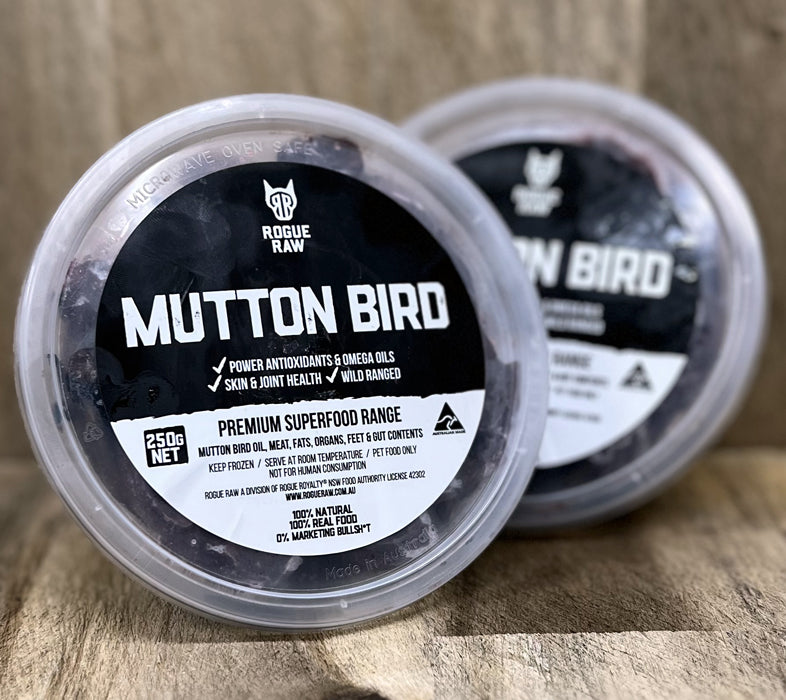
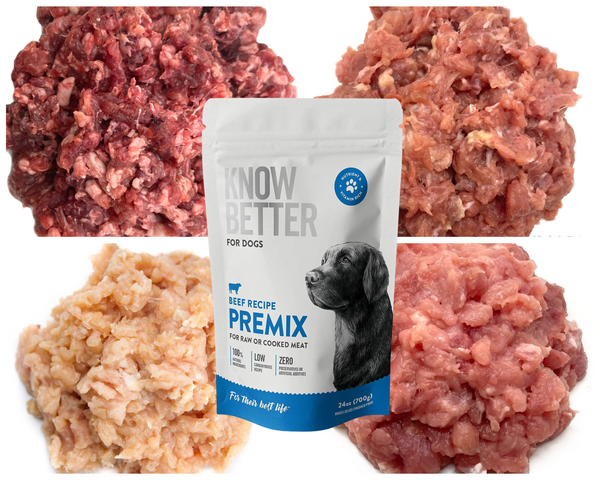
The practice of raw feeding for dogs has gained considerable popularity, with many pet owners opting for diets composed of raw meat, bones, and organs, often supplemented with fruits and vegetables. While proponents highlight benefits such as improved digestion, shinier coats, and increased energy, ensuring complete nutritional adequacy can be a complex endeavor. This is where the topic of raw feeding supplements becomes critically important. These specialized additions are designed to bridge potential nutritional gaps in raw diets, whether commercially prepared or homemade, helping to ensure that dogs receive all the necessary vitamins, minerals, fatty acids, and other beneficial compounds for optimal health. Understanding the role of these supplements allows for a more informed approach to canine nutrition, directly contributing to a dogs overall well-being and vitality.
💡 Pet Care Key Takeaways:
- Core Focus: Practical health, nutrition, and wellness guidelines for Raw Feeding Supplements.
- Target Scope: Pet owners, animal caregivers, and veterinary support staff.
- Best Recommendation: Maintain consistent daily routines and consult an accredited veterinarian before introducing major diet or medical changes.
Common Causes and Key Factors
The need for raw feeding supplements arises from several key factors that influence the nutritional completeness of a dog’s diet. Primarily, home-prepared raw diets, while offering customization, can be challenging to balance perfectly. It requires significant knowledge of canine nutritional requirements, the nutrient content of various ingredients, and proper preparation methods to ensure all essential amino acids, fatty acids, vitamins, and minerals are present in appropriate ratios. Without careful formulation, deficiencies can develop. For more related activities, check out our “Fortiflora” And “Gut Health”.
Even commercial raw diets, while generally more balanced, may benefit from targeted supplementation in certain circumstances. The varying quality and sourcing of ingredients, along with processing methods, can influence nutrient levels. Furthermore, a dog’s specific life stage plays a crucial role. Growing puppies, senior dogs, pregnant or lactating females, and highly active working dogs have elevated or unique nutritional demands that may not be fully met by a standard raw diet alone.
Underlying health conditions also frequently necessitate the addition of raw feeding supplements. Dogs with joint issues, skin allergies, digestive sensitivities, or compromised immune systems can benefit from specific nutrients that support these systems beyond what is typically found in their daily food intake. Bioavailability, or how well nutrients are absorbed and utilized by the body, can also vary between individual dogs and different food sources, sometimes requiring a supplemental boost.
Signs and Symptoms to Observe
Observing a dog for signs that might indicate a nutritional imbalance or a need for raw feeding supplements is a vital aspect of responsible pet ownership. A dull, dry, or flaky coat, excessive shedding beyond normal seasonal changes, or persistent skin irritations can often point to deficiencies in essential fatty acids or certain vitamins and minerals.
Changes in energy levels are another important indicator. Lethargy, decreased stamina during walks or play, or an overall lack of enthusiasm could suggest inadequate energy intake or a deficiency in key B vitamins or other vital nutrients. Digestive irregularities, such as frequent diarrhea, constipation, excessive gas, or recurrent vomiting, may signal an imbalance in gut flora or a need for probiotics or digestive enzymes.
Musculoskeletal issues, including stiffness, limping, difficulty rising, or reluctance to jump, especially in older or larger breeds, might indicate a need for joint support supplements like glucosamine and chondroitin. Poor muscle mass development in younger dogs or muscle wasting in seniors, despite adequate protein intake, could also be a subtle sign of nutritional gaps. Furthermore, a weakened immune system, characterized by recurrent infections or slow healing, might suggest a need for immune-boosting nutrients. Careful observation of these signs can help pet owners determine when to investigate supplementation further.
Practical Solutions and Management Strategies
When considering raw feeding supplements, a foundational understanding of the dog’s base diet is paramount. The primary goal is to ensure the core raw diet is as balanced as possible before introducing additional supplements. For home-prepared diets, meticulous recipe formulation, ideally in consultation with a veterinary nutritionist, helps minimize the need for extensive supplementation.
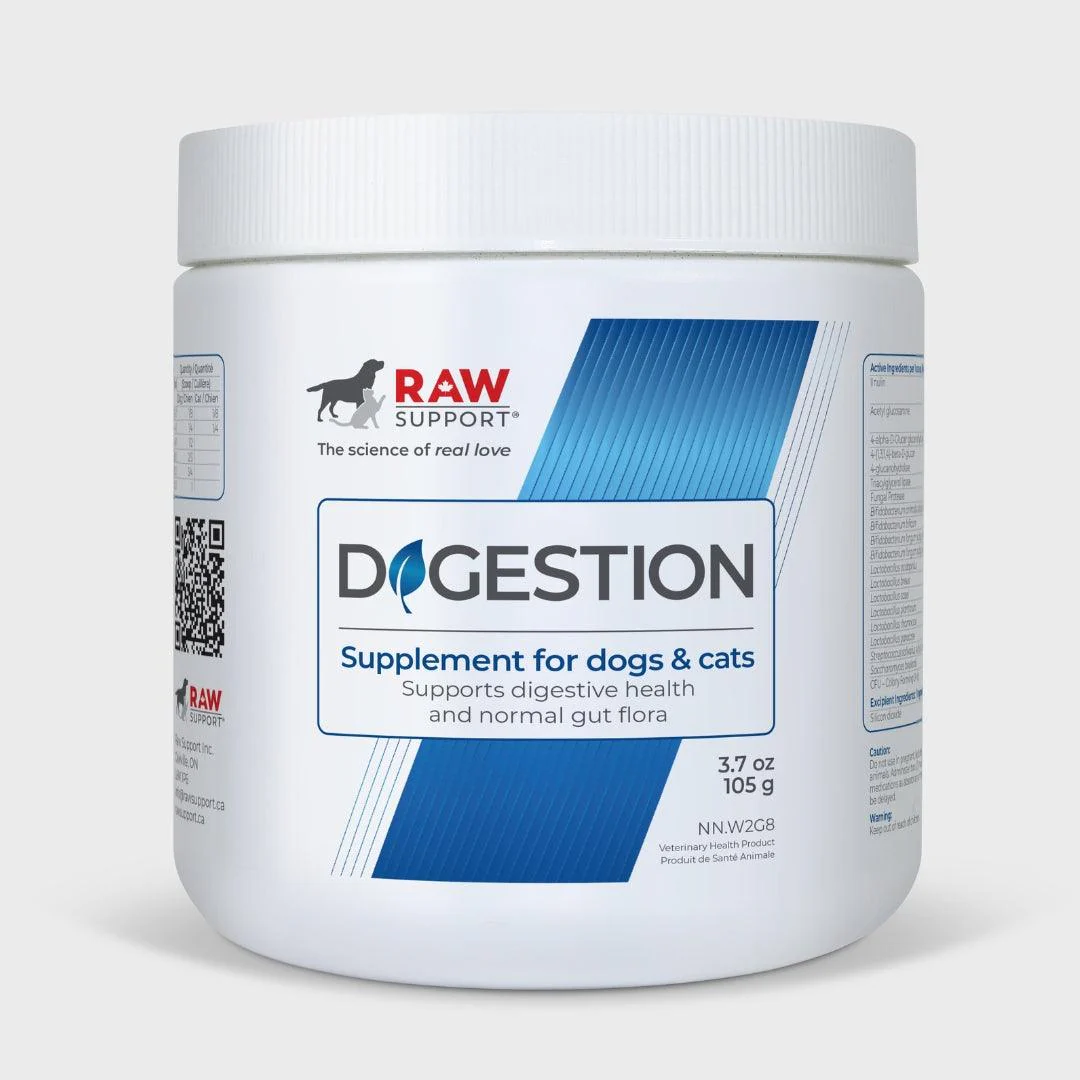
Common categories of supplements often considered for raw-fed dogs include omega-3 fatty acids, typically derived from fish oil, krill oil, or algal oil, known for supporting skin, coat, joint, and brain health. Probiotics and prebiotics are valuable for digestive health, assisting with nutrient absorption and immune function. Joint support supplements, such as glucosamine, chondroitin, and MSM, are frequently used for large breeds, active dogs, or senior canines to maintain cartilage health and mobility.
Other considerations involve targeted vitamin and mineral supplements. While a varied raw diet should provide many essential nutrients, deficiencies in specific vitamins (e.g., Vitamin E) or minerals (e.g., zinc, manganese) can occur. Bone meal or eggshell powder can serve as natural calcium sources, crucial for bone health, especially if whole bones are not consistently included in the diet. Ensuring high-quality supplements from reputable manufacturers is essential to guarantee potency and purity. Dosage should always be based on the dog’s weight, age, and specific needs, adhering strictly to product guidelines or professional recommendations. Integrating supplements seamlessly into daily meals, such as mixing oils with food or administering capsules, ensures consistent intake. Monitoring a dog’s response to supplements and adjusting as necessary is a continuous process.
When Professional Help May Be Needed
While the judicious use of raw feeding supplements can enhance a dog’s health, it is crucial to recognize when professional veterinary guidance becomes indispensable. Consulting a veterinarian or a board-certified veterinary nutritionist is strongly recommended before embarking on any extensive supplementation regimen, particularly when feeding a home-prepared raw diet. These experts can assess the dog’s overall health, existing diet, and specific needs through physical examination and, if necessary, diagnostic tests.
Professional assistance is particularly vital if a dog exhibits persistent or severe symptoms such as chronic digestive upset, unexplained weight loss or gain, significant skin issues that do not resolve with basic dietary adjustments, or signs of lameness or discomfort. These symptoms could indicate underlying medical conditions that require diagnosis and treatment beyond simple nutritional supplementation. A veterinary nutritionist can also formulate a complete and balanced homemade raw diet, minimizing the guesswork and potential for nutrient excesses or deficiencies that can arise from informal supplementation. Over-supplementation, particularly with fat-soluble vitamins or certain minerals, can be as detrimental as deficiencies, making professional oversight a responsible and often necessary step to safeguard a dog’s long-term health.
Conclusion
The thoughtful integration of raw feeding supplements into a dog’s diet represents a proactive approach to canine wellness for those committed to raw feeding. Understanding the potential gaps in even well-intended raw diets, recognizing the subtle signs of nutritional imbalance, and implementing targeted supplementation can significantly contribute to a dogs vitality. While the benefits of raw feeding are often lauded, achieving complete nutritional adequacy requires diligent attention to detail. Prioritizing a balanced base diet, making informed choices about supplement types and quality, and consistently observing a dog’s health and behavior are key. Always remember that professional guidance from a veterinarian or veterinary nutritionist is an invaluable resource in navigating the complexities of canine nutrition, ensuring that every dog thrives on a diet tailored to its individual needs. The commitment to informed care ultimately leads to a healthier, happier companion.
Pet Care & Wellness Overview Table
| Life Stage | Daily Activity Level | Key Nutrition / Care Focus |
|---|---|---|
| Puppy / Kitten | High (frequent short bursts) | High-protein growth diet & early socialization |
| Adult Companion | Moderate (30–60 mins daily) | Balanced maintenance nutrition & dental hygiene |
| Senior Pets | Low to Gentle (mindful walks) | Joint support (Glucosamine) & routine vet checks |
Images References






For more expert pet care tips and advice, check out our dedicated Dog Nutrition guides to keep your companions healthy and happy.




