

Introduction
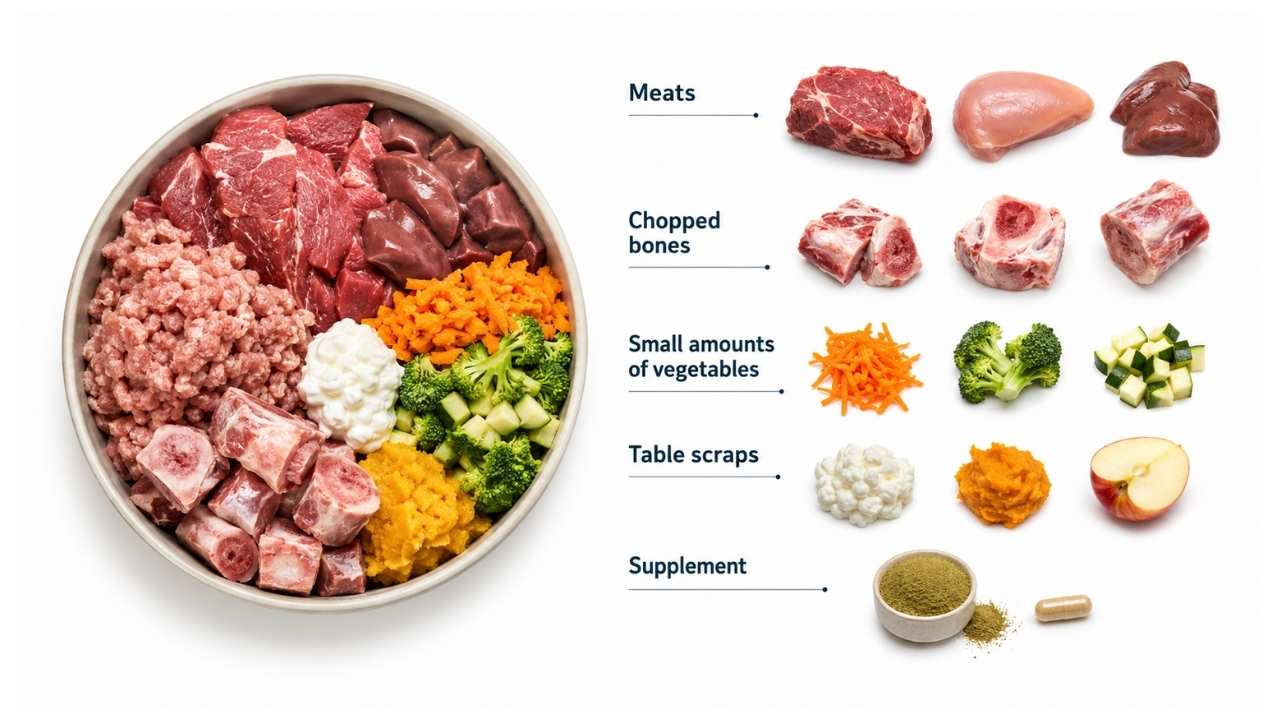
The popularity of raw food diets for dogs has grown considerably, with many owners choosing this approach in pursuit of optimal canine health. Often referred to as BARF (Biologically Appropriate Raw Food) or PMR (Prey Model Raw) diets, these feeding regimens typically consist of uncooked muscle meat, organ meat, bone, and sometimes fruits or vegetables. While proponents highlight the benefits of a natural, minimally processed diet, ensuring complete and balanced nutrition through a homemade raw food plan can be a complex endeavor. This is where the topic of raw food diet supplements becomes crucial. Understanding when and why specific supplements might be necessary for a dog on a raw diet can significantly impact its well-being, help prevent nutritional deficiencies or excesses, and ultimately contribute to a longer, healthier life.
💡 Pet Care Key Takeaways:
- Core Focus: Practical health, nutrition, and wellness guidelines for Raw Food Diet Supplements.
- Target Scope: Pet owners, animal caregivers, and veterinary support staff.
- Best Recommendation: Maintain consistent daily routines and consult an accredited veterinarian before introducing major diet or medical changes.
Common Causes and Key Factors
Ensuring a raw food diet provides all essential nutrients for a dog is not always straightforward, making supplementation a consideration for many. A primary factor is the inherent challenge of formulating a truly balanced homemade raw diet. Simply feeding raw meat is often insufficient; a diet requires precise ratios of muscle meat, secreting organs, and bone to achieve the correct balance of protein, fat, vitamins, and minerals, particularly calcium and phosphorus. For more related activities, check out our Natural Balance Puppy Food Quantity Chart.
Another key factor is the variety and quality of ingredients. Relying on too few protein sources or types of organ meat can lead to nutrient gaps. For instance, some meats are richer in certain vitamins than others, and a limited rotation may inadvertently exclude vital compounds. Furthermore, the nutrient density of raw ingredients can vary based on the animal’s diet, farming practices, and even the season.
Individual dog needs also play a significant role. Puppies have different requirements for growth than adult dogs, and senior dogs may benefit from specific joint or cognitive support. Dogs with underlying health conditions, such as allergies, digestive sensitivities, or joint issues, may also have heightened needs that a standard raw diet, even if well-formulated, might not fully address without targeted supplementation. Misinformation or incomplete recipes found online can also contribute to dietary imbalances, making owners believe their raw diet is complete when it is not.
Signs and Symptoms to Observe
Observing a dog for signs that its raw food diet may be lacking in specific nutrients or that it could benefit from supplementation is a critical aspect of responsible pet ownership. These signs can manifest in various ways and may differ based on a dog’s age, breed, and overall health status.
Common indicators often relate to changes in the dogs physical appearance. A dull, dry, or excessively shedding coat, flaky skin, or recurrent skin infections can suggest deficiencies in essential fatty acids, B vitamins, or zinc. Poor dental health, such as excessive tartar buildup or weakened teeth, might point to an imbalance in calcium and phosphorus. Skeletal issues, including limping, stiffness, or difficulty rising, particularly in growing puppies or active adults, are serious signs potentially linked to improper calcium-to-phosphorus ratios or insufficient vitamin D.
Energy levels and digestive health also provide clues. Lethargy, weakness, or a general lack of enthusiasm for activity could indicate a lack of overall energy or specific B vitamin deficiencies. Chronic digestive upset, such as persistent diarrhea, constipation, or vomiting, might signal an imbalance of fiber, fats, or a need for probiotic or digestive enzyme support. Behavioral changes, including irritability, anxiety, or unusual habits like pica (eating non-food items), can sometimes be linked to nutritional deficiencies affecting neurological function. A weakened immune system, evidenced by frequent infections or slow wound healing, suggests a broader nutritional compromise.
Practical Solutions and Management Strategies
Addressing potential nutritional gaps in a raw food diet often involves a multi-faceted approach, starting with meticulous diet planning and careful consideration of supplements. The most fundamental strategy is to ensure the raw diet itself is as complete as possible. This means following professionally developed raw food recipes that specify precise ratios of muscle meat, organ meat, and bone, or opting for commercially prepared raw foods that are labeled as complete and balanced, adhering to AAFCO or FEDIAF standards.
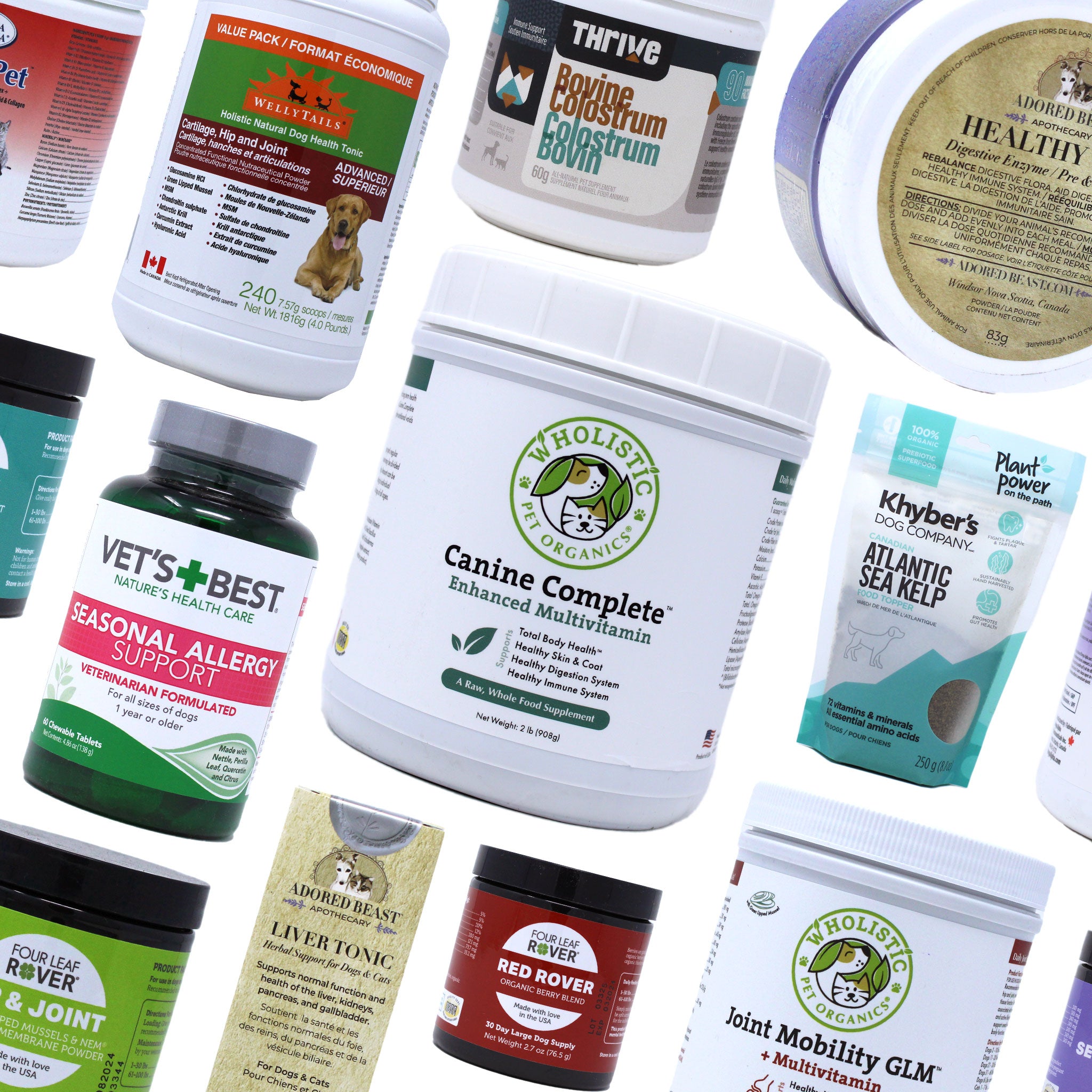
For owners feeding homemade raw diets, certain supplements are often considered to bridge potential nutrient gaps or support specific health areas. Omega-3 fatty acids, typically derived from fish oil (rich in EPA and DHA), are widely used to support skin and coat health, reduce inflammation, and aid joint and cognitive function. Probiotics and prebiotics can foster a healthy gut microbiome, which is crucial for digestion, nutrient absorption, and immune system strength. Digestive enzymes may be beneficial for older dogs or those with sensitive stomachs, assisting in the breakdown and absorption of food.
Joint support supplements, such as glucosamine, chondroitin, and MSM, are frequently given to active, large-breed, or aging dogs to maintain cartilage health and mobility. While multivitamins and minerals can be considered, they should be approached with caution to avoid over-supplementation, which can be as harmful as deficiencies. Calcium and phosphorus supplements are critical if a homemade raw diet contains insufficient bone content, but their dosage must be carefully calculated to maintain the ideal ratio. Regular rotation of protein sources and organ meats helps ensure a broader spectrum of naturally occurring nutrients. Consistent monitoring of a dog’s health and regular veterinary check-ups are also crucial for detecting and addressing any nutritional imbalances early.
When Professional Help May Be Needed
While diligent observation and careful dietary management can address many concerns, there are specific circumstances where professional veterinary consultation or specialized nutritional support becomes essential. Owners should seek professional advice if a dog exhibits persistent or worsening symptoms despite dietary adjustments. This includes ongoing digestive issues, unexplained lethargy, chronic skin problems, or any signs of lameness or discomfort.
Dogs with pre-existing or newly diagnosed complex health conditions, such as kidney disease, pancreatitis, severe allergies, or autoimmune disorders, require highly individualized dietary plans. Attempting to manage these conditions with a homemade raw diet and general supplements without professional guidance can be detrimental. Furthermore, critical life stages, such as puppyhood or senior years, present unique nutritional demands that necessitate precise dietary formulation, often best achieved with the input of a veterinary professional.
If an owner consistently struggles to formulate a nutritionally complete and balanced homemade raw diet, or if they are unsure about the appropriate types and dosages of supplements, consulting a board-certified veterinary nutritionist is highly recommended. These specialists possess the expertise to analyze current diets, identify deficiencies or excesses, and recommend precise supplementation or alternative feeding strategies tailored to the individual dog’s needs. Prompt professional intervention ensures that a dog’s health is safeguarded and that any potential risks associated with an unbalanced raw food diet are mitigated responsibly.
Conclusion
The decision to feed a dog a raw food diet is often made with the best intentions for health and vitality. However, realizing the full benefits of this dietary approach hinges on an unwavering commitment to nutritional balance. Raw food diet supplements, when utilized thoughtfully and based on informed decisions, can play an integral role in ensuring that a dog receives a complete spectrum of essential nutrients, especially when feeding a homemade raw diet. Awareness of common pitfalls, diligent observation for subtle signs of imbalance, and a proactive approach to dietary adjustments are fundamental. By prioritizing sound nutritional science and engaging with veterinary professionals, owners can navigate the complexities of raw feeding, thereby supporting their dogs optimal health, energy, and overall quality of life. Consistent, informed care remains the cornerstone of canine well-being.
Pet Care & Wellness Overview Table
| Life Stage | Daily Activity Level | Key Nutrition / Care Focus |
|---|---|---|
| Puppy / Kitten | High (frequent short bursts) | High-protein growth diet & early socialization |
| Adult Companion | Moderate (30–60 mins daily) | Balanced maintenance nutrition & dental hygiene |
| Senior Pets | Low to Gentle (mindful walks) | Joint support (Glucosamine) & routine vet checks |
Images References





For more expert pet care tips and advice, check out our dedicated Dog Nutrition guides to keep your companions healthy and happy.




