
Understanding breathing difficulties in canine companions is essential for every pet owner striving to provide a safe and comfortable home environment.
According to the American Veterinary Medical Association, respiratory complications remain among the more frequently managed conditions in veterinary practice, making awareness vital for pet guardians. Breathing is the most fundamental physiological process sustaining life, yet structural variations across different canine lineages can quietly compromise this vital system. Witnessing a beloved companion struggle for breath evokes immediate distress in any caregiver, highlighting the necessity of recognizing early warning signs. Throughout years of clinical practice in veterinary medicine, watching a flat-faced puppy gasp for air on a warm afternoon underscores how anatomy directly dictates everyday comfort. Delving into the mechanics of canine respiration reveals a complex interplay of genetics, environment, and physical conformation that shapes a dog’s daily vitality.
💡 Pet Care Key Takeaways:
- Core Focus: Practical health, nutrition, and wellness guidelines for Respiratory Health Isues In Dog Breeds.
- Target Scope: Pet owners, animal caregivers, and veterinary support staff.
- Best Recommendation: Maintain consistent daily routines and consult an accredited veterinarian before introducing major diet or medical changes.
Respiratory health issues in dog breeds encompass a spectrum of congenital and acquired conditions affecting the upper and lower airways of canines.
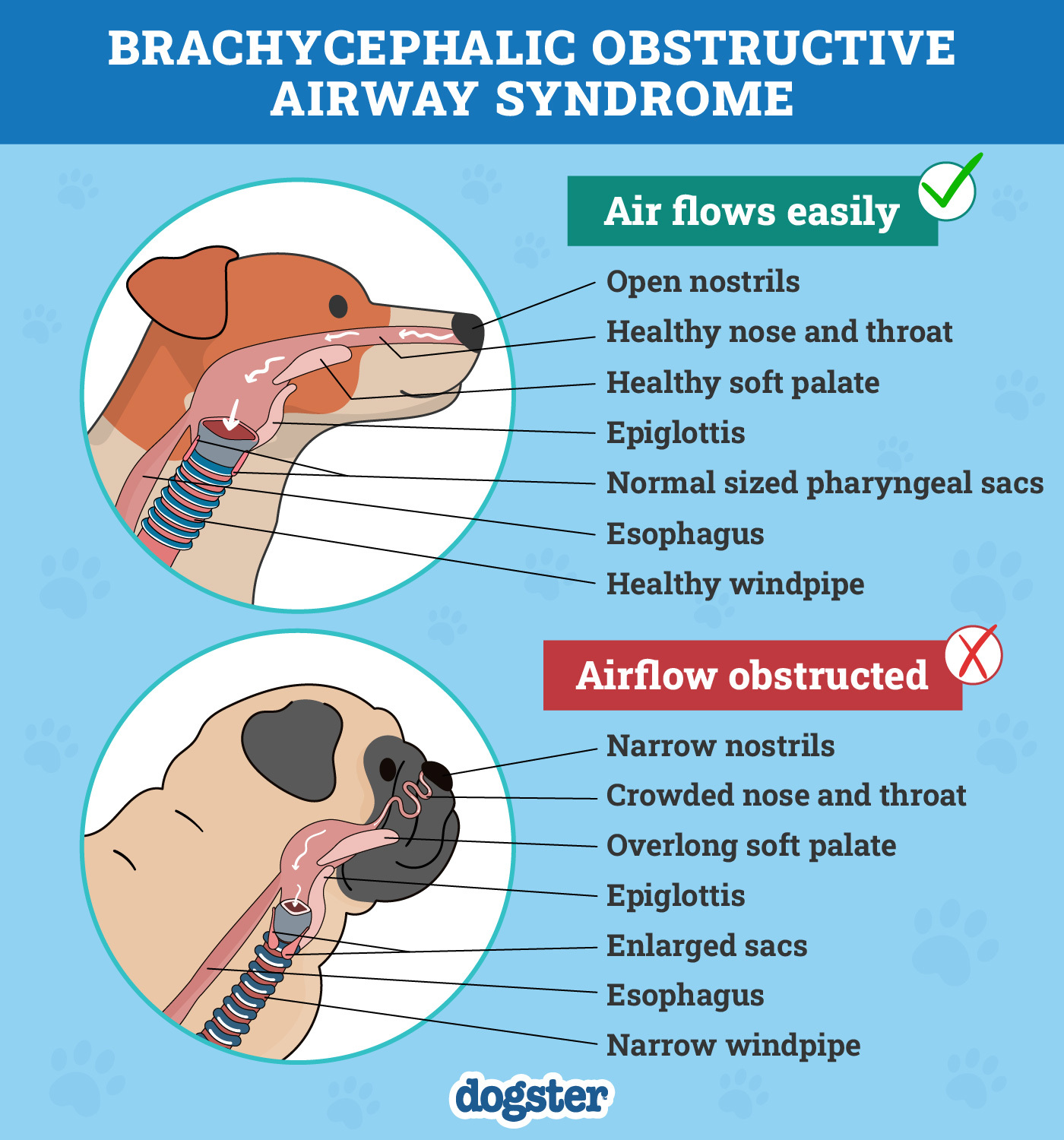
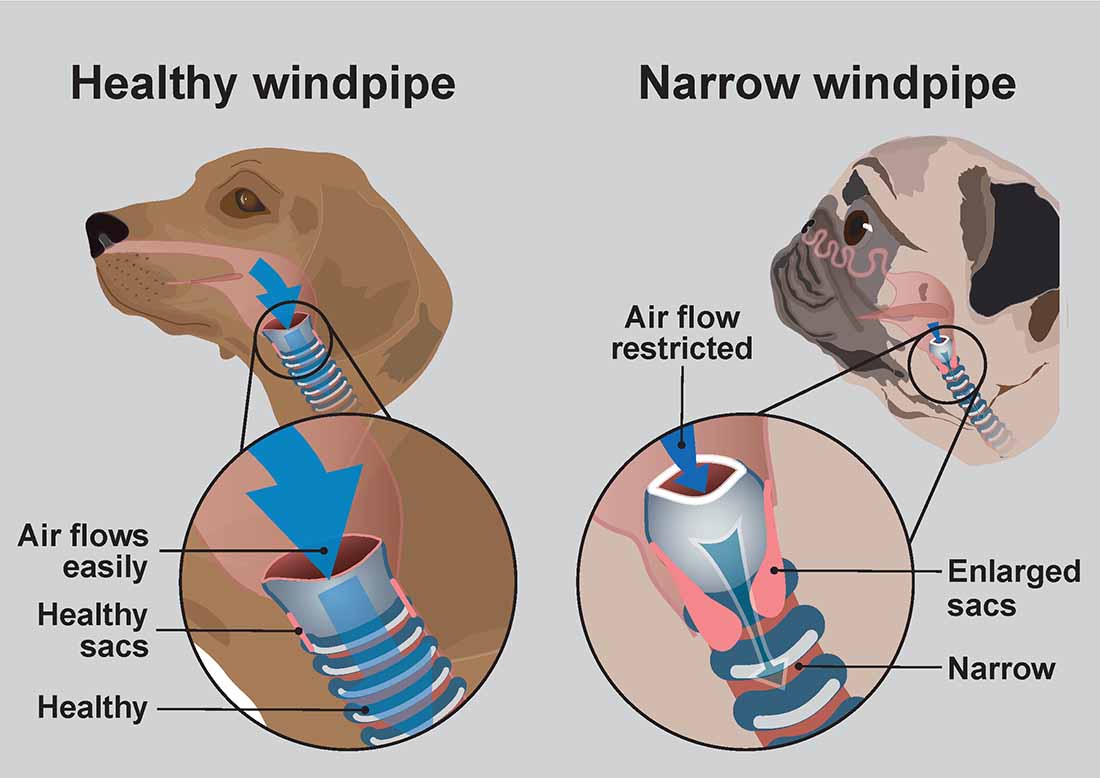
Brachycephalic obstructive airway syndrome, commonly known as BOAS, represents a collection of anatomical abnormalities frequently seen in short-muzzled dogs that severely restrict airflow. Brachycephalic animals possess compressed facial bones, yet their soft tissues—such as the soft palate and tongue—often retain normal dimensions, crowding the available airway space. Consequently, conditions like stenotic nares, characterized by abnormally narrow nostrils, force these animals to exert extra physical effort just to draw a normal breath. Beyond structural malformations, chronic inflammation, collapsing tracheas in smaller toy varieties, and allergic bronchitis further compound the vulnerability of certain genetic lines. Recognizing these physiological bottlenecks allows medical professionals to categorize airway disorders accurately and formulate targeted management plans tailored to individual anatomical profiles. For more related activities, check out our Home Remedy For Eye Scratch On Dog.
Compromised pulmonary function profoundly diminishes a dog’s stamina, tolerance for physical exercise, and overall quality of life.
When airflow is perpetually restricted, a dog cannot efficiently regulate body temperature through panting, placing them at extreme risk for heat exhaustion during mild weather. In the examination room, observing a French Bulldog turn a pale bluish hue after a brief, enthusiastic greeting serves as a stark reminder of how rapidly respiratory fatigue escalates into an emergency. Furthermore, chronic oxygen deprivation places an undue burden on the cardiovascular system, eventually leading to secondary heart strain or systemic fatigue. Beyond the physical toll, constant air hunger breeds underlying anxiety, as the affected animal struggles incessantly simply to oxygenate their bloodstream during routine daily activities. Routine veterinary evaluations often uncover these hidden tolls long before a catastrophic crisis forces a household to seek urgent medical intervention.
Brachycephalic obstructive airway syndrome involves elongated soft palates and narrowed nostrils that restrict airflow — American Kennel Club
Managing airway challenges requires a combination of environmental modifications, weight management, and proactive veterinary oversight.
Maintaining an optimal body condition score is arguably the single most effective intervention a guardian can perform to alleviate respiratory strain in susceptible canines. Excess adipose tissue places physical pressure on the chest cavity and upper airway, compounding the anatomical disadvantages already present in vulnerable populations. Additionally, transitioning from traditional neck collars to supportive body harnesses eliminates direct pressure on the trachea during walks, facilitating smoother airflow. Controlling indoor air quality by minimizing dust, smoke, and chemical aerosols further prevents unnecessary bronchial irritation that could trigger an acute respiratory episode. Careful observation during seasonal temperature shifts ensures that outdoor activities remain safe and enjoyable without overtaxing compromised lung capacity.
Guarding against overheating and overexertion remains the golden rule for protecting vulnerable airways from sudden collapse.
One common mistake involves encouraging intense fetch games during humid afternoons, unaware that a compromised respiratory system cannot expel heat effectively. During hot weather, air-conditioned indoor spaces and restricted outdoor routines are not luxuries but necessary medical precautions for flat-faced companions. Another frequent oversight is ignoring mild snoring or reverse sneezing, dismissing these sounds as normal quirks when they frequently indicate underlying airway turbulence. Establishing calm routines, providing ample fresh water, and utilizing cooling mats during warmer months drastically reduce the likelihood of heat-induced respiratory crises. Careful pacing during walks allows guardians to monitor breathing rates closely and halt activity before distress manifests.
Canines rely primarily on panting to cool their bodies, making efficient upper airway function critical for preventing heatstroke — American Veterinary Medical Association
Pet Care & Wellness Overview Table
| Life Stage | Daily Activity Level | Key Nutrition / Care Focus |
|---|---|---|
| Puppy / Kitten | High (frequent short bursts) | High-protein growth diet & early socialization |
| Adult Companion | Moderate (30–60 mins daily) | Balanced maintenance nutrition & dental hygiene |
| Senior Pets | Low to Gentle (mindful walks) | Joint support (Glucosamine) & routine vet checks |
Images References




Certain genetic lineages, particularly brachycephalic and toy varieties, exhibit a markedly higher predisposition to chronic breathing disorders.
Popular companions such as Bulldogs, Pugs, and Boxer dogs possess skull structures that predispose them to chronic upper airway resistance syndrome throughout their lives. Conversely, miniature and toy lineages like Pomeranians and Yorkshire Terriers frequently develop tracheal collapse, a degenerative weakening of the cartilage rings supporting the windpipe. Understanding these breed-specific predispositions empowers prospective owners to research health histories thoroughly before bringing a new companion into the household. Age also plays a defining role, as congenital defects become more pronounced as muscle tone slackens and tissues lose elasticity during senior years. Recognizing these inherent risks allows caregivers to anticipate health shifts and implement preventative measures proactively.
Prompt professional veterinary evaluation is mandatory whenever a dog exhibits persistent coughing, bluish gums, or labored breathing patterns.
While occasional reverse sneezing can be harmless, chronic hacking, exercise intolerance, or audible wheezing warrant immediate diagnostic imaging and physical examination by a licensed veterinarian. Diagnostic tools such as thoracic radiographs, rhinoscopy, or laryngeal examinations under light sedation help pinpoint structural obstructions or underlying pulmonary infections accurately. Never administer human medications or unprescribed substances to alleviate respiratory distress, as exact dosages vary wildly and certain compounds can prove toxic to canines. For expert guidance on maintaining overall vitality, exploring resources on Dog Health helps owners stay informed. Establishing a collaborative relationship with a trusted veterinary team ensures that any emerging airway complications receive timely, evidence-based management.
Safeguarding respiratory wellness ensures that canine companions enjoy long, active lives filled with comfortable breathing and boundless joy.
Caring for a dog with unique anatomical challenges requires patience, attentiveness, and a commitment to proactive environmental and medical management strategies. By understanding the intricacies of canine respiration, pet owners transform potential vulnerabilities into manageable conditions through mindful daily care practices. To deepen your understanding of canine wellness and daily upkeep, explore additional expert advice on Dog Care and Dog Breeds. Ultimately, dedication to optimal health safeguards the bond between humans and their animals, ensuring every breath taken is deep, easy, and secure. Visit PetsAnimalsWorld.com for more comprehensive guides on keeping your four-legged family members thriving and healthy.


