
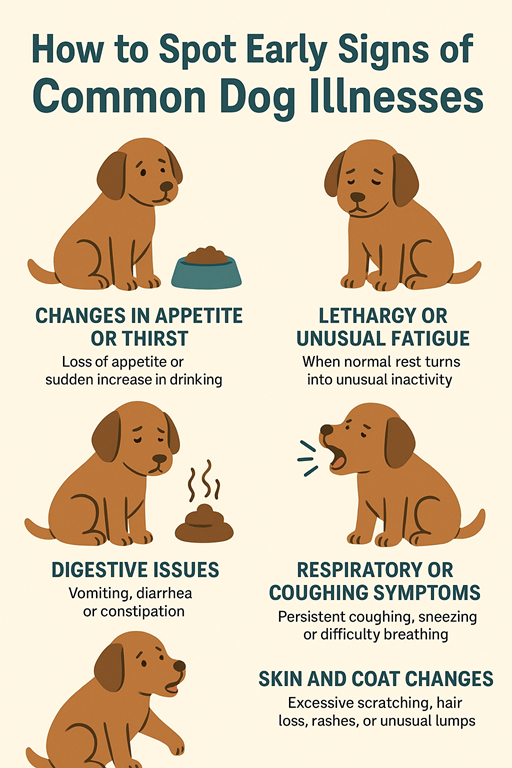
Recognizing Subtle Changes in Canine Wellness Keeps Canines Safe
According to the American Veterinary Medical Association, proactive monitoring of routine physiological changes at home remains one of the most effective ways to secure long-term longevity and comfort for companion animals. Canines possess a remarkable biological instinct to mask discomfort, a survival trait inherited from wild ancestors who needed to hide vulnerability from predators. In clinical practice, physical examinations frequently reveal advanced systemic conditions that started with subtle behavioral adjustments months prior. Canine wellness relies heavily on observant caregivers who notice the earliest shifts in daily habits, energy expenditure, and appetite long before a routine physical examination reveals an underlying issue. Recognizing these early indicators requires patience, a keen eye, and a solid understanding of baseline canine physiology.
💡 Pet Care Key Takeaways:
- Core Focus: Practical health, nutrition, and wellness guidelines for Dog Illness Symptoms.
- Target Scope: Pet owners, animal caregivers, and veterinary support staff.
- Best Recommendation: Maintain consistent daily routines and consult an accredited veterinarian before introducing major diet or medical changes.
Recognizing Dog Illness Symptoms Early Saves Lives
Dog illness symptoms encompass any observable deviation from a canine’s normal physical state, behavioral pattern, or physiological functioning. These clinical indicators range from overt signs like persistent vomiting and lethargy to subtle clues such as a slight shift in posture or reluctance to climb stairs. Veterinary professionals categorize these signals into acute manifestations—which appear suddenly and demand immediate medical intervention—and chronic presentations that develop gradually over weeks or months. Understanding this distinction helps caregivers evaluate urgency and communicate effectively with veterinary teams during diagnostic consultations.
Understanding the Systemic Impact of Untreated Canine Ailments
Untreated canine ailments trigger a cascade of physiological stress responses that compromise organ function and accelerate disease progression across multiple body systems. When a dog experiences persistent low-grade pain or metabolic imbalance, the body enters a catabolic state, breaking down muscle tissue and weakening immune defenses. In the examination room, it is common to observe how a seemingly isolated dental infection can eventually strain cardiac and renal tissues through continuous bacterial migration. Maintaining proper Dog Health involves intercepting these systemic domino effects before irreversible damage occurs to vital organs.
Early identification of metabolic and systemic disruptions significantly improves prognosis and reduces long-term treatment complexity. — American Veterinary Medical Association
How to Monitor and Address Concerning Physical Changes
Addressing concerning health indicators effectively requires establishing a structured monitoring routine that records daily food consumption, water intake, elimination habits, and activity levels. Caregivers should conduct gentle, hands-on wellness checks weekly, running hands along the ribcage, checking gum color, and inspecting paw pads for unusual wear or tenderness. Documenting these observations in a dedicated health journal provides veterinary professionals with invaluable baseline data during diagnostic evaluations. Furthermore, ensuring a clean, stress-free living environment minimizes secondary complications while a canine recovers from minor ailments.
Best Practices and Critical Mistakes to Avoid During Home Monitoring
Implementing sound observation protocols requires avoiding common pitfalls that can delay proper medical care or compromise safety. A frequent misstep involves administering over-the-counter human medications, which frequently contain active ingredients that are highly toxic to canine physiology. Acetaminophen, ibuprofen, and various cold medications can cause acute hepatic failure or severe gastrointestinal ulceration within hours of ingestion. Instead of guessing remedies, caregivers should maintain open communication with licensed professionals and focus efforts on accurate data collection, environmental safety, and supportive comfort measures.
Human pain medications represent a leading cause of accidental poisoning in domestic canines. — ASPCA Animal Poison Control Center
Pet Care & Wellness Overview Table
| Life Stage | Daily Activity Level | Key Nutrition / Care Focus |
|---|---|---|
| Puppy / Kitten | High (frequent short bursts) | High-protein growth diet & early socialization |
| Adult Companion | Moderate (30–60 mins daily) | Balanced maintenance nutrition & dental hygiene |
| Senior Pets | Low to Gentle (mindful walks) | Joint support (Glucosamine) & routine vet checks |
Images References


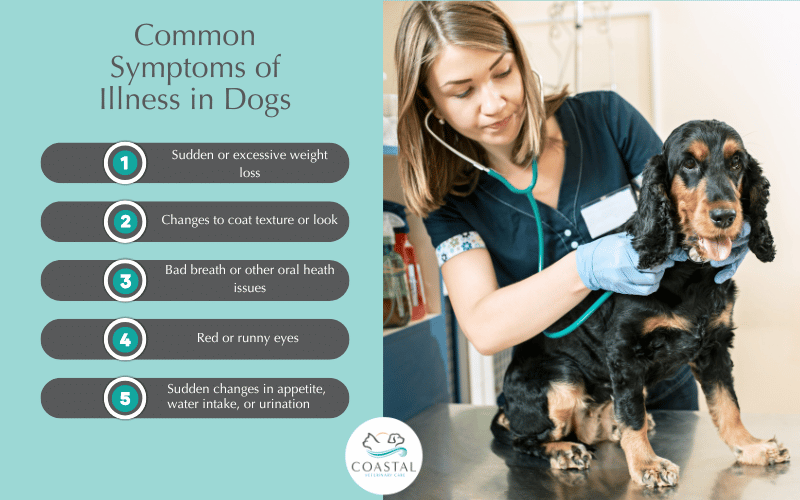


Breed, Age, and Size Considerations in Canine Pathology
Susceptibility to specific illnesses varies dramatically depending on a canine’s genetic heritage, physiological maturity, and physical dimensions. Giant breeds often face orthopedic challenges and cardiac conditions earlier in life, whereas smaller companion lines may grapple with dental degradation and tracheal collapse. Senior animals frequently mask cognitive decline and joint stiffness behind familiar routines, making age-appropriate diagnostic screenings vital for catching hidden pathologies. Exploring specific Dog Breeds profiles helps caregivers anticipate hereditary predispositions and tailor preventive care strategies accordingly.
When to Consult a Veterinary Professional Immediately
Immediate veterinary intervention is mandatory whenever a canine exhibits acute respiratory distress, unresponsiveness, severe abdominal distension, or suspected toxin ingestion. Waiting to see if critical indicators resolve on their own during an emergency situation drastically reduces survival rates and complicates clinical intervention. Caregivers should also schedule diagnostic evaluations for any persistent behavioral shifts, unexplained weight loss, or chronic lethargy lasting longer than forty-eight hours. Prioritizing timely professional guidance remains the cornerstone of responsible Dog Care.
Summary of Essential Canine Health Monitoring Practices
Protecting a companion animal from preventable suffering demands constant vigilance, compassionate observation, and a commitment to professional veterinary partnership. By understanding normal baselines and recognizing the earliest red flags, caregivers transform themselves into vital members of the healthcare team. Explore more resources across Dog Nutrition and related topics to ensure a holistic approach to wellness. Visit PetsAnimalsWorld.com today to continue learning about optimal canine husbandry and disease prevention.


