

Introduction
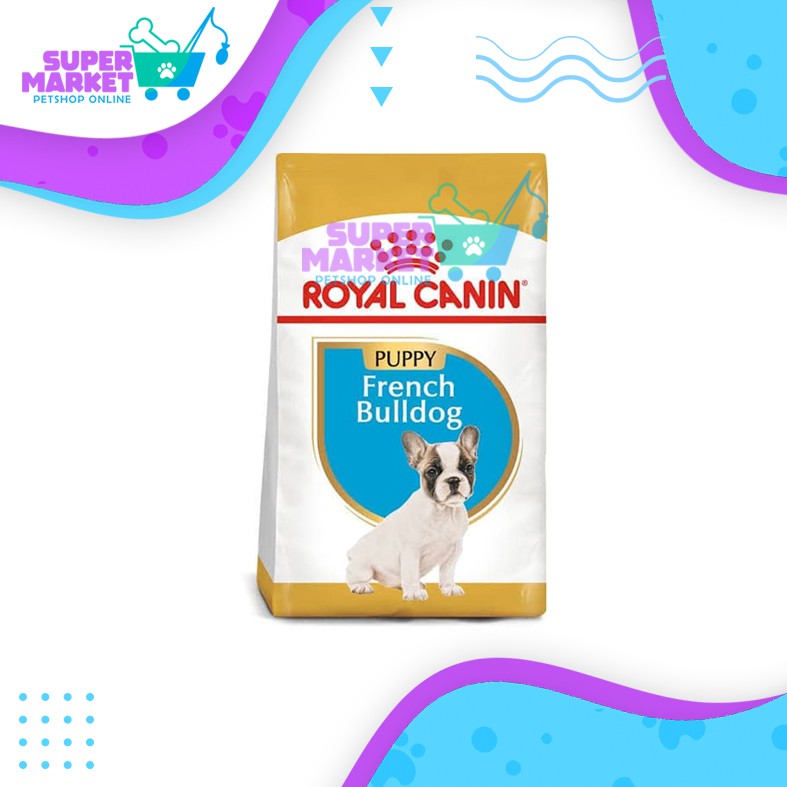
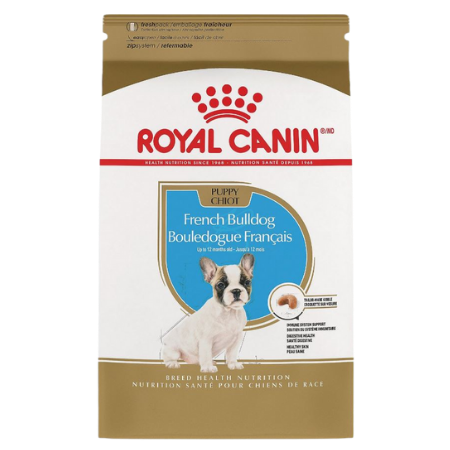
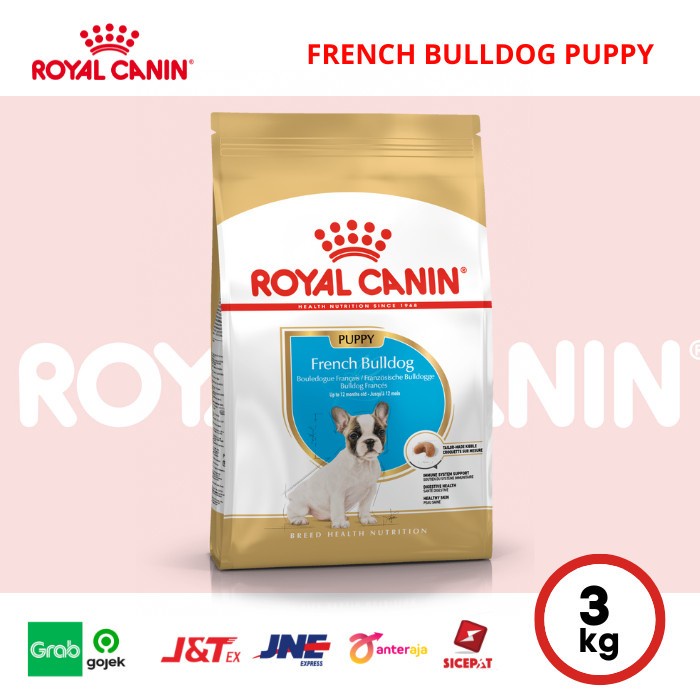
Ensuring optimal nutrition for a growing puppy is paramount, and for breeds with unique physiological characteristics, a tailored approach is often beneficial. The term “Royal Canin French Bulldog Puppy” refers to a specialized canine diet meticulously formulated to meet the distinct needs of French Bulldog puppies during their crucial growth period, typically up to 12 months of age. This specific food addresses the breed’s brachycephalic jaw structure, sensitive digestive system, and predispositions to certain skin conditions. Understanding the specific benefits and proper application of such a specialized diet can significantly contribute to a French Bulldog puppy’s healthy development, robust immune system, and overall quality of life, laying a strong foundation for adulthood.
💡 Pet Care Key Takeaways:
- Core Focus: Practical health, nutrition, and wellness guidelines for Royal Canin French Bulldog Puppy.
- Target Scope: Pet owners, animal caregivers, and veterinary support staff.
- Best Recommendation: Maintain consistent daily routines and consult an accredited veterinarian before introducing major diet or medical changes.
Common Causes and Key Factors
The necessity for a specialized diet like Royal Canin French Bulldog Puppy food stems directly from the unique biological and physiological characteristics of the French Bulldog breed. Several key factors necessitate this tailored nutritional approach:. For more related activities, check out our Dahwund Golden.
- Brachycephalic Jaw Structure: French Bulldogs possess a unique flat-faced or brachycephalic skull, which can make it challenging for them to pick up and chew conventional kibble effectively. The design of their kibble requires careful consideration to facilitate easy prehension and promote proper chewing.
- Sensitive Digestive System: French Bulldogs are often prone to digestive sensitivities, which can manifest as flatulence, soft stools, or gastrointestinal upset. Their diet requires highly digestible proteins and prebiotics to support a balanced gut flora and optimize digestive health.
- Skin and Coat Health: This breed is susceptible to various skin issues, including allergies and skin fold dermatitis. Nutritional support rich in specific fatty acids (like EPA and DHA) and vitamins is crucial for strengthening the skin barrier function and maintaining a healthy coat.
- Immune System Development: The puppy stage is a period of intense immune system development. A diet fortified with an antioxidant complex, including Vitamin E, helps support the natural defenses of the growing puppy.
- Bone and Joint Development: French Bulldog puppies experience rapid growth, requiring a precise balance of calcium and phosphorus for healthy bone and joint development. Adequate support in this area is vital for a breed that can be predisposed to certain orthopedic conditions.
- Energy Needs for Growth: Puppies, particularly during their rapid growth phase, have high energy requirements. The food must provide a concentrated energy source without leading to excessive weight gain.
Royal Canin French Bulldog Puppy food is formulated with these specific factors in mind, offering a kibble shape, size, and texture designed for brachycephalic jaws and a nutrient profile that addresses the breed’s particular vulnerabilities and developmental needs.
Signs and Symptoms to Observe
When a French Bulldog puppy is receiving an appropriate, breed-specific diet, several positive indicators typically become apparent. Conversely, signs of an unsuitable diet or underlying issues may also emerge. Observing these signs helps ensure the puppy’s well-being:
- Consistent Stool Quality: A well-digested diet results in firm, well-formed stools. Inconsistent or overly soft stools, diarrhea, or excessive flatulence can indicate digestive upset or that the diet is not being fully utilized.
- Healthy Growth and Body Condition: Puppies should maintain a steady growth rate and a healthy body condition, neither too thin nor overweight, according to veterinary growth charts. Regular weight checks are beneficial.
- Shiny Coat and Healthy Skin: A lustrous coat free from dryness, flakiness, or excessive shedding, along with healthy, irritation-free skin, suggests good nutritional intake, particularly of essential fatty acids. Persistent scratching or dull fur may indicate dietary deficiencies or skin issues.
- Good Energy Levels and Alertness: A properly nourished puppy exhibits appropriate energy levels for play and activity, along with mental alertness. Lethargy or a significant decrease in playfulness could signal nutritional deficiencies or other health concerns.
- Robust Appetite: A healthy French Bulldog puppy typically shows enthusiasm at meal times and consumes its portions readily. A sudden or prolonged loss of appetite is a red flag.
- Clean Teeth and Gums: While less immediate, the specific kibble design can also contribute to oral hygiene by encouraging chewing. However, observation of gum health and any difficulty chewing is important.
Monitoring these signs closely allows caregivers to assess the effectiveness of the chosen diet and identify any potential health or nutritional problems early.
Practical Solutions and Management Strategies
Implementing Royal Canin French Bulldog Puppy food effectively requires adherence to several practical feeding and management strategies to maximize its benefits and support the puppy’s health:
- Gradual Transition: When introducing this specific diet or switching from another food, a gradual transition over 7-10 days is crucial. This involves slowly increasing the proportion of the new food while decreasing the old food to prevent digestive upset.
- Accurate Portion Control: Always refer to the feeding guidelines provided on the Royal Canin package. These guidelines are based on the puppy’s current age and anticipated adult weight. Adjustments may be necessary based on the individual puppy’s activity level, metabolism, and body condition score, ideally under veterinary guidance. Overfeeding can lead to obesity, while underfeeding can hinder proper growth.
- Consistent Feeding Schedule: For puppies, it is generally recommended to feed smaller, more frequent meals throughout the day (e.g., three to four times daily initially, reducing to two to three as they mature). A consistent schedule helps establish routine and aids digestion.
- Ensure Fresh Water Availability: A constant supply of clean, fresh drinking water is absolutely essential, regardless of the diet. Hydration plays a vital role in digestion and overall bodily functions.
- Avoid Table Scraps and Excessive Treats: French Bulldogs, with their sensitive digestion, should generally avoid human food. Treats should be given sparingly and chosen carefully to avoid upsetting their stomach or contributing to an unbalanced diet.
- Proper Food Storage: Store the food in its original packaging within an airtight container in a cool, dry place to maintain freshness, nutritional integrity, and prevent contamination.
- Monitor Growth and Condition: Regular veterinary check-ups are important to monitor the puppys growth rate and overall health. Veterinarians can provide guidance on whether the puppy is on track with its development and if any dietary adjustments are needed.
- Transition to Adult Formula: Around 12 months of age, French Bulldog puppies typically transition to an adult formula, such as Royal Canin French Bulldog Adult. This transition should also be gradual, following the same principles as introducing the puppy formula.
Adhering to these strategies helps ensure that the French Bulldog puppy receives all the intended benefits of its specialized diet, promoting optimal health and development.
When Professional Help May Be Needed
While a tailored diet like Royal Canin French Bulldog Puppy food aims to support a puppy’s health, certain situations warrant professional veterinary consultation. Recognizing when to seek expert advice is crucial for the puppy’s well-being:
- Persistent Digestive Issues: If a puppy experiences chronic diarrhea, vomiting, severe flatulence, or persistent soft stools despite being on an appropriate diet and following feeding guidelines, veterinary attention is necessary to rule out underlying medical conditions or dietary intolerances.
- Poor Growth or Weight Management: A puppy failing to gain weight, experiencing unexplained weight loss, or conversely, becoming significantly overweight, requires veterinary assessment. These issues can indicate inadequate nutrient absorption, metabolic disorders, or incorrect feeding practices.
- Skin and Coat Problems: Excessive scratching, hair loss, redness, recurring skin infections, or a consistently dull, dry coat that does not improve with diet suggests a need for veterinary investigation. These can be signs of allergies, parasites, or other dermatological conditions.
- Loss of Appetite or Lethargy: A sustained refusal to eat, accompanied by lethargy, weakness, or a general change in demeanor, necessitates immediate veterinary attention. These are often non-specific signs of illness.
- Behavioral Changes Related to Discomfort: If a puppy shows signs of discomfort after eating, such as bloating, restlessness, or vocalization, this could indicate digestive pain requiring professional diagnosis.
- Uncertainty Regarding Dietary Management: For any concerns about appropriate portion sizes, suitable treats, or the timing of transitioning to adult food, a veterinarian can provide personalized guidance tailored to the individual puppy’s needs and health status.
Veterinary professionals possess the expertise to diagnose health issues, provide accurate nutritional advice, and ensure that a French Bulldog puppy’s diet is optimally supporting its development and health.
Conclusion
The nutritional journey of a French Bulldog puppy is a foundational element for its long-term health and vitality. Understanding the specific needs of this unique breed and selecting a diet like Royal Canin French Bulldog Puppy food, which is precisely formulated to address them, plays a critical role. This specialized nutrition provides targeted support for their brachycephalic jaw, sensitive digestive system, developing immune system, and skin health during a vital growth phase. Consistent observation of a puppy’s physical condition and behavior, combined with careful adherence to feeding guidelines, empowers caregivers to promote optimal development. Should any concerns arise regarding a puppy’s health or dietary response, prompt professional veterinary consultation remains the most responsible course of action. By prioritizing breed-specific nutrition and attentive care, a strong foundation for a healthy and thriving adult French Bulldog can be established.
Pet Care & Wellness Overview Table
| Life Stage | Daily Activity Level | Key Nutrition / Care Focus |
|---|---|---|
| Puppy / Kitten | High (frequent short bursts) | High-protein growth diet & early socialization |
| Adult Companion | Moderate (30–60 mins daily) | Balanced maintenance nutrition & dental hygiene |
| Senior Pets | Low to Gentle (mindful walks) | Joint support (Glucosamine) & routine vet checks |
Images References


For more expert pet care tips and advice, check out our dedicated Dog Breeds guides to keep your companions healthy and happy.


