

Introduction
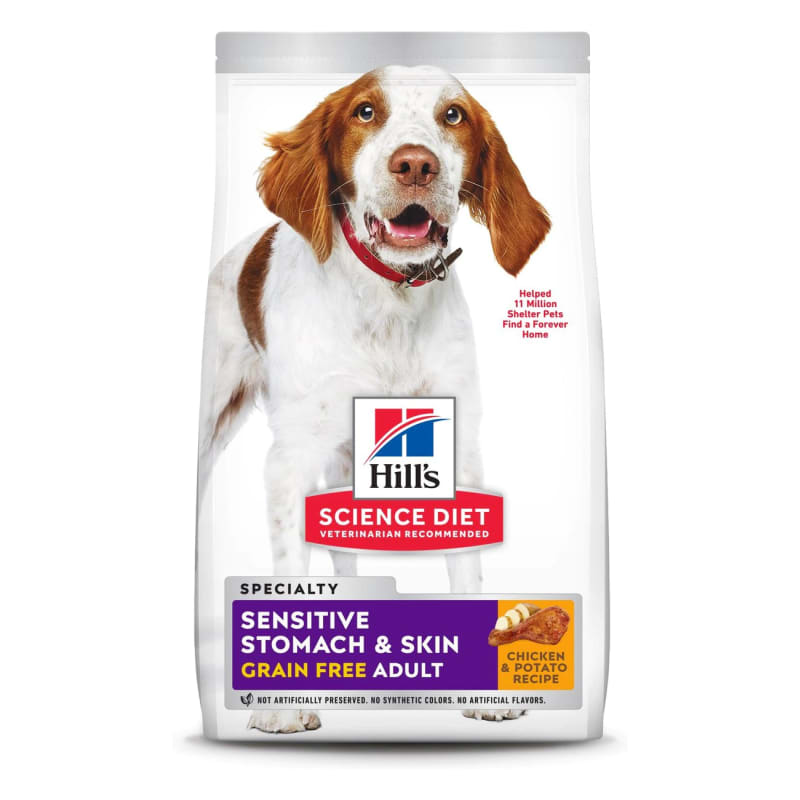
Understanding the nutritional needs of a canine companion, especially one with sensitivities, is paramount for responsible pet ownership. “Science Diet dog food for allergies” refers to a specialized category of veterinary diets meticulously formulated to address adverse food reactions in dogs. This issue commonly arises when a dog’s immune system mistakenly identifies harmless food proteins as threats, leading to various uncomfortable symptoms. Recognizing and effectively managing these allergies through appropriate dietary choices can significantly improve a dog’s health, alleviate distress, and enhance its overall quality of life, allowing for a more comfortable and happy existence.
💡 Pet Care Key Takeaways:
- Core Focus: Practical health, nutrition, and wellness guidelines for Science Diet Dog Food For Allergies.
- Target Scope: Pet owners, animal caregivers, and veterinary support staff.
- Best Recommendation: Maintain consistent daily routines and consult an accredited veterinarian before introducing major diet or medical changes.
Common Causes and Key Factors
Canine food allergies are typically immune-mediated responses to specific proteins present in their diet. Unlike food intolerances, which are digestive issues, true allergies involve the immune system. Common culprits often include protein sources that dogs have been exposed to repeatedly over time, such as beef, chicken, dairy products, and wheat. Less commonly, ingredients like soy or corn can also trigger reactions. For more related activities, check out our Ol Roy Ingredients List.
Factors contributing to the development of food allergies can include genetics, with certain breeds showing a predisposition, and prolonged exposure to a particular food ingredient. While a dog can develop an allergy at any age, symptoms often manifest after months or even years of consuming the same food. Identifying the specific allergen is crucial for effective management.
Signs and Symptoms to Observe
The signs of food allergies in dogs can be varied and often mimic symptoms of other conditions, making a proper diagnosis essential. Most commonly, dogs exhibit dermatological issues, including intense itching, particularly around the face, ears, paws, and anal area. This persistent scratching can lead to skin redness, inflammation, hair loss, and secondary bacterial or yeast infections, resulting in unpleasant odors or scabbing.
Gastrointestinal signs are also prevalent. These can include chronic vomiting, diarrhea, flatulence, and abdominal pain. Some dogs may experience a combination of skin and digestive issues. Ear infections, recurrent or persistent, can also be a tell-tale sign of an underlying food allergy. Observing these consistent symptoms, especially when linked to dietary changes or specific food types, warrants further investigation.
Practical Solutions and Management Strategies
Managing canine food allergies primarily revolves around identifying and strictly avoiding the offending ingredient. The gold standard for diagnosing food allergies is an elimination diet trial, typically involving a novel protein diet or a hydrolyzed protein diet. Science Diet offers specialized veterinary formulas within this category.
A novel protein diet utilizes protein sources that a dog has never encountered before, reducing the likelihood of an immune response (e.g., duck, venison, kangaroo). Hydrolyzed protein diets feature proteins that have been broken down into such small components that the immune system cannot recognize them as allergens. During an elimination diet, which typically lasts 8-12 weeks, the dog consumes only the prescribed specialized food and water, with absolutely no other treats, supplements, or table scraps. After the trial, the original food ingredients are gradually reintroduced to identify the specific allergen, though often, ongoing feeding of the hypoallergenic diet is the preferred long-term strategy. Strict adherence to the veterinary diet is critical for success.
When Professional Help May Be Needed
While the concept of specialized dog food for allergies seems straightforward, self-diagnosing and attempting to manage a dog’s suspected food allergy without professional guidance can be counterproductive and even harmful. Many conditions present with similar symptoms, and a proper diagnosis from a qualified veterinarian is indispensable.
A veterinary professional can rule out other underlying health issues such as parasites, environmental allergies, or metabolic diseases. They can accurately prescribe the most appropriate therapeutic diet, monitor the dog’s progress during an elimination trial, and manage any secondary infections that may arise. For complex cases or persistent symptoms, a referral to a veterinary dermatologist or internal medicine specialist may be recommended to ensure the most effective and comprehensive care for the allergic canine.
Conclusion
Addressing canine food allergies through carefully formulated diets like “Science Diet dog food for allergies” represents a significant step towards improving a dog’s comfort and health. Understanding the common causes, recognizing the varied signs, and implementing a strict, veterinarian-guided dietary management plan are all essential components of effective care. The dedication of dog owners to working closely with their veterinary teams ensures that allergic companions can lead happier, healthier lives, free from the distress of adverse food reactions. Consistent observation and informed decision-making remain foundational to providing optimal care for every cherished pet.
Pet Care & Wellness Overview Table
| Life Stage | Daily Activity Level | Key Nutrition / Care Focus |
|---|---|---|
| Puppy / Kitten | High (frequent short bursts) | High-protein growth diet & early socialization |
| Adult Companion | Moderate (30–60 mins daily) | Balanced maintenance nutrition & dental hygiene |
| Senior Pets | Low to Gentle (mindful walks) | Joint support (Glucosamine) & routine vet checks |
Images References


For more expert pet care tips and advice, check out our dedicated Dog Nutrition guides to keep your companions healthy and happy.




