Introduction
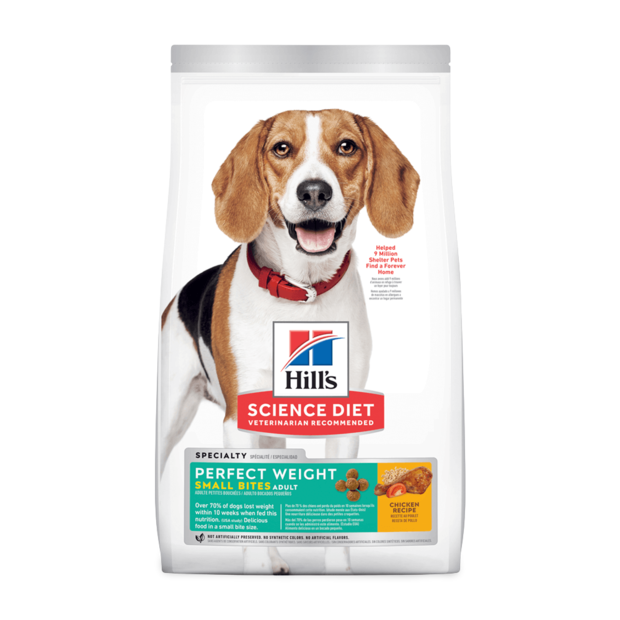
Maintaining a healthy weight is paramount for a dog’s longevity and overall quality of life. Just like humans, canines can suffer from the adverse effects of obesity, including increased risk of diabetes, joint problems, heart disease, and a reduced lifespan. Addressing weight concerns often involves a multi-faceted approach, with dietary adjustments playing a central role. “Science Diet dog food for weight loss” represents a targeted nutritional solution designed to help dogs achieve and maintain a healthy body condition. Understanding the science behind these specialized diets and their proper application can significantly improve a dog’s well-being, energy levels, and overall happiness, offering pet owners a practical tool in their canine care regimen. Explore more in our Dog Nutrition collection.
💡 Pet Care Key Takeaways:
- Core Focus: Practical health, nutrition, and wellness guidelines for Science Diet Dog Food For Weight Loss.
- Target Scope: Pet owners, animal caregivers, and veterinary support staff.
- Best Recommendation: Maintain consistent daily routines and consult an accredited veterinarian before introducing major diet or medical changes.
Common Causes and Key Factors
Canine weight gain typically stems from an imbalance between caloric intake and energy expenditure. Overfeeding is a primary culprit, often occurring inadvertently when owners misjudge portion sizes or frequently offer treats and table scraps. A sedentary lifestyle, characterized by insufficient exercise, further compounds the issue, as calories consumed are not adequately burned off. For more related activities, check out our Natural Balance Puppy Food Quantity Chart.
Beyond these common factors, several key elements can predispose a dog to weight gain. Certain breeds, such as Beagles, Labrador Retrievers, and Basset Hounds, have a genetic predisposition to obesity. Age also plays a role; as dogs mature, their metabolism naturally slows down, and their activity levels may decrease, necessitating a reduction in caloric intake. Neutering or spaying can lead to hormonal changes that may affect metabolism, making weight management more challenging. Furthermore, underlying medical conditions like hypothyroidism or Cushing’s disease can contribute to weight gain, underscoring the importance of veterinary assessment. Discover more free resources across our collection library.
Signs and Symptoms to Observe
Recognizing the signs of excess weight in a dog is crucial for timely intervention. A healthy dog should have an easily palpable waistline when viewed from above, and its ribs should be felt without much pressure, but not visually prominent.
Observable signs of a dog carrying too much weight include:
- Lack of a defined waist: When looking down at a dog, its body should taper slightly inward after the rib cage. An overweight dog will often have a straight or bulging profile.
- Difficulty feeling ribs: If a layer of fat makes it hard to feel the ribs without pressing firmly, the dog is likely overweight.
- Abdominal sag: A noticeable sag or pendulous belly can indicate excess abdominal fat.
- Reduced activity levels: An overweight dog may show less enthusiasm for walks, play, or other physical activities, appearing more lethargic than usual.
- Breathing difficulties: Heavy panting after minimal exertion can be a sign of obesity putting strain on the respiratory system.
- Mobility issues: Difficulty jumping, climbing stairs, or even standing up can be exacerbated by excess weight, particularly in older dogs or those with joint conditions.
- Poor grooming habits: Some overweight dogs struggle to reach certain areas for self-grooming, potentially leading to matted fur or skin issues.
These indicators can vary slightly depending on the dog’s breed and individual body composition, but a general lack of physical definition and reduced stamina are universal red flags.
Practical Solutions and Management Strategies
Managing a dog’s weight effectively requires a disciplined and consistent approach, with “Science Diet dog food for weight loss” often serving as a cornerstone of the dietary strategy. These specialized formulas are meticulously crafted to provide optimal nutrition while promoting safe and sustainable weight reduction.
The effectiveness of Science Diet weight loss formulas stems from several key nutritional principles:
- Reduced Calorie Density: These foods contain fewer calories per serving than standard adult formulas, allowing a dog to feel full with less caloric intake.
- Increased Fiber Content: High levels of dietary fiber help dogs feel satiated, reducing hunger between meals and supporting healthy digestion.
- Optimized Protein Levels: Adequate protein helps maintain lean muscle mass during weight loss, which is crucial for metabolism and overall strength.
- L-Carnitine: Many formulations include L-Carnitine, an amino acid that helps convert fat into energy, supporting a healthy metabolism.
Implementing a weight loss plan with these foods involves precise portion control. It is imperative to follow the feeding guidelines provided on the packaging, which are usually based on the dog’s ideal target weight, not its current weight. Using a kitchen scale to measure food ensures accuracy, as scoops can be inconsistent.
Dietary changes must be coupled with an appropriate exercise regimen. Daily walks, engaging playtime, and other physical activities tailored to the dog’s capabilities are essential for burning calories and improving muscle tone. Gradual increases in exercise intensity and duration are recommended to prevent injury and allow the dog to build stamina. Consistency in both diet and exercise is paramount for achieving sustainable weight loss and maintaining a healthy body condition.
When Professional Help May Be Needed
While the implementation of a specialized diet like “Science Diet dog food for weight loss” and increased exercise can be highly effective, there are situations where professional veterinary consultation is indispensable. Before embarking on any weight loss program for a dog, a thorough veterinary examination is always recommended.
A veterinarian can accurately assess a dog’s current body condition score, determine an ideal target weight, and calculate the appropriate daily caloric intake for safe weight loss. This individualized approach helps prevent nutritional deficiencies or excessively rapid weight loss, which can be detrimental to a dog’s health. Furthermore, a veterinary check-up can rule out underlying medical conditions, such as hypothyroidism or Cushing’s disease, that might be contributing to weight gain and would require specific medical treatment.
If a dog is struggling to lose weight despite a consistent diet and exercise plan, or if it exhibits sudden weight gain, lethargy, or other concerning symptoms, professional guidance is crucial. A veterinarian can offer tailored advice, monitor progress, and adjust the weight management plan as needed, ensuring the dog’s health and well-being remain the top priority throughout the process.
Conclusion
The journey to a healthier weight for a dog is a commitment that yields significant rewards in terms of improved health, mobility, and overall happiness. “Science Diet dog food for weight loss” offers a scientifically formulated approach to canine dietary management, providing a balanced nutritional profile designed to support safe and effective weight reduction. Understanding the causes of weight gain, recognizing the subtle signs of obesity, and implementing a structured plan that combines precise dietary control with appropriate exercise are fundamental steps. Consistent observation and dedicated care, reinforced by professional veterinary guidance when necessary, are key to a dog’s successful weight management. By proactively addressing weight concerns, dog owners contribute directly to their companion’s longevity and quality of life, affirming the educational mission of petsanimalsworld.com to foster informed and responsible pet care.
Pet Care & Wellness Overview Table
| Life Stage | Daily Activity Level | Key Nutrition / Care Focus |
|---|---|---|
| Puppy / Kitten | High (frequent short bursts) | High-protein growth diet & early socialization |
| Adult Companion | Moderate (30–60 mins daily) | Balanced maintenance nutrition & dental hygiene |
| Senior Pets | Low to Gentle (mindful walks) | Joint support (Glucosamine) & routine vet checks |
Images References