

Introduction
As cherished canine companions transition into their golden years, their nutritional needs undergo significant changes. Understanding these shifts is paramount for maintaining their health and vitality. “Science Diet for senior dogs” refers to specially formulated nutritional programs designed to support the unique physiology of aging canines. These diets are developed by veterinarians and nutritionists, focusing on science-backed ingredients and precise nutrient profiles to address common age-related concerns. Typically, dogs are considered senior around seven years of age, though this can vary by breed size, with larger breeds often entering senior status earlier. Implementing a specialized senior diet at the appropriate time can profoundly impact a dog’s well-being, helping to manage age-related conditions, support cognitive function, and enhance their overall quality of life during this crucial stage.
💡 Pet Care Key Takeaways:
- Core Focus: Practical health, nutrition, and wellness guidelines for Science Diet For Senior Dogs.
- Target Scope: Pet owners, animal caregivers, and veterinary support staff.
- Best Recommendation: Maintain consistent daily routines and consult an accredited veterinarian before introducing major diet or medical changes.
Common Causes and Key Factors
The aging process initiates several physiological changes in dogs that necessitate a specialized diet. Metabolism naturally slows, which can lead to weight gain if calorie intake is not adjusted. Activity levels often decrease, further contributing to a reduced energy requirement. Digestive efficiency can also decline, making highly digestible ingredients crucial for nutrient absorption. For more related activities, check out our Ol Roy Ingredients List.
Key factors influencing senior dog nutrition include joint health, cognitive function, kidney health, weight management, and dental care. Older dogs are more prone to conditions such as arthritis, necessitating diets enriched with ingredients like glucosamine and chondroitin to support joint cartilage. Cognitive decline can be addressed through antioxidants and omega-3 fatty acids, which help maintain brain health. Kidney function often diminishes with age, making controlled phosphorus levels important to reduce strain on the kidneys. Maintaining an ideal weight is critical, as obesity exacerbates joint problems and increases the risk of other health issues. Therefore, senior diets typically feature lower calorie counts and higher fiber for satiety, alongside protein levels that support muscle mass without overburdening organs. The texture and palatability of the food are also considered to accommodate potential dental issues.
Signs and Symptoms to Observe
Observing a senior dog for specific signs can indicate whether current nutrition is adequate or if a dietary change is warranted. Weight fluctuations, whether unexpected gain or loss, are significant indicators. Unexplained weight gain often points to excessive caloric intake relative to reduced activity, while weight loss can signal poor nutrient absorption or underlying health issues.
Changes in activity and mobility, such as stiffness, difficulty rising, or reluctance to engage in usual play, suggest a need for joint support. A dull coat, dry skin, or excessive shedding can reflect nutritional deficiencies, particularly in essential fatty acids. Digestive upset, including persistent vomiting, diarrhea, or constipation, indicates that the current diet may not be easily digestible or suitable for an aging gut. Alterations in appetite or thirst, such as decreased interest in food or increased water consumption, should also prompt investigation. Finally, signs of cognitive decline, like disorientation, altered sleep-wake cycles, or reduced interaction, can sometimes be mitigated by specific brain-supporting nutrients found in senior formulas.
Practical Solutions and Management Strategies
Transitioning a senior dog to a specialized diet like Science Diet for senior dogs requires a gradual approach to prevent digestive upset. A common strategy involves mixing a small amount of the new food with the old food, gradually increasing the proportion of the new diet over 7 to 10 days. This allows the digestive system to adapt smoothly.
Establishing a consistent feeding schedule with appropriate portion control is crucial. Following the guidelines on the food packaging is a good starting point, but adjustments may be necessary based on the dog’s individual activity level, body condition score, and specific health needs, ideally in consultation with a veterinarian. For dogs with reduced appetite or specific digestive sensitivities, smaller, more frequent meals can be beneficial. Ensuring constant access to fresh, clean water is also vital, and incorporating wet food options can significantly boost hydration and palatability. Complementary care practices, such as regular, gentle exercise tailored to the dog’s mobility, providing comfortable bedding, and maintaining routine dental hygiene, all contribute to overall well-being alongside a proper diet. Regular monitoring of the dog’s body condition and energy levels helps ensure the diet remains appropriate.
When Professional Help May Be Needed
While dietary adjustments can significantly improve a senior dog’s health, certain situations warrant immediate veterinary consultation. Persistent weight changes, whether gain or loss, despite dietary modifications, could signal an underlying medical condition requiring diagnosis and treatment. Ongoing digestive issues such as chronic vomiting, diarrhea, or severe constipation are serious and necessitate professional evaluation.
Any sudden or significant changes in a dog’s behavior, appetite, or thirst, or the appearance of new symptoms like excessive lethargy, disorientation, or signs of pain, should always be addressed by a veterinarian. Before making any significant dietary changes, especially for dogs with existing health conditions such as diabetes, kidney disease, or heart conditions, veterinary guidance is essential. A veterinarian can recommend the most appropriate senior diet, which may include specific prescription formulations from the Science Diet brand, tailored to manage particular health concerns and optimize a senior dog’s nutritional support.
Conclusion
The unique nutritional demands of senior dogs underscore the importance of a thoughtfully chosen diet. “Science Diet for senior dogs” offers formulations developed with veterinary expertise to address common age-related physiological changes, from joint health and cognitive function to weight management and kidney support. Proactive owners play a critical role through attentive observation of their dog’s physical condition and behavior, ensuring their dietary needs are met. Gradual transitions, appropriate portion control, and consistent access to fresh water are fundamental management strategies. When in doubt or faced with persistent health concerns, collaboration with a veterinarian remains the most effective path to ensure a senior dog receives the optimal dietary care. Prioritizing specialized nutrition during the golden years helps foster a comfortable, happy, and vibrant life for aging canine companions.
Pet Care & Wellness Overview Table
| Life Stage | Daily Activity Level | Key Nutrition / Care Focus |
|---|---|---|
| Puppy / Kitten | High (frequent short bursts) | High-protein growth diet & early socialization |
| Adult Companion | Moderate (30–60 mins daily) | Balanced maintenance nutrition & dental hygiene |
| Senior Pets | Low to Gentle (mindful walks) | Joint support (Glucosamine) & routine vet checks |
Images References

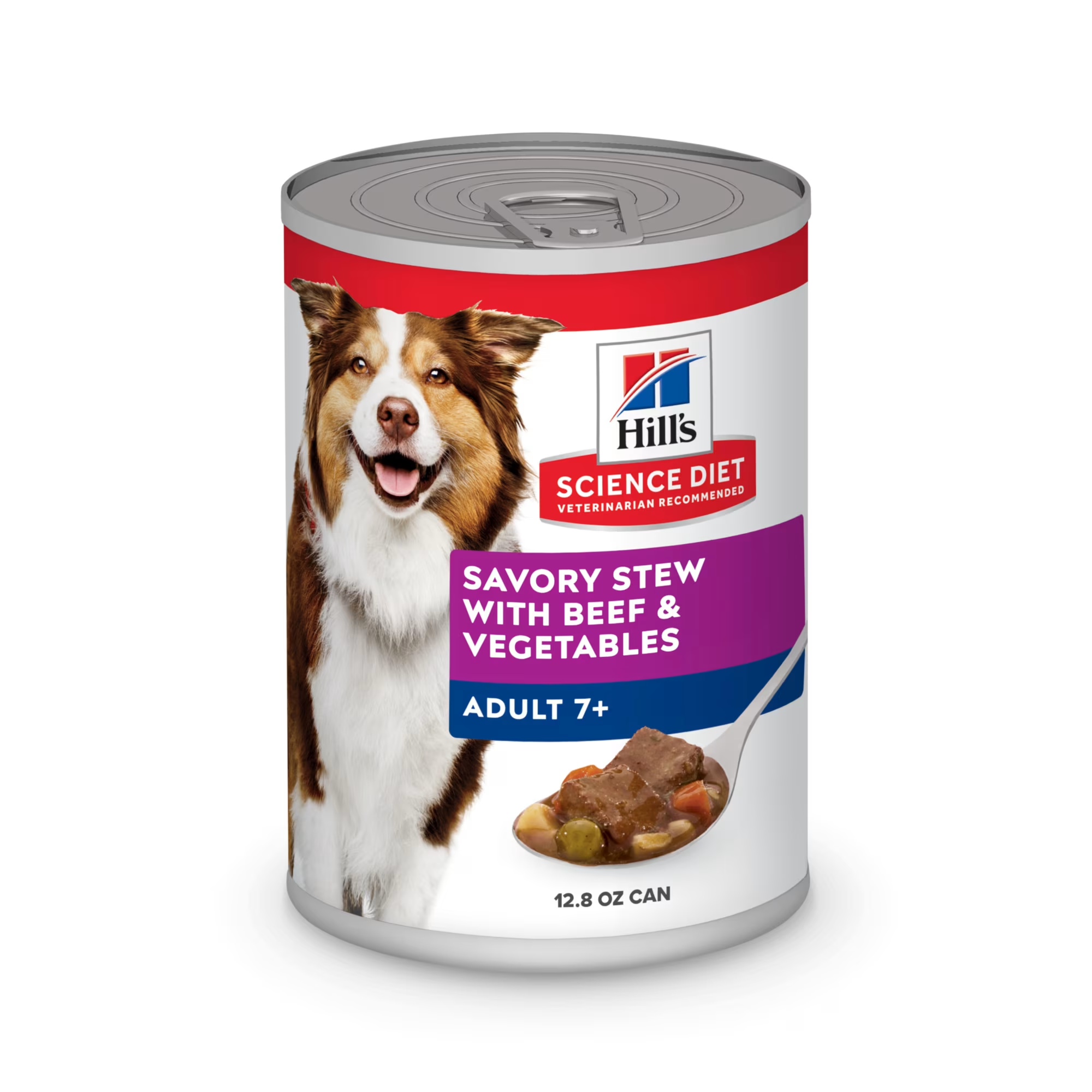


For more expert pet care tips and advice, check out our dedicated Dog Nutrition guides to keep your companions healthy and happy.




