

Introduction
As dogs transition into their senior years, maintaining a healthy weight becomes a crucial aspect of their overall well-being. Unintentional weight loss in older dogs is a common concern that can significantly impact their quality of life and longevity. This often occurs due to a combination of age-related physiological changes, decreased appetite, or underlying health conditions. Understanding the role of targeted nutrition and specifically, senior dog supplements for weight gain, empowers pet owners to proactively support their aging companions. Addressing this issue thoughtfully ensures that senior dogs receive the necessary caloric and nutrient intake to maintain muscle mass, energy levels, and a robust immune system, thereby enhancing their comfort and extending their happy years.
💡 Pet Care Key Takeaways:
- Core Focus: Practical health, nutrition, and wellness guidelines for Senior Dog Supplements For Weight Gain.
- Target Scope: Pet owners, animal caregivers, and veterinary support staff.
- Best Recommendation: Maintain consistent daily routines and consult an accredited veterinarian before introducing major diet or medical changes.
Common Causes and Key Factors
Weight loss in senior dogs is seldom attributable to a single factor, often stemming from a confluence of age-related physiological changes and potential health issues. A primary contributor is age-related muscle loss, known as sarcopenia, which naturally diminishes a dog’s lean body mass. Concurrently, many older dogs experience a decline in their senses of smell and taste, leading to reduced appetite and interest in food. For more related activities, check out our “Fortiflora” And “Gut Health”.
Dental problems, such as periodontal disease or broken teeth, can make eating painful and consequently decrease food intake. Furthermore, the digestive system often becomes less efficient with age, hindering the proper absorption of essential nutrients even if a senior dog is eating adequately. Underlying medical conditions, including kidney disease, diabetes, hyperthyroidism, certain cancers, or gastrointestinal disorders, can also lead to significant weight loss and nutrient malabsorption. Changes in activity levels, or even the side effects of medications prescribed for other senior ailments, can also contribute to a caloric deficit, making targeted intervention vital.
Signs and Symptoms to Observe
Recognizing the signs of weight loss in a senior dog requires diligent observation from caregivers. One of the most evident indicators is a noticeable decrease in body condition, where ribs, spine, and hip bones become easily visible or palpable without significant pressure. This is often accompanied by a loss of muscle mass, particularly over the hindquarters.
Changes in eating habits are also a key symptom; a senior dog might show less enthusiasm for meals, eat more slowly, or leave food untouched. Other observable signs include a dull, dry, or thinning coat, which can indicate nutritional deficiencies. Reduced energy levels, increased lethargy, or a general reluctance to engage in usual activities might also point to an underlying issue affecting weight. In some cases, digestive upset such as chronic vomiting or diarrhea can signal malabsorption issues contributing to weight loss. Any combination of these symptoms warrants careful attention and further investigation.
Practical Solutions and Management Strategies
Addressing weight loss in senior dogs necessitates a multi-faceted approach, beginning with a thorough veterinary examination to rule out or treat any underlying medical conditions. Once health issues are managed, dietary adjustments form the cornerstone of weight gain strategies. Offering a high-calorie, nutrient-dense senior dog food, often specifically formulated for older animals, can provide concentrated nutrition in smaller portions. Warming food to body temperature or adding palatable toppers like low-sodium broth or plain cooked chicken can enhance aroma and appeal, stimulating a hesitant appetite.
Targeted senior dog supplements for weight gain play a crucial role. Digestive enzymes can improve nutrient absorption, particularly beneficial for older, less efficient digestive systems. Probiotics support gut health, which is vital for nutrient assimilation. Omega-3 fatty acids, often found in fish oil, provide a calorie-dense boost and offer anti-inflammatory benefits. Medium-chain triglyceride (MCT) oil is another easily digestible energy source that can be added to food. For muscle maintenance and gain, veterinary-approved protein powders or high-quality amino acid supplements may be recommended. Additionally, B vitamin complexes can help stimulate appetite. Providing smaller, more frequent meals in a calm, consistent environment can also reduce stress and encourage eating. Regular monitoring of food intake and body condition score ensures adjustments can be made promptly.
When Professional Help May Be Needed
While dietary adjustments and specific supplements can be highly beneficial, there are clear instances when professional veterinary intervention becomes essential. Any unexplained or sudden weight loss in a senior dog should prompt immediate consultation with a veterinarian. This is crucial to accurately diagnose any underlying medical conditions, such as organ disease, dental issues, or cancer, which may require specific treatments beyond nutritional support.
Professional guidance is also necessary when a senior dog displays other concerning symptoms alongside weight loss, including persistent lethargy, vomiting, diarrhea, changes in drinking or urination habits, or signs of pain. If a dog continues to lose weight despite diligent home care and dietary modifications, or if there is difficulty in selecting appropriate supplements and determining correct dosages, a veterinarian can provide tailored recommendations. Expert advice ensures that all interventions are safe, effective, and specifically suited to the individual dog’s health profile.
Conclusion
Maintaining a healthy weight in senior dogs is a pivotal aspect of their care, directly influencing their comfort, energy, and overall quality of life. Weight loss in these cherished companions should always be addressed proactively and thoughtfully, starting with a comprehensive veterinary assessment to identify and manage any underlying health concerns. Once a medical foundation is established, a combination of appropriate dietary strategies and targeted senior dog supplements for weight gain can provide the crucial caloric and nutritional support needed. Owners play an indispensable role through attentive observation, consistent care, and informed decisions regarding their dog’s nutrition. By understanding the causes, recognizing the signs, and implementing effective strategies, senior dogs can continue to thrive, enjoying their golden years with vitality and well-being.
Pet Care & Wellness Overview Table
| Life Stage | Daily Activity Level | Key Nutrition / Care Focus |
|---|---|---|
| Puppy / Kitten | High (frequent short bursts) | High-protein growth diet & early socialization |
| Adult Companion | Moderate (30–60 mins daily) | Balanced maintenance nutrition & dental hygiene |
| Senior Pets | Low to Gentle (mindful walks) | Joint support (Glucosamine) & routine vet checks |
Images References


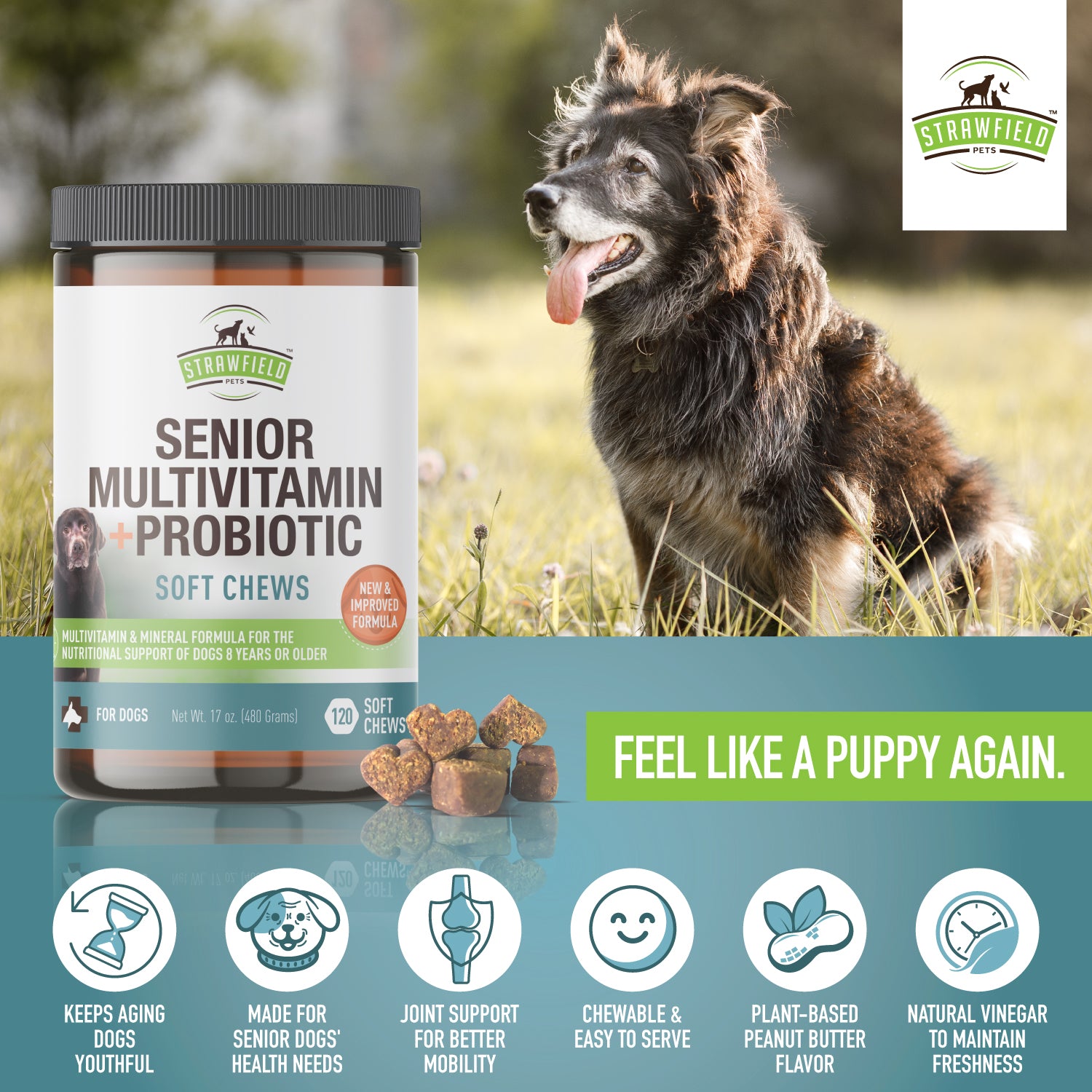


For more expert pet care tips and advice, check out our dedicated Dog Nutrition guides to keep your companions healthy and happy.




