
Introduction
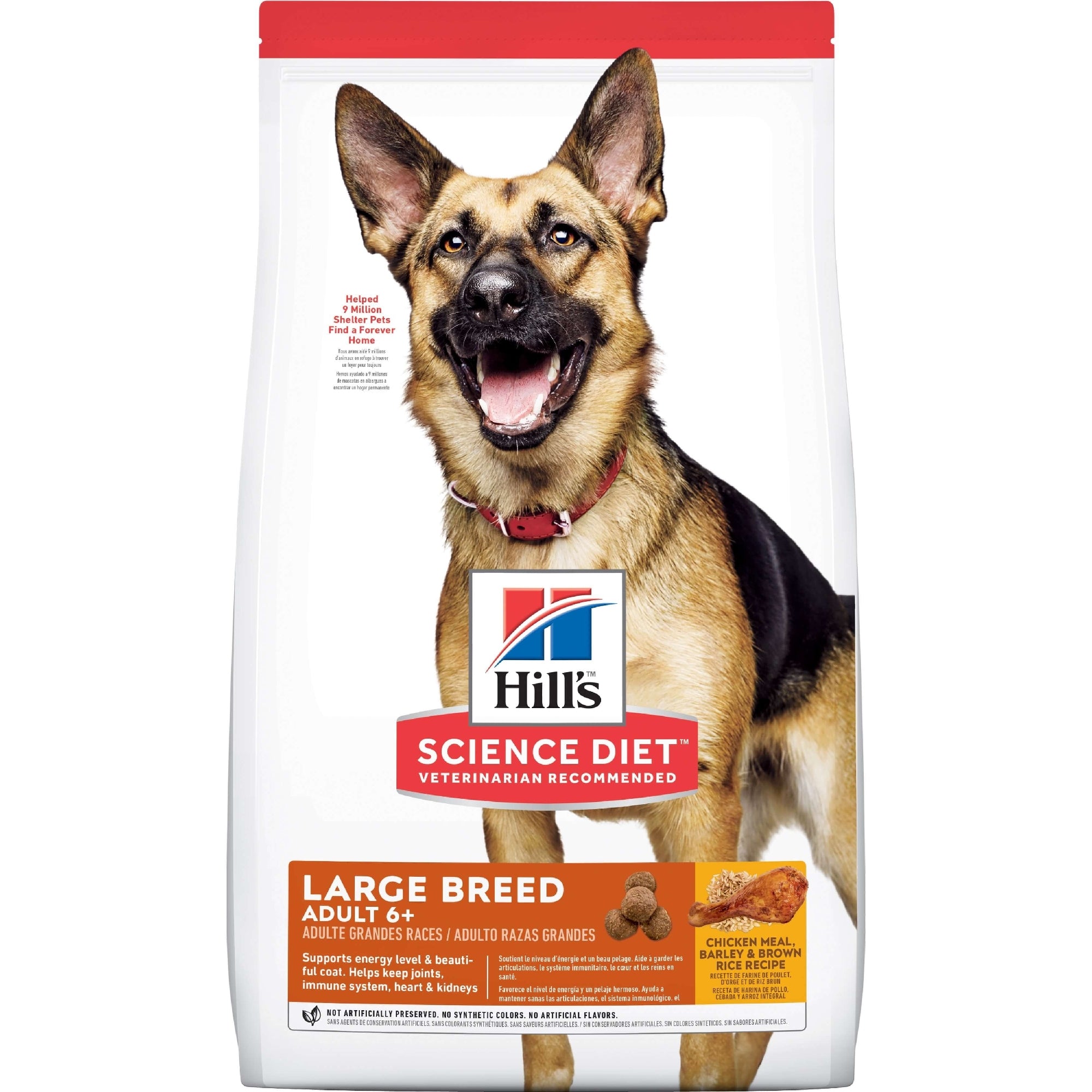
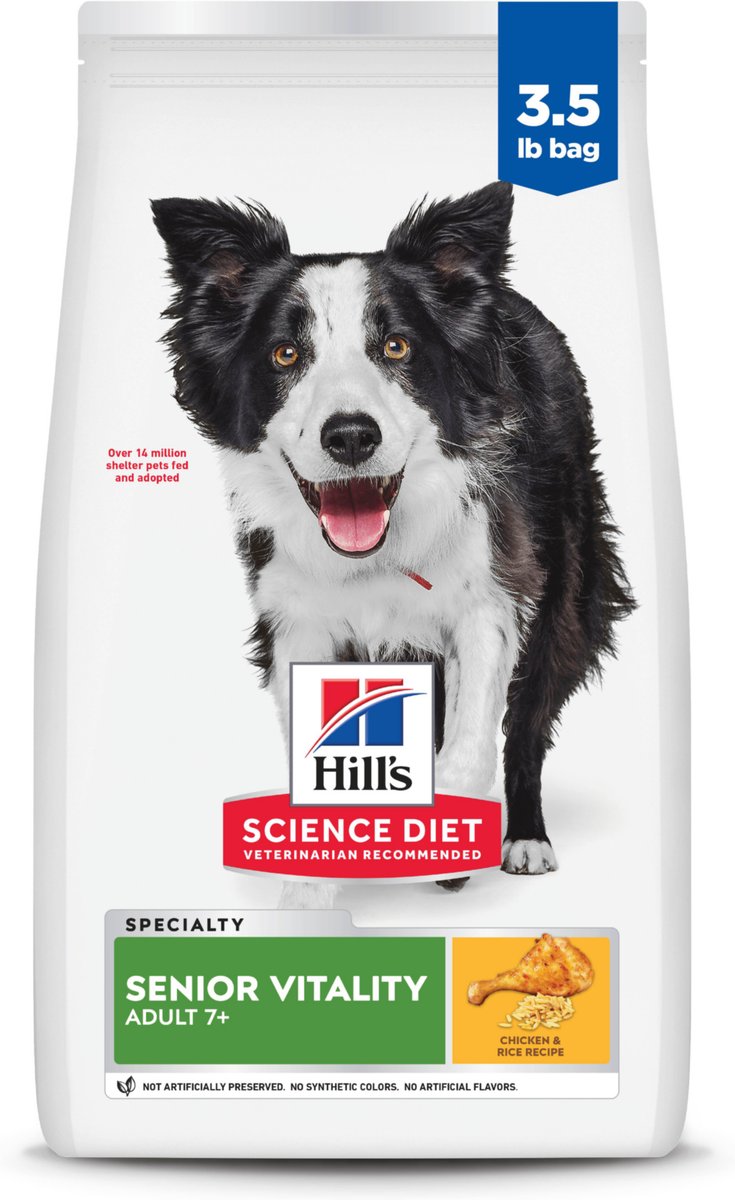
As cherished canine companions age, their nutritional requirements undergo a significant transformation. Understanding and addressing these evolving needs are paramount for maintaining their health, vitality, and overall quality of life. The term “senior science diet” often refers to a specialized category of pet food, with brands like Hill’s Science Diet Senior at the forefront, meticulously formulated to cater to the unique physiological changes that occur in aging dogs. This dietary approach moves beyond generic dog food, focusing on precise nutrient balances, specific ingredients, and targeted support for common age-related concerns. By delving into the principles behind a senior science diet, dog owners can gain invaluable insights into how tailored nutrition can profoundly impact their older dog’s well-being, helping to manage age-related challenges and promote a comfortable, active senior life.
💡 Pet Care Key Takeaways:
- Core Focus: Practical health, nutrition, and wellness guidelines for Senior Science Diet.
- Target Scope: Pet owners, animal caregivers, and veterinary support staff.
- Best Recommendation: Maintain consistent daily routines and consult an accredited veterinarian before introducing major diet or medical changes.
Common Causes and Key Factors
The need for a specialized senior science diet stems directly from the biological processes of aging in dogs. As dogs mature into their senior years, their metabolism naturally slows, which can lead to easier weight gain even with reduced food intake. Muscle mass often diminishes, making adequate protein crucial for maintenance. Joint health becomes a significant concern for many older dogs, with conditions like osteoarthritis impacting mobility and comfort. Furthermore, the efficiency of vital organs, such as the kidneys and heart, may begin to decline, necessitating diets with carefully controlled levels of certain minerals like phosphorus and sodium. For more related activities, check out our Natural Balance Puppy Food Quantity Chart.
Cognitive function can also experience a decline, sometimes manifesting as disorientation or altered behavior. The immune system often weakens, making senior dogs more susceptible to illness. A senior science diet is formulated to address these specific age-related factors. For instance, such diets typically feature a precise protein content to help maintain lean muscle without overtaxing kidneys. They often include joint-supporting nutrients like glucosamine and chondroitin, along with omega-3 fatty acids for their anti-inflammatory properties. Antioxidants are commonly incorporated to bolster a weakening immune system and support brain health, while L-carnitine assists in healthy weight management by converting fat into energy. These careful considerations are the foundation of effective senior canine nutrition.
Signs and Symptoms to Observe
Recognizing when a dog might benefit from a senior science diet involves observing subtle, and sometimes overt, changes in their behavior and physical condition. One common indicator is a noticeable decrease in energy levels or reluctance to engage in activities they once enjoyed, suggesting potential joint discomfort or a general slowdown. Dogs might show difficulty climbing stairs, jumping onto furniture, or even rising after a nap.
Changes in weight, either gain due to a slower metabolism or loss due to reduced appetite or underlying health issues, are also significant. A duller coat, increased thirst or urination, and changes in appetite or pickiness with food can point towards age-related shifts in internal organ function or nutrient absorption. Some senior dogs may exhibit cognitive dysfunction, manifesting as confusion, staring into space, or altered sleep-wake cycles. These signs can vary based on the dog’s breed and size; larger breeds often show signs of aging earlier than smaller breeds. Observing these changes carefully allows owners to proactively consider a diet specifically designed for senior dogs, such as a senior science diet.
Practical Solutions and Management Strategies
Implementing a senior science diet requires a thoughtful approach to ensure a smooth transition and maximum benefit for the aging dog. The most crucial step involves a gradual dietary change, typically over a 7- to 10-day period. This involves slowly mixing increasing proportions of the senior science diet with decreasing amounts of the previous food, which helps prevent gastrointestinal upset and allows the dog to adjust to the new taste and texture.
Selecting the appropriate senior science diet formula is also key, as many brands offer variations tailored to specific needs, such as formulas for large breeds, small breeds, weight management, or sensitive stomachs. Adhering to the feeding guidelines provided on the packaging is essential, though adjustments based on the individual dog’s activity level, body condition, and veterinary recommendations may be necessary. Ensuring constant access to fresh, clean water is also vital, as senior dogs may be more prone to dehydration. Beyond diet, incorporating gentle, regular exercise appropriate for their age and physical condition, providing comfortable orthopedic bedding, and maintaining a predictable routine can further support a senior dogs well-being. Consistent monitoring of their health, energy levels, and stool quality after the diet change helps ensure the chosen senior science diet is meeting their needs effectively.
When Professional Help May Be Needed
While a senior science diet provides essential nutritional support for aging dogs, it is important to understand that it is a dietary measure and not a substitute for veterinary care. Certain signs and symptoms warrant immediate professional evaluation, even if a senior science diet has been introduced. Significant or sudden changes in weight, whether loss or gain, that persist despite dietary adjustments should be investigated by a veterinarian. Persistent vomiting, diarrhea, or a complete loss of appetite are also serious indicators requiring professional attention.
Any signs of severe lethargy, unexplained pain, sudden lameness, or profound behavioral changes like aggression or extreme anxiety necessitate a veterinary visit. These symptoms could point to underlying medical conditions such as kidney disease, diabetes, heart conditions, or advanced arthritis, which require specific medical treatment in addition to appropriate nutrition. A veterinarian can conduct thorough examinations, recommend diagnostics, and advise on the most suitable senior science diet formula, or even prescribe a therapeutic diet if a specific medical condition is diagnosed, ensuring the dog receives comprehensive care.
Conclusion
The journey through a dog’s senior years is a testament to the enduring bond shared, and specialized nutrition plays a pivotal role in ensuring these years are as comfortable and healthy as possible. Understanding the benefits and applications of a senior science diet, such as those offered by brands committed to scientific formulation, empowers dog owners to proactively address the unique challenges of aging. By providing a diet rich in targeted nutrients for joint health, cognitive function, immune support, and healthy weight management, owners can significantly contribute to their senior dog’s vitality and quality of life. Consistent observation, an informed approach to dietary changes, and a strong partnership with veterinary professionals are the cornerstones of effective senior dog care. Prioritizing these aspects ensures that aging canine companions can continue to thrive, enjoying their golden years with the support and love they deserve.
Pet Care & Wellness Overview Table
| Life Stage | Daily Activity Level | Key Nutrition / Care Focus |
|---|---|---|
| Puppy / Kitten | High (frequent short bursts) | High-protein growth diet & early socialization |
| Adult Companion | Moderate (30–60 mins daily) | Balanced maintenance nutrition & dental hygiene |
| Senior Pets | Low to Gentle (mindful walks) | Joint support (Glucosamine) & routine vet checks |
Images References






For more expert pet care tips and advice, check out our dedicated Dog Nutrition guides to keep your companions healthy and happy.




