

Introduction
The well-being of a canine companion extends far beyond a wagging tail and boundless energy; it deeply involves the condition of their skin, the body’s largest organ. “Skin care for dogs” encompasses all practices and observations aimed at maintaining the health, integrity, and comfort of a dog’s dermal layer and coat. This crucial aspect of general care is often overlooked until an issue becomes apparent, yet its importance cannot be overstated. A dogs skin acts as a protective barrier against environmental aggressors, regulates body temperature, and plays a vital role in their immune system. Understanding the nuances of canine skin care is essential for dog owners, as skin problems can significantly impact a dog’s comfort, leading to irritation, discomfort, and even behavioral changes. Proactive skin care practices and early recognition of potential issues can dramatically improve a dogs overall quality of life, ensuring they remain happy, healthy, and free from preventable suffering.
💡 Pet Care Key Takeaways:
- Core Focus: Practical health, nutrition, and wellness guidelines for Skin Care For Dogs.
- Target Scope: Pet owners, animal caregivers, and veterinary support staff.
- Best Recommendation: Maintain consistent daily routines and consult an accredited veterinarian before introducing major diet or medical changes.
Common Causes and Key Factors
Various factors can contribute to skin issues in dogs, ranging from environmental irritants to internal health imbalances. Identifying the root cause is the first step toward effective management. For more related activities, check out our Natural Remedies For Fluid Retention In Dogs Australia.
Allergies are a prevalent cause of canine skin problems. These can be environmental, triggered by pollen, dust mites, or molds (atopic dermatitis), or food-related, resulting from sensitivities to specific proteins in their diet. Flea allergy dermatitis, a severe reaction to flea saliva, is another common allergic response.
Parasites represent a significant threat to skin health. Fleas and ticks are external parasites that cause itching and irritation, sometimes leading to more severe skin infections. Mites, such as those causing sarcoptic mange (scabies) or demodectic mange, can result in intense itching, hair loss, and secondary infections.
Infections can arise from bacteria or fungi. Bacterial infections (pyoderma) often occur secondary to skin trauma, allergies, or other underlying conditions. Fungal infections like ringworm or yeast infections (Malassezia dermatitis) thrive in warm, moist environments, often presenting as red, itchy patches or a greasy, odorous coat.
Environmental factors also play a role. Dry air, especially during colder months or in air-conditioned environments, can lead to dry, flaky skin. Exposure to harsh cleaning products, certain plants, or excessive bathing with inappropriate shampoos can strip the skin of its natural oils, causing irritation.
Nutritional deficiencies are another key factor. A diet lacking essential fatty acids (omega-3 and omega-6), vitamins, or minerals can compromise skin barrier function and coat quality, making a dog more susceptible to irritation and infection.
Hormonal imbalances, such as hypothyroidism (underactive thyroid) or Cushing’s disease (overproduction of cortisol), can manifest with various skin symptoms, including hair loss, thinning skin, and increased susceptibility to infections.
Breed predispositions are also important to consider. Breeds with skin folds, like Bulldogs or Pugs, are prone to skin fold dermatitis due to moisture and friction. Other breeds, such as Golden Retrievers and Labrador Retrievers, are genetically more susceptible to allergies.
Finally, stress and anxiety can lead to obsessive licking or chewing, particularly on paws or flanks, creating “hot spots” or self-induced trauma that further damages the skin.
Signs and Symptoms to Observe
Early detection of skin issues is critical for effective management. Dog owners should regularly inspect their dogs skin and coat for any changes, which can vary depending on the underlying cause, the dog’s age, breed, and environment.
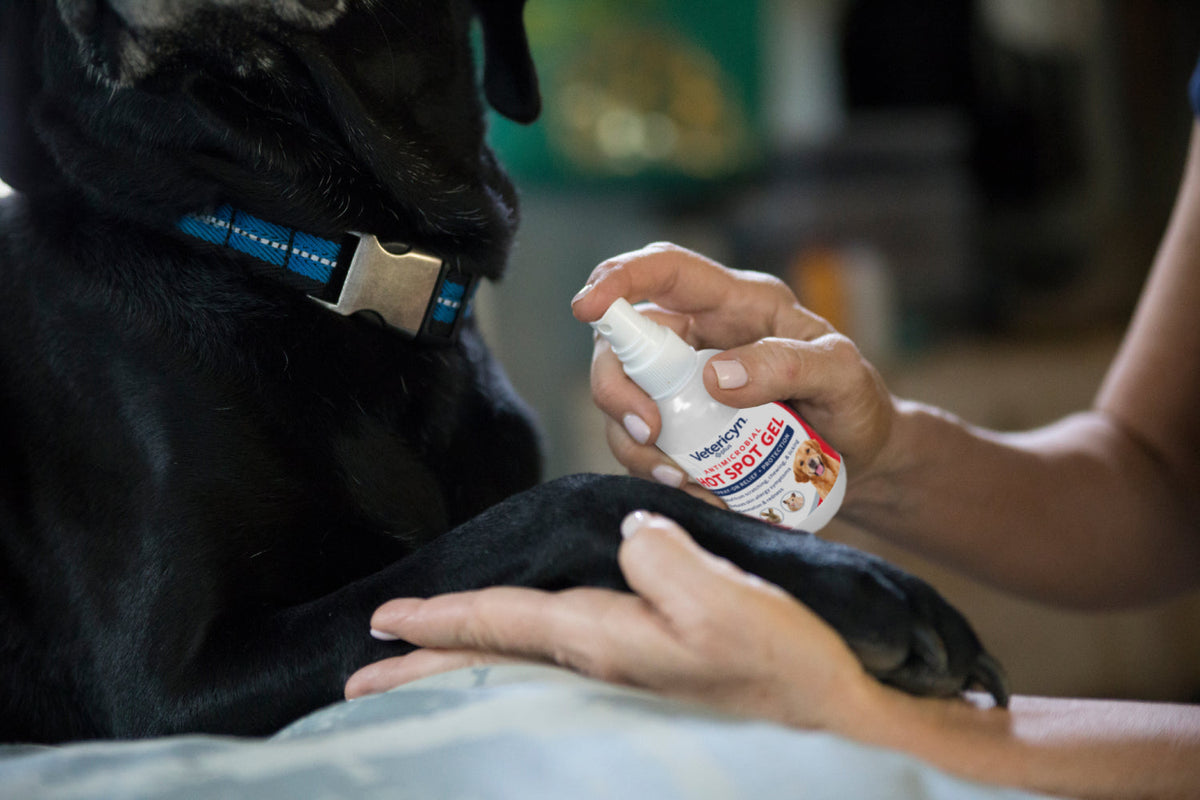
Visible changes are often the first indicators. This includes redness (erythema), inflammation, rashes, bumps (papules or pustules), scales, crusts, or dandruff. Hair loss (alopecia), either in patches or generalized thinning, is a common sign. Hot spots, which are acute moist dermatitis lesions, appear as red, weeping, painful sores that develop quickly.
Behavioral changes provide crucial clues. Excessive scratching, licking, chewing, or rubbing against furniture or carpets indicates discomfort. A dog might also engage in scooting (dragging the rear end on the ground) if the anal glands or skin around the tail are irritated. Restlessness or changes in temperament can also be subtle signs of chronic skin irritation.
Changes in smell or texture of the skin and coat are also important. A persistent unpleasant or yeasty odor often accompanies bacterial or fungal infections. The coat may appear dull, greasy, or excessively dry. Upon palpation, the skin might feel thick, bumpy, or unusually warm to the touch.
Specific locations can indicate certain issues. Persistent head shaking or pawing at the ears, accompanied by redness, discharge, or an odor, suggests an ear infection. Constant licking of paws can point to allergies or anxiety. For breeds with skin folds, irritation and moisture within these folds are clear signs of skin fold dermatitis. Puppies may show intense itching due to parasitic infestations like mites, while older dogs might exhibit gradual hair thinning or changes in skin elasticity related to hormonal issues. Observing these signs carefully helps to narrow down potential causes.
Practical Solutions and Management Strategies
Effective “skin care for dogs” involves a multi-faceted approach, combining proactive measures with targeted interventions when problems arise. Consistent application of these strategies can significantly improve a dog’s skin health.
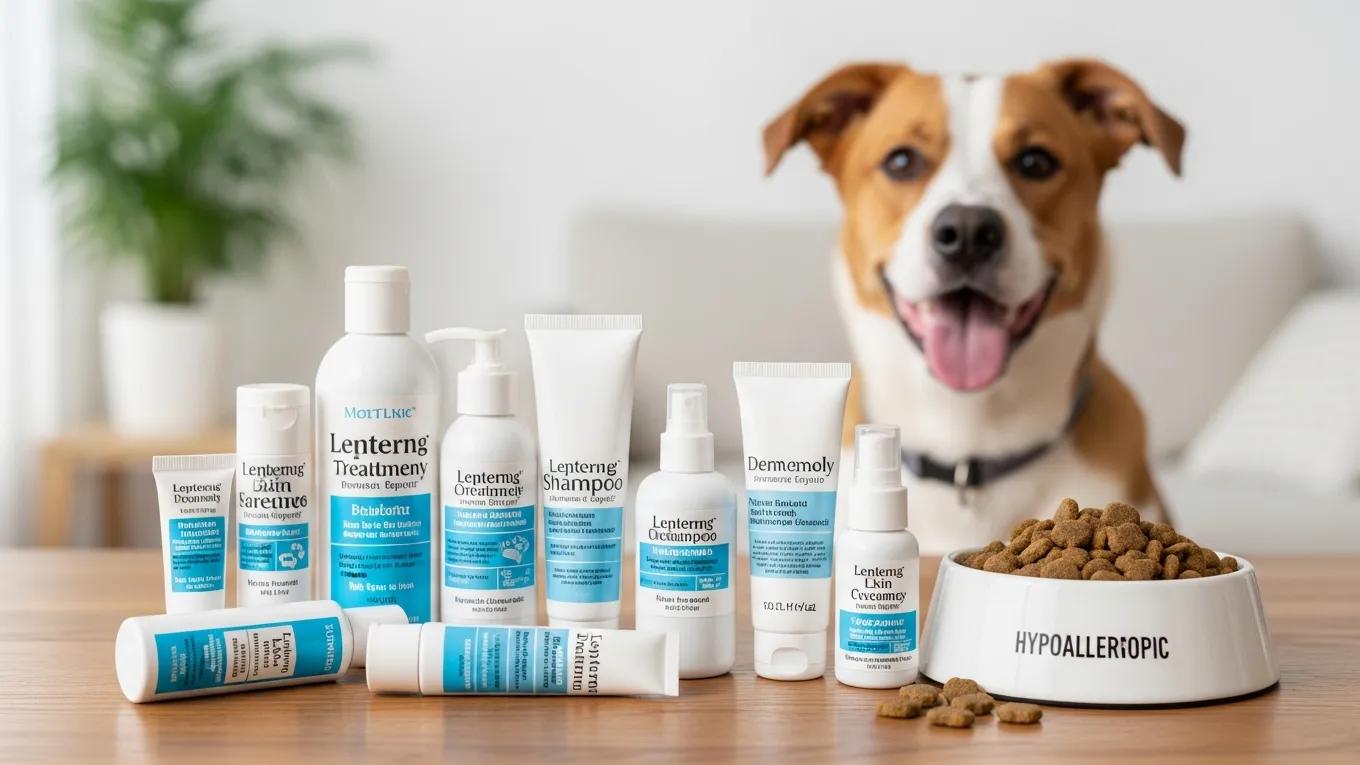
Regular Grooming is fundamental. Brushing a dog’s coat several times a week helps to distribute natural skin oils, remove loose hair and dirt, and stimulate circulation. Bathing should be done using dog-specific, pH-balanced shampoos, ideally those formulated for sensitive skin, such as oatmeal or hypoallergenic varieties. Over-bathing or using human shampoos can strip the skin of essential oils, leading to dryness and irritation.
Parasite Control is paramount. Implementing a consistent, year-round flea, tick, and mite prevention program, as recommended by a veterinary professional, is crucial. This not only protects the dog but also prevents infestations in the home environment.
Optimal Nutrition forms the cornerstone of healthy skin and coat. A high-quality, balanced diet rich in essential fatty acids (omega-3 and omega-6), vitamins (especially A, E, and B complex), and minerals supports skin barrier function. Dietary supplements, such as fish oil, can be beneficial, but their use should be discussed with a veterinarian. For dogs with suspected food allergies, a limited ingredient or hydrolyzed protein diet trial may be necessary under veterinary guidance.
Environmental Management helps reduce exposure to allergens and irritants. Regular cleaning of bedding, vacuuming floors, and using air purifiers can minimize dust mites and pollen indoors. Avoiding harsh chemical cleaners on surfaces a dog may contact and opting for natural, pet-safe products is also advisable.
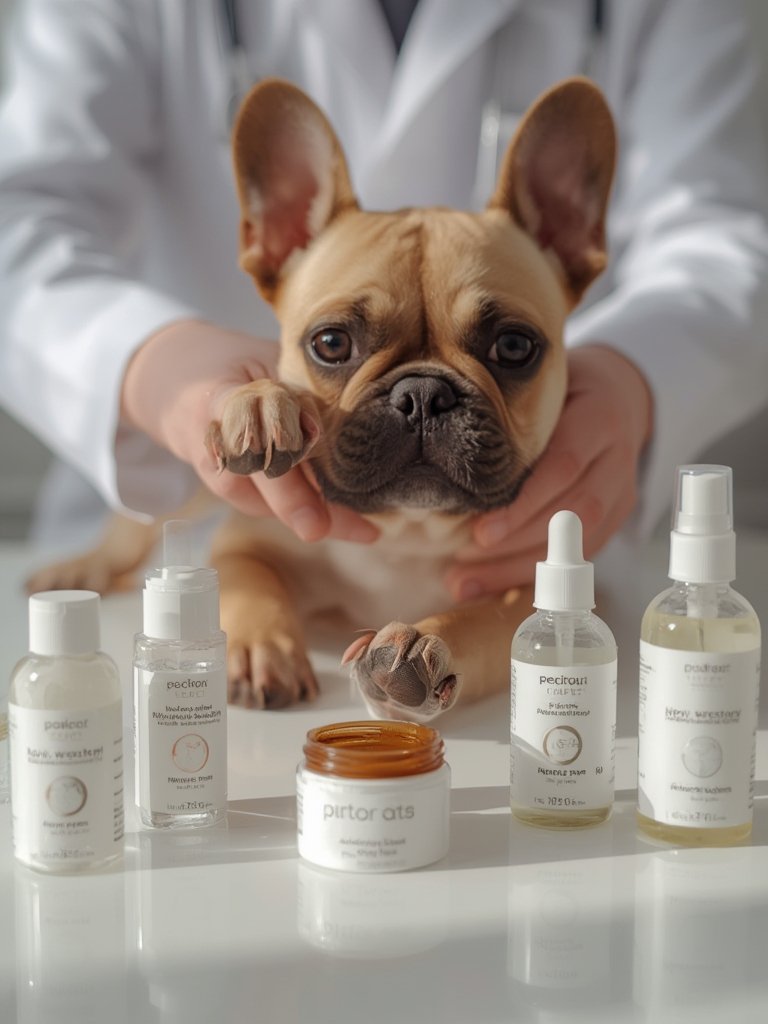
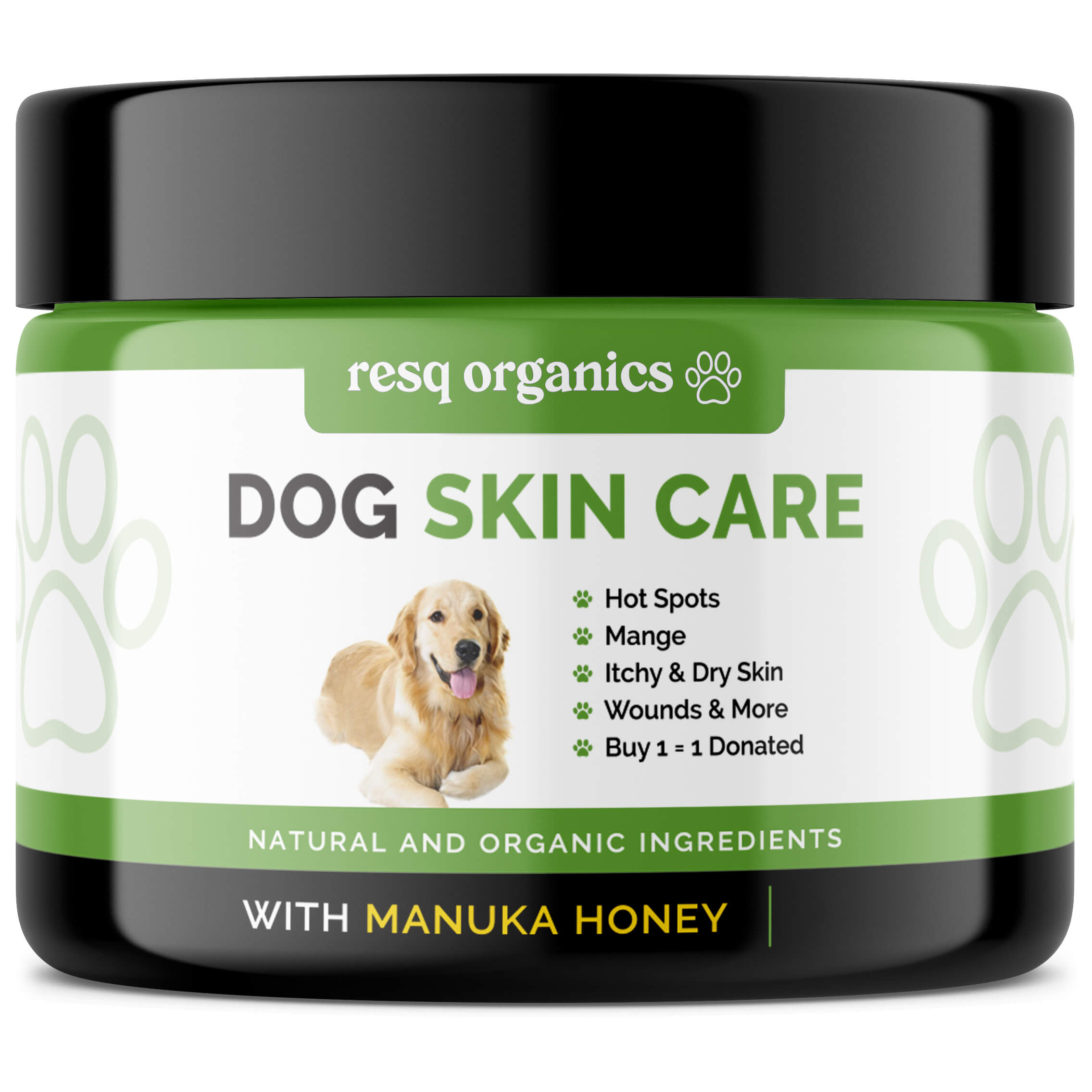
For minor irritations, Topical Treatments can offer relief. Soothing balms, moisturizers, or medicated wipes (only those approved for canine use) can address localized dry patches or mild redness. However, any topical application should be monitored to ensure it does not worsen the condition.
Stress Reduction plays an indirect but important role. A consistent routine, adequate daily exercise, and mental stimulation can help reduce anxiety, thereby minimizing stress-related licking or chewing that can damage the skin.
Finally, ensuring adequate hydration by providing constant access to fresh, clean water supports overall health, including skin moisture and elasticity. Regular, gentle skin checks should become part of a dog owner’s routine, allowing for early intervention before minor issues escalate.
When Professional Help May Be Needed
While many minor skin irritations can be managed with attentive home care, certain signs indicate the necessity of professional veterinary intervention. Recognizing when to seek expert help is a responsible aspect of “skin care for dogs” and can prevent more severe health complications.
A veterinary consultation is strongly recommended if skin symptoms are persistent or worsening despite several days of diligent home care. This includes itching that does not subside, spreading redness, or continued hair loss.
Immediate veterinary attention is advisable for severe discomfort or pain. If a dog is visibly distressed, constantly scratching to the point of self-trauma, whining, or showing signs of tenderness when touched, a professional assessment is crucial.
Extensive lesions, open wounds, bleeding, or the presence of pus are clear indicators of a potentially serious infection that requires medical treatment, often including antibiotics or antifungals prescribed by a veterinarian. A foul odor emanating from the skin or ears also suggests an underlying infection.
If a dog owner suspects allergies, a veterinarian can help determine the specific type of allergy (environmental, food, or flea allergy dermatitis) through diagnostic tests and recommend appropriate management plans, which may include allergy medications, specialized diets, or immunotherapy.
Any signs suggestive of parasitic infestations that are not resolving with over-the-counter treatments, or if there is uncertainty about the type of parasite, warrant a veterinary visit. Mites, for instance, often require specific prescription treatments.
Furthermore, if behavioral changes like lethargy, loss of appetite, or significant changes in temperament accompany skin issues, it could indicate a more systemic problem. Underlying medical conditions, such as hormonal imbalances (e.g., thyroid disorders), often manifest with skin symptoms and require veterinary diagnosis and targeted treatment.
In essence, whenever there is uncertainty about the cause of a skin problem, if symptoms are severe, widespread, or fail to improve, professional veterinary guidance ensures accurate diagnosis and effective treatment, safeguarding a dog’s health and well-being.
Conclusion
Effective “skin care for dogs” is an integral component of responsible pet ownership, extending beyond simple aesthetics to profoundly impact a dog’s overall health and happiness. Understanding the common causes of skin issues, diligently observing for early signs and symptoms, and implementing appropriate management strategies are crucial for maintaining a healthy dermal barrier. From consistent grooming and robust parasite control to optimal nutrition and environmental adjustments, proactive measures play a significant role in preventing discomfort and promoting vitality. While home care can address many minor concerns, recognizing when professional veterinary help is needed is equally vital for addressing persistent, severe, or complex skin conditions. By embracing a holistic approach to canine well-being, where skin health is recognized as a key indicator of internal health, dog owners can ensure their beloved companions enjoy a comfortable, itch-free existence and a truly enhanced quality of life.
Pet Care & Wellness Overview Table
| Life Stage | Daily Activity Level | Key Nutrition / Care Focus |
|---|---|---|
| Puppy / Kitten | High (frequent short bursts) | High-protein growth diet & early socialization |
| Adult Companion | Moderate (30–60 mins daily) | Balanced maintenance nutrition & dental hygiene |
| Senior Pets | Low to Gentle (mindful walks) | Joint support (Glucosamine) & routine vet checks |
Images References



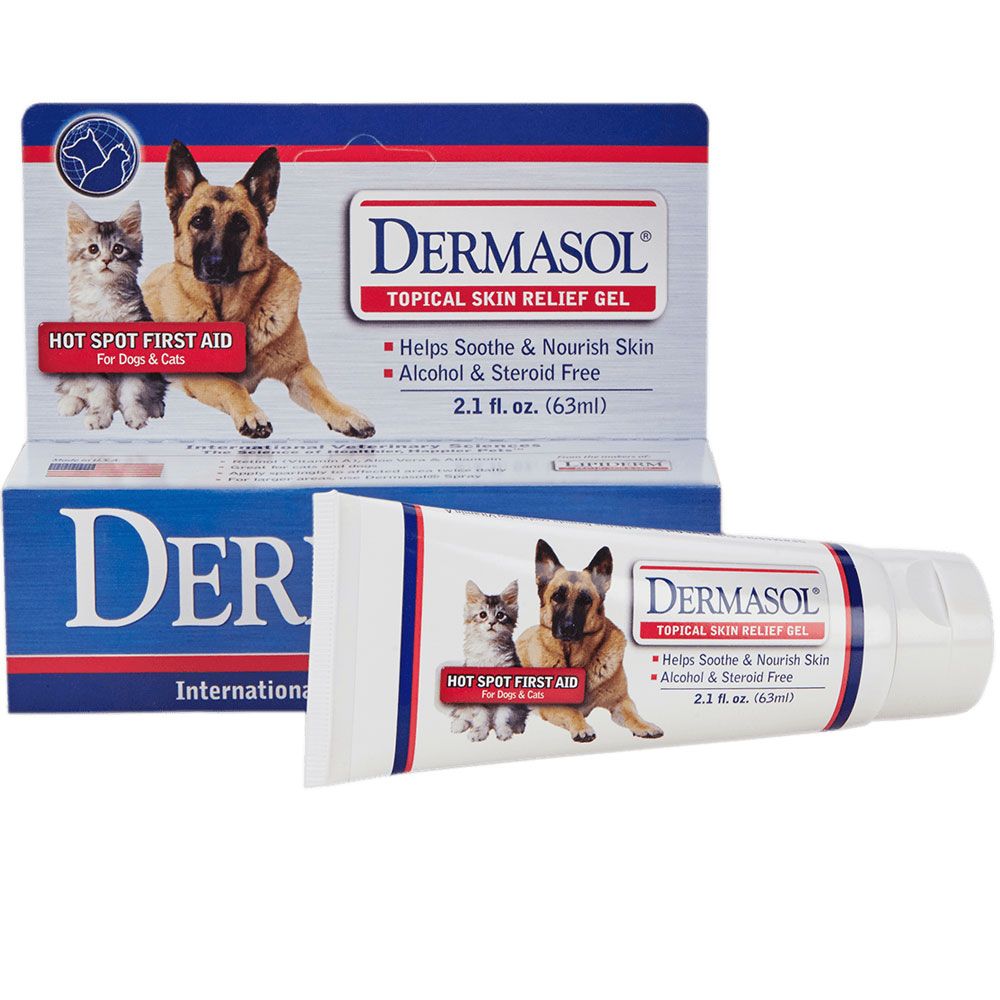
For more expert pet care tips and advice, check out our dedicated Dog Health guides to keep your companions healthy and happy.


