

Understanding why the Labrador Retriever coat requires dedicated vigilance from caregivers
According to the American Kennel Club, the Labrador Retriever remains one of the most popular dog breeds in the world, renowned for an athletic build and a friendly disposition. Beneath that iconic, water-resistant double coat, however, lies a predisposition to various dermatological challenges that can disrupt canine comfort. In clinical practice, seeing a Labrador constantly chewing at paws or rubbing flanks against furniture is a nearly daily occurrence. These visible signs often point to underlying imbalances that require careful investigation by veterinary professionals. Recognizing the early indicators of skin trouble helps prevent minor irritations from escalating into severe, painful infections.
💡 Pet Care Key Takeaways:
- Core Focus: Practical health, nutrition, and wellness guidelines for Skin Conditions In Labradors.
- Target Scope: Pet owners, animal caregivers, and veterinary support staff.
- Best Recommendation: Maintain consistent daily routines and consult an accredited veterinarian before introducing major diet or medical changes.
Skin conditions in labradors refer to a diverse group of dermatological disorders affecting the breed’s outer coat and underlying dermal layers.
Dermatological disorders in this specific retriever breed encompass everything from environmental allergies to bacterial infections and hormonal imbalances. The short, dense double coat possesses an outer layer of straight hairs designed to repel water, paired with a soft undercoat that provides thermal insulation. Unfortunately, this very structure can trap moisture and allergens close to the skin if the coat is not thoroughly dried after swimming or bathing. Conditions frequently diagnosed in clinical settings include atopic dermatitis (an inflammatory skin disease linked to environmental allergens like pollen or dust mites), flea allergy dermatitis, and pyoderma (a bacterial skin infection characterized by pustules and redness). Each of these maladies presents distinct challenges, yet they often share overlapping symptoms such as intense pruritus, which is the medical term for severe, persistent itching. For more related activities, check out our Dog Illness Symptoms.
Untreated dermatological flare-ups compromise overall canine wellness, causing chronic physical discomfort and behavioral stress.
When a dog suffers from continuous irritation, the quality of life diminishes significantly, turning a joyful companion into an anxious, restless patient. Constant scratching, licking, and chewing break the skin barrier, creating open wounds that invite secondary yeast and bacterial infections. Furthermore, the relentless cycle of discomfort often triggers behavioral changes, including irritability, pacing, and sleep disruption. In the examination room, it is common to observe localized hair loss, known medically as alopecia, alongside thickened, darkened skin resulting from chronic trauma. Managing these complications demands a comprehensive approach that addresses both the primary medical trigger and the secondary damage inflicted by the animal’s own teeth and paws.
Atopic dermatitis affects a substantial portion of the canine population, with certain retriever lines showing heightened genetic susceptibility to environmental allergens — American Kennel Club
Managing canine skin health requires a multifaceted strategy combining veterinary medicine, proper nutrition, and meticulous grooming routines.
Successful long-term management begins with establishing a partnership with a veterinarian to identify the root cause of the dermatitis rather than merely masking the symptoms. Diagnostic steps may include skin scrapings, cytology, or allergy testing to pinpoint specific triggers like food ingredients or seasonal pollens. Once a diagnosis is secured, targeted therapies—ranging from medicated shampoos and topical mousses to prescription oral medications—can be implemented safely. It is vital to remember that never state specific dosages, medication amounts, or exact quantities of a substance as universally safe, since these parameters vary widely based on individual body weight and health status. Always confirm treatment plans with a qualified veterinary professional before administering any substance.
Caregivers must implement consistent preventative measures while avoiding common pitfalls in daily coat maintenance.
Routine maintenance is the cornerstone of keeping a retriever comfortable and minimizing unexpected flare-ups. Regular brushing removes dead undercoat hairs and distributes natural oils, preventing mats that can trap moisture and harbor bacteria. Neglecting post-swim drying is a frequent mistake that often precedes acute moist dermatitis, commonly known as a hot spot. These localized, rapidly developing lesions appear as red, oozing, intensely painful patches that require prompt veterinary attention to heal properly. Additionally, incorporating high-quality omega-3 fatty acids into the daily menu supports the skin’s natural lipid barrier, though any dietary adjustments should be reviewed to ensure balanced nutrition.
Acute moist dermatitis can develop within a matter of hours when trapped moisture combines with warmth and self-induced trauma from scratching — American Veterinary Medical Association
Pet Care & Wellness Overview Table
| Life Stage | Daily Activity Level | Key Nutrition / Care Focus |
|---|---|---|
| Puppy / Kitten | High (frequent short bursts) | High-protein growth diet & early socialization |
| Adult Companion | Moderate (30–60 mins daily) | Balanced maintenance nutrition & dental hygiene |
| Senior Pets | Low to Gentle (mindful walks) | Joint support (Glucosamine) & routine vet checks |
Images References
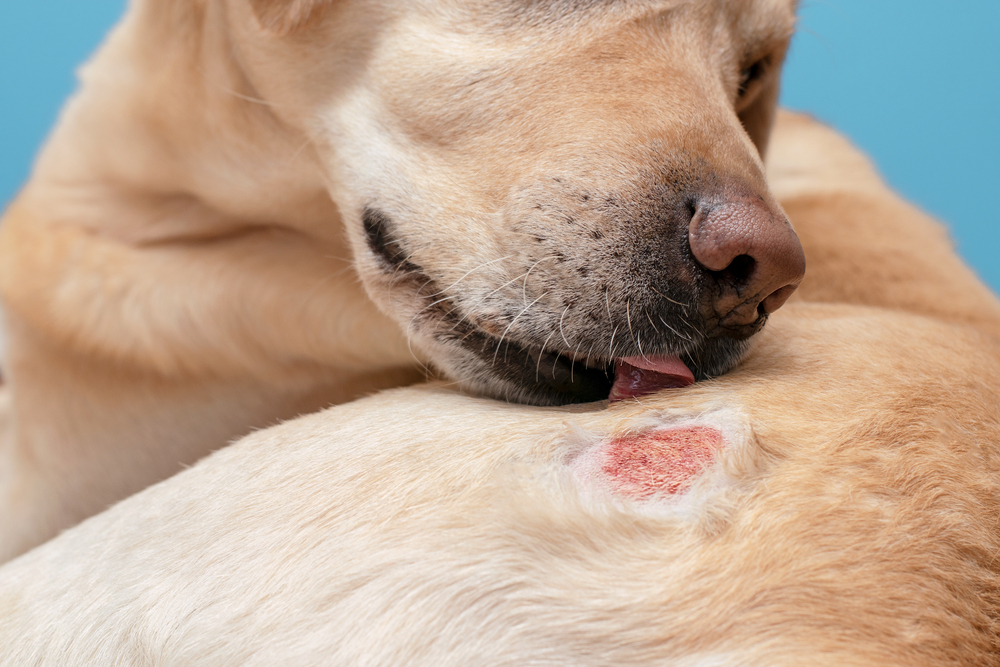
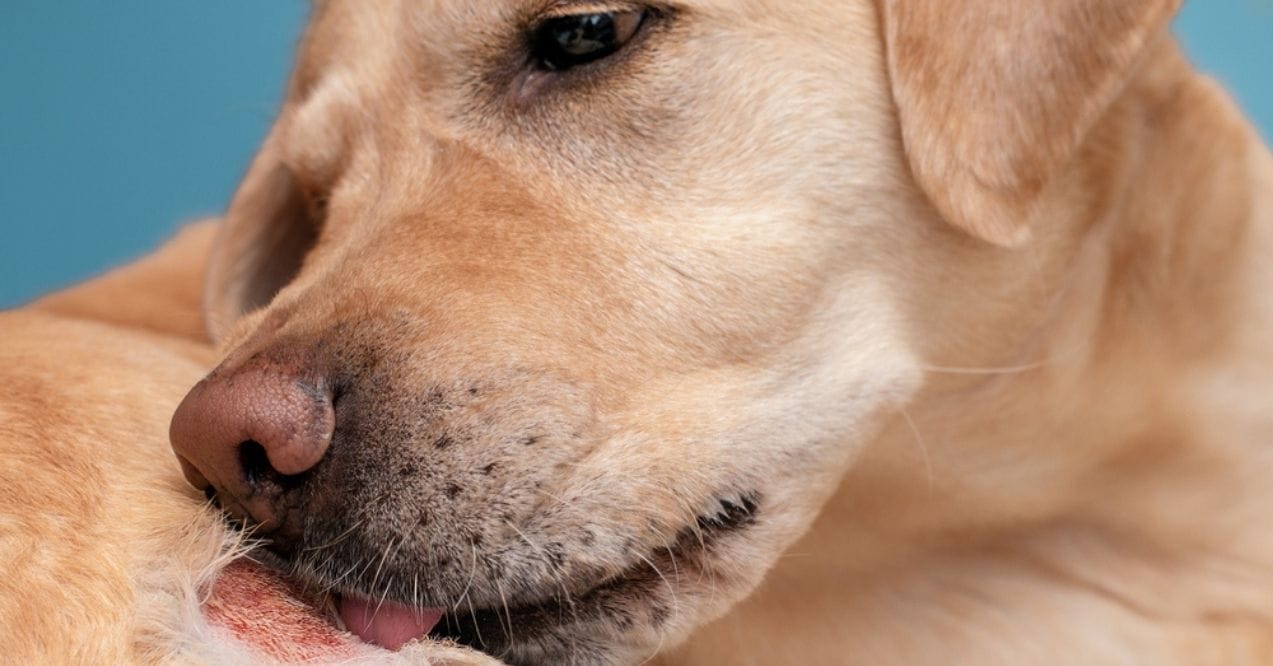


Specific demographic factors, including genetics, age, and seasonal shifts, heavily influence susceptibility to dermatological issues.
Young adult retrievers frequently experience the onset of environmental allergies, with symptoms typically manifesting between one and three years of age. Genetics play a undeniable role, as bloodlines predisposed to atopic conditions pass these sensitivities down through generations. Seasonal changes also dictate flare-up frequency; spring and summer bring high pollen counts and swimming season, which can exacerbate moisture retention in the coat. Conversely, winter indoor heating often dries out the skin barrier, leading to flakey irritation. Recognizing these patterns allows attentive caregivers to anticipate seasonal vulnerabilities and adjust grooming and veterinary check-ups proactively.
Professional veterinary evaluation remains essential whenever persistent scratching, redness, or unusual odor develops.
Self-diagnosing skin ailments at home can lead to delayed recovery and unnecessary suffering for the animal. A licensed veterinarian possesses the diagnostic tools necessary to differentiate between mange, bacterial pyoderma, food sensitivities, and hormonal disorders that all share similar visual presentations. Professional guidance ensures that prescription therapies are tailored precisely to the individual animal’s needs, minimizing adverse side effects. When chronic licking, raw patches, or foul odors arise, scheduling an immediate clinical examination is the safest and most compassionate course of action.
Maintaining a healthy, resilient coat demands ongoing dedication and partnership with canine health professionals.
Navigating the complexities of canine dermatology requires patience, attention to detail, and a commitment to proactive care routines. By understanding the unique vulnerabilities of the breed and staying vigilant for early signs of discomfort, caregivers can ensure their companions live comfortable, vibrant lives. For further insights into maintaining optimal well-being, explore the comprehensive resources available on PetsAnimalsWorld.com, including dedicated guides on Dog Health, proper Dog Care, and balanced Dog Nutrition.


